


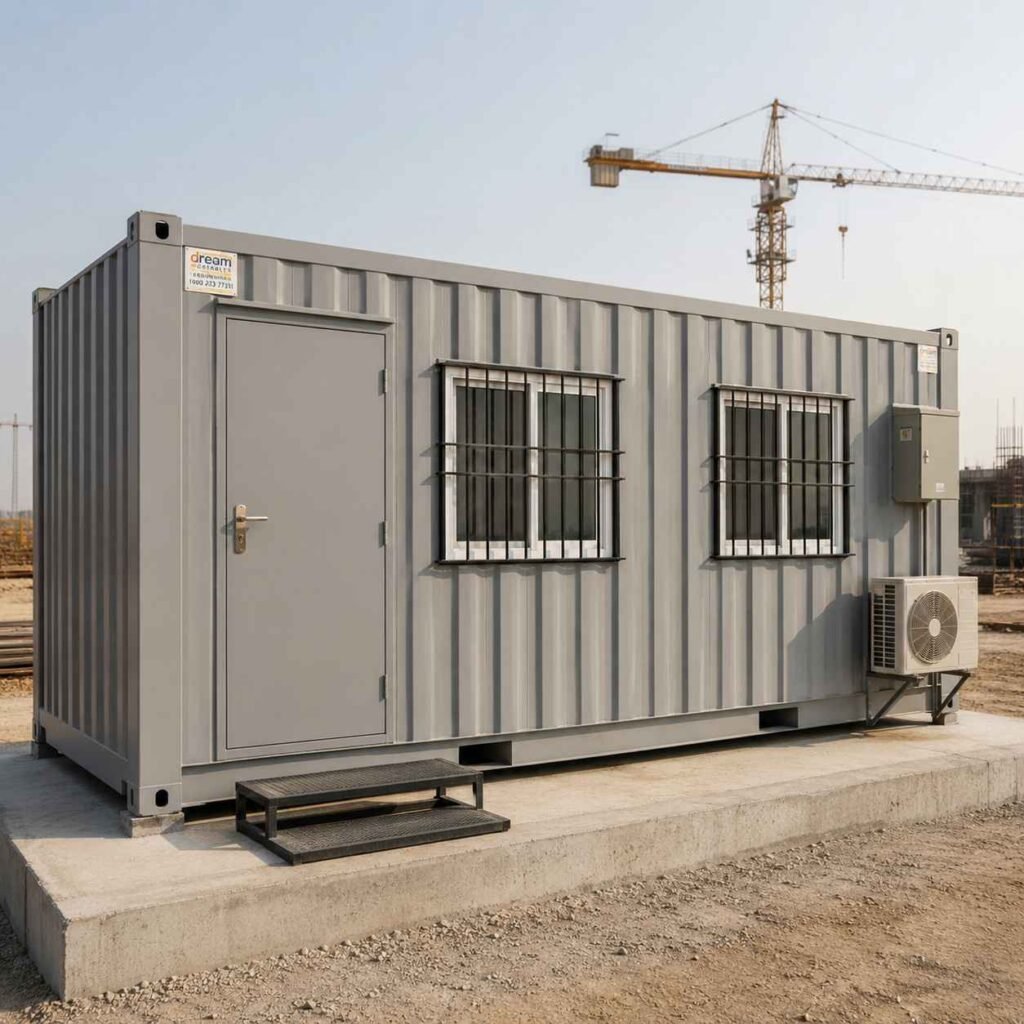
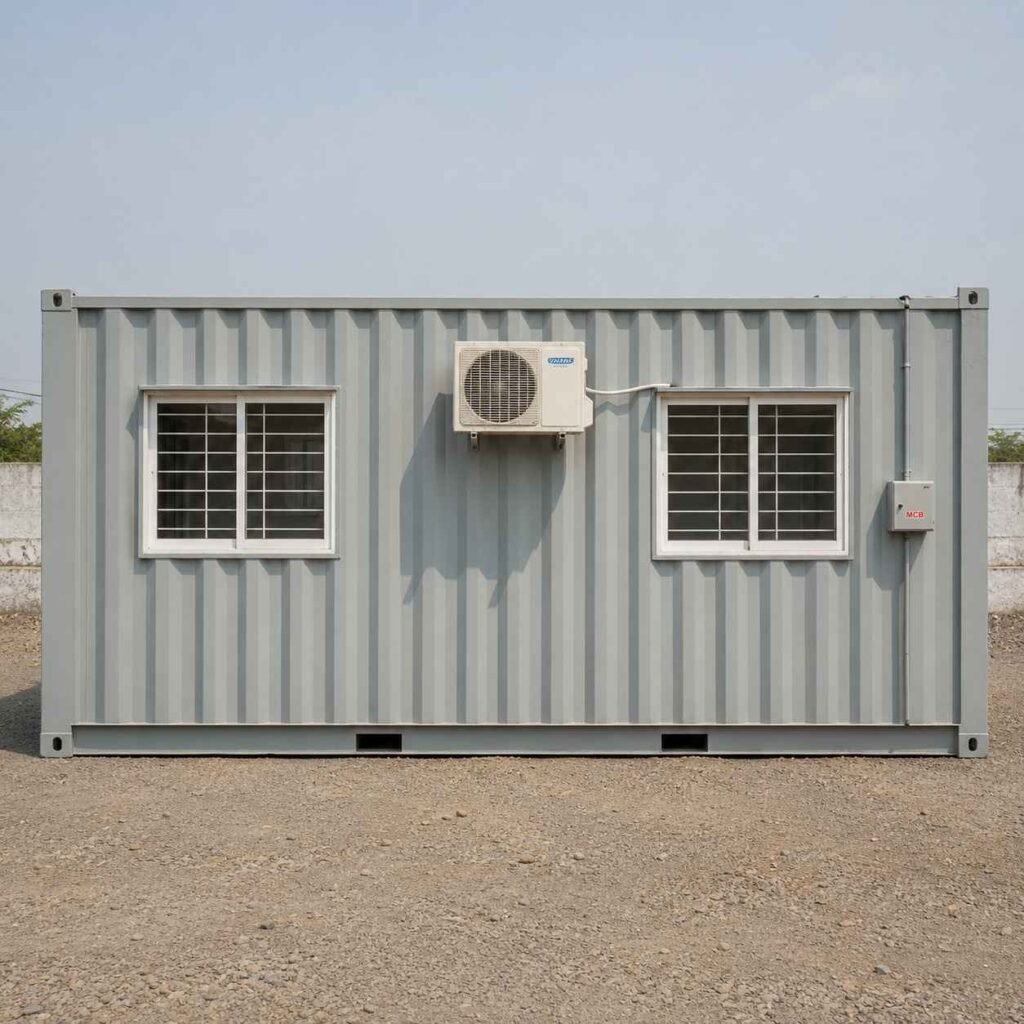
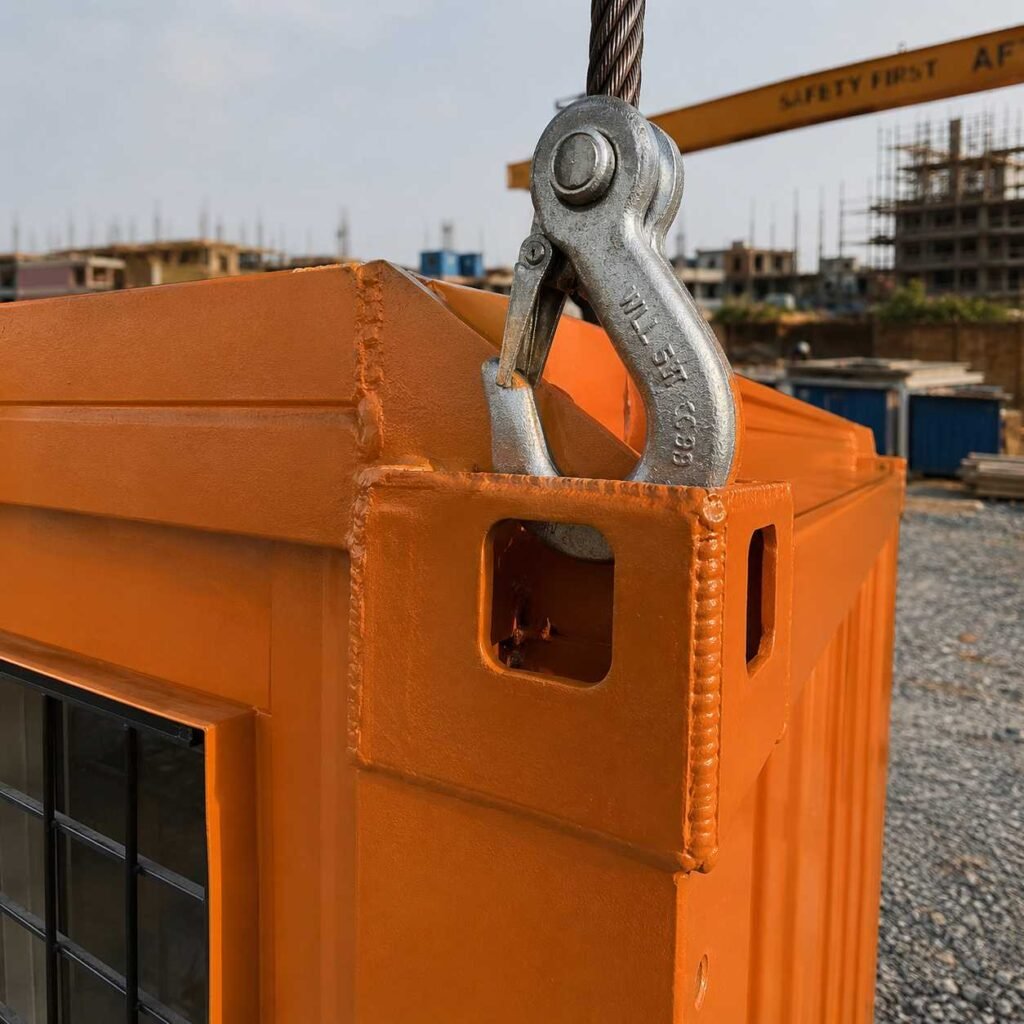
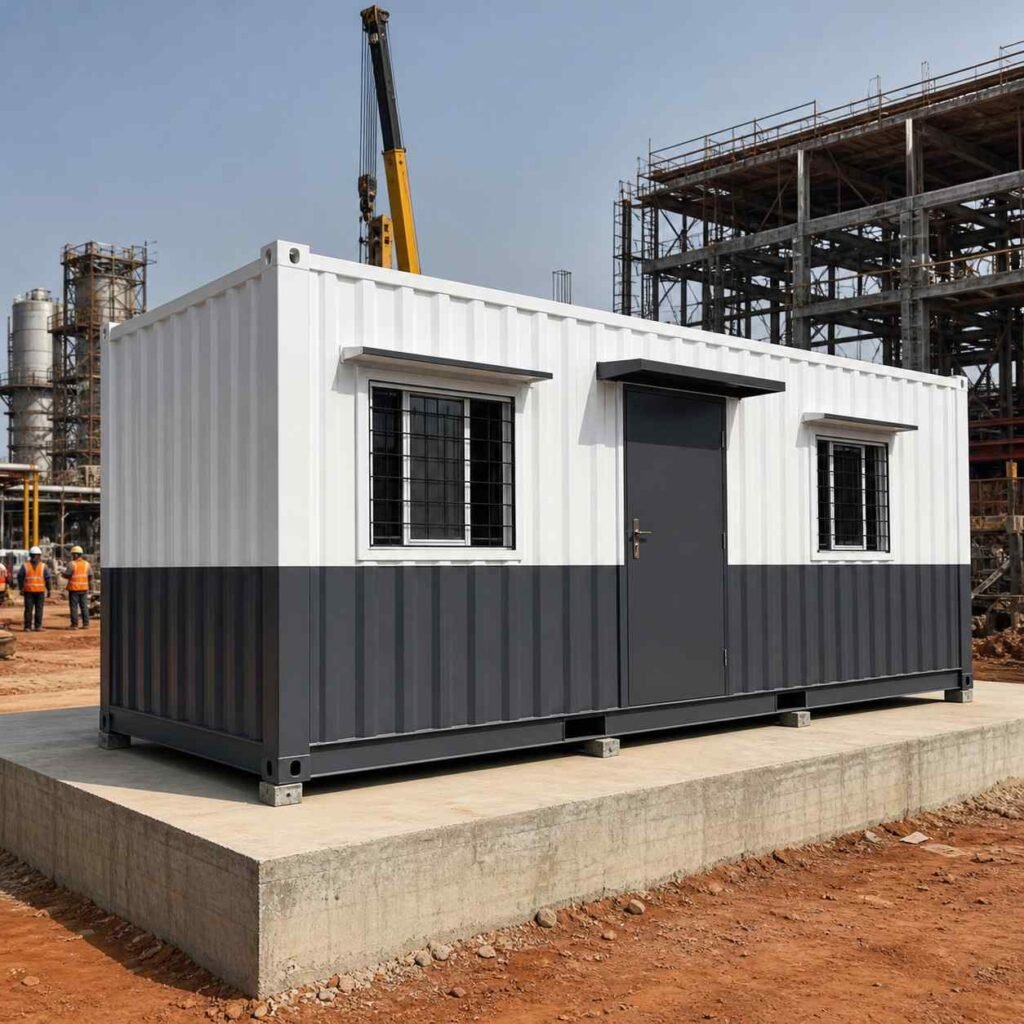
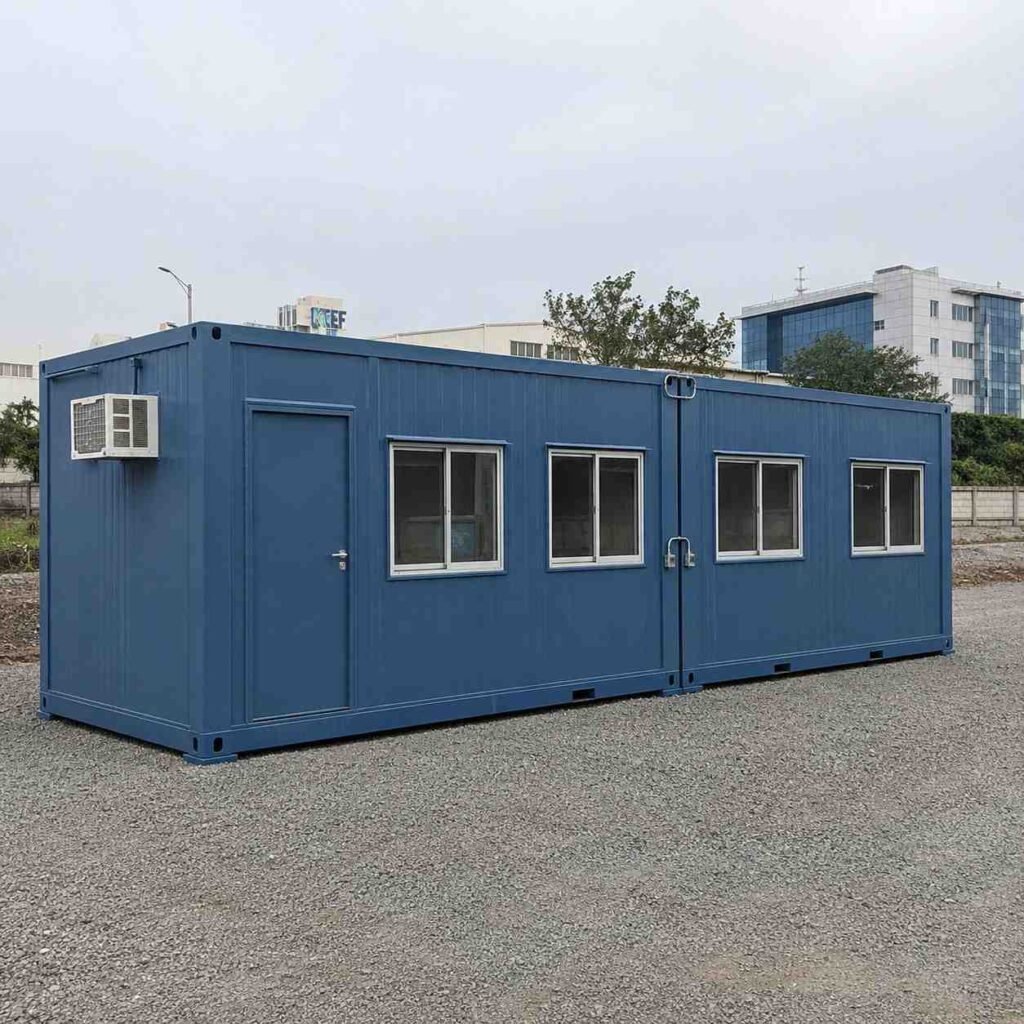
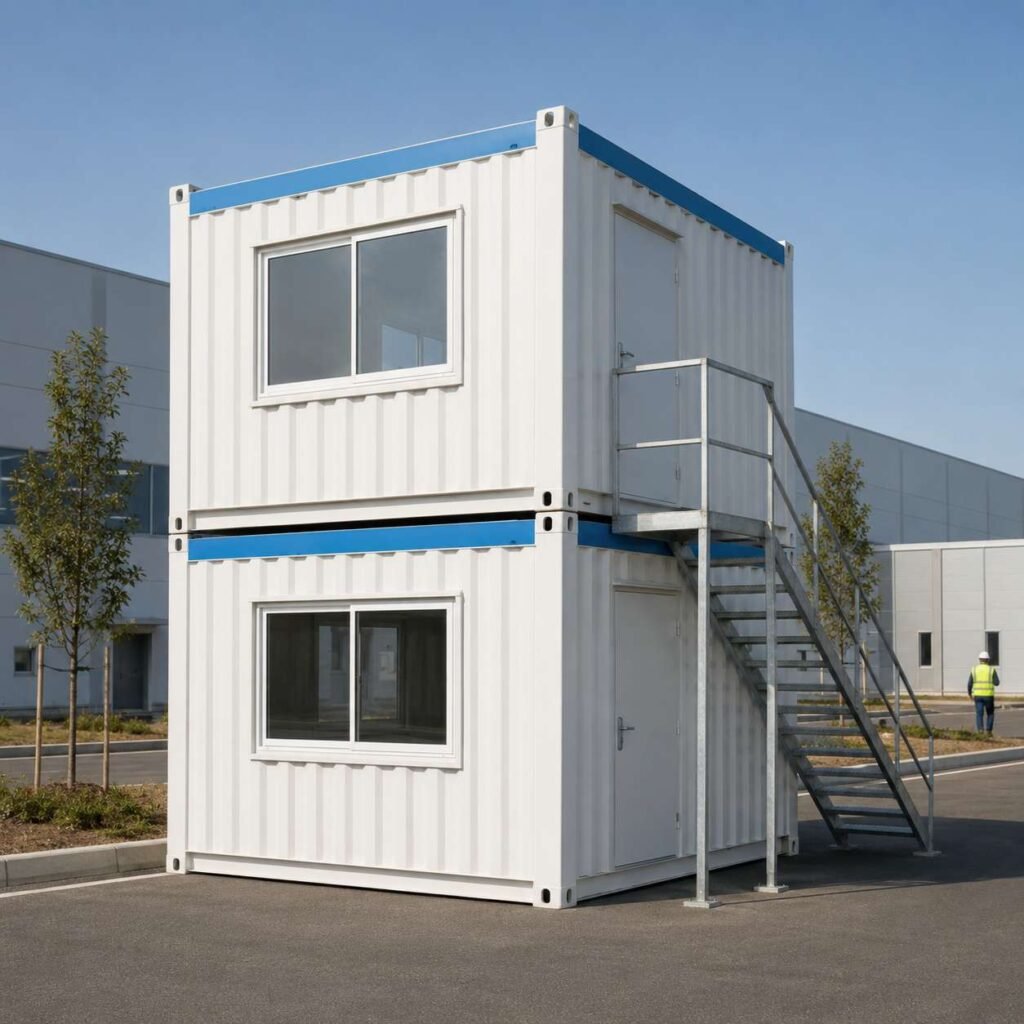
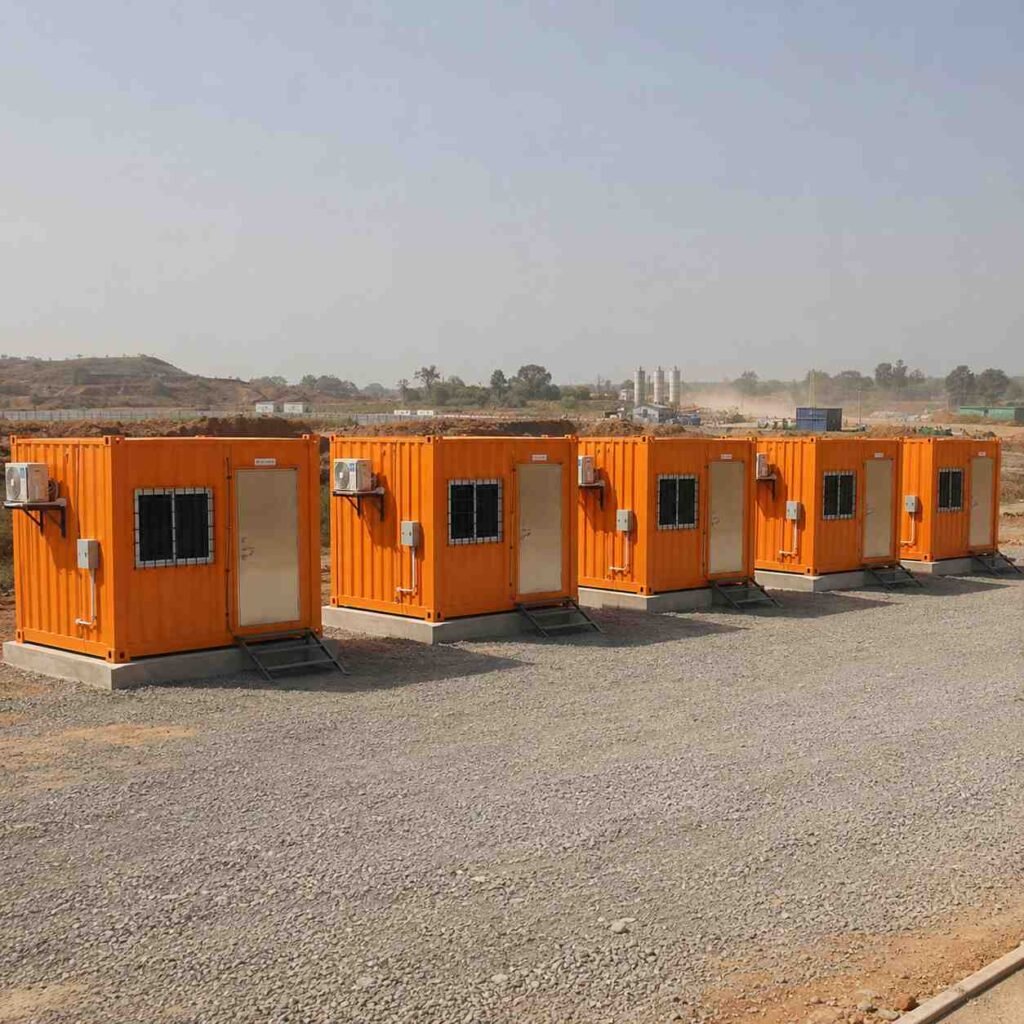

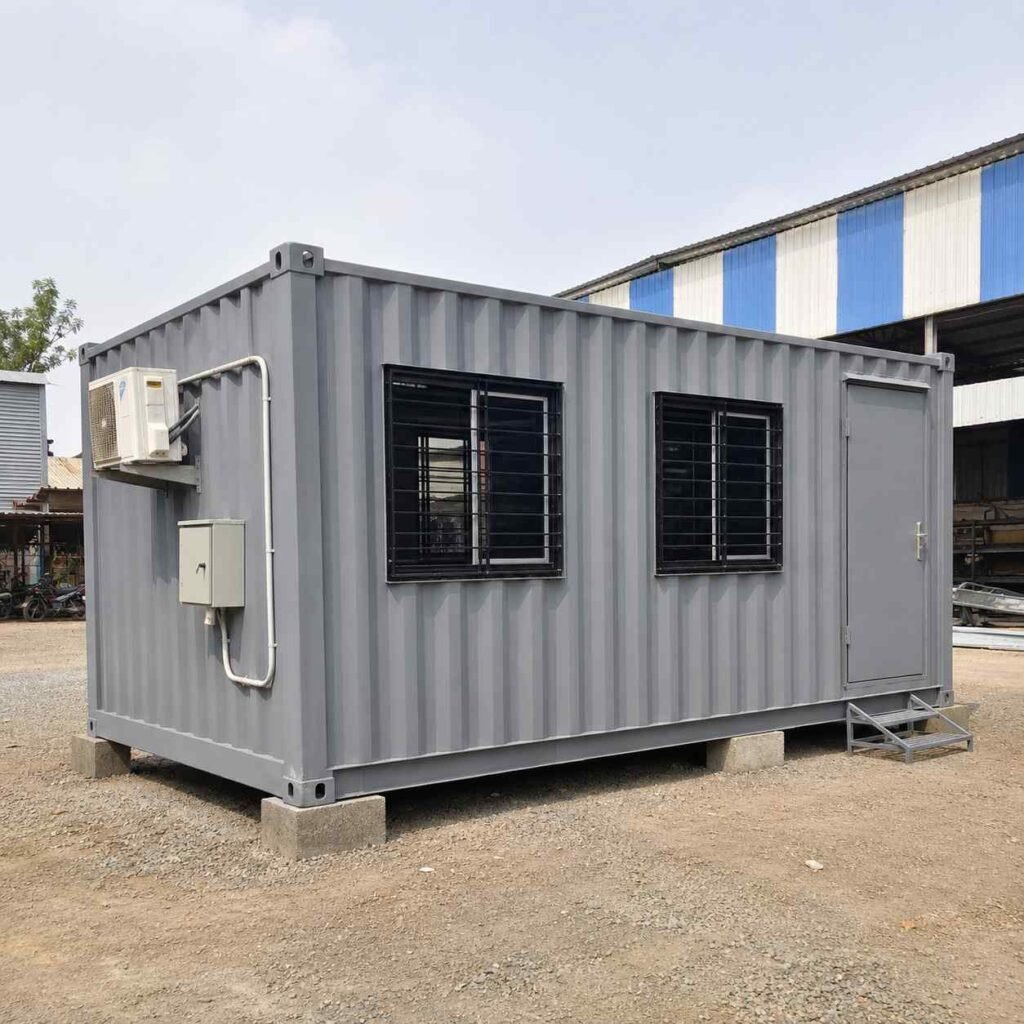
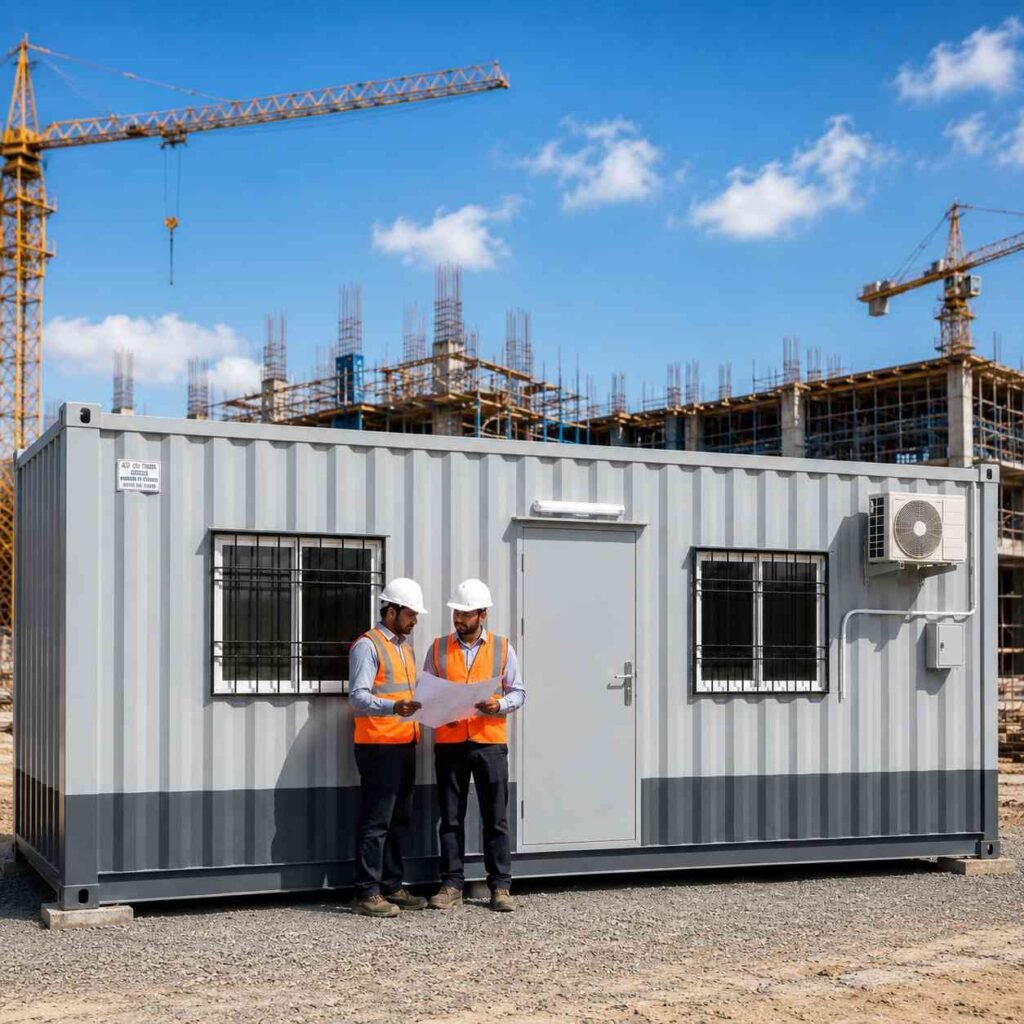
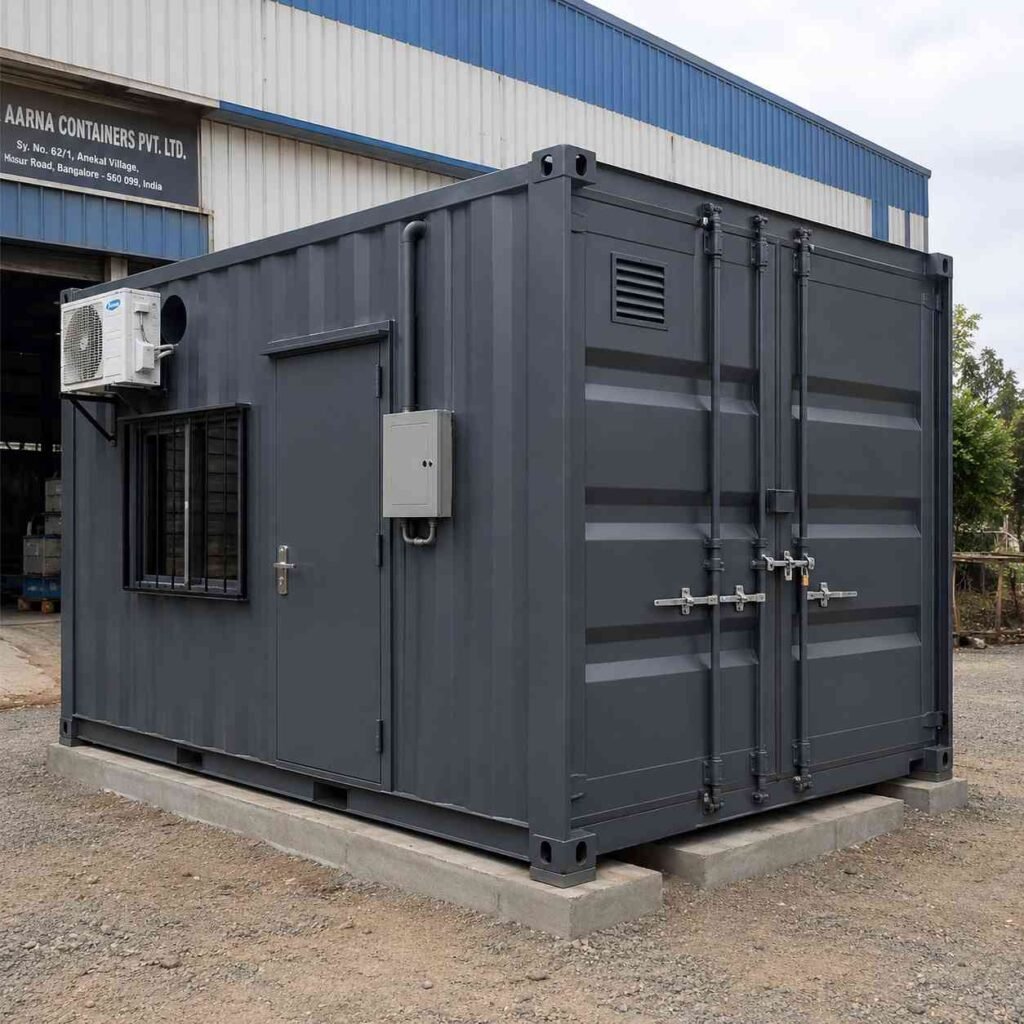


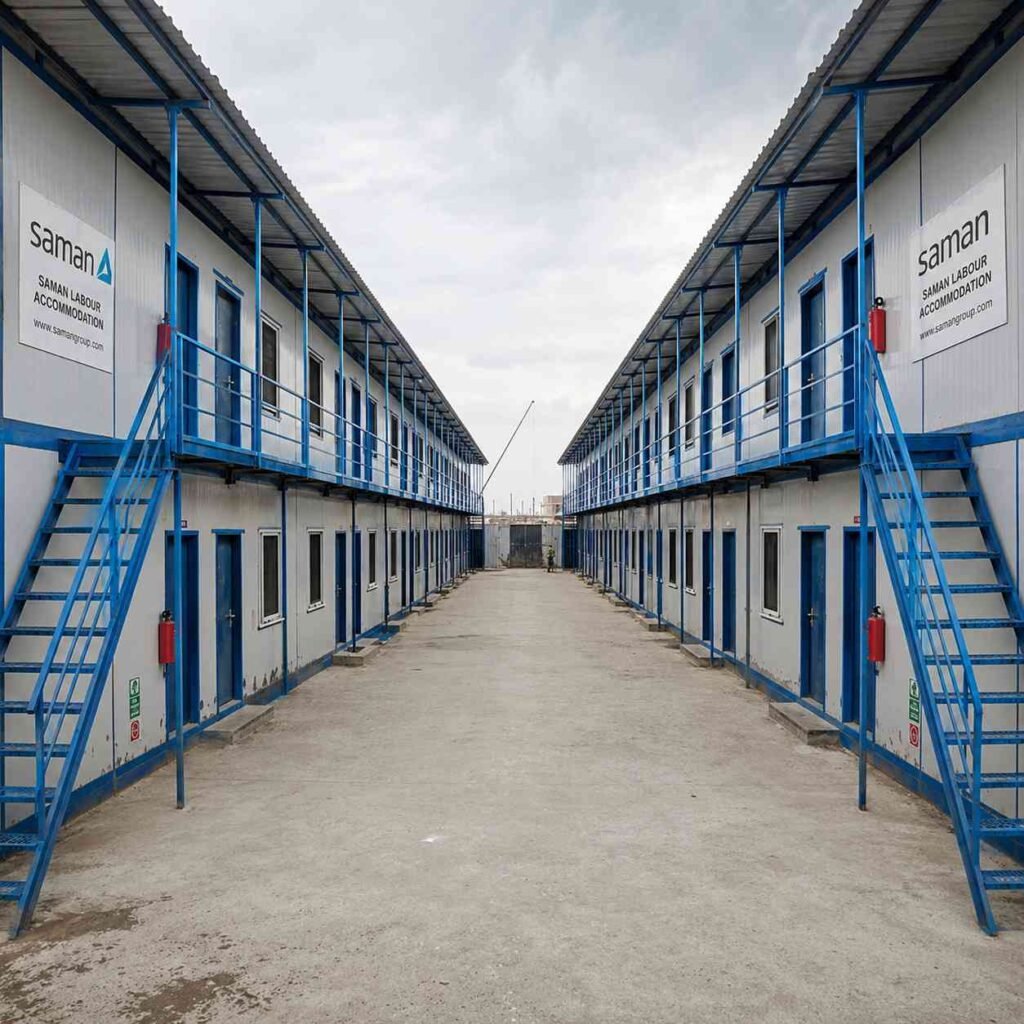
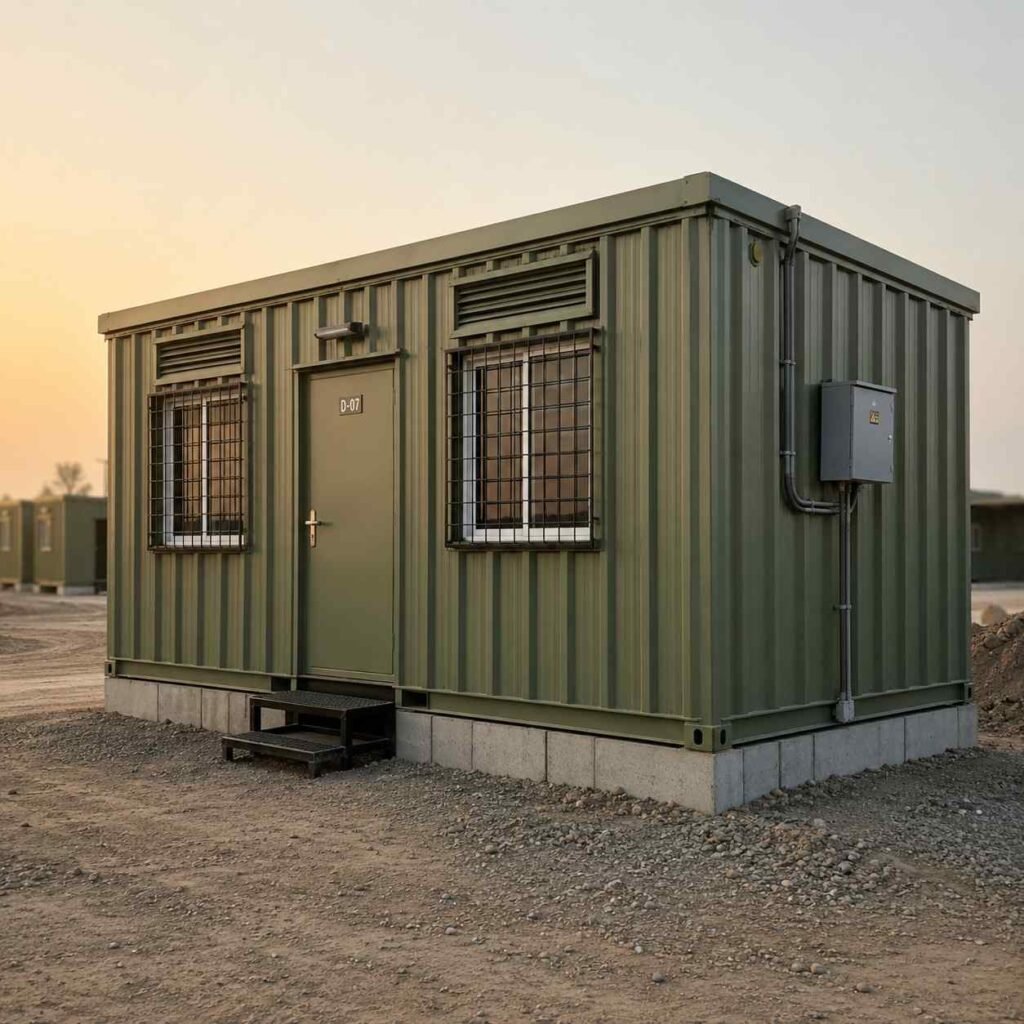

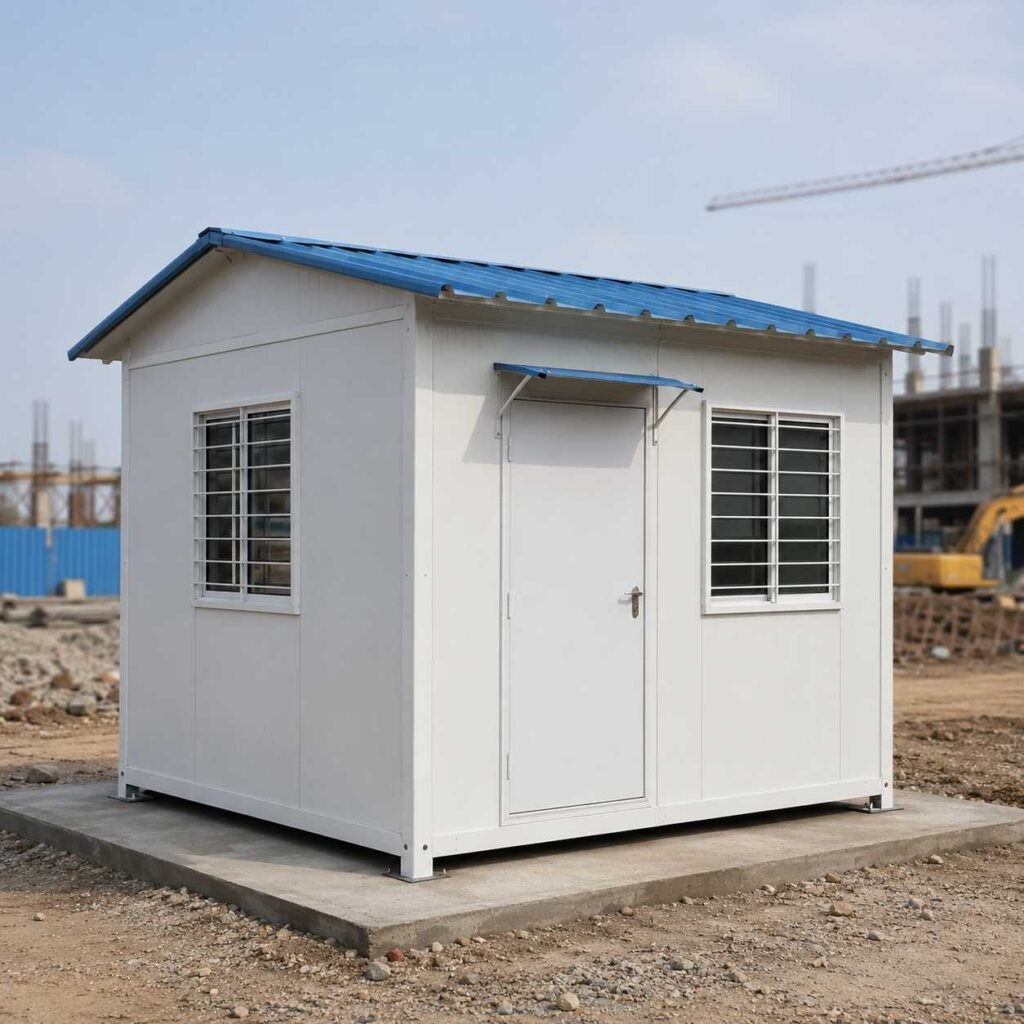
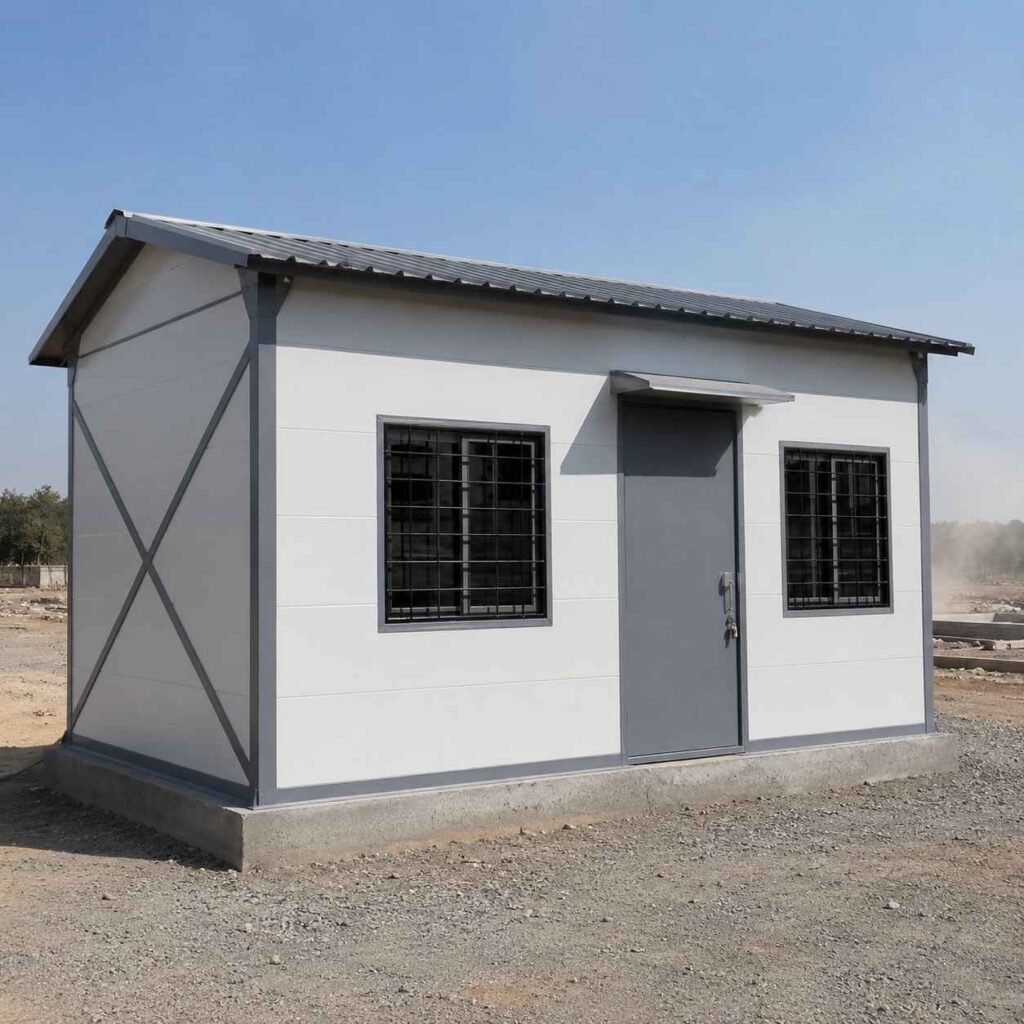
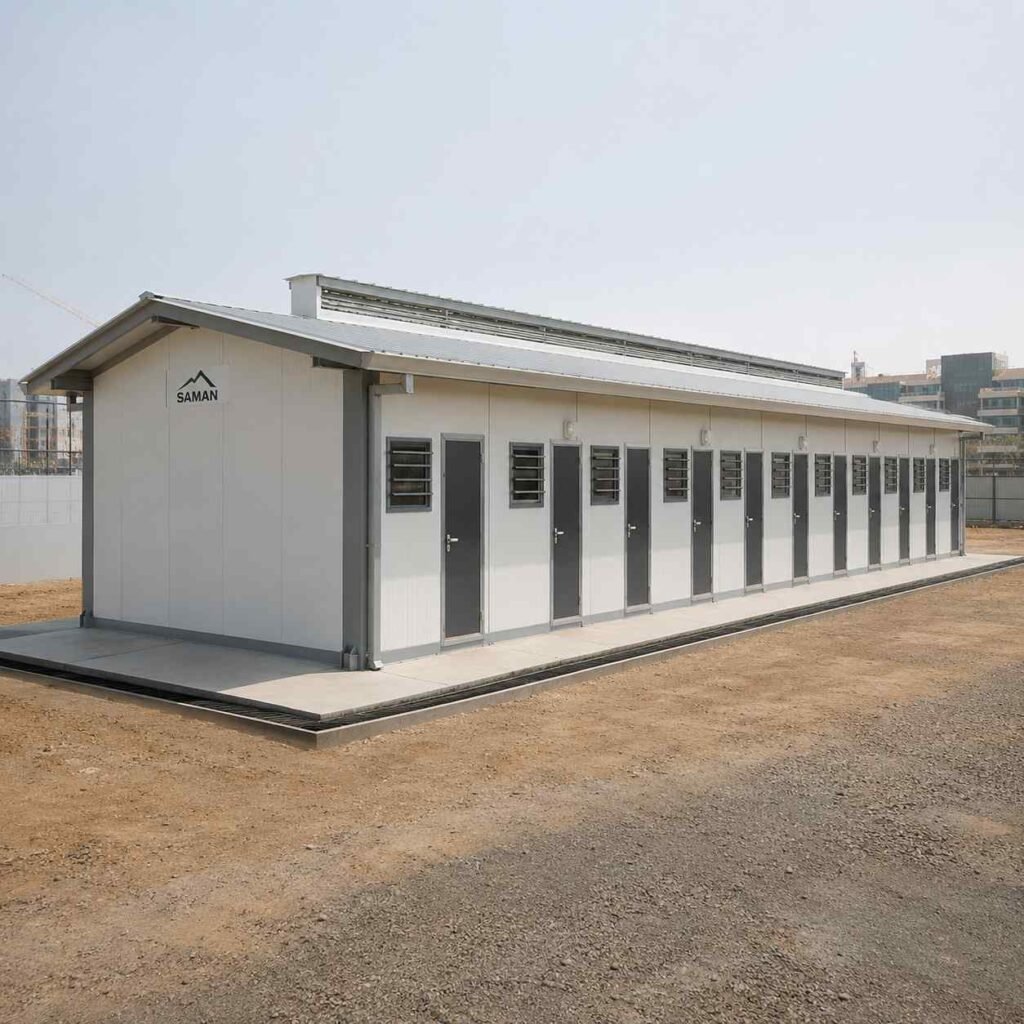
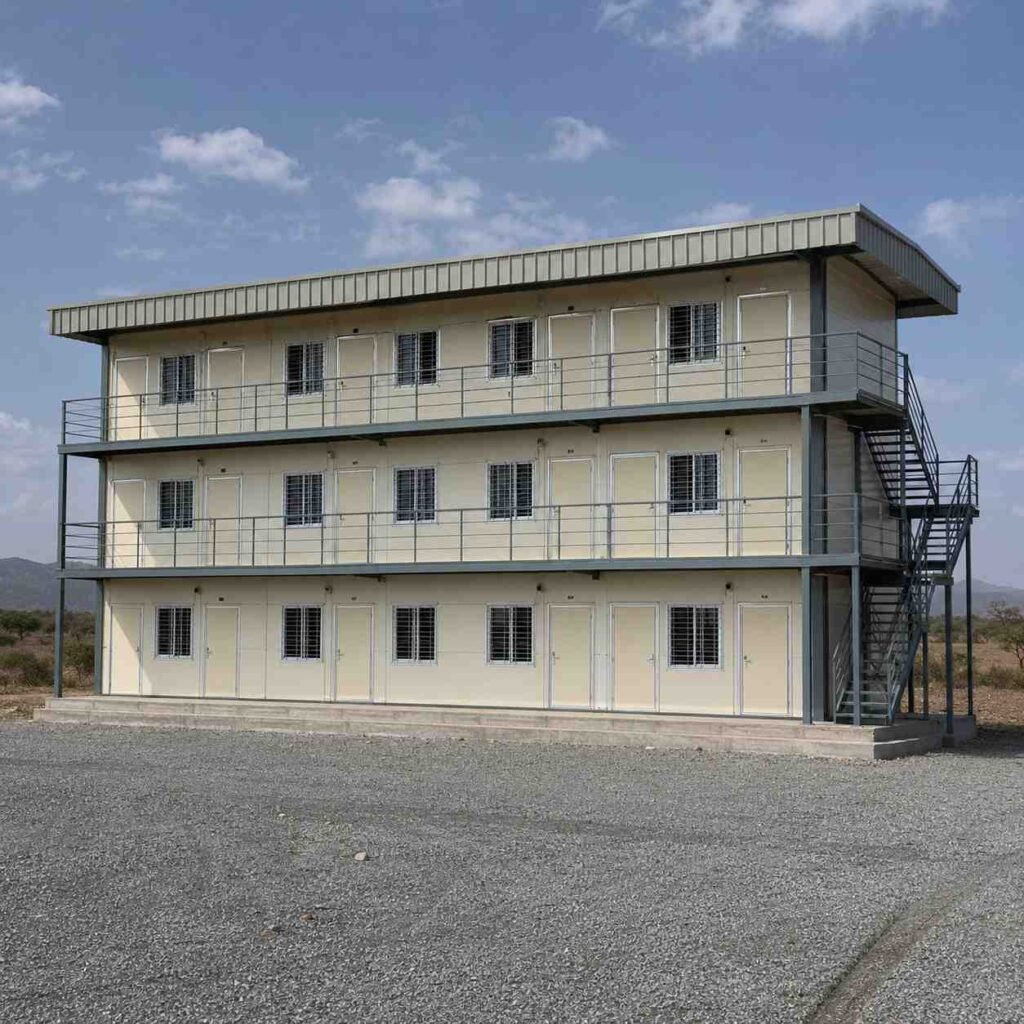
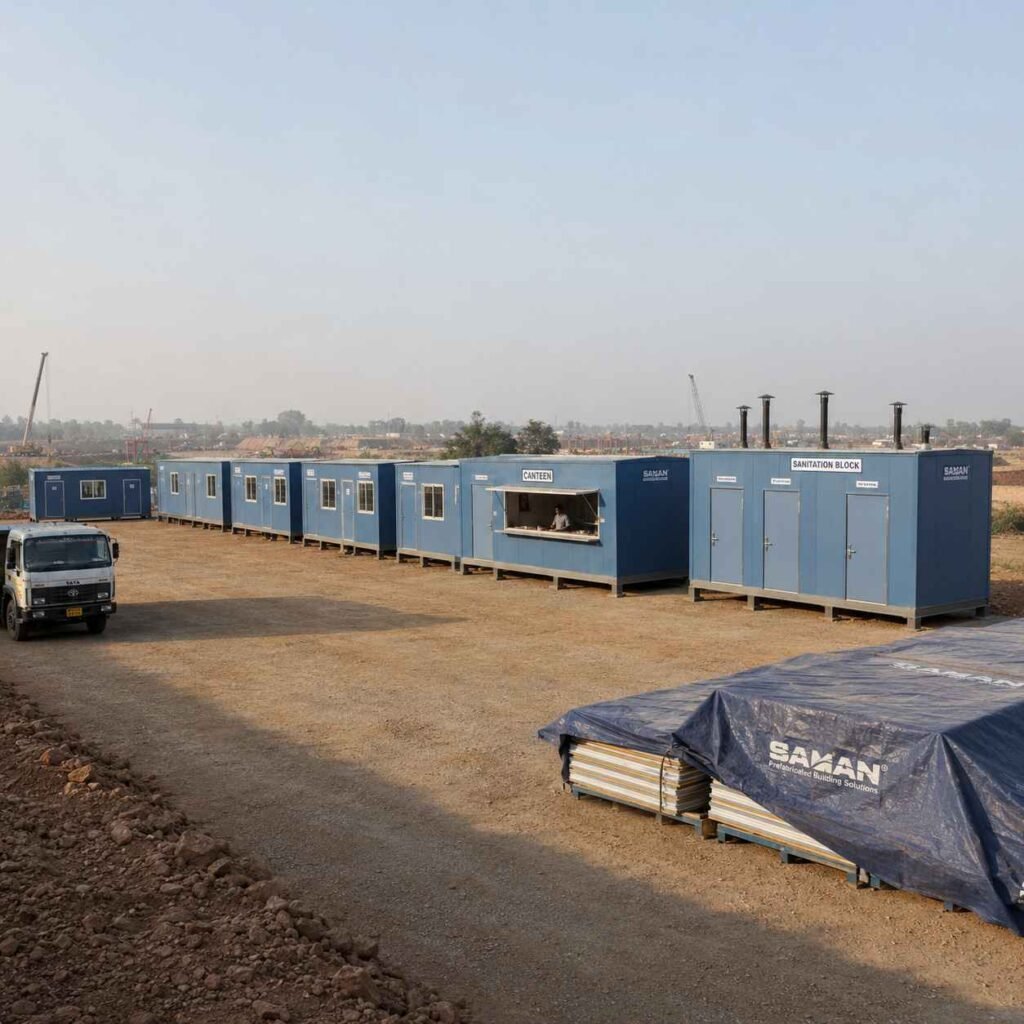
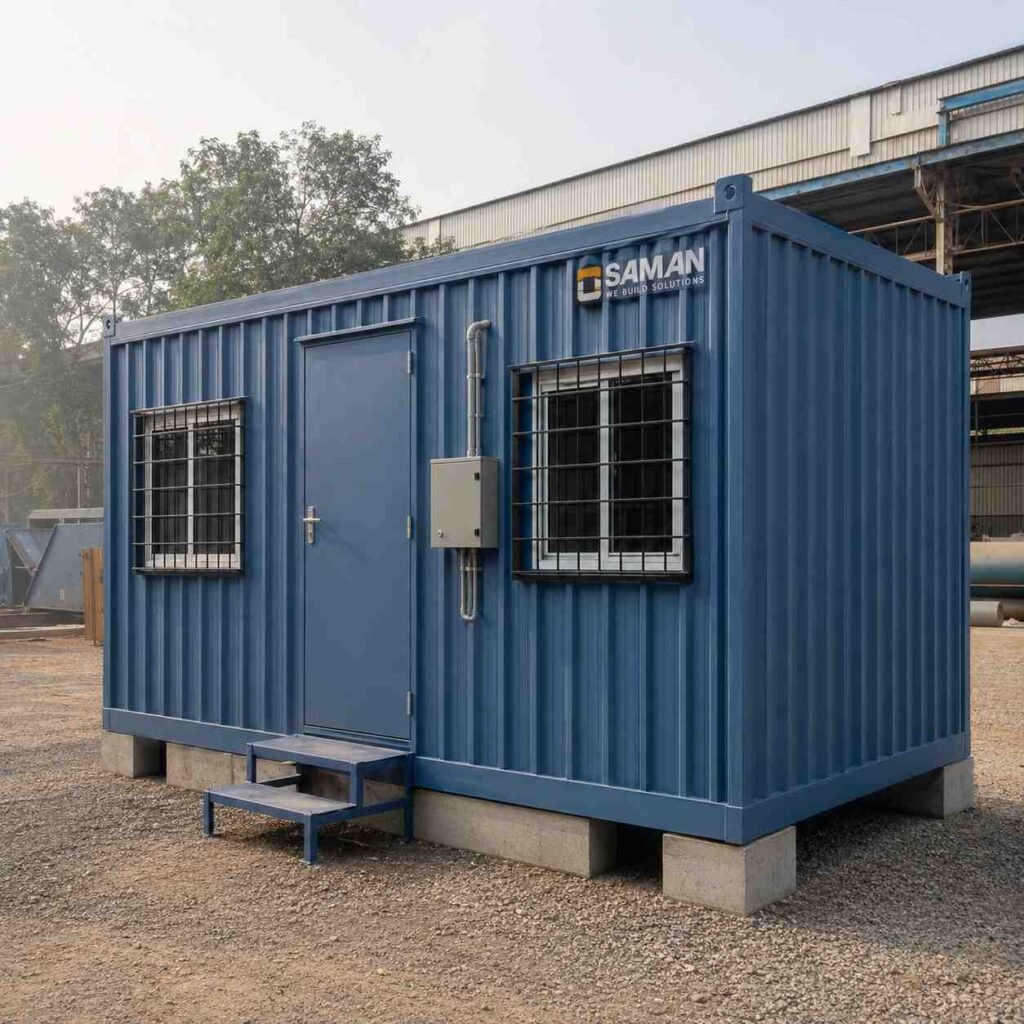
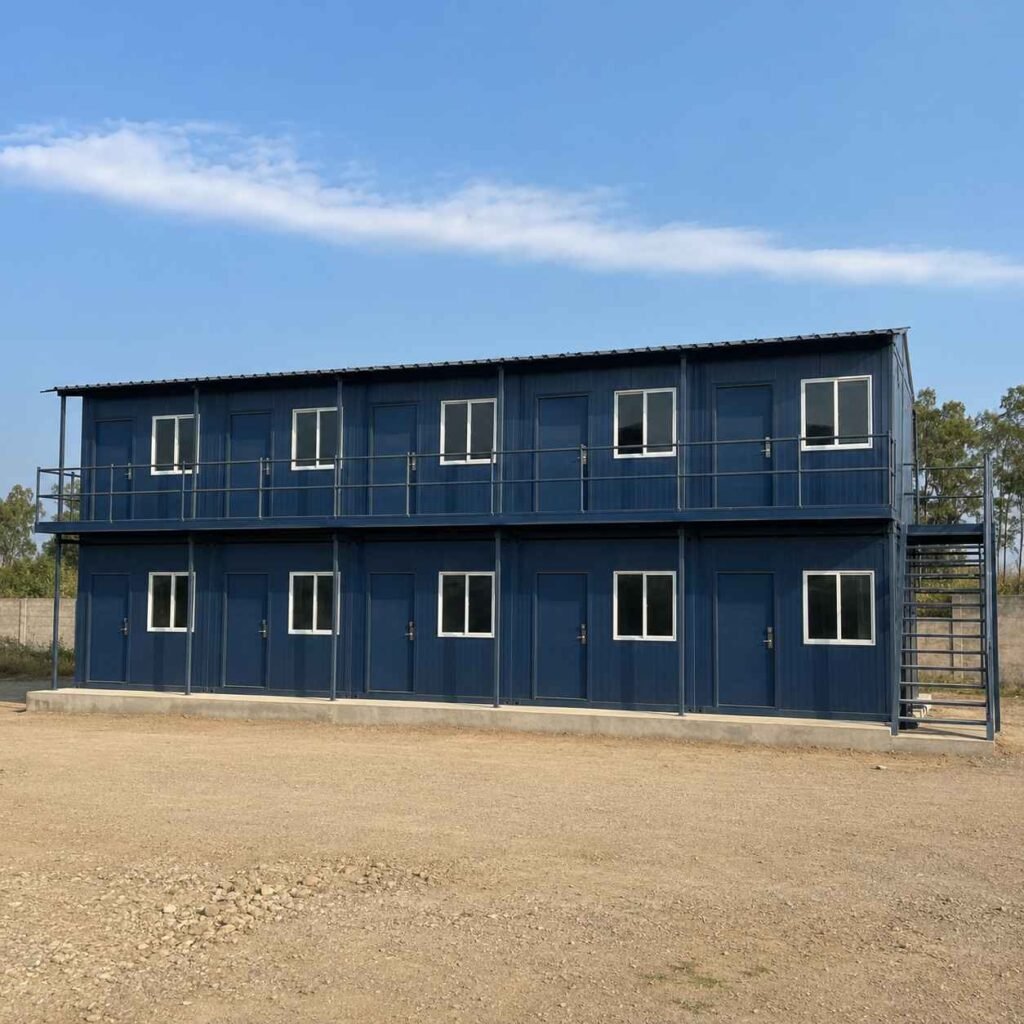
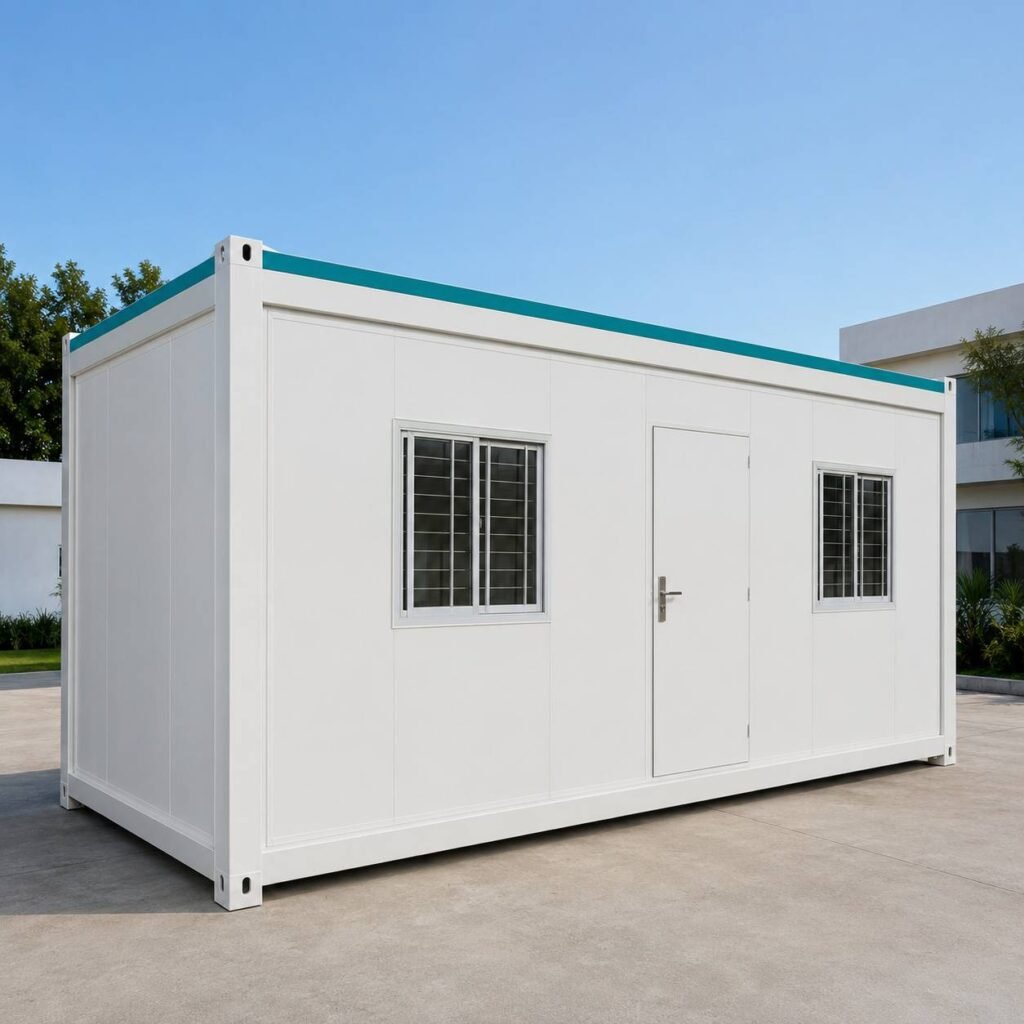
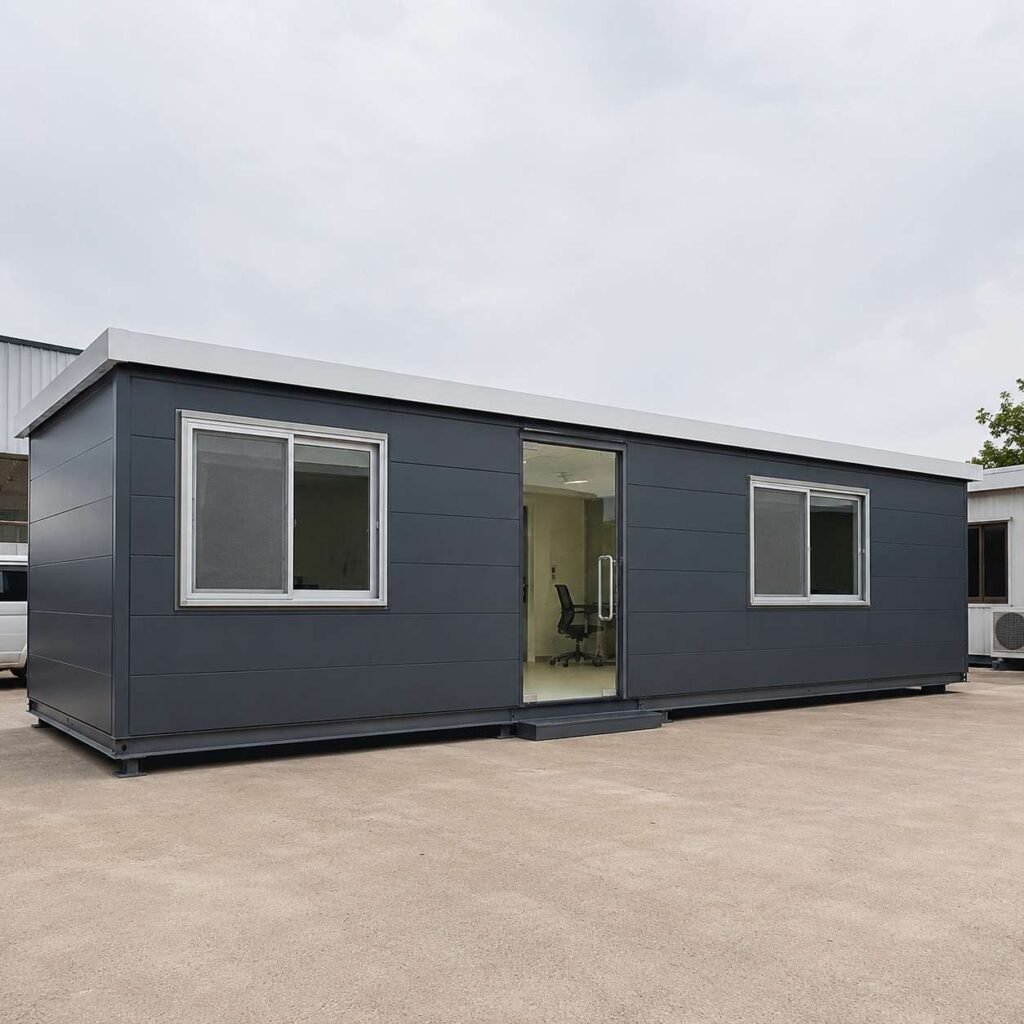

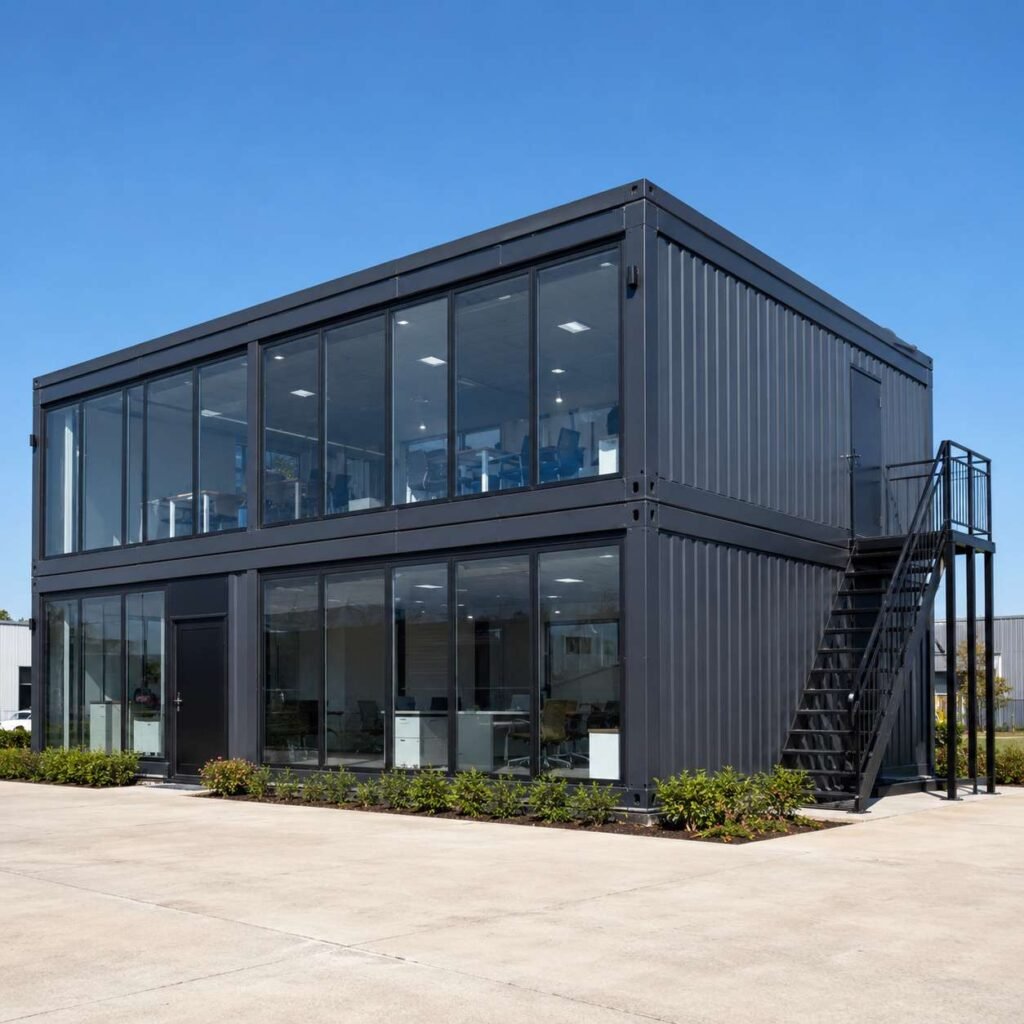
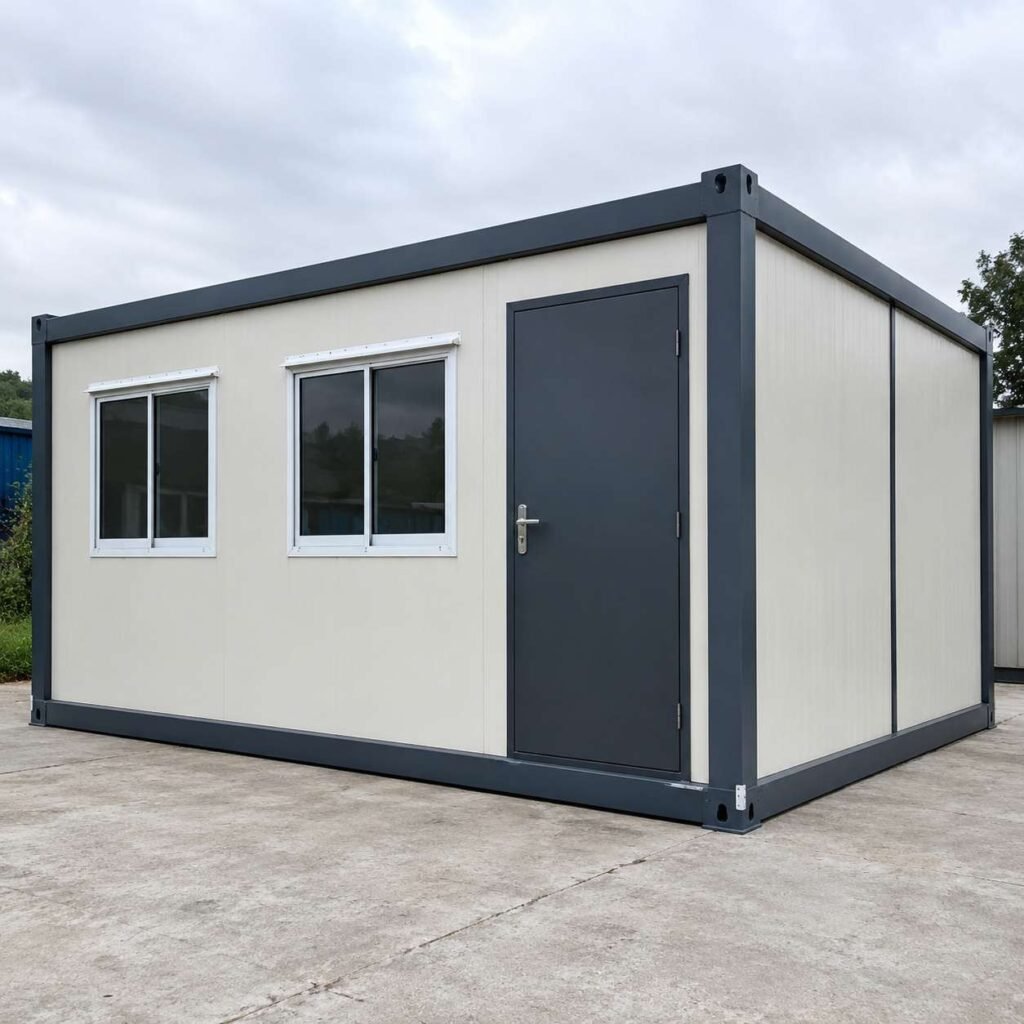
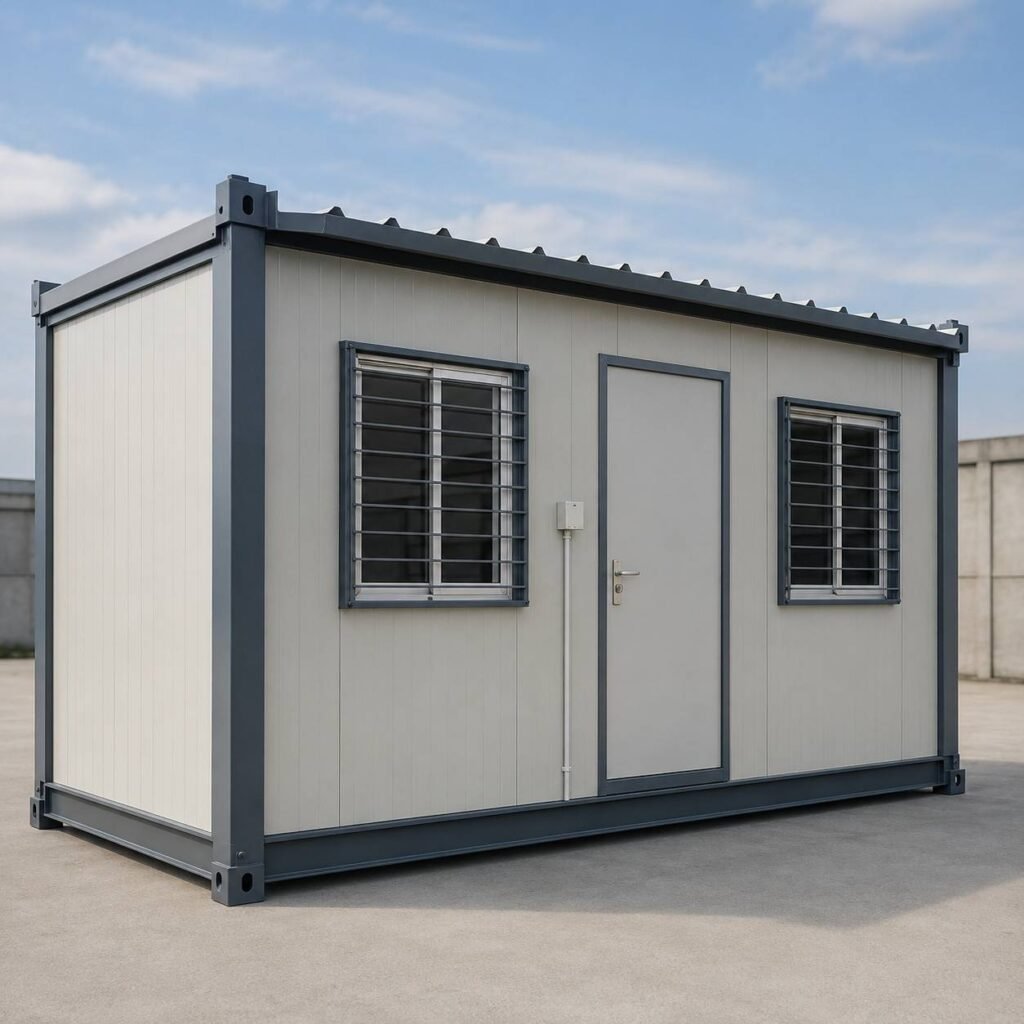

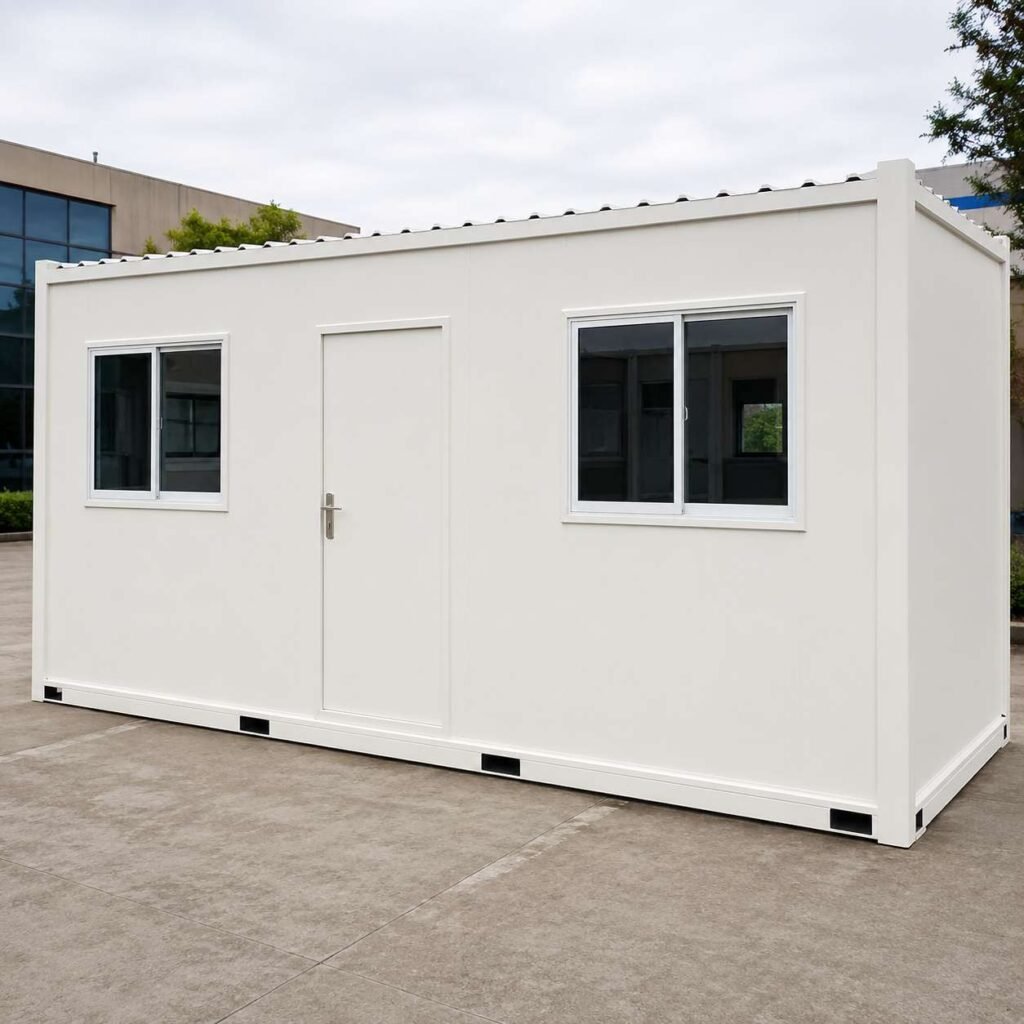

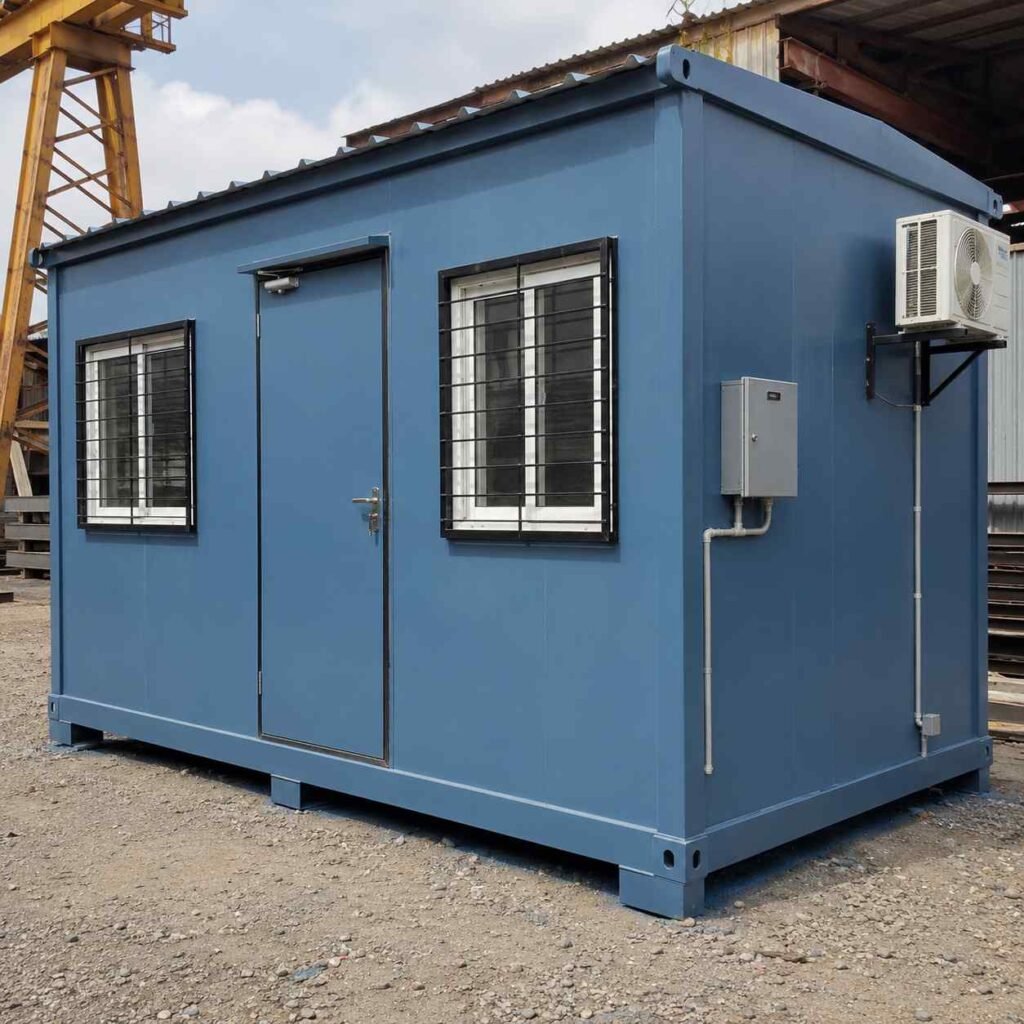
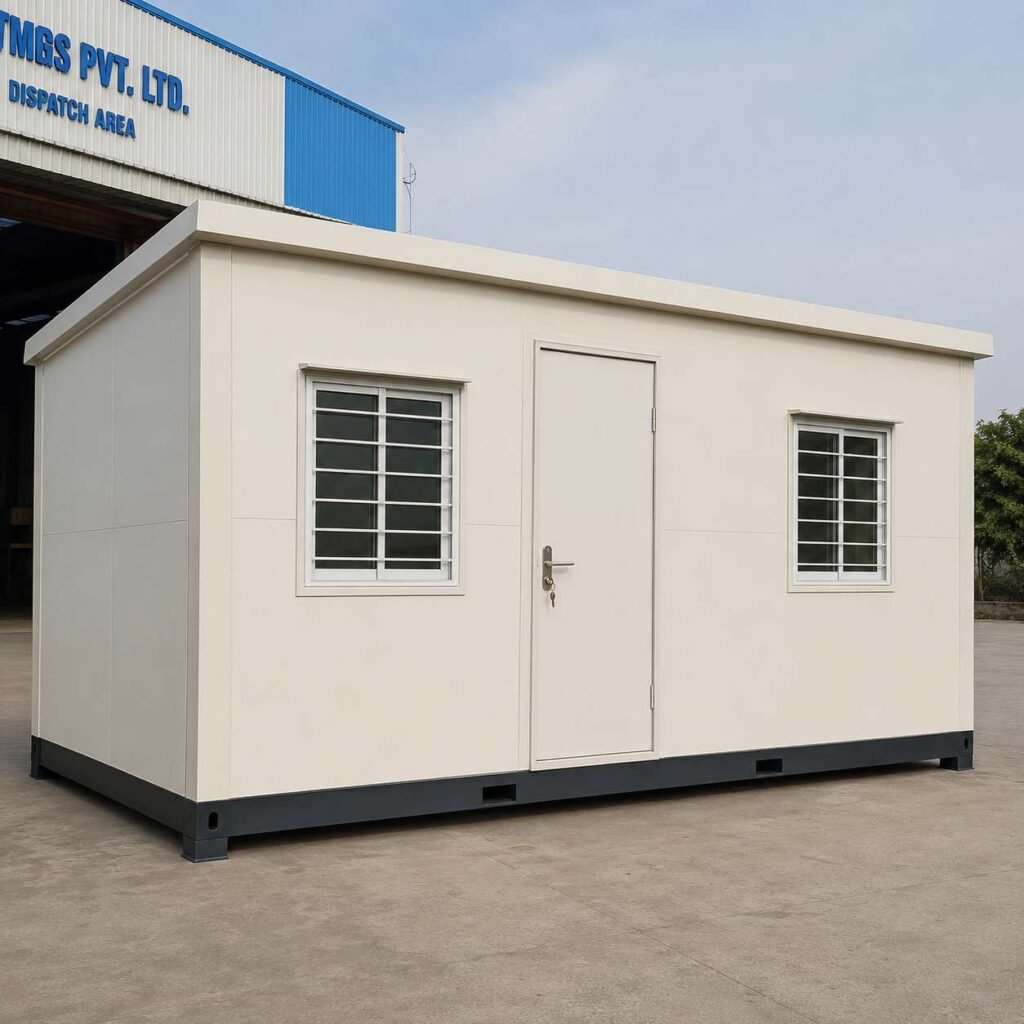
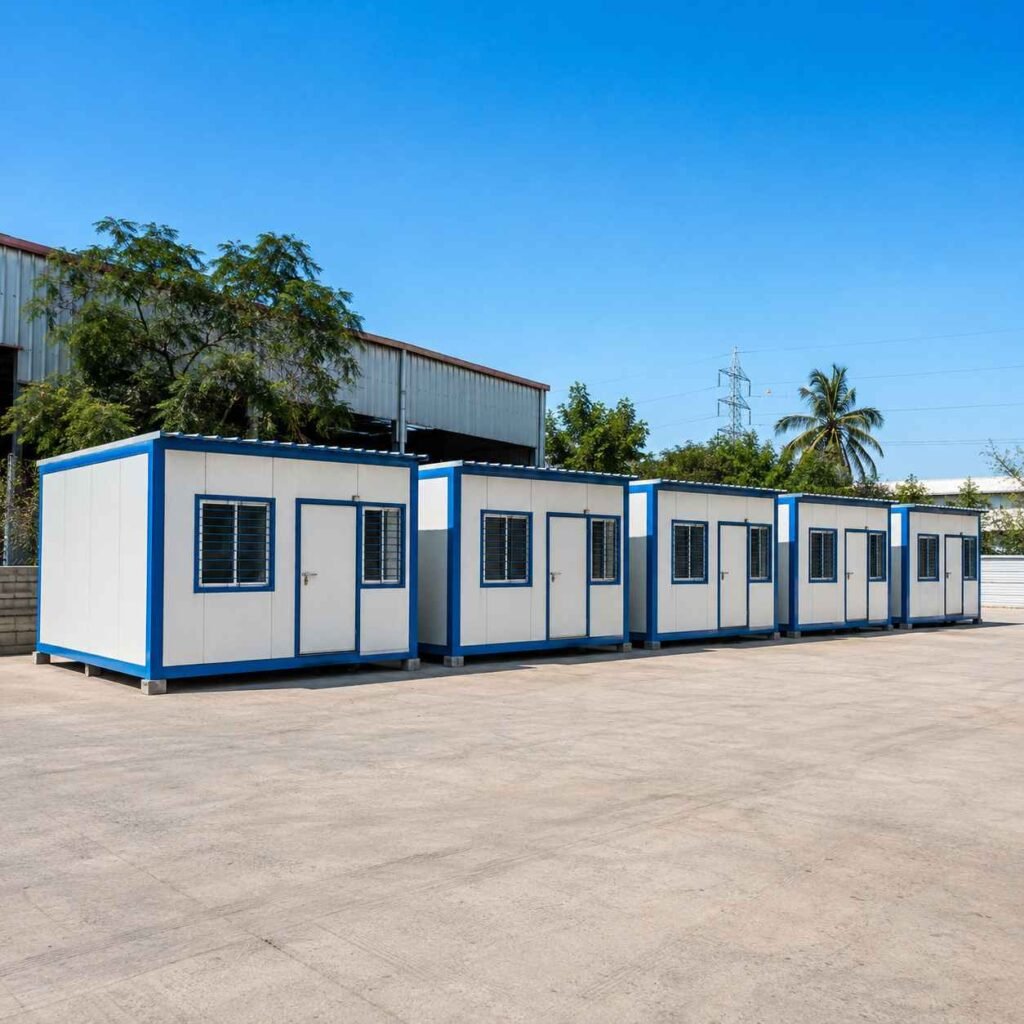
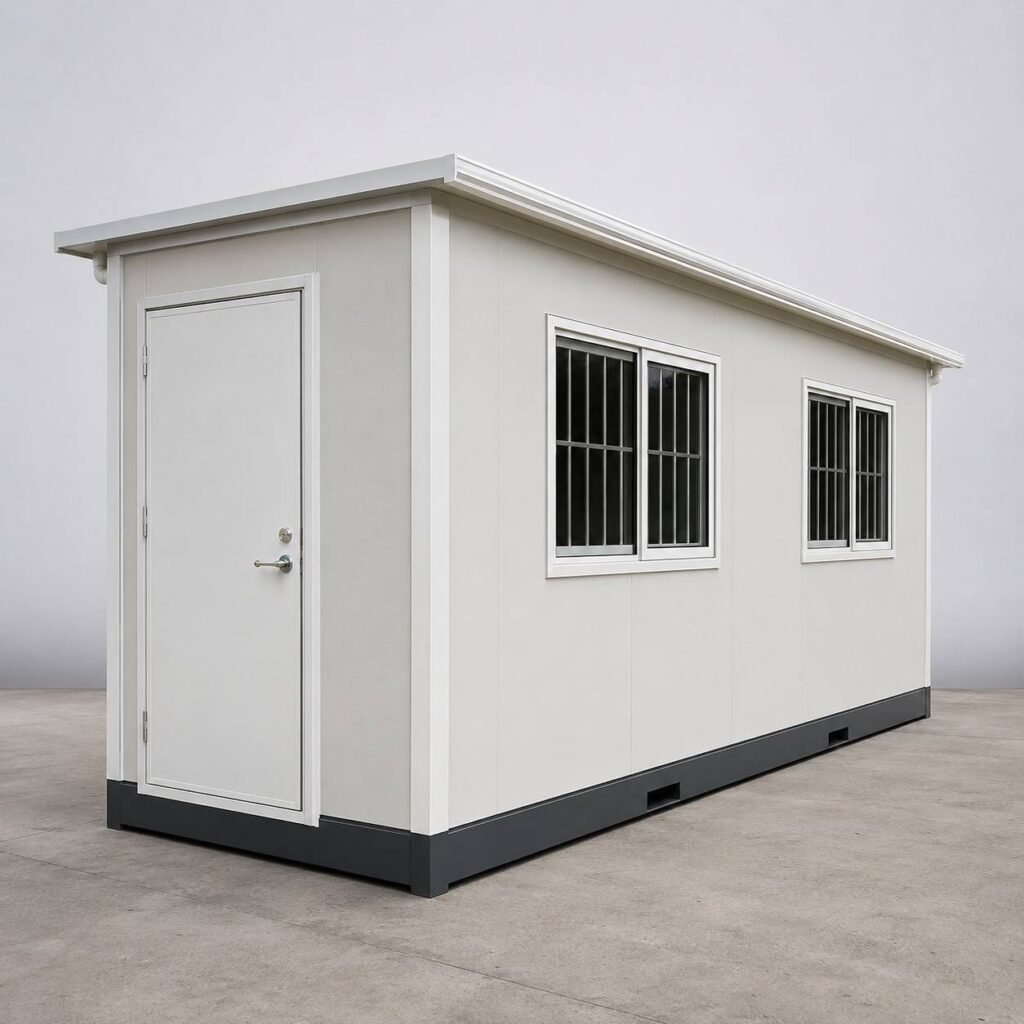
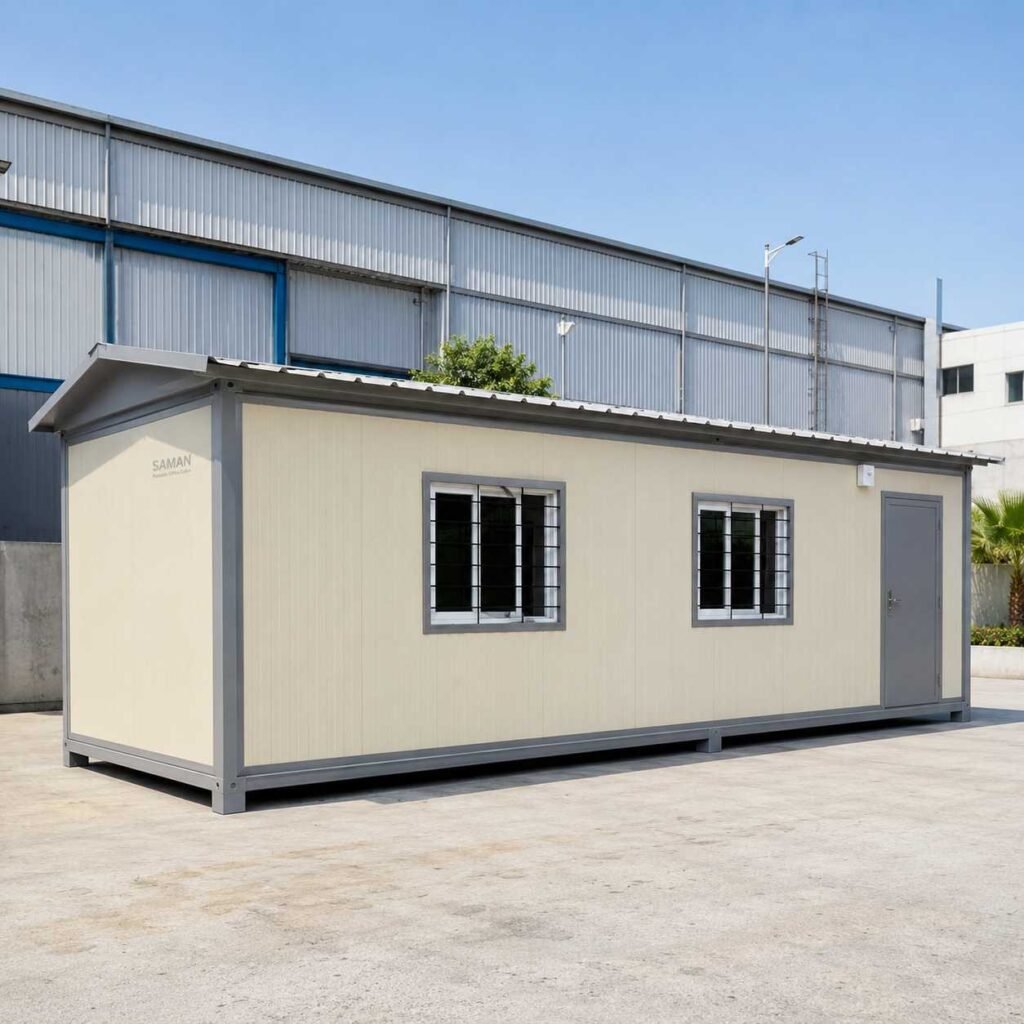
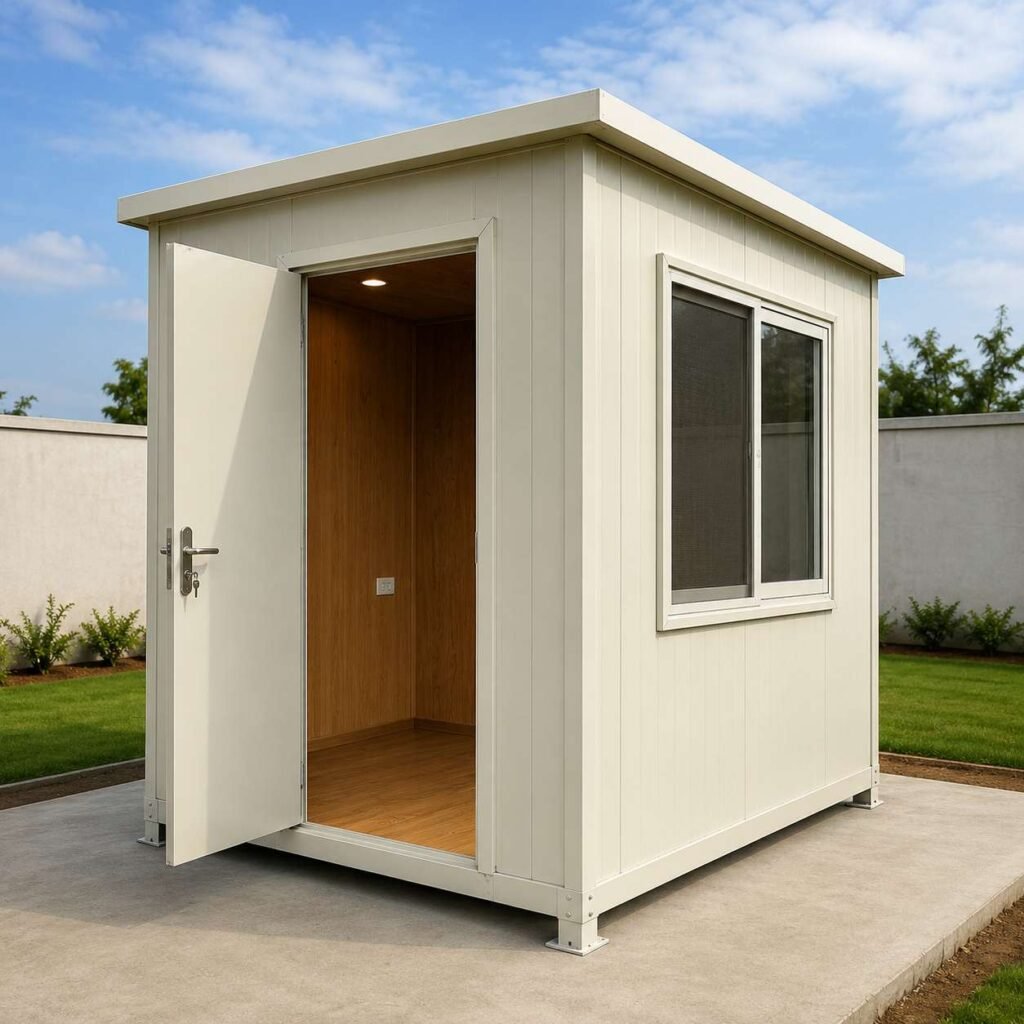


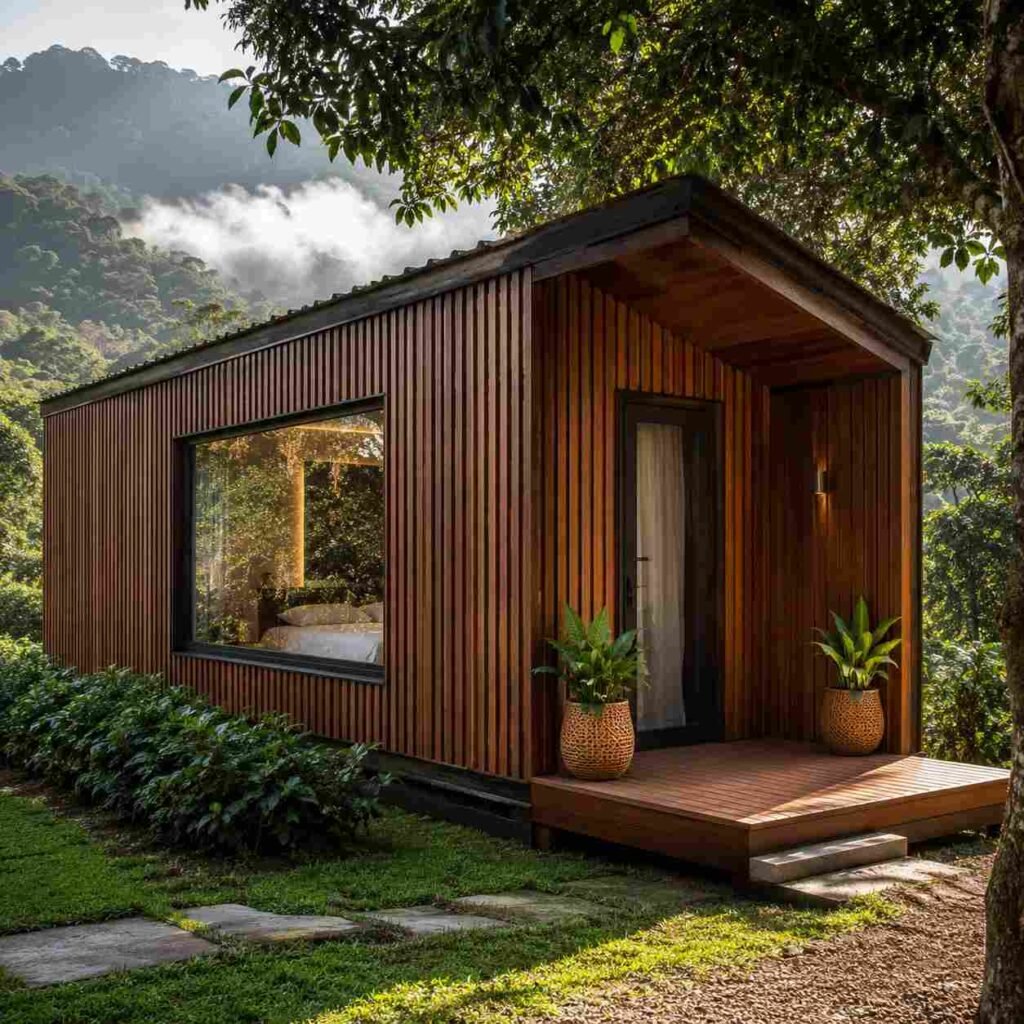






Readymade Office Cabin Price: Best Budget Models for Workspaces


Why Price Matters in Portable Workspaces
In today’s fast-moving industries, businesses must balance growth with efficiency. When setting up a new site or expanding operations, one question always arises—how to create functional workspaces quickly without overspending. This is where readymade office cabin price redefines budgeting. These modular, pre-engineered spaces combine speed, quality, and affordability, giving companies a smarter path to establish operations anywhere in India or abroad.
Unlike traditional construction, which ties up resources for months, portable cabins minimize cost by reducing labor, materials, and approval timelines. Instead of spending on land development, curing time, and multiple contractors, a pre-built cabin arrives ready for installation. The cost advantage becomes visible from the first day it’s delivered.
1.1 Understanding the Economics of Prefab Workspaces
Price is never just about the sticker number; it reflects design efficiency, materials used, and manufacturing standards. A prefab cabin’s price per square foot often ranges between ₹1,000 and ₹2,500 depending on finishes, insulation, and structural design.
| Factor | Impact on Cost | Explanation |
|---|---|---|
| Material Type | High | Steel and PUF panels increase durability but raise initial costs slightly. |
| Insulation & Comfort Features | Moderate | Thermal panels, false ceilings, and AC provisions improve energy efficiency. |
| Design Complexity | Variable | More partitions and multi-storey layouts mean extra fabrication hours. |
| Mobility Features | Low to Moderate | Detachable frames and forklift points simplify relocation but add hardware. |
| Customization & Branding | Variable | Paint, logo, furniture or interior finish customization affect final price. |
According to Research and Markets, India’s prefabricated building market is projected to grow steadily due to increasing demand for fast-deployment commercial spaces. Companies realize that time saved during construction translates into direct financial gain.

1.2 Comparing Traditional vs. Prefabricated Setup Costs
Traditional buildings require architectural design fees, foundation work, and long approval chains. Each stage adds overheads. Prefabricated cabins skip most of these steps, offering predictable pricing and timeline certainty.
| Parameter | Traditional Construction | Readymade Office Cabin |
|---|---|---|
| Project Timeline | 6 – 12 months | 7 – 15 days |
| Workforce Needed | 25 – 40 people | 6 – 8 fabricators |
| On-site Preparation | Extensive (RCC, brickwork) | Minimal (levelled surface only) |
| Cost Overrun Risk | High (20 – 30 %) | Low (< 5 %) |
| Portability | Fixed | Fully relocatable |
The WBDG guide on modular construction highlights how controlled factory manufacturing eliminates the inefficiencies of open-site building. This controlled process directly translates into consistent pricing and higher quality.
1.3 The Hidden Value of Time and Mobility
In modern projects, time is often costlier than cement or steel. Prefabricated cabins reduce downtime by offering plug-and-play workspaces that arrive fully finished. Within a day of delivery, teams can start working. This speed creates hidden savings through:
Faster revenue start-up for project offices.
Reduced equipment idle time on construction sites.
No need for temporary rental spaces.
Simplified relocation when projects shift sites.
The result is a leaner operation with fewer fixed assets and greater mobility. As McKinsey’s report on modular construction notes, industries adopting modular design achieve up to 50 % faster project completion and 20 % cost savings over traditional methods.
1.4 Breaking Down Cabin Price Structure
Each readymade office cabin’s price is influenced by its core structure, fit-outs, and delivery charges. Understanding these elements helps business owners plan budgets more accurately.
| Component | Percentage of Total Cost | Typical Price Range (₹) |
|---|---|---|
| Base Steel Frame | 30 % | 60,000 – 90,000 |
| Wall & Roof Panels (PUF/ACP) | 25 % | 50,000 – 80,000 |
| Electrical & Lighting | 10 % | 20,000 – 40,000 |
| Interiors (Floor, Partition, Furniture) | 20 % | 40,000 – 70,000 |
| Transport & Installation | 15 % | 30,000 – 50,000 |
These proportions vary based on location and customization. For instance, a 20×10 ft unit in Bangalore may cost more than a similar unit in Coimbatore due to logistics and site access.
1.5 Regional Cost Influences
India’s diverse geography affects pricing more than most realize. In metros like Bangalore and Mumbai, steel and transport charges tend to be higher, while states like Tamil Nadu or Telangana benefit from shorter supply chains. Weather conditions also play a role—humid zones require extra anti-rust treatment, increasing base cost slightly. The goal is not to find the cheapest option but the most cost-efficient one over time.
1.6 Balancing Affordability with Longevity
Cheaper does not always mean better. Businesses seeking long-term value should look beyond initial price tags and focus on life-cycle costs — maintenance, resale value, and operational savings.
A basic MS-sheet cabin might cost ₹1,100 per sq ft, but a PUF-panel model at ₹1,700 per sq ft can save 30 % on energy bills each year. Over five years, the energy savings alone offset the higher initial investment.
Example Comparison Table
| MS Sheet Cabin | PUF Panel Cabin | |
|---|---|---|
| Initial Cost (₹/sq ft) | 1,100 | 1,700 |
| Energy Efficiency | Low | High (Insulated Panels) |
| Maintenance Cycle | Every 6 months | Every 12 months |
| Avg. Lifespan | 12 years | 20 + years |
| 5-Year Total Savings | — | ≈ ₹70,000 |
This simple calculation shows why premium materials create long-term affordability.
1.7 Why Transparent Pricing Matters
Many vendors avoid sharing clear pricing online. At SAMAN Portable, we publish transparent rates and specifications so clients can compare models before ordering. Transparency builds trust and prevents hidden charges in logistics or fit-outs. It also helps businesses plan finances with confidence.
Checklist for Evaluating Cabin Quotes:
Ask for a complete BOQ with material specifications.
Verify delivery timeline and onsite installation costs.
Ensure tax and transport charges are itemized.
Confirm warranty coverage on structure and paint.
These checks guarantee the price you pay reflects the product you get.
1.8 Case Insight — ROI of Modular Investment
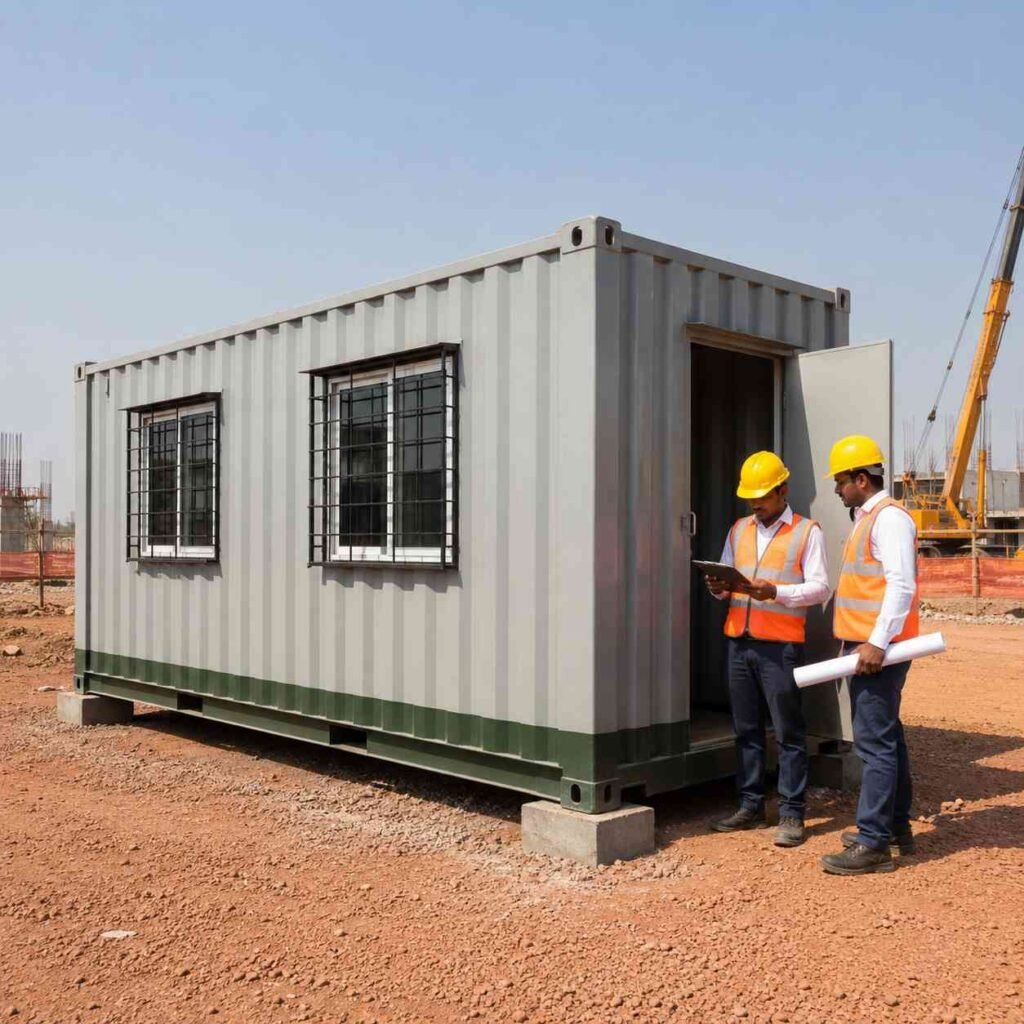
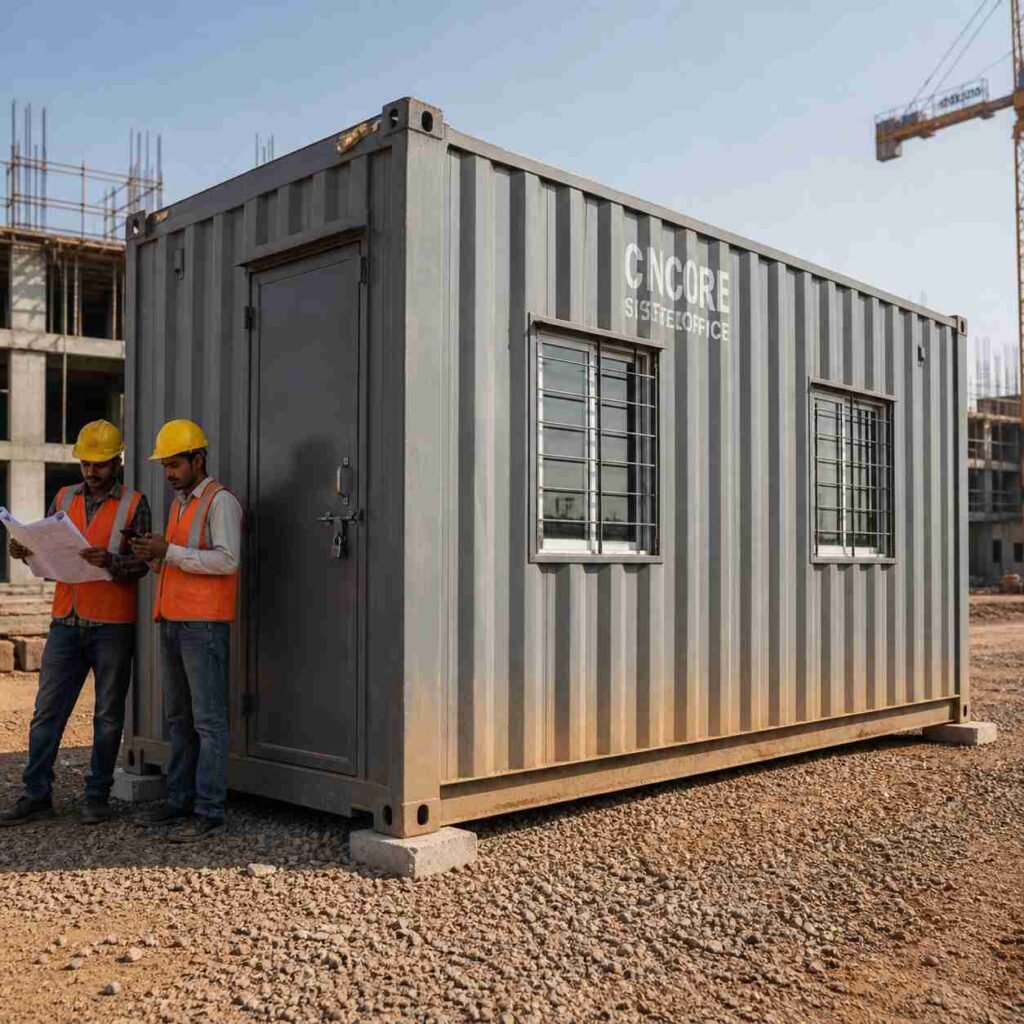
A construction firm in Hyderabad switched from rented offices to a prefabricated setup. Their total investment was ₹5.2 lakh for a 30×10 ft cabin. They recouped costs in just eight months through saved rent and reduced travel expenses. Over five years, they saved ₹14 lakh — a 2.7× ROI.
This is the hidden power of prefab pricing — short payback and long-term returns.
1.9 The Bigger Economic Picture
According to the Research and Markets report, the global prefabricated building industry is projected to grow at over 6 % CAGR between 2024 and 2030. India’s share is rising steadily, driven by industrial expansion and infrastructure development. This trend ensures price stability and supply chain resilience, benefiting buyers nationwide.
The prefab industry is shifting from project-based to product-based thinking, as highlighted by McKinsey’s analysis. This transition means each new design iteration reduces production costs through scale and innovation — just like the automobile industry.
1.10 Conclusion — Smart Pricing for Smarter Growth
When evaluating readymade office cabin prices, businesses should look beyond numbers. The real value lies in speed, adaptability, and operational savings. Whether you run a construction firm, startup, or industrial unit, prefabricated cabins let you scale sustainably without huge overheads.
Final Tip: Use online tools and reports from sources like WBDG and Research and Markets to understand industry trends before finalizing a purchase. And when ready, visit SAMAN Portable’s pricing page to compare transparent models and get a custom quotation.
These insights help companies make smarter financial decisions while building faster, leaner, and greener workspaces.

Understanding Portable Office Cabins: Modern Workspace Innovation
Portable office cabins represent a major shift in how India’s industries view workspace design. Instead of waiting months for brick-and-mortar construction, companies now set up fully functional offices in just days. These prefabricated cabins combine smart engineering with flexibility, making them ideal for fast-moving sectors such as construction, logistics, and infrastructure.
Why Portable Office Cabins Are Gaining Popularity
Businesses today want freedom—spaces that grow, move, and adapt. Portable cabins deliver that flexibility without sacrificing comfort or aesthetics. From remote project sites to urban office extensions, these units allow seamless scaling as teams expand or shift operations. Their modular build also cuts costs, reduces waste, and meets India’s growing demand for sustainable infrastructure.
Key Benefits
Quick Deployment: Ready for use within days, not months.
Low Maintenance: High-grade steel and insulated panels extend lifespan.
Scalable Layouts: Easily expandable through plug-and-play modules.
Reusable Structure: Units can be relocated without construction loss.
These benefits have positioned portable office cabins as a smarter alternative to traditional spaces—offering flexibility, affordability, and mobility in one package.
Types of Portable Office Solutions in India
At SAMAN Portable, we manufacture a diverse range of modular workspace solutions tailored to various business applications:
| Type | Best Use Case | Key Feature |
|---|---|---|
| Office Containers | Long-term project or corporate office | Fully insulated steel body with electrical fittings |
| Security Cabins | Entry gates, factories, residential complexes | Compact, high-visibility design with secure windows |
| Portable Toilet Cabins | Construction sites, events, remote areas | Hygienic, water-sealed, easy-to-relocate |
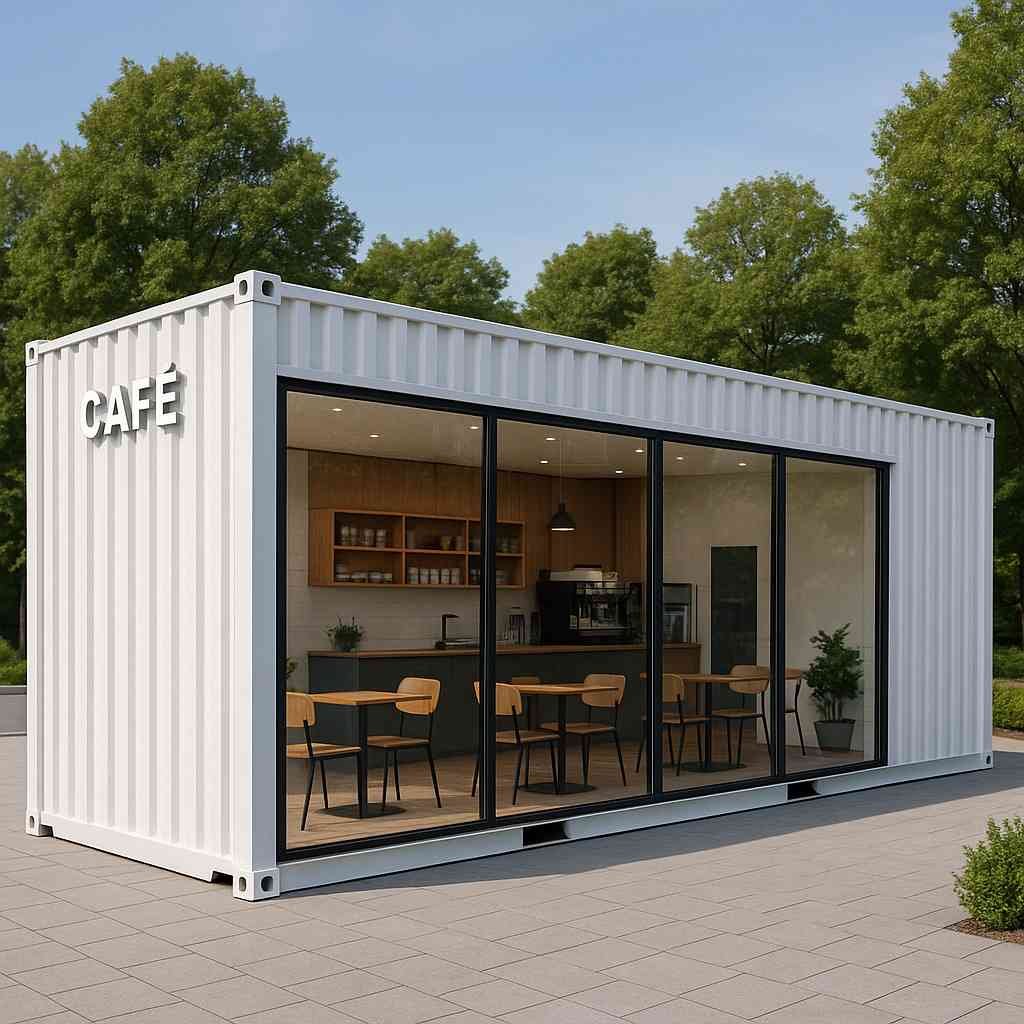
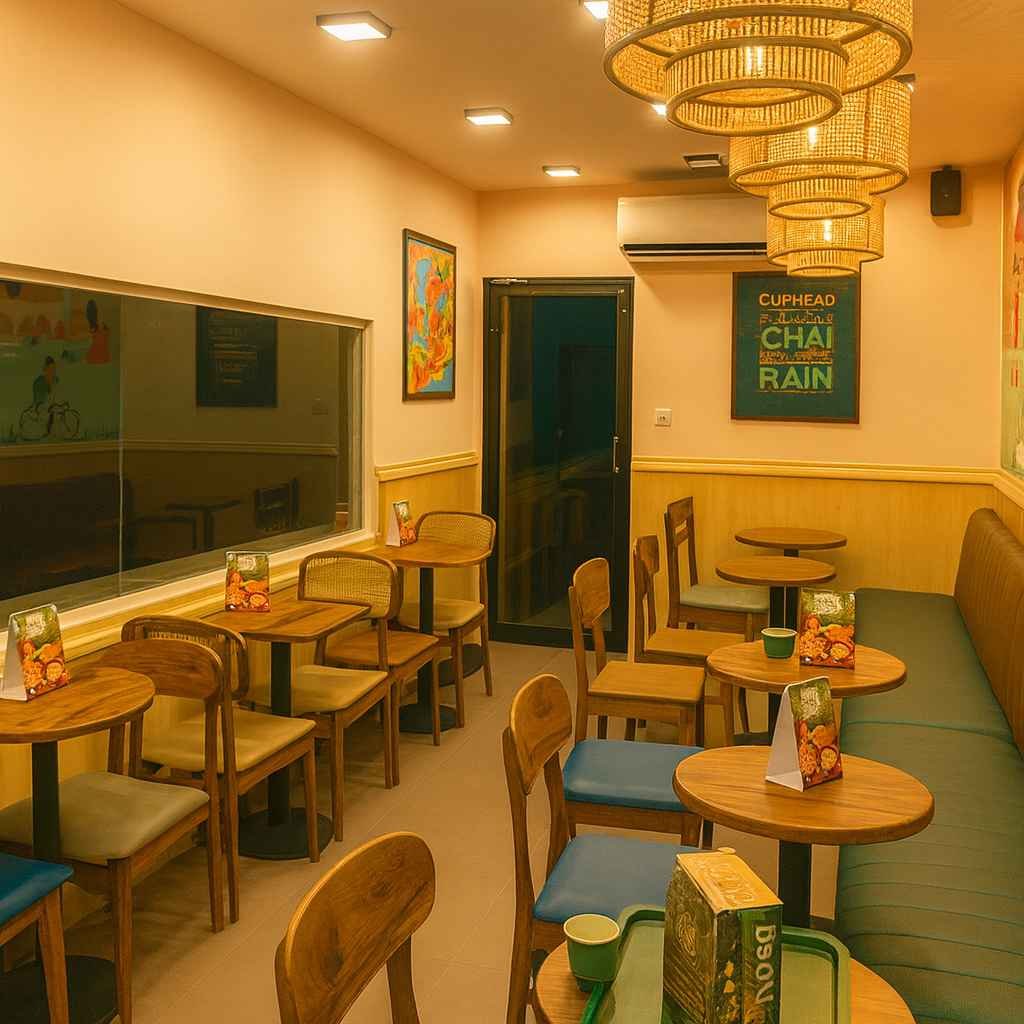
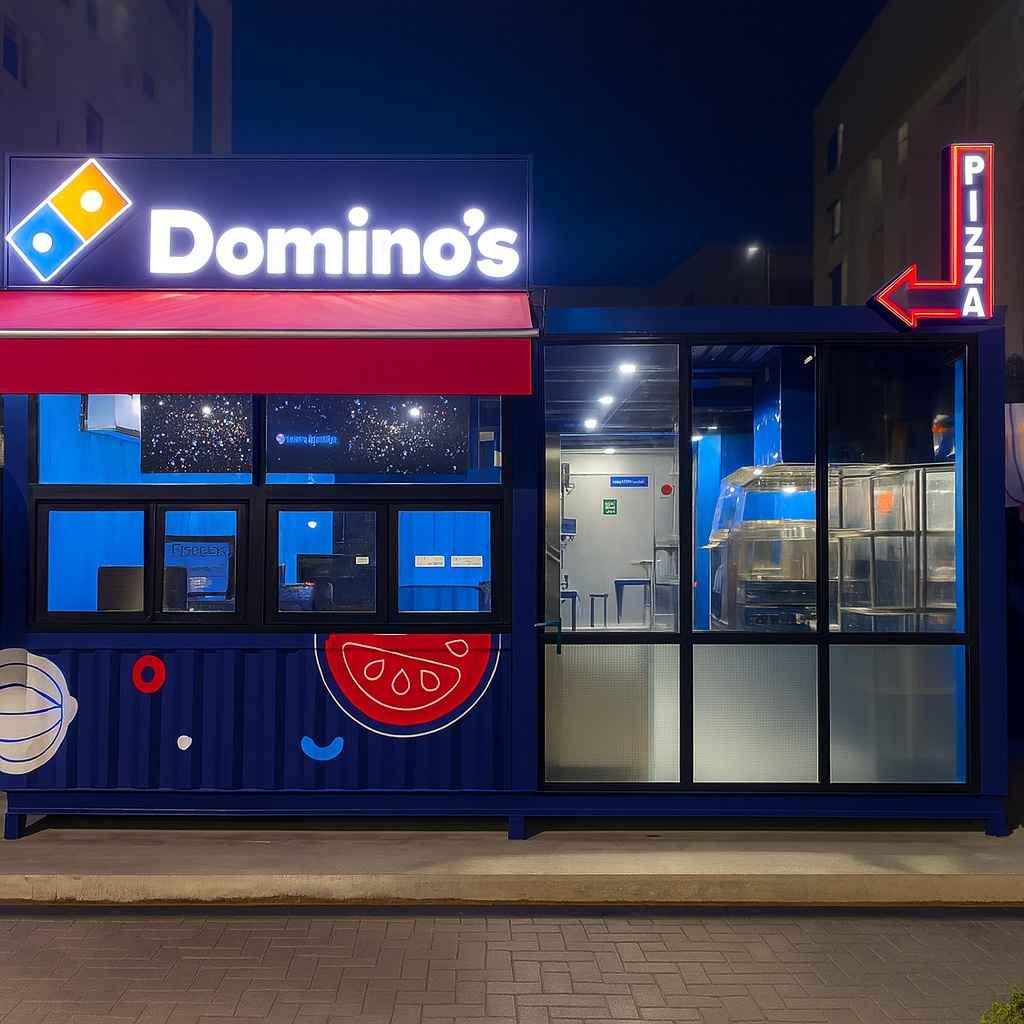
| Container Cafés & Shops | Food, retail, or pop-up outlets | Stylish interiors, AC, and customer-friendly layouts |
| Portable Meeting Rooms | Small businesses and site teams | Ergonomic furniture with sound insulation |
These modular types are versatile and customizable—built to meet India’s dynamic business conditions and diverse climatic zones.
The Construction Strength Behind Every Cabin
Each cabin is built on a robust MS steel frame, with PUF-panel insulation for temperature control. The walls resist corrosion, and the flooring is reinforced with 18 mm marine plywood or bison board. Proper wiring, ventilation, and finishing ensure the same comfort as a permanent building.
Pro Tip: Portable cabins last over 20 years with minimal upkeep. A simple annual repaint and sealant inspection keep them fresh and weatherproof.
For an in-depth comparison of how portable cabins stack up against conventional buildings in terms of cost, durability, and lifecycle value, read our guide
👉 Porta Cabins vs Traditional Buildings.

Key Components and Build Quality: What Makes Our Portable Cabins Last Longer
A portable office cabin isn’t just a steel box — it’s a precision-built structure engineered for endurance, comfort, and safety. Every detail matters, from the base frame to the final finish. At SAMAN Portable, we design each cabin to perform like a permanent workspace while remaining easy to transport and re-install.
1. Structural Strength
Our cabins use mild-steel (MS) pressed channels as the main framework. This skeletal frame distributes load evenly, ensuring no warping or bending during relocation or long-term use.
| Component | Specification | Purpose |
|---|---|---|
| Base frame | MS “C” Channel 100 × 50 mm | Provides rigid structural base |
| Cross members | 75 × 40 mm MS channel | Enhances floor stability |
| Roof frame | MS square pipe 50 × 50 mm | Withstands heavy rain & wind load |
| Corner posts | 100 mm MS angle | Strengthens all vertical corners |
This frame design allows each cabin to withstand years of exposure without losing alignment or stability.
2. Wall and Roof Cladding
The outer skin defines durability and aesthetics. We use PUF-panel cladding or PPGI-sheet walls, depending on the project’s need for insulation or visual appeal.
PUF panels (40–60 mm) = superior thermal insulation, ideal for air-conditioned cabins.
PPGI sheets = cost-efficient, rust-resistant, and available in multiple RAL colors.
Two-way sloped roof = efficient rainwater runoff and longer roof life.
Durability Tip: Apply PU-paint every 5 years for lasting corrosion resistance.
3. Interior Finish and Comfort
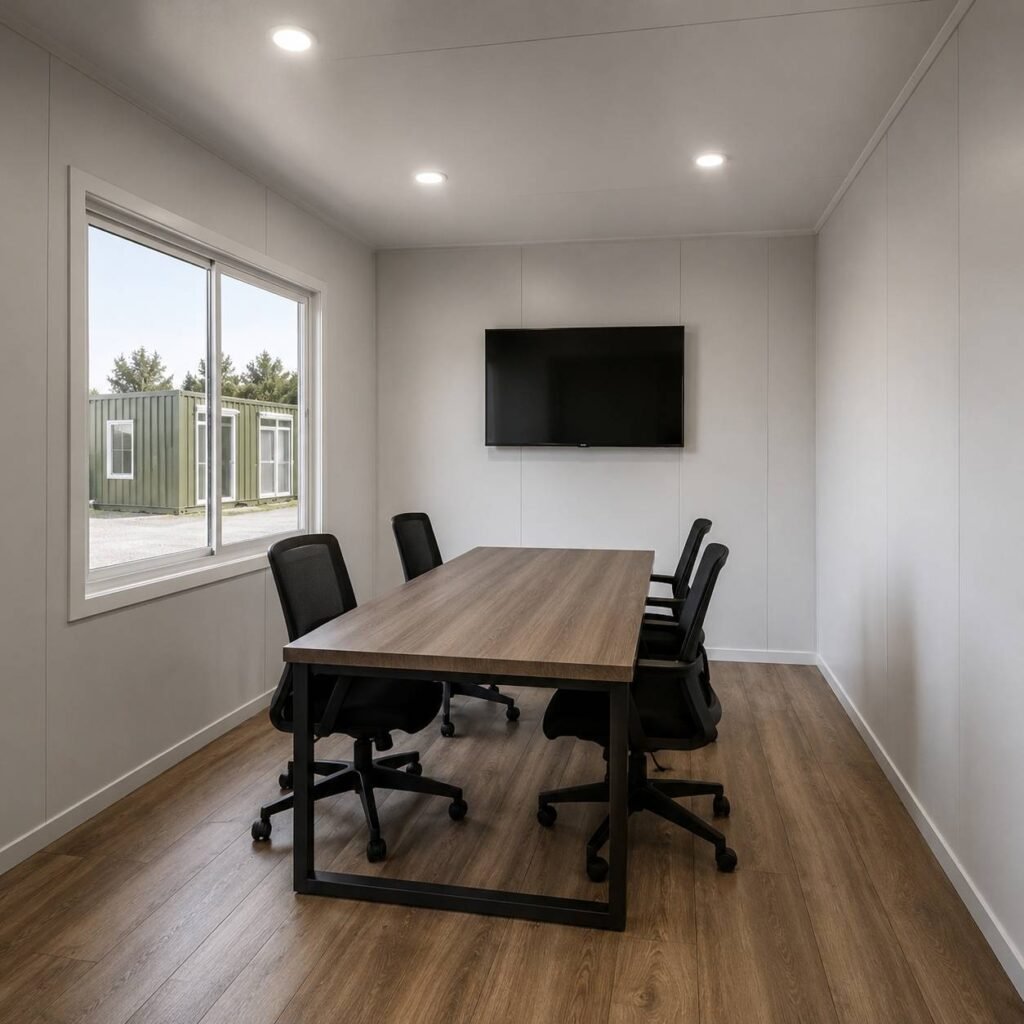
Inside, the cabins resemble a clean corporate office — not a makeshift site structure. Interiors include MDF wall panels, anti-skid vinyl flooring, and concealed electrical wiring.
| Feature | Material / Detail |
|---|---|
| Flooring | 18 mm bison board with vinyl finish |
| Wall panels | 9 mm MDF pre-laminated sheets |
| False ceiling | White grid type for better lighting reflection |
| Windows | uPVC framed with 4 mm toughened glass + MS grill |
| Door | Standard 7 ft × 3 ft flush door with lockset |
These finishing materials not only add elegance but also maintain indoor comfort across seasons.
4. Electrical and Plumbing Integration
Each cabin is pre-wired for single-phase 250 V AC supply and can easily connect to site power. Optional plumbing and drainage allow for pantry or toilet integration — a must for long-term site offices.
Standard inclusions
Branded copper wiring and MCB-protected circuits
LED tube lights and energy-saving fittings
External power socket for quick site hook-up
Optional water inlet/outlet for wash area or toilet use
5. Factory-Controlled Precision
All cabins are produced in ISO-certified facilities under strict supervision. Factory fabrication ensures:
Zero material wastage
Consistent quality control
Exact tolerance on welds and joints
Smooth surface finishing ready for delivery
This industrial precision is what differentiates our cabins from low-cost alternatives available in the unorganized market.
To explore how insulation, lighting, and ergonomics affect workplace comfort inside modular cabins, read our detailed guide on
Modern Portable Cabins.

Modern Design & Energy-Efficient Features for Today’s Workspaces
The new generation of portable cabins is built for more than shelter — it’s designed for comfort, sustainability, and smart functionality. At SAMAN Portable, each model blends sleek aesthetics with low-energy systems that help reduce operational costs while improving employee well-being.
1. Ergonomic Interior Planning
Our design process starts with how people actually use space. We study daylight flow, seating comfort, and circulation before finalizing layouts.
Optimized desk spacing ensures better collaboration.
Wide window placement enhances natural light, lowering daytime electricity use.
False-ceiling grids improve air distribution and reduce cooling load.
A well-planned interior doesn’t just look good — it keeps teams focused and productive.
2. Climate Control & Thermal Insulation
India’s diverse climate demands smart insulation. Our cabins combine PUF-panel walls (40–60 mm) with 50 mm roof insulation, creating a thermal barrier that stabilizes indoor temperatures.
| Feature | Benefit |
|---|---|
| Double-layer PUF insulation | Cuts heat gain by 40 % in summer |
| False-ceiling air gap | Improves cooling efficiency |
| Reflective roof coating | Deflects > 75 % solar radiation |
| Tight door-window seals | Prevents air leakage |
These measures reduce dependence on AC units and deliver tangible power savings month after month.
3. Energy-Efficient Lighting & Electrical Systems
Every cabin includes pre-wired electrical lines for plug-and-play operation.
To support sustainability goals, we’ve shifted to all-LED illumination and motion-sensor options for select corporate clients.
Standard electrical inclusions
LED panel or tube lights
Branded modular switches
External weatherproof socket for site power
Optional inverter or solar-ready setup
Integrating these features early means fewer retrofits and lower lifetime costs.
4. Eco-Smart Ventilation & Air Quality
We install cross-ventilation systems that use window alignment and ceiling vents to keep interiors fresh even without mechanical cooling. For longer-term offices, optional exhaust fans or mini HVAC modules maintain air quality during continuous occupancy.
According to WBDG – Site and Modular Construction Explained, optimized ventilation in modular structures can improve worker efficiency by up to 15 % through better air quality and temperature balance.
5. Sustainable Exterior Finish
Exterior coatings use low-VOC paints that resist fading and corrosion. Our powder-coated surfaces stay bright for years, reducing repaint cycles and maintenance waste.
| Coating Type | Expected Life | Maintenance Cycle |
|---|---|---|
| PU industrial paint | 8–10 years | Recoat every 8 yrs |
| Epoxy primer + topcoat | 12 years | Recoat every 10 yrs |
Practical Value
Energy-saving cabins don’t just lower bills — they strengthen ESG scores and reflect a company’s environmental responsibility. Over a 5-year span, our insulated models can reduce electricity consumption by 25–30 % compared with non-insulated site cabins.
Explore more design inspirations in our Modern Cabins collection — built to prove that mobility and style can coexist.

Pricing Analysis & Market Insights: Understanding What Drives Value
Portable cabins are no longer a niche purchase; they’re a mainstream investment in fast-paced infrastructure. To make confident buying decisions, it helps to see how pricing behaves across materials, configurations, and market trends.
1. Industry Growth Snapshot
As per a 2024 Research and Markets report, the global prefabricated building system market is expected to reach USD 192 billion by 2030, growing at a CAGR of 6.3 %.
This rise is fueled by urban expansion, shorter project cycles, and corporate moves toward sustainable construction.
| Region | Market Share (2024) | Growth Drivers |
|---|---|---|
| Asia-Pacific | > 40 % | Industrialization, smart-city projects |
| Europe | ~ 25 % | Net-zero construction targets |
| North America | ~ 20 % | Labor shortages + quick-build demand |
India’s prefab industry, part of this surge, benefits from demand for temporary site offices, modular schools, healthcare units, and startup workspaces.
2. Average Price Range by Cabin Type
| Cabin Type | Size (ft) | Approx. Price (INR) | Use Case |
|---|---|---|---|
| Compact Office | 10 × 10 | ₹ 95 000 – ₹ 1.5 L | Guard rooms / ticket booths |
| Standard Office | 20 × 10 | ₹ 2.2 L – ₹ 2.5 L | Admin / supervision cabins |
| Executive Cabin | 30 × 10 | ₹ 3.3 L – ₹ 3.8 L | Multi-desk / meeting units |
| Large Office | 40 × 10 | ₹ 4.2 L – ₹ 5 L + | Permanent site offices or labs |
Prices include insulation, basic electrical fit-outs, and flooring but exclude transport and GST.
3. Cost Composition Breakdown
A cabin’s final cost depends on how each layer adds value — not just materials but also engineering and mobility.
| Cost Component | Approx. Share % | Notes |
|---|---|---|
| Structural Steel Frame | 35 % | High-grade MS channels ensure strength |
| Wall & Roof Cladding | 25 % | PUF panels for insulation or PPGI for budget models |
| Interiors & Flooring | 15 % | MDF boards, vinyl floor, false ceiling |
| Electrical & HVAC | 10 % | LED lighting and wiring to IS standards |
| Painting & Finishing | 5 % | PU or epoxy industrial coatings |
| Transport & Installation | 10 % | Covers delivery and onsite assembly |
Such transparency helps businesses forecast expenses and select configurations aligned with their budgets.
4. Factors Influencing Pricing
Material Choice: PUF panels add cost but enhance thermal comfort.
Customization: Partitions, AC units, toilets, or branding increase fit-out costs.
Location & Logistics: Long-distance transport impacts pricing per kilometre.
Quantity Orders: Bulk purchase discounts apply for multiple units.
Finish Type: ACP cladding or wood-tone interiors raise aesthetic value.
Quick comparison: Traditional brick office ≈ ₹ 2 500 – ₹ 3 500 /sq ft vs portable office ≈ ₹ 1 050 – ₹ 2 500 /sq ft — depending on finish and specifications.
5. Competitive Positioning
SAMAN Portable competes on both engineering reliability and lifecycle value.
Clients across infrastructure, education, and energy prefer us for:
Short lead time (15 – 20 days avg dispatch)
BIS-grade structural steel usage
Optional fire-rated panels and acoustic treatment
Nationwide service support
This approach positions each cabin as an asset, not a temporary expense.
6. Market Outlook 2025 – 2030
Analysts project steady growth in India’s modular-construction sector as public projects shift to offsite building methods.
Corporate leasing, renewable-energy sites, and defence projects are expected to drive demand for relocatable offices.
| Segment | Forecast Growth Rate (2025-2030) | Primary Demand Driver |
|---|---|---|
| Infrastructure Projects | 9 – 10 % | Site management offices |
| Education & Healthcare | 7 – 8 % | Temporary classrooms & clinics |
| SMEs & Start-ups | 12 % + | Affordable workspaces & mobility |
| Government & Defence | 8 % | Field offices and camp housing |
To compare pricing structures across materials and insulation levels, see our detailed Portable Office Cabin Price guide.

Materials & Construction Quality: Built for Strength, Designed for Longevity
Every portable workspace is only as strong as its skeleton. At SAMAN Portable, our engineering revolves around consistency—materials chosen for climate resilience, structural integrity, and comfort over decades, not months.
1. Structural Foundation
The cabin’s base frame acts as its spine. Each section is welded and cross-braced to prevent twist during transport.
| Component | Material Grade / Size | Purpose |
|---|---|---|
| Main Frame | IS-grade MS “C” Channel 100 × 50 mm | Core load distribution |
| Cross Members | 75 × 40 mm MS channel | Floor rigidity |
| Corner Posts | 100 mm MS angle / tube | Vertical support |
| Roof Frame | 50 × 50 mm MS pipe | Withstands wind and rain loads |
| Base Floor Plate | 18 mm bison board / ply | Smooth finish and anti-skid stability |
Each weld is MIG-tested and coated with red-oxide primer before paint, ensuring corrosion resistance even in coastal climates.
2. Wall and Roof Systems
Our wall systems are built around modular panel technology. Clients can choose thermal, acoustic, or aesthetic finishes depending on location and use.
| Panel Type | Composition | Thermal Value (U-Factor) | Ideal Use Case |
|---|---|---|---|
| PUF Panel (40–60 mm) | Polyurethane foam core + PPGI skin | 0.28 W/m²K | AC-equipped cabins |
| EPS Panel (50 mm) | Expanded polystyrene + GI sheet | 0.35 W/m²K | Temporary sites |
| ACP Cladding | Aluminium composite panels + MS back frame | — | Corporate facades |
| PPGI Sheet (0.5 mm) | Pre-painted galvanised iron | — | Budget-friendly models |
Two-way slope roofs and concealed drainage prevent seepage, a major issue in makeshift builds.
3. Interior Finishing & Ergonomics
A professional office feel comes from balance—visual appeal with minimal maintenance.
Flooring: 18 mm bison board + anti-skid vinyl sheeting (wood or grey tone).
Walls: 9 mm MDF panels with matte finish for cleanability.
Ceiling: White grid false ceiling for light diffusion.
Windows: uPVC frames with toughened glass and MS grills.
Door: Flush panel (7 × 3 ft) with SS hardware.
These finishes keep interiors dust-free, reflective, and low-noise — vital for long working hours.
4. Protective Coatings & Corrosion Resistance
Every steel member undergoes a multi-layer coating cycle:
Surface Treatment: Shot-blasting and rust-removal.
Primer: Red oxide epoxy layer for bond strength.
Top Coat: PU paint (2 coats) for UV protection.
| Coating Type | Finish | Recoat Interval |
|---|---|---|
| PU Industrial Paint | Gloss / Matte | 8–10 yrs |
| Epoxy Primer + Top Coat | Semi-gloss | 10–12 yrs |
Our corrosion-control approach follows BIS 1477 Part 3 guidelines, ensuring reliable performance in humid or coastal zones.
5. Electrical & Safety Integration
Electrical design follows IS 732 standards for single-phase AC systems.
Each circuit includes branded copper wiring, MCB protection, and earthing lugs.
LED lighting for low power draw.
Surface / concealed conduits depending on use.
Optional AC provision with metal cable tray.
Fire-retardant cables and IS-marked sockets.
6. Quality Testing & Certification
Every finished unit passes a 7-step QC check before dispatch:
| Test | Parameter Checked | Outcome Target |
|---|---|---|
| Weld Integrity | Ultrasonic test | No porosity / cracks |
| Paint Thickness | 70–90 microns | Uniform coating |
| Door/Window Fit | Alignment gauge | ± 2 mm tolerance |
| Electrical Load | 1 kW for 30 min | No trip / overheat |
| Water Leak | Hose test 10 min | Zero infiltration |
This factory-level discipline results in zero snag at client sites.
7. Sourcing Ethics & Sustainability
We procure steel and panels from verified Indian mills and ISO-certified vendors, cutting transport emissions and ensuring traceability.
Off-cuts and scrap are recycled internally, reducing waste by 18 % per batch.
To learn how material science improves modular performance, read Containerized Offices Are a Big Thing.
8. Why This Matters
The payoff isn’t just strength. Superior material selection means:
Fewer repairs and downtime.
Better thermal comfort and soundproofing.
Longer asset life with predictable maintenance costs.
In practice, these cabins stay operational 20 + years with basic repaint cycles—proof that portable doesn’t mean temporary.

Installation & Setup Process: From Factory to Fully Functional Office
A strong cabin still needs a smart installation.
Our goal at SAMAN Portable is zero disruption—units that arrive ready, align fast, and operate the same day.
1. Pre-Installation Checklist
Before shipment, every project gets a quick readiness review.
This ensures your site and foundation match the design specs.
| Step | Task | Responsibility |
|---|---|---|
| 1 | Confirm RCC plinth level & dimensions | Client / Civil Team |
| 2 | Verify electrical power point (single-phase / three-phase) | Client / SAMAN coordination |
| 3 | Check water-drainage path | Client |
| 4 | Inspect access road & crane reach | SAMAN Logistics |
| 5 | Reconfirm cabin layout drawing & delivery slot | Both parties |
This five-point list avoids 90 % of on-site delays.
2. Delivery & Positioning
Cabins ship as finished modules on flatbed trucks.
Upon arrival, our rigging team handles lifting and alignment.
Hydraulic cranes or forklifts position cabins onto the RCC base.
Alignment is verified with spirit level (< 5 mm tolerance).
Base bolts are fixed through pre-drilled holes in the frame.
Sealant applied around edges prevents moisture ingress.
Most single-unit installations finish within 6 hours of unloading.
3. Electrical and Plumbing Hook-Up
Each cabin includes pre-wired MCB circuits, junction box, and external plug socket.
For models with attached toilets or pantries:
| Connection Type | Specification | Time Required |
|---|---|---|
| Electrical link | 2.5 sq mm Cu wire / IS 732 | 1 hr |
| Water inlet | ½-inch CPVC pipe / valve joint | 30 min |
| Drain outlet | PVC pipe / trap with seal | 45 min |
All joints are leak-tested before final hand-over.
4. Post-Installation Inspection
Our supervisor completes a 20-point checklist:
Structural alignment and bolt tightness
Door/window function & locking
Electrical continuity and earthing
Sealant coverage & paint touch-ups
Ventilation and lighting tests
A completion report is then signed by the client team.
5. Handover & User Orientation
Once inspection passes, the unit is energized and ready.
Clients receive:
User manual with maintenance schedule
Electrical load diagram
Warranty certificate (12 months standard)
Contact for after-sales service desk
We also provide optional operator training for multi-cabin sites.
6. Re-installation or Relocation
One major advantage of modular cabins is repeat use.
When shifting to a new site:
Disconnect power and plumbing.
Unbolt base frame and lift via certified slings.
Transport using flatbed truck (standard 20 × 8 × 8.6 ft fits easily).
Re-align on new plinth and re-connect utilities.
With skilled handling, cabins can be relocated 10 + times without frame damage.
For visual guidance, view our related post on
Installing Porta Cabins — a complete walkthrough of on-site assembly methods.
Durability & Maintenance: Long-Term Performance with Minimal Effort
A workspace is only valuable when it stays strong year after year.
At SAMAN Portable, every cabin is engineered for long life, low maintenance, and easy repairs.
This ensures owners spend more time working — not fixing.
1. Robust Material Composition
Each structure begins with heavy-duty mild-steel framing and industrial-grade panels.
These resist bending, corrosion, and daily wear.
| Component | Material Used | Expected Life Cycle | Maintenance Need |
|---|---|---|---|
| Main Frame | Mild Steel 100×50 mm ‘C’ Channels | 25 + Years | Repaint every 3–4 yrs |
| Wall Panels | 50 mm PUF or Bison Board | 20 Years | Clean quarterly |
| Roof Sheet | PPGI Sheet with Poly Coat | 15 Years | Inspect after monsoons |
| Flooring | 18 mm Marine Plywood + Vinyl | 10 Years | Mop weekly |
| Paint Finish | PU / Epoxy Coating | 8 Years | Touch-up as needed |
This layered protection makes the cabins strong enough for coastal or industrial climates.
2. Weather Resistance & Environmental Protection
Rain, heat, and humidity test any portable unit.
Our cabins fight all three.
Double-slope roofing prevents water accumulation.
Silicone sealants close every joint against dust and moisture.
Powder-coated hardware resists rust, even in salt-air zones.
UV-stabilized paint protects color for years.
As a result, performance remains steady across India — from coastal Chennai to dry Jaipur.
3. Low Upkeep Design
Every cabin is built to reduce maintenance load:
Modular components simplify part replacement.
Internal wiring uses fire-retardant, ISI-marked cables.
All windows have MS grills for safety and low breakage.
False ceilings are removable for easy cleaning.
Anti-corrosive primer under all paint layers ensures long-term adhesion.
This “fit and forget” approach minimizes cost over time.
4. Maintenance Schedule at a Glance
| Time Frame | Activity | Purpose |
|---|---|---|
| Monthly | Clean surfaces & check locks | Hygiene + Security |
| Quarterly | Inspect sealant and roof joints | Leak prevention |
| Half-Yearly | Paint touch-ups on corners and edges | Rust control |
| Annually | Full electrical check & AC service | Safety & Efficiency |
| Every 3 Years | Exterior repainting (if needed) | Weather resistance |
Following this simple plan keeps your cabin looking new for a decade or more.
5. Repair & Replacement Support
Even durable cabins sometimes need minor fixes.
We provide:
Nationwide service support through our trained teams.
Warranty coverage on structure (1 year standard, extendable to 3 years).
Spare-part availability — panels, frames, windows are ready stocked.
On-site repair within 72 hours in major cities.
Clients appreciate this reliability, especially at remote projects.
6. Longevity & Value Retention
Well-kept cabins last 20 – 25 years easily.
They can be relocated multiple times without structural damage.
Compared with traditional construction, their lifetime maintenance cost is up to 60 % lower (verified by industry benchmarks from Research and Markets).
A single repaint cycle and basic upkeep can extend the cabin’s service life by an additional five years, making it a smart long-term investment.
Environmental Sustainability & Energy Efficiency: Building for a Greener Tomorrow
Modern businesses want comfort and conscience together.
Each SAMAN Portable cabin is built to cut waste, save power, and lower carbon impact — without losing style or strength.
1. Eco-Friendly Materials and Processes
We start green, not end green.
| Stage | Sustainable Choice | Impact Benefit |
|---|---|---|
| Structural Frame | Recycled steel sections | Cuts raw-material use by ≈ 30 % |
| Wall Panels | PUF and bison boards with zero-CFC foam | Lowers greenhouse gas emissions |
| Flooring | MDF and ply from certified forests | Promotes responsible sourcing |
| Paint & Sealants | Low-VOC coatings | Improves indoor air quality |
| Electricals | ISI-marked energy-efficient fixtures | Saves power long term |
Every build step follows India’s green-building principles and international modular guidelines from WBDG.
2. Energy-Saving Design Features
Small design moves make big savings:
Large windows maximize daylight and cut lighting load.
Cross-ventilation keeps rooms cooler, reducing AC runtime.
50 mm roof insulation prevents heat gain in summer.
Optional solar panels power fans, lights, and charging ports.
According to McKinsey & Company, modular buildings like these can reduce energy consumption by 20–50 % over their lifetime.
3. Waste Reduction and Reusability
Factory-controlled fabrication means almost no site debris.
Off-cuts are recycled, and finished cabins arrive ready to use.
When a project ends, the entire unit can be relocated or repurposed — zero demolition waste.
Reuse Examples
A site office becomes a training center after project handover.
A sales cabin turns into a guard room at another location.
Old modules are refitted with new interiors for extended life.
4. Water and Energy Conservation Options
Our cabins support sustainable utilities:
| Feature | Function | Saving Potential |
|---|---|---|
| LED Lighting | 8 W fixtures replace 40 W tubes | Up to 80 % less power |
| Dual-flush WC systems | Reduces water per use | 30–40 % lower usage |
| Solar water heaters | Uses renewable heat energy | Saves ≈ 150 kWh / year |
| Rain-water gutters (optional) | Collects roof run-off | 200–300 liters per cabin per storm |
These small changes add up to large utility savings over time.
5. Carbon Footprint and Lifecycle Performance
Independent industry data from Research and Markets shows that prefabricated systems cut CO₂ emissions by up to 35 % compared to traditional construction.
SAMAN Portable follows the same logic: less onsite work, fewer materials moved, and no cement curing delays.
Lifecycle impact over 20 years per unit:
| Parameter | Traditional Building | Portable Cabin | Improvement |
|---|---|---|---|
| CO₂ Emissions (tCO₂) | 42 | 27 | -36 % |
| Energy Used (MWh) | 120 | 82 | -32 % |
| Material Waste (kg) | 8,000 | 3,200 | -60 % |
| Water Consumption (L) | 55,000 | 22,000 | -60 % |
Such numbers back our goal of providing eco-responsible workspaces that pay back the planet.
6. End-of-Life Recyclability
After its service life, over 90 % of the cabin’s materials — steel, glass, and wood panels — can be recycled or re-used.
Disassembly takes hours, not days, leaving no waste on site.
That circular design philosophy is what keeps SAMAN Portable ahead in sustainable construction.
Safety Standards & Regulatory Compliance: Confidence Built In
A workspace isn’t complete until it’s safe.
Every SAMAN Portable office cabin follows strict codes so businesses can focus on work, not worry.
1. Structural Integrity and Testing
Each cabin passes multi-stage strength checks before dispatch.
| Test Type | Purpose | Standard Followed |
|---|---|---|
| Load Bearing Test | Confirms floor can hold ≥ 350 kg/m² | IS 875 (Part 2) : 1987 |
| Wind Resistance Test | Ensures safety up to 160 km/h gusts | IS 875 (Part 3) : 2015 |
| Earthquake Load Simulation | Validates frame flexibility for Zone IV conditions | IS 1893 (Part 1) : 2016 |
| Leakage & Seepage Check | Detects waterproofing faults | Internal SAMAN QAP Protocol |
| Electrical Safety Audit | Confirms wiring & earthing integrity | IS 732 : 2019 |
These independent tests certify that every structure performs under real-world stress.
2. Fire Safety Measures
Fire readiness is built in, not bolted on.
FR-rated PUF panels resist ignition.
Copper wiring carries adequate insulation thickness.
Every cabin includes a metal-body distribution board and ELCB protection.
Fire extinguishers are mounted near entry zones.
Optional smoke sensors integrate with main alarms.
Together, these features exceed India’s workplace fire guidelines (NBC Part IV).
3. Occupational Health and User Comfort
Safe also means healthy.
Cross ventilation keeps CO₂ low.
Thermal insulation stabilizes indoor temperature.
Non-toxic paints keep air fresh.
Noise-absorbing panels maintain < 45 dB indoor sound.
These conditions align with the Model Building By-Laws 2016 and ISO 45001 principles for occupant safety.
4. Compliance Documentation & Certifications
SAMAN Portable provides clients with all quality and compliance records.
| Document Name | Issued By | Use Case |
|---|---|---|
| Material Test Certificates | Supplier Labs | Confirms grade & composition |
| Structural Design Certificate | Chartered Engineer (CE) | Ensures code compliance |
| Electrical Safety Certificate | Licensed Contractor | Verifies safe wiring |
| Fire Resistance Certificate | NABL Lab | Confirms panel fire rating |
| Factory Inspection Report | Third Party Agency (PDIL / TUV) | Independent validation |
These documents travel with each shipment, easing client audits and statutory clearances.
5. Quality Assurance Protocol (QAP)
Our in-house QAP defines every step from raw-material intake to final handover:
Material verification using mill test certificates.
Welding inspection under AWS standards.
Painting thickness check via DFT meter.
Pre-dispatch electrical and plumbing test.
Final customer walk-through before seal and load.
This single system keeps consistency across all cabins, small or large.
6. Regulatory Benchmarks Met
Our cabins align with national and international guidelines:
BIS Codes for Structural Steel (IS 800)
NBC India 2020 – Part 4 & 7 for Safety and Building Services
ISO 9001 (QMS) & ISO 14001 (Environment Management)
CE Compliance for Export Projects
MSME and Udyam Registration for local tender eligibility
Such alignment shortens approval cycles and reduces regulatory risk for clients.
7. Client Responsibility & Safe Usage
Safety is a shared duty. We advise every client to:
Anchor cabins on level RCC plinths or MS skids.
Avoid overloading roofs or adding unauthorized fixtures.
Schedule annual electrical audits.
Keep fire equipment tested quarterly.
These habits extend product life and keep insurance valid.
8. Conclusion
Safety is not an option —it’s our core design ethic.
By meeting every major Indian and global standard, SAMAN Portable gives companies a workspace they can trust for decades.
That is the difference between a temporary setup and a permanent commitment to safety.
Frequently Asked Questions About Readymade Office Cabin Price
How is the cost of a readymade office cabin calculated?
The overall price depends on the cabin’s size, design, and internal features. Material choice, insulation type, and finish quality play major roles. For example, an insulated 20×10 ft unit costs more than a basic MS-sheet model because of its comfort and energy efficiency.
What is the average price range for portable office cabins in India?
Most standard readymade office cabins start around ₹1.8 lakh for smaller units and go up to ₹5 lakh or more for larger, fully furnished spaces. The range covers basic site offices, premium executive cabins, and custom modular layouts.
Does interior furnishing affect the overall cabin price?
Yes. Adding false ceilings, vinyl flooring, partitions, and workstations increases the price slightly but enhances comfort and appearance. Clients often find these upgrades worthwhile since they reduce the need for later modifications.
Are transport and installation included in the quoted price?
Usually, transport and setup are billed separately. Costs vary by distance and site conditions. However, transparent quotations like those at SAMAN Portable include complete details for clarity before dispatch.
How do insulation and material type influence pricing?
Cabins built with PUF or bison panels cost more upfront but save energy over time. Mild steel structures with simple insulation are cheaper but slightly less efficient in extreme weather. The best option depends on climate and project duration.
Is customization available within a fixed budget?
Absolutely. You can choose layout adjustments, door or window placements, and even color themes within your budget. Modular design makes price control simple — you pay only for what you modify.
Do portable cabins offer long-term cost benefits over brick structures?
Yes. A readymade office cabin can be relocated and reused, avoiding repeated construction costs. Maintenance is also minimal, cutting recurring expenses by nearly 40 % compared to traditional offices.
What payment and warranty terms are offered for these cabins?
Most suppliers, including SAMAN Portable, offer 30 % advance, 50 % before dispatch, and balance after delivery. Cabins carry a standard warranty covering structure and finishing, ensuring your investment remains protected.
Can I request price comparisons for different cabin sizes?
Yes. Comparing models such as 10×10 ft, 20×10 ft, 30×10 ft, and 40×10 ft helps decide the best fit. Larger sizes cost more but deliver better space utilization and long-term value.
Where can I get an accurate readymade office cabin quotation?
You can request a detailed price sheet or quote directly at SAMAN Portable’s pricing page. Each quotation includes cabin dimensions, specifications, optional add-ons, and estimated delivery time for full transparency.
Get Your Readymade Office Cabin Quote Today
Looking for a workspace that’s fast, reliable, and built to last?
At SAMAN Portable, we design and deliver customized office cabins across India — ready to use, easy to move, and priced transparently.
Explore our full range of readymade office cabin options, or view detailed pricing and customization choices on our category page.
📞 Call: 080 4680 9920
✉️ Email: sales@samanportable.com
For company details and service commitments, visit About SAMAN Portable


