














Porta Cabin Bathroom: The Ultimate Choice for Mobile Sanitation Needs


In today’s fast-changing construction world, flexibility and efficiency are key. The porta cabin bathroom has become a game-changer. But what makes these mobile sanitation solutions so essential? Why are they the top pick for many uses, from festivals to construction sites?
Let’s explore why porta cabin bathrooms are the top choice for mobile sanitation needs.
Key Takeaways
- Porta cabin bathrooms are self-contained waste management systems designed for mobile sanitation needs.
- These units provide privacy and hygiene in various locations, including festivals, camping trips, weddings, construction sites, and large outdoor gatherings.
- Porta cabin bathrooms are versatile, cost-effective, and environmentally friendly solutions for temporary sanitation requirements.
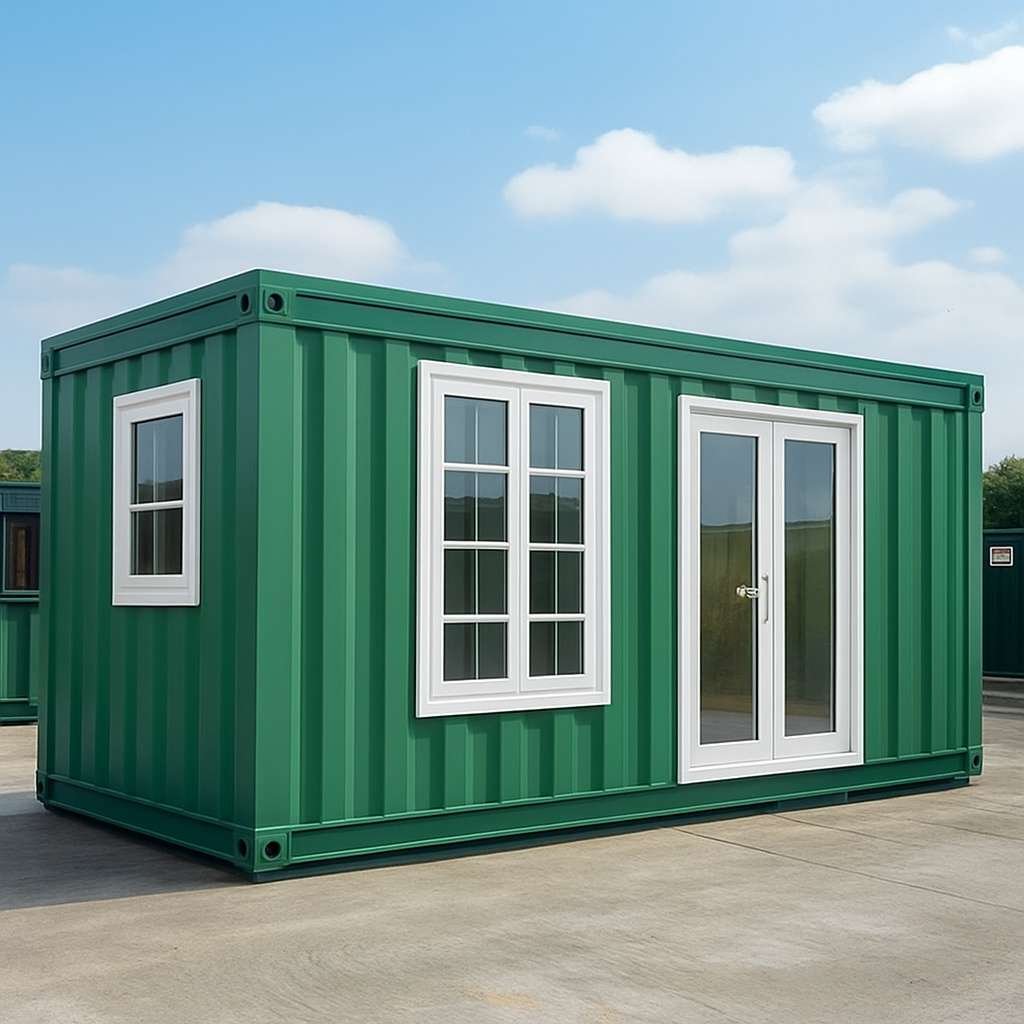
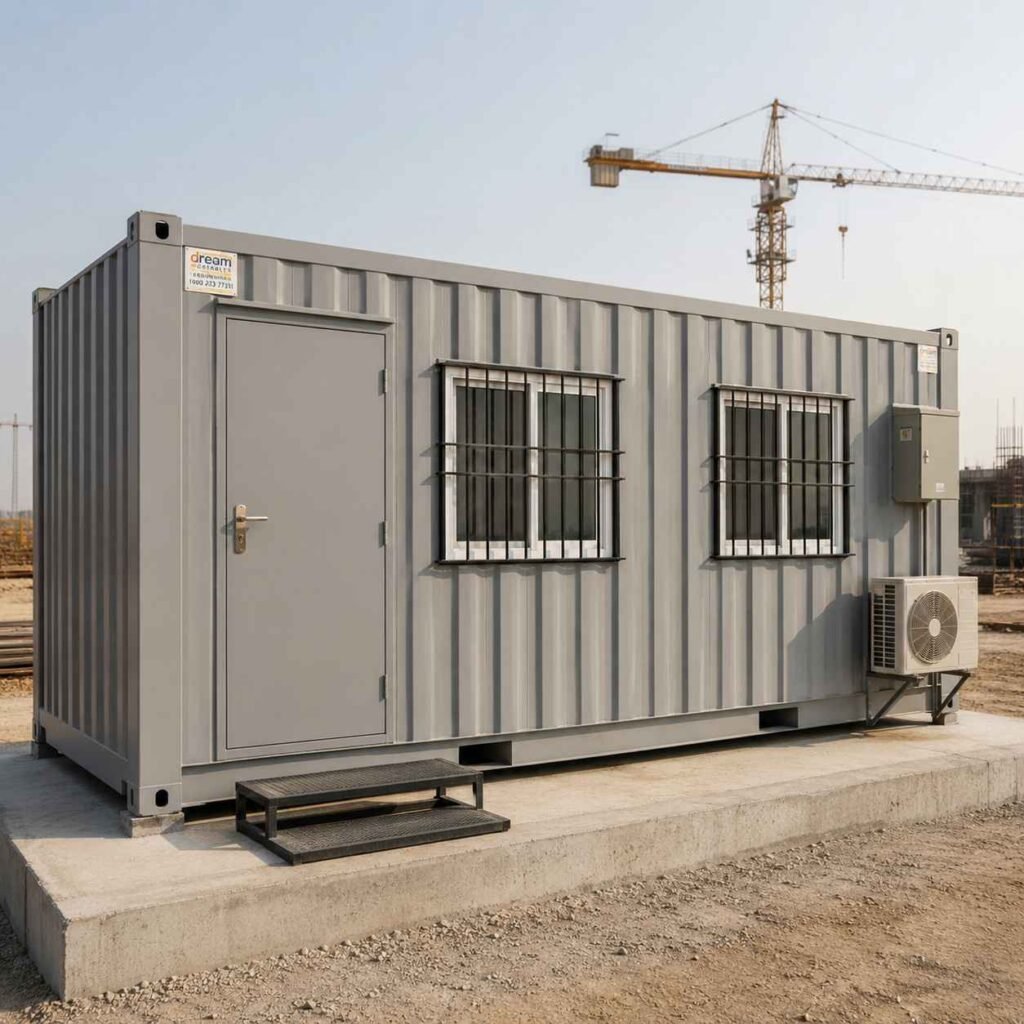
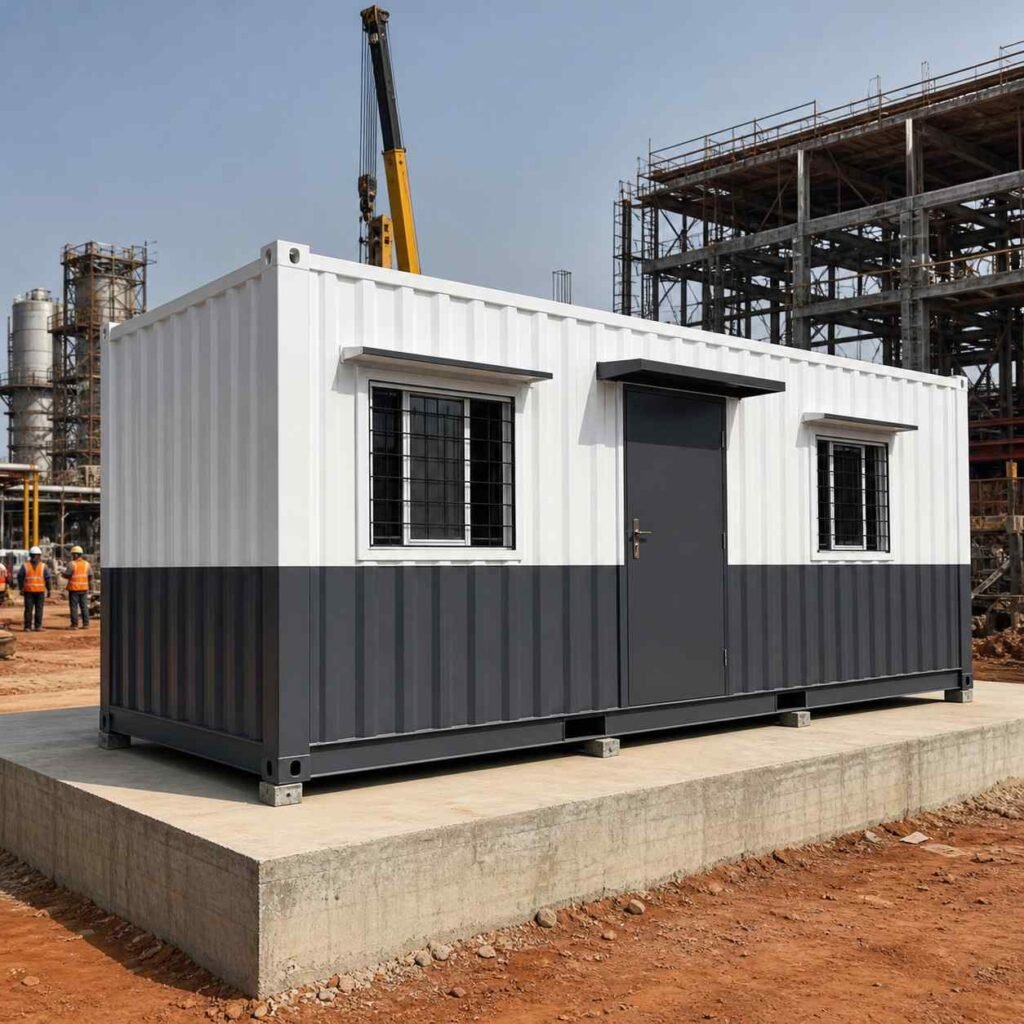
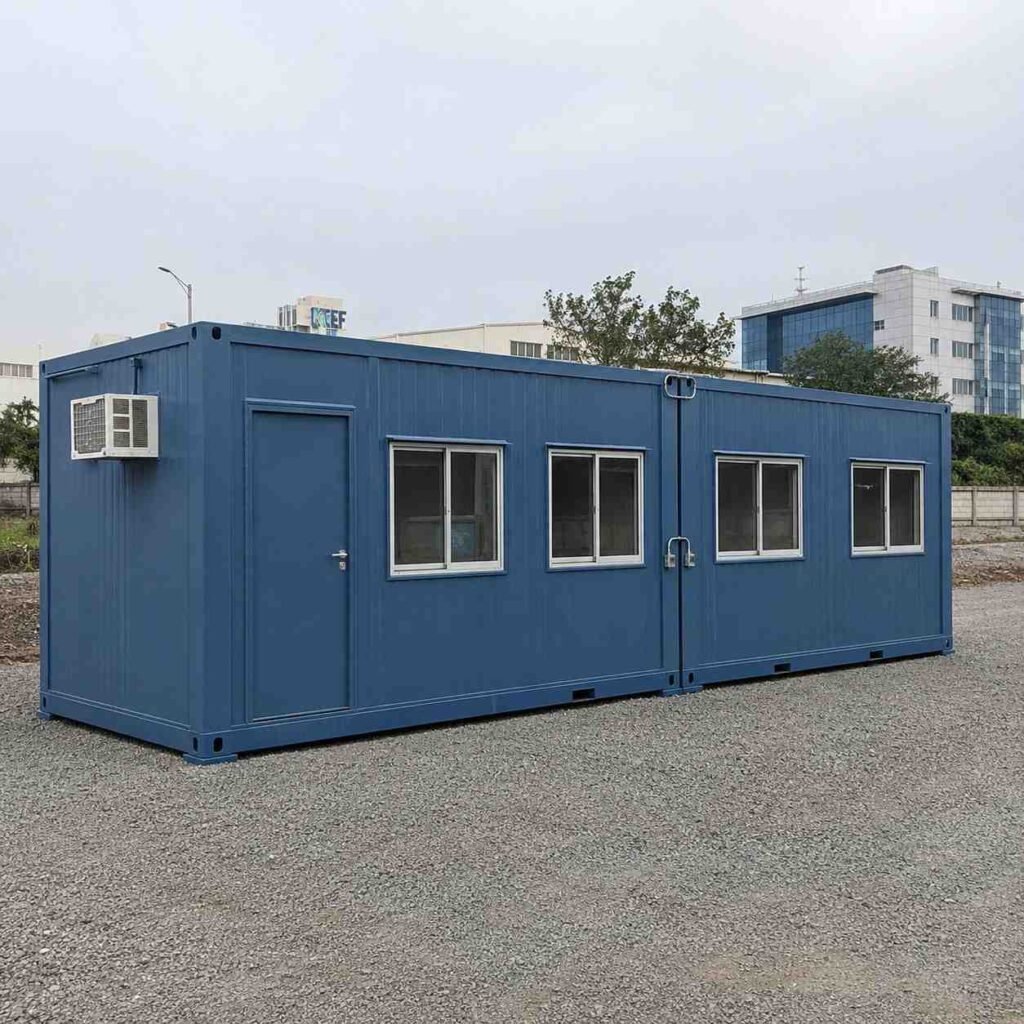
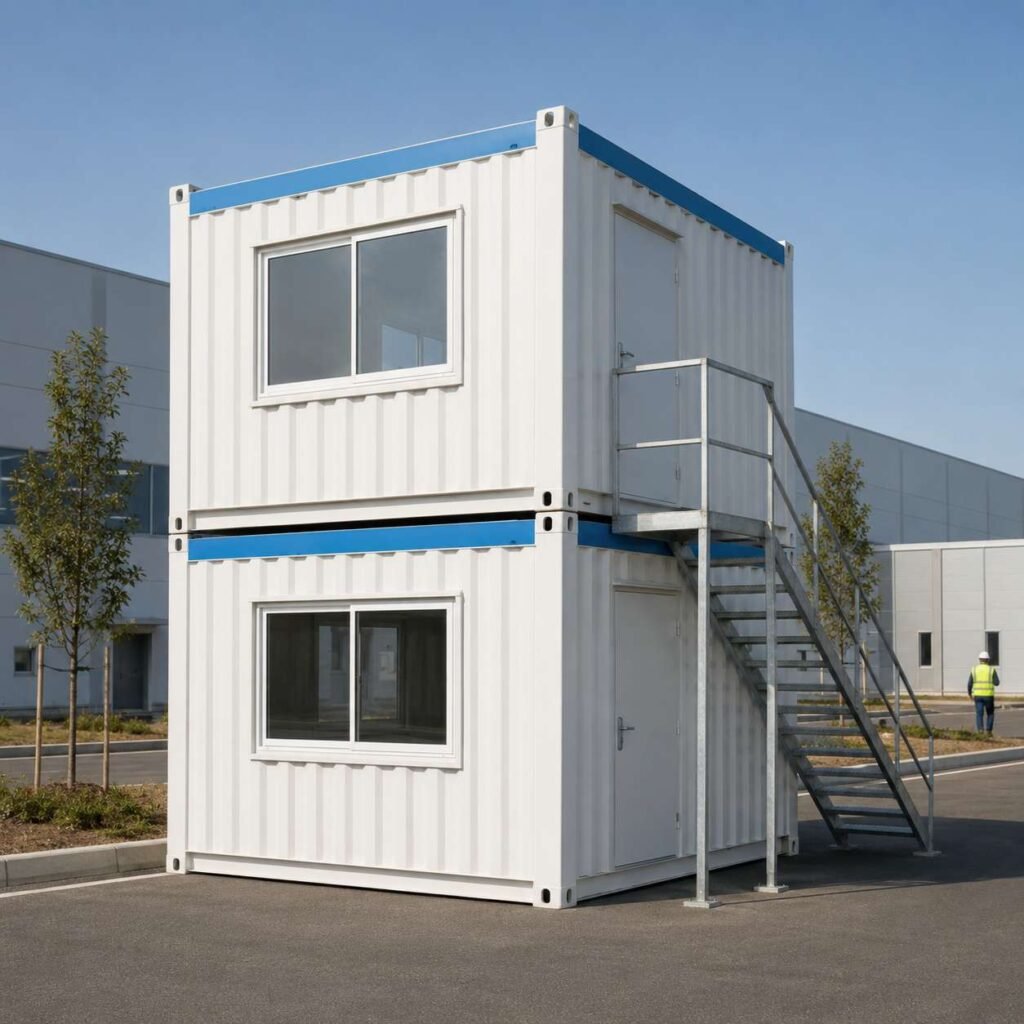
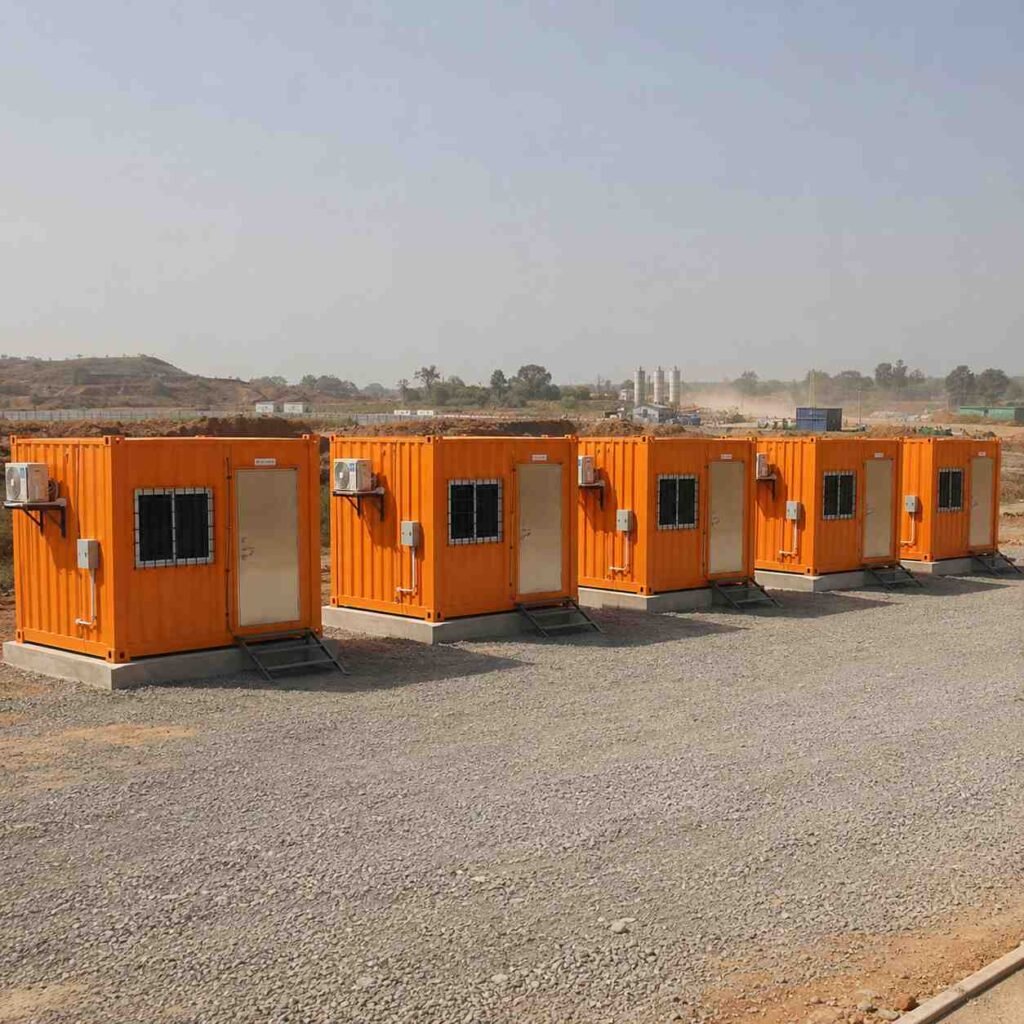
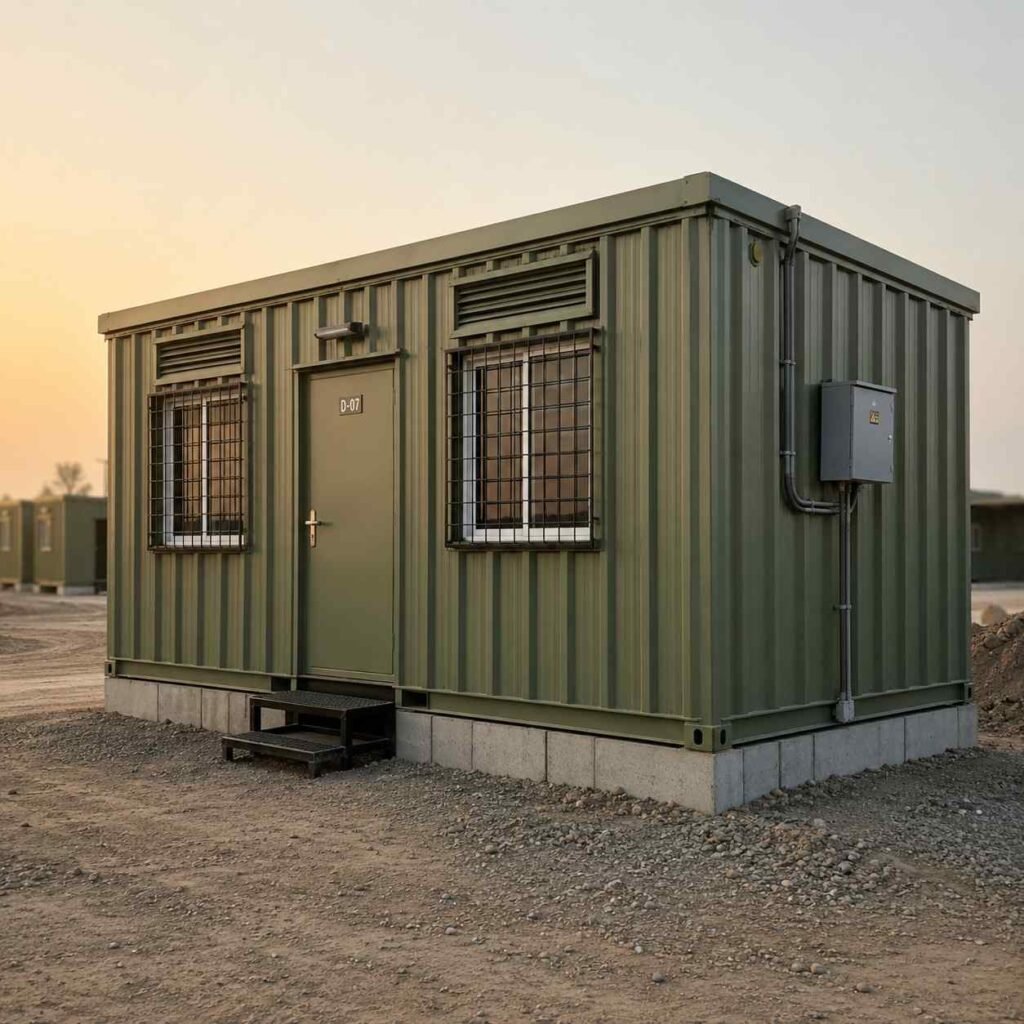
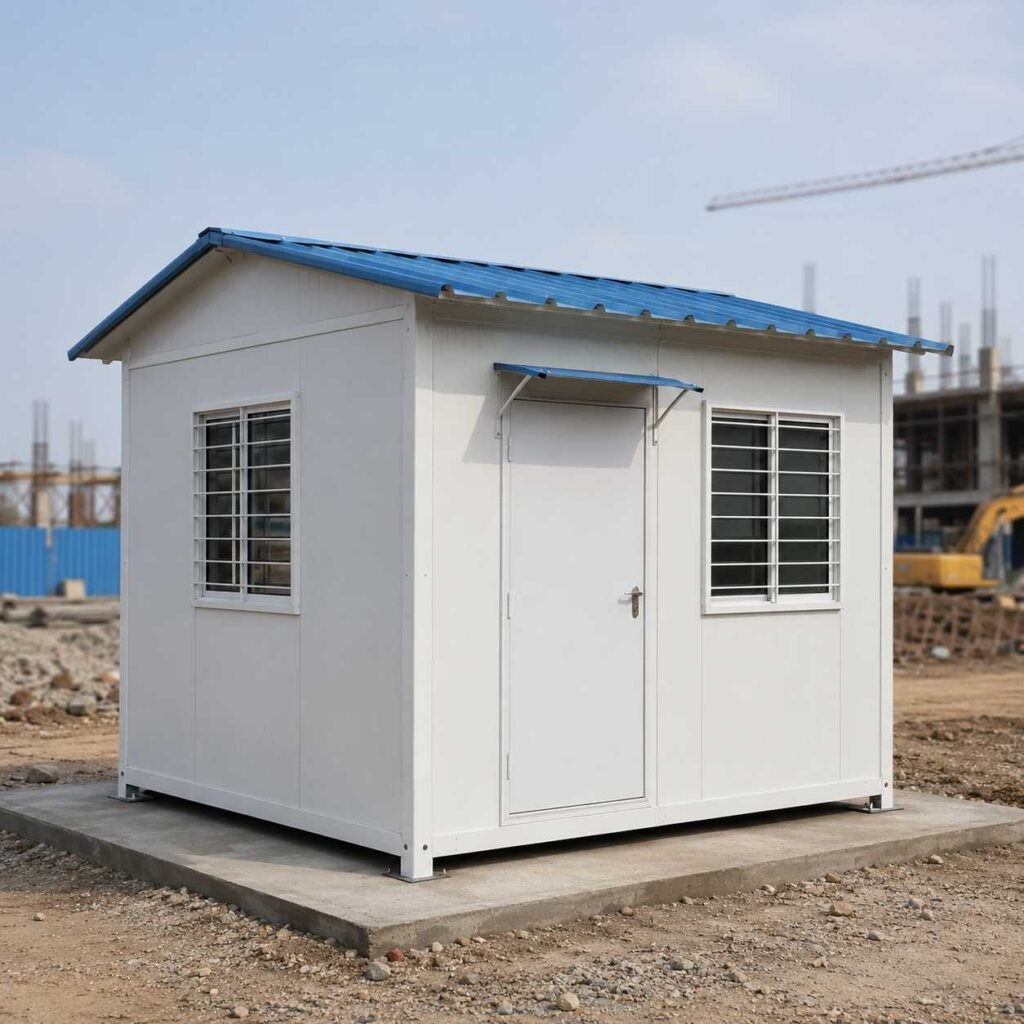
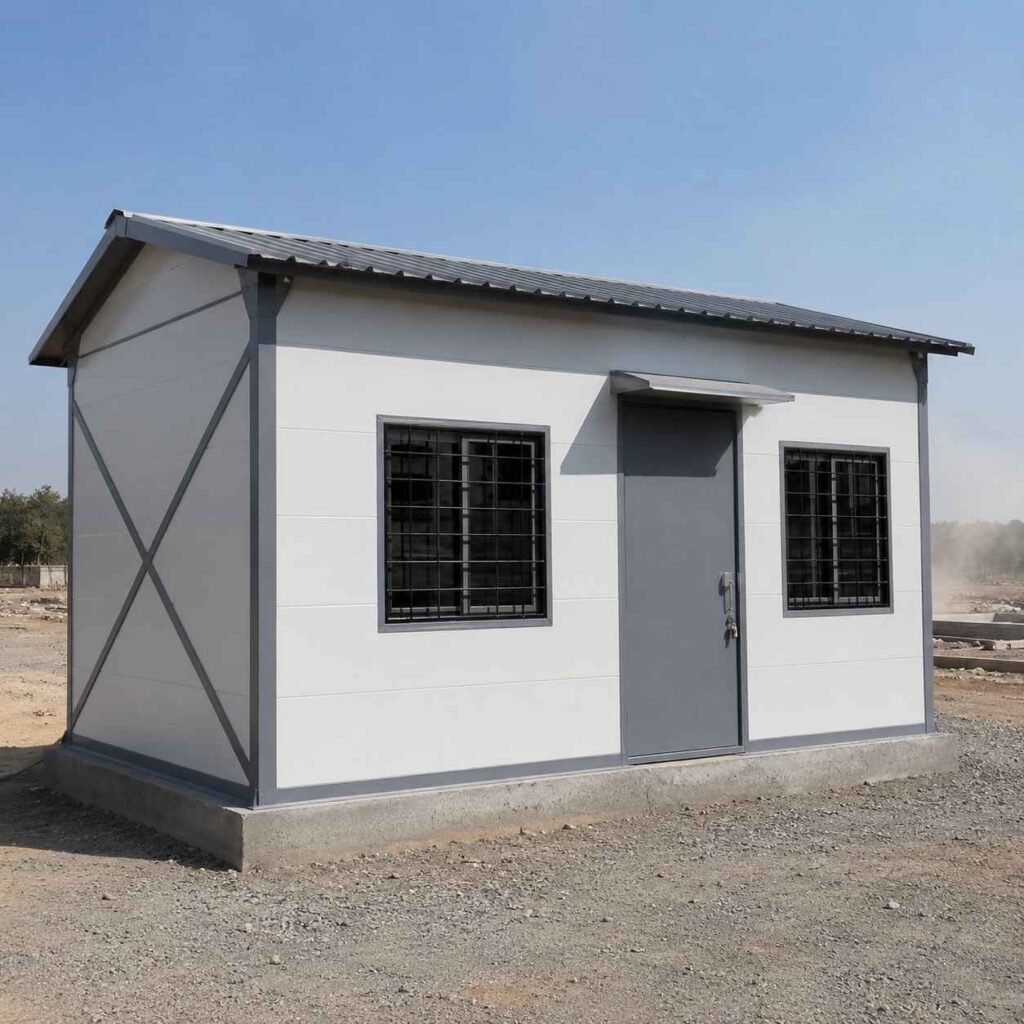
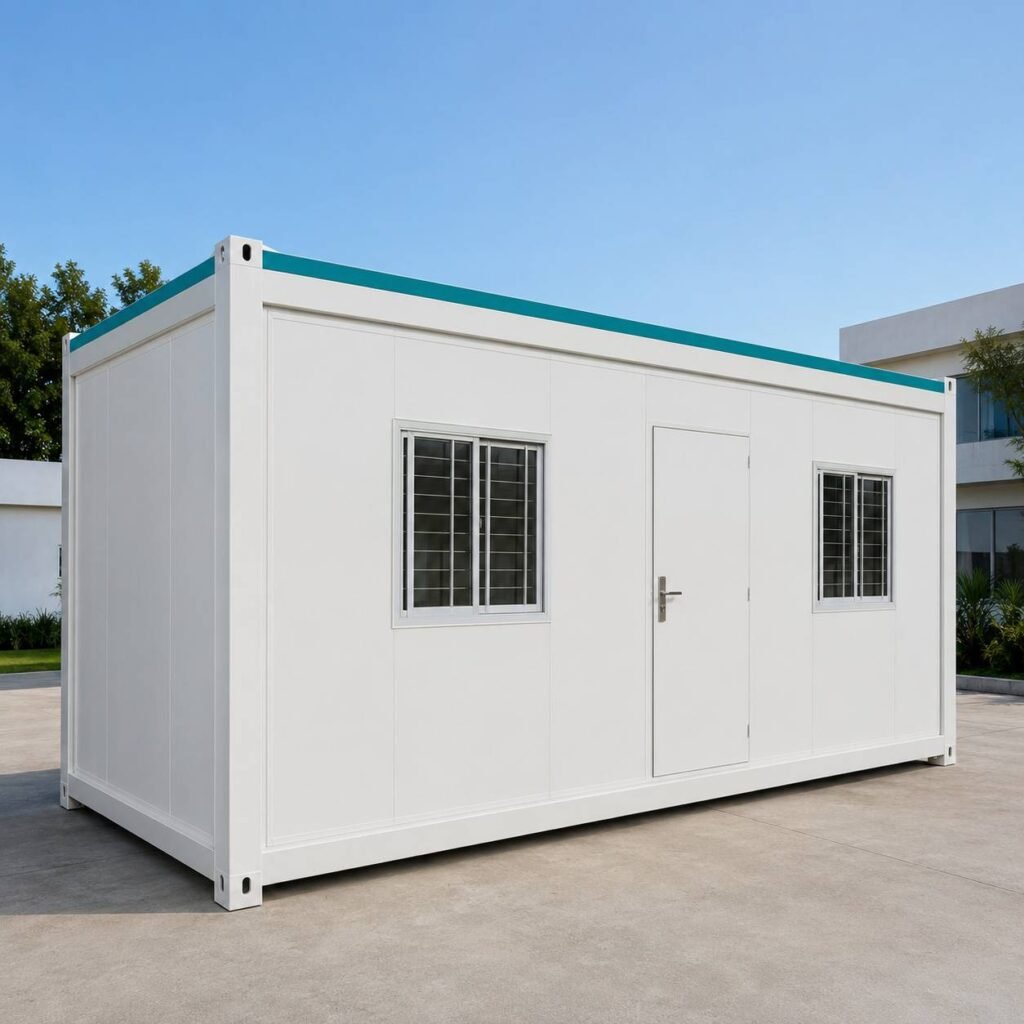
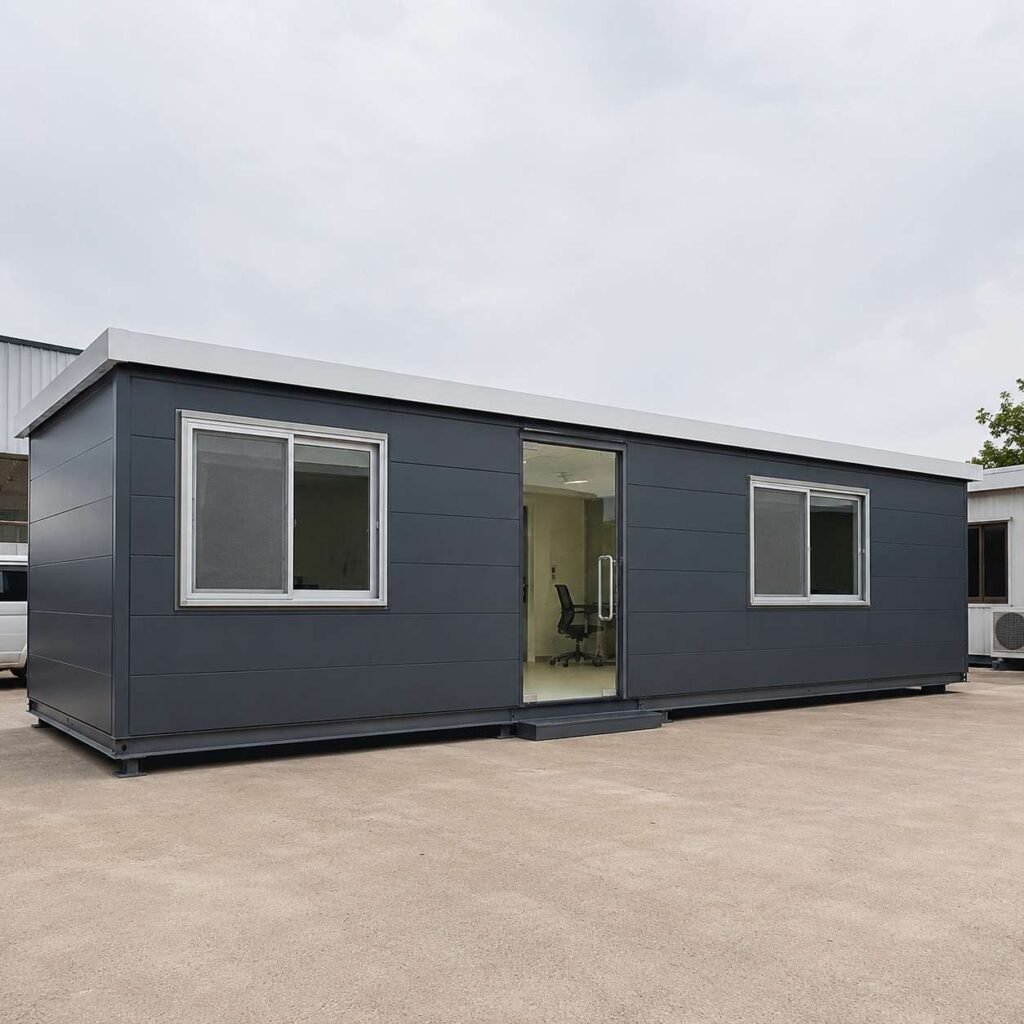
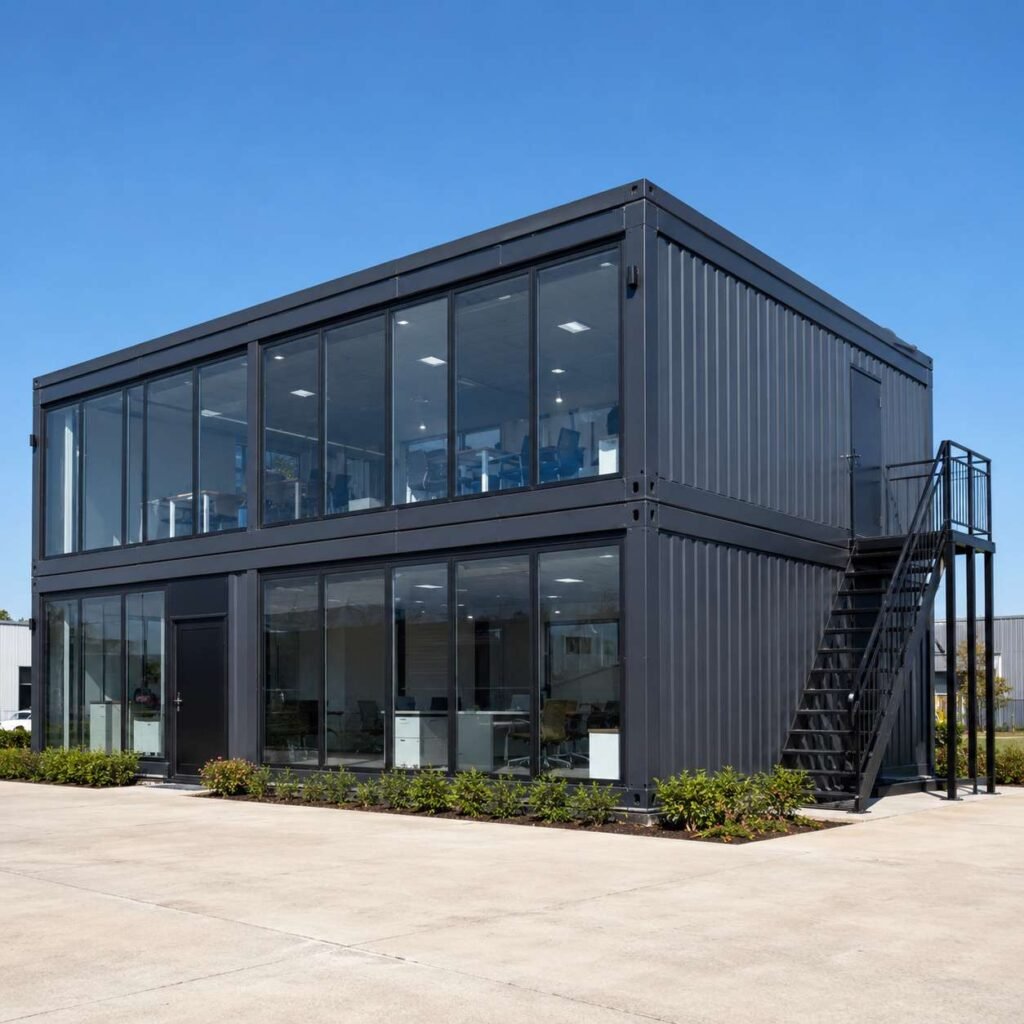
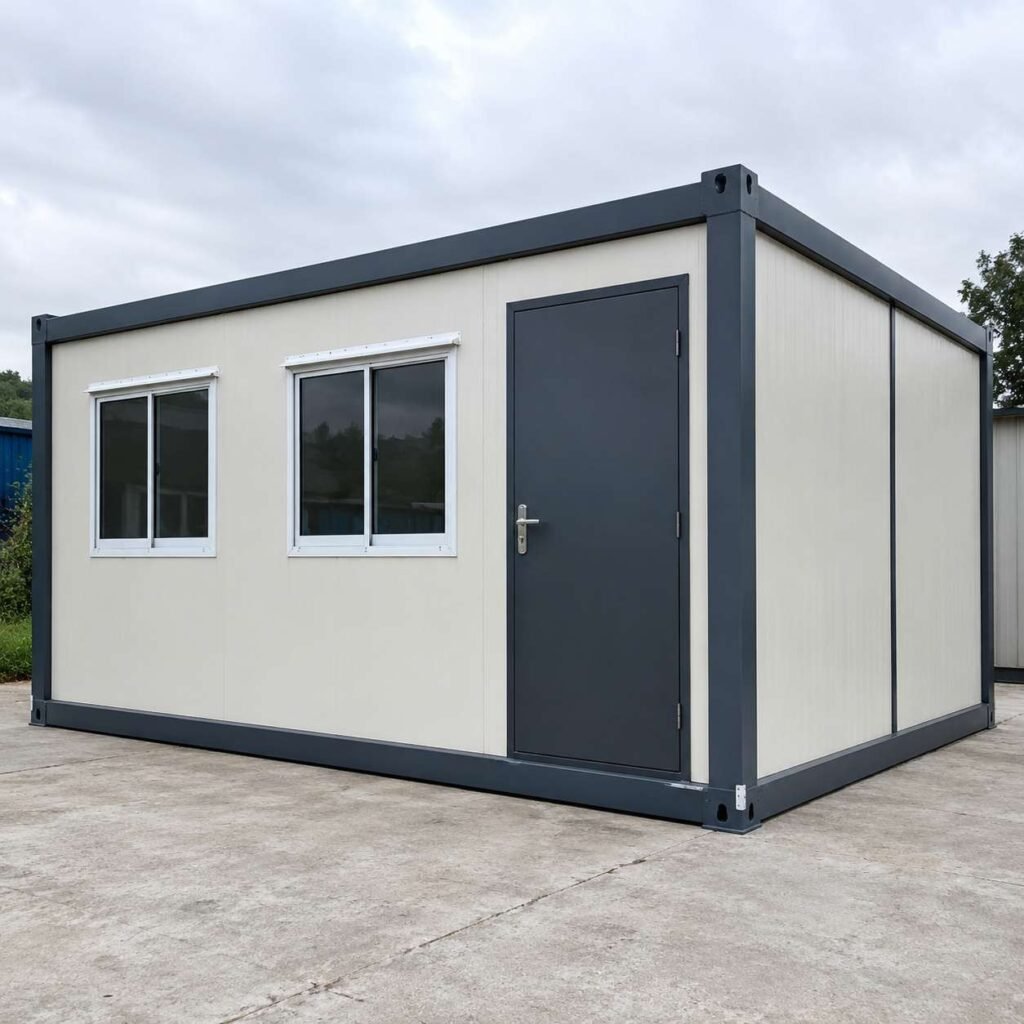
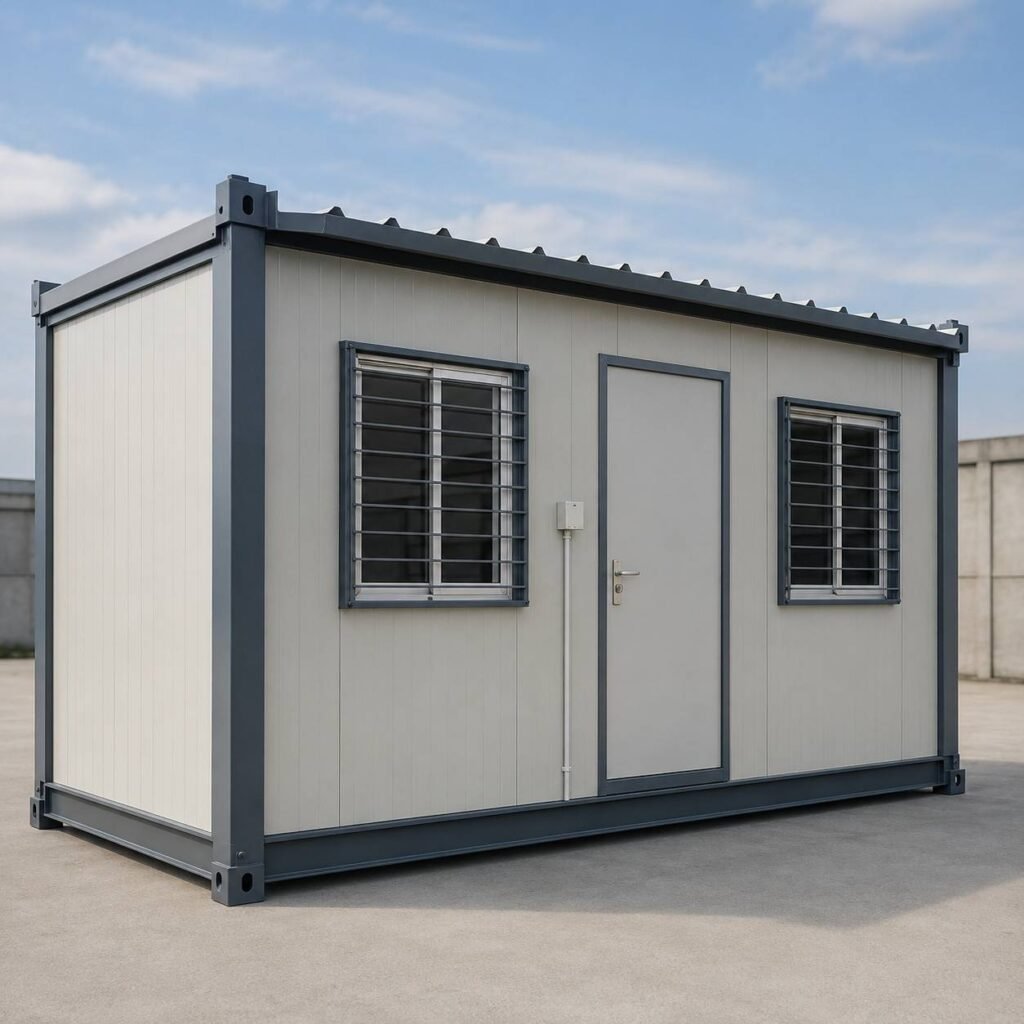
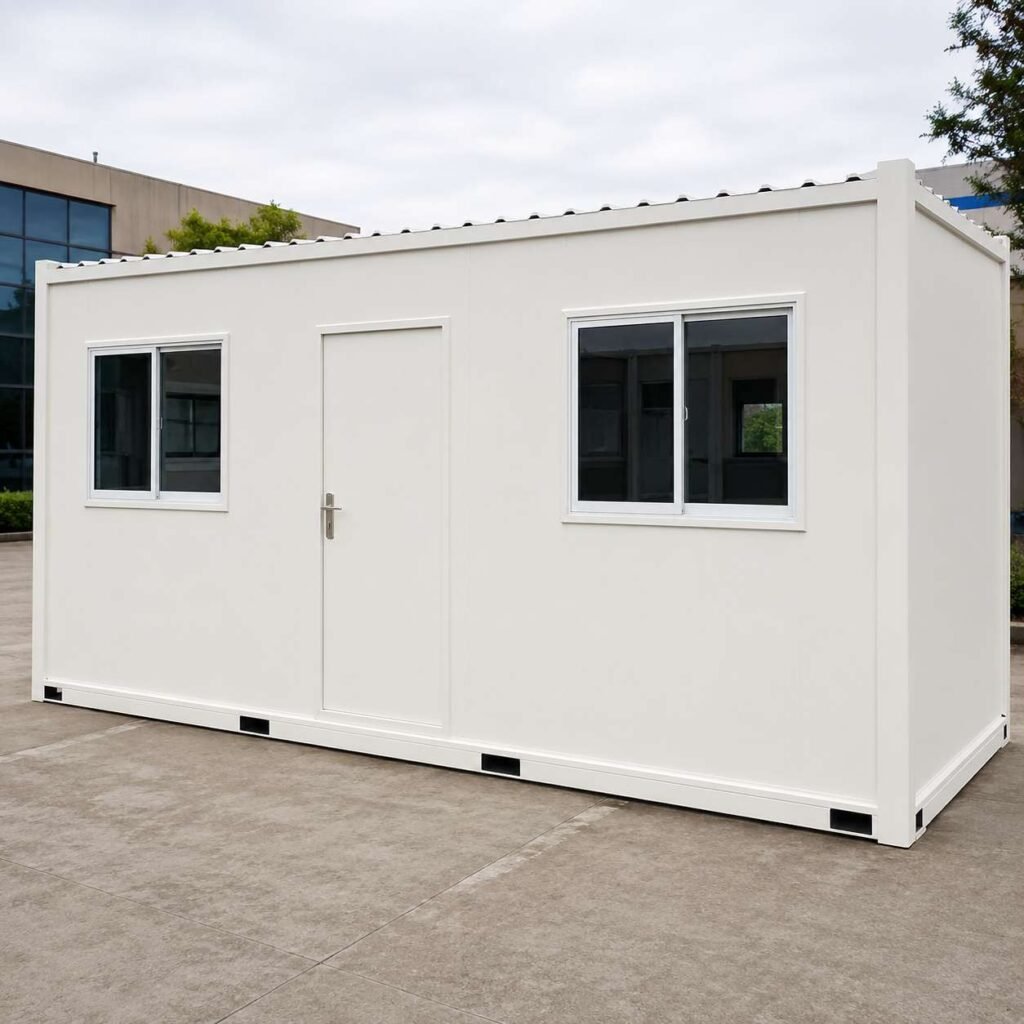
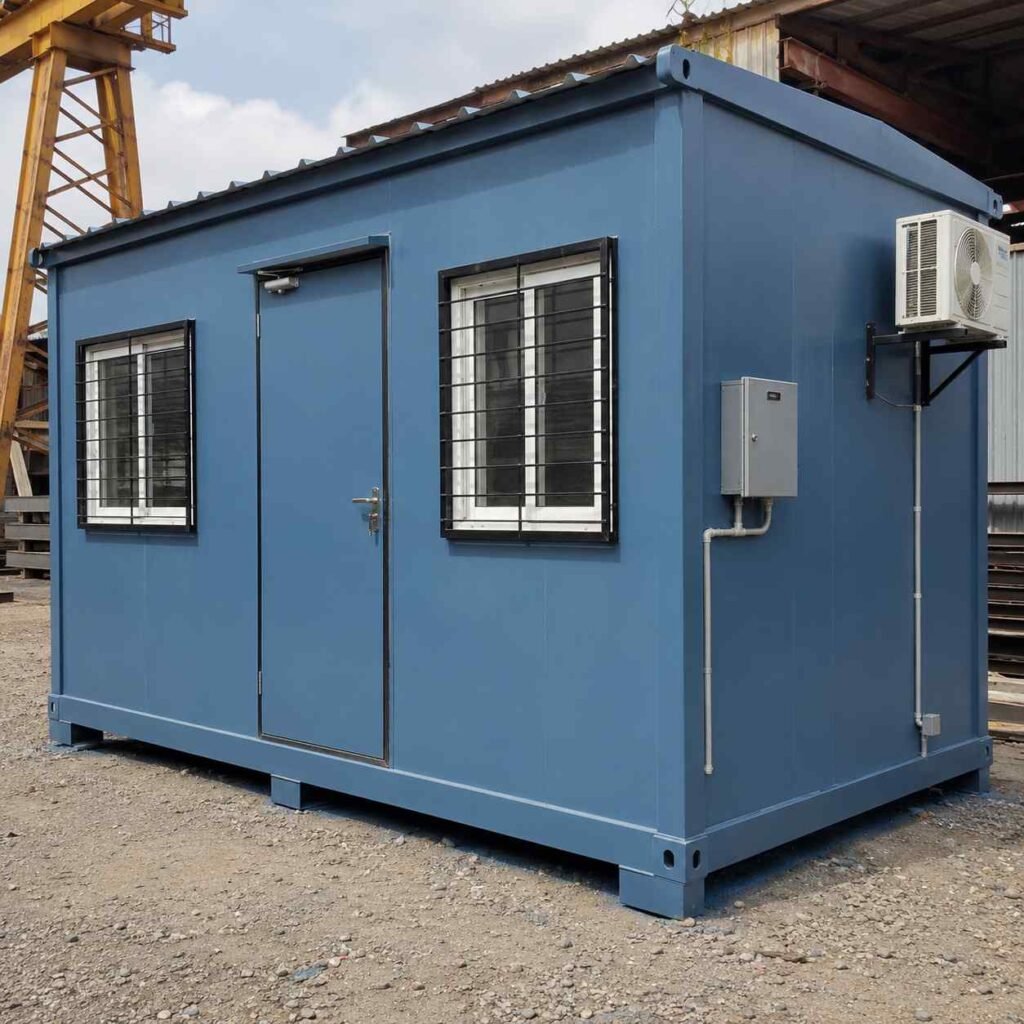
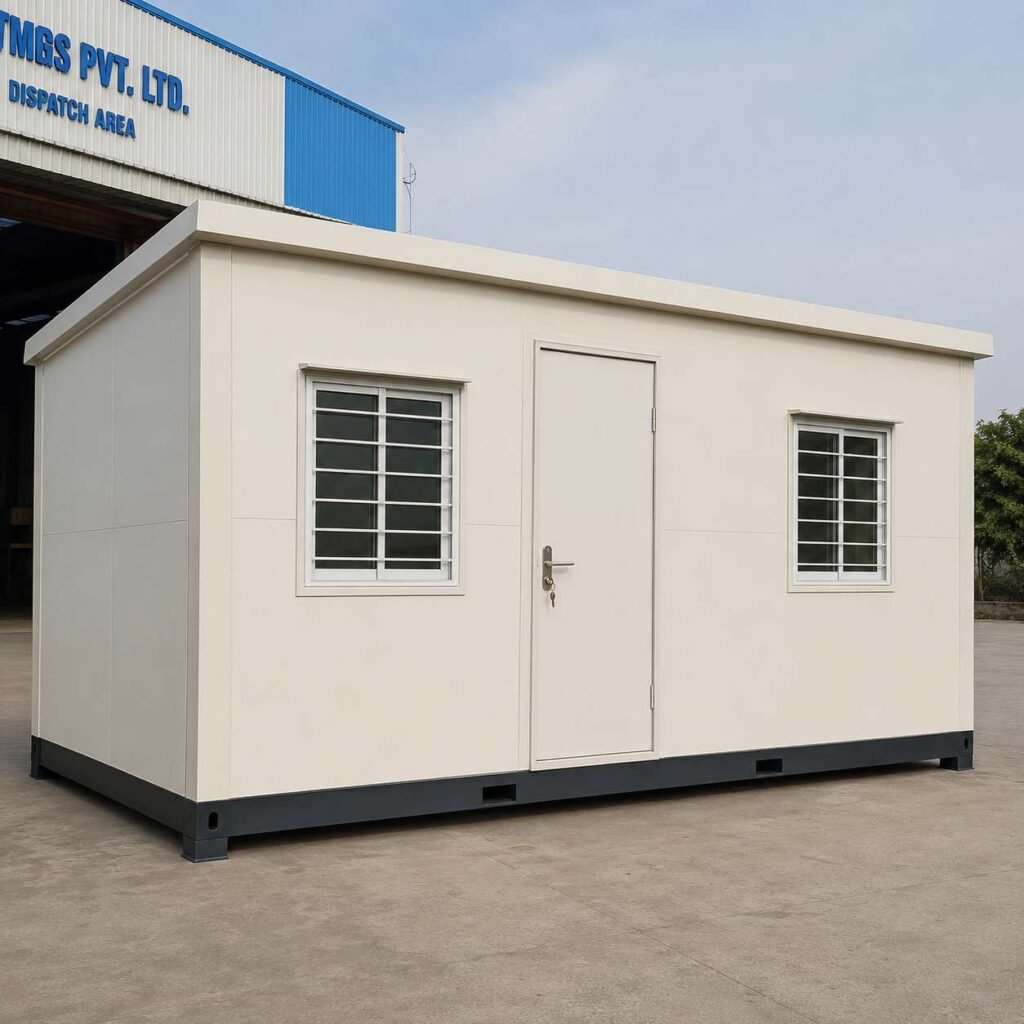
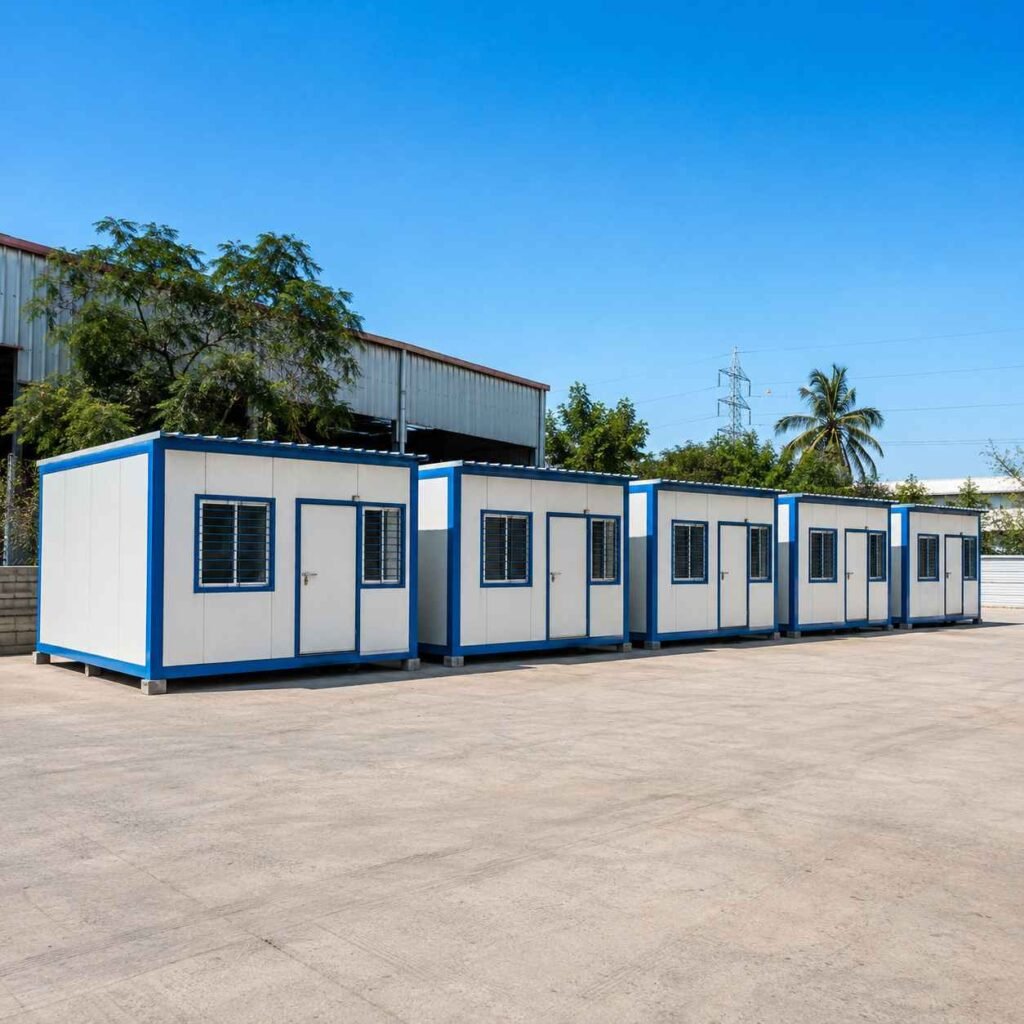
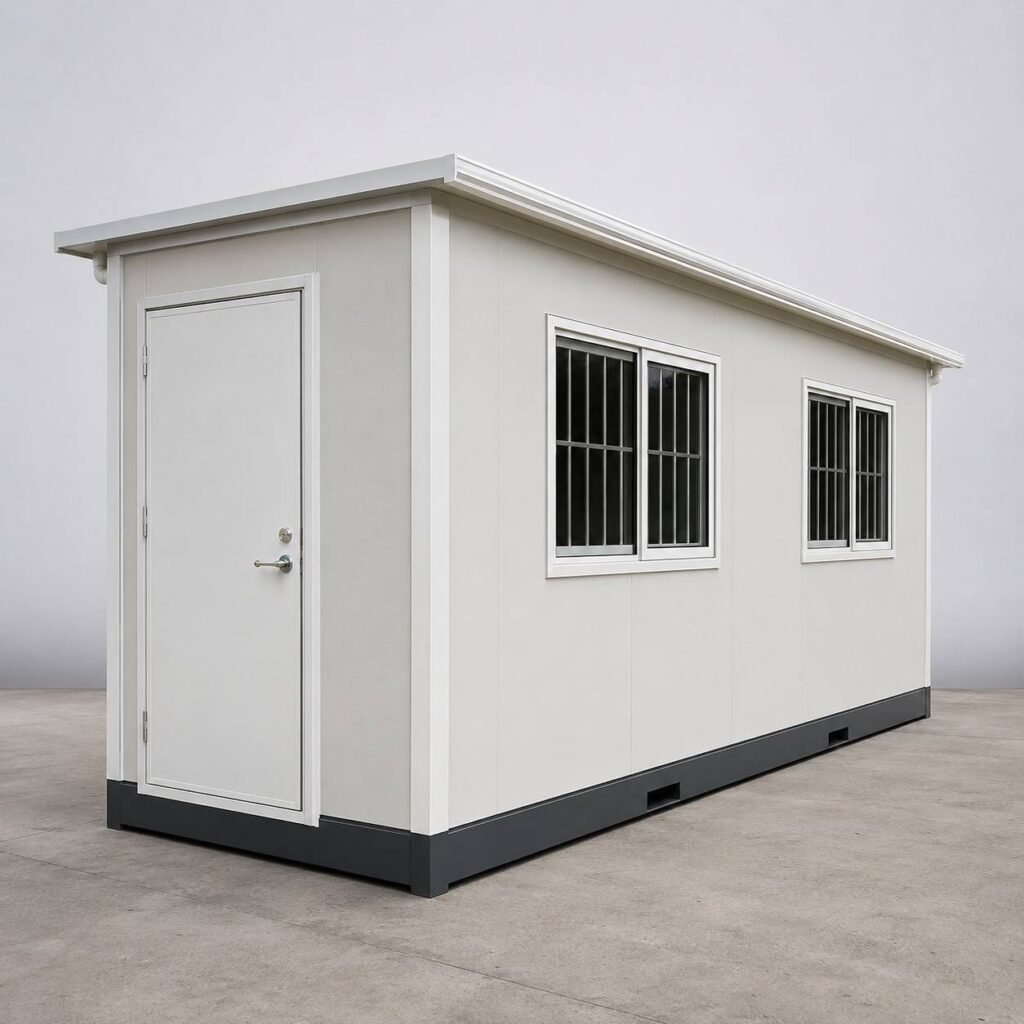
- Tata Steel Nest-In, a prominent manufacturer in India, offers the customizable MobiNest series of portable cabins.
- Portable cabins like MobiNest are highly flexible and can be used for a variety of applications with customizable amenities.
Understanding Porta Cabin Bathroom Essentials
Porta cabin bathrooms are great for mobile sanitation needs. They are durable and provide clean facilities in many places. These units have key parts that make using them easy and efficient.
Components and Basic Structure
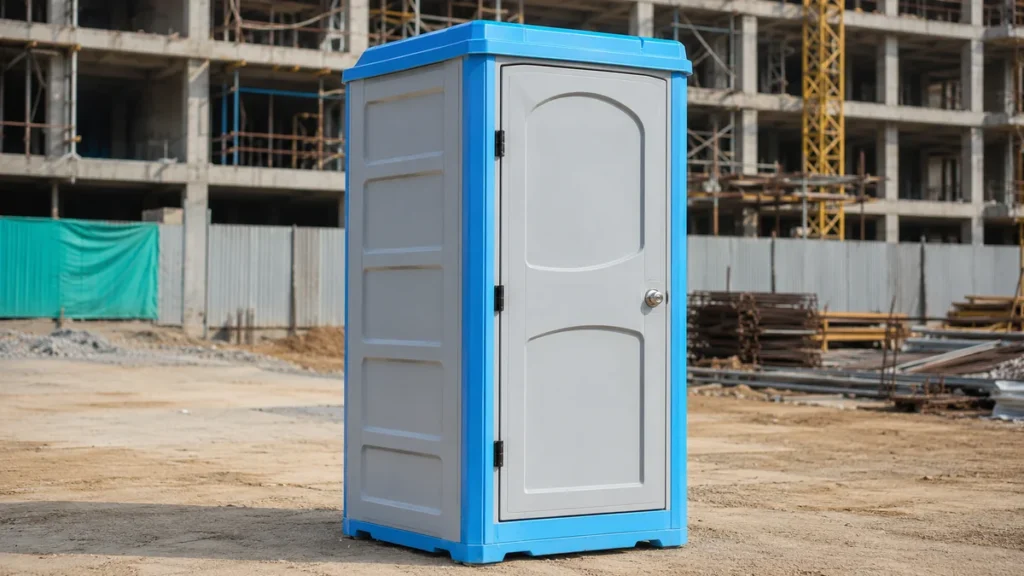
A porta cabin bathroom has a portable toilet seat, a holding tank for waste, a flushing mechanism, and a pressure system. These parts work together to offer a complete sanitation solution. They are easy to move and set up where needed.
Key Features and Specifications
Porta cabin bathrooms have many useful features. These porta potty features include:
- Mobility: They are light and easy to move, making them flexible.
- Convenience: They offer a comfortable and easy-to-use sanitation solution. Features like hand sanitizers and lighting make them better.
- Water Efficiency: They use less water, which is good for the environment and saves water.
Material Construction and Durability
Porta cabin bathrooms are made from strong materials like molded plastic or fiberglass. This makes them last long, even in tough conditions. The holding tank keeps waste safe and uses chemicals to control smells. The ventilation system also helps manage odors.

The Evolution of Mobile Sanitation Solutions
The history of portable toilets shows amazing progress in sanitation engineering. From simple toilets to modern porta cabin bathrooms, the journey has been about better hygiene and ease of use. This evolution meets the need for improved sanitation, especially in places without permanent facilities.
At first, portable toilets were basic and had few features. But as the need for better sanitation grew, especially in remote areas, the industry got creative. Chemical toilets and e-toilets changed the game, offering better function and being kinder to the environment.
Now, porta cabin bathrooms have many features to meet different needs. They have better air flow, more space, and easy-to-clean surfaces. They also use advanced tech like water-saving and odor control systems, making them better for users.
The history of portable toilets is all about portable toilet history and sanitation technology advancements. As we work towards making sanitation available to everyone, the portable toilet industry leads the way with new ideas.

The future of mobile sanitation looks bright, with smart tech, green energy, and sustainable designs. As we aim to reach the goal of universal sanitation by 2030, the progress in portable toilet history and sanitation technology will be key.
Benefits of Portable Bathroom Facilities
Porta cabin bathrooms are becoming more popular for their many advantages. They are cost-effective, mobile, and flexible. These portable solutions are a convenient and practical choice compared to traditional restrooms.
Cost-Effectiveness
Porta cabin bathrooms are budget-friendly for businesses and event organizers. They don’t require permanent infrastructure, saving on initial costs. Plus, they are easy to install and maintain, leading to long-term savings.
Mobility and Flexibility
These toilets are easy to move and set up wherever needed. They’re great for construction sites, festivals, and outdoor events. Their flexibility ensures they meet the needs of different locations and events.
Easy Installation and Maintenance
Porta cabin bathrooms are simple to install and maintain. Their modular design allows for quick setup with minimal site preparation. Maintenance is straightforward, requiring no special skills or resources.
Overall, porta cabin bathrooms offer versatility, convenience, and cost savings. They are valuable for businesses, event organizers, and individuals needing mobile sanitation. By using these facilities, users can improve comfort, hygiene, and overall experience for their audience.

How Porta Cabin Bathrooms Work
Porta cabin bathrooms have a special waste management system. They use a tank under the toilet seat to hold waste. Chemicals in the tank break down the waste and control smells.
The flushing system and a pressurized system move waste into the tank. This keeps the bathroom clean and safe for users.
Ventilation is key in porta cabin bathrooms. A pipe system lets warm gases rise and escape. This keeps the air fresh and comfortable, even in small spaces.
- Polyethylene is the main material for making portable toilet cabins. It’s light and easy to move.
- Portable toilets have a tank that can hold waste for at least three days. The tank size varies by model.
- The tank starts with water and chemicals. These help break down waste, control smells, and prevent bacteria.
Porta cabin bathrooms are both useful and eco-friendly. They use green chemicals that are recyclable and safe. They also save water, using less for flushing. This is great for places where water is scarce.

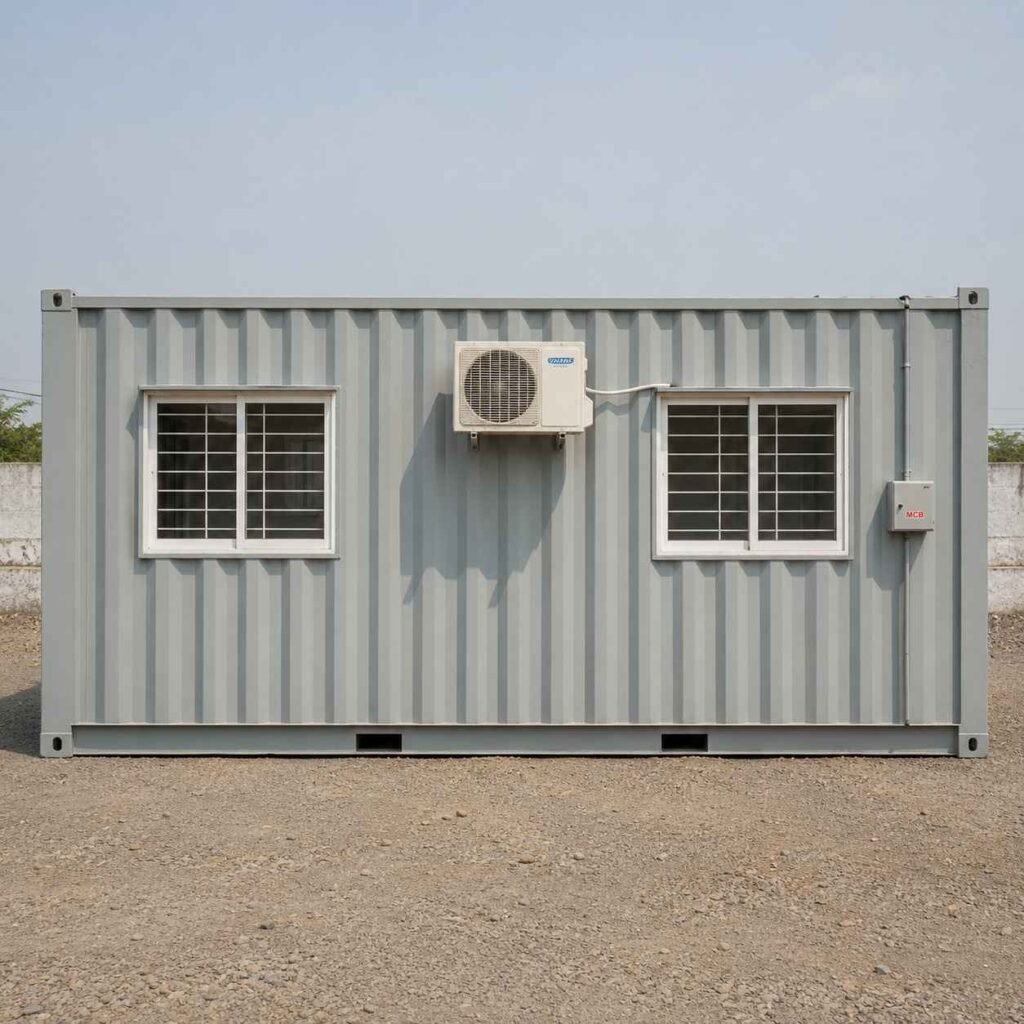
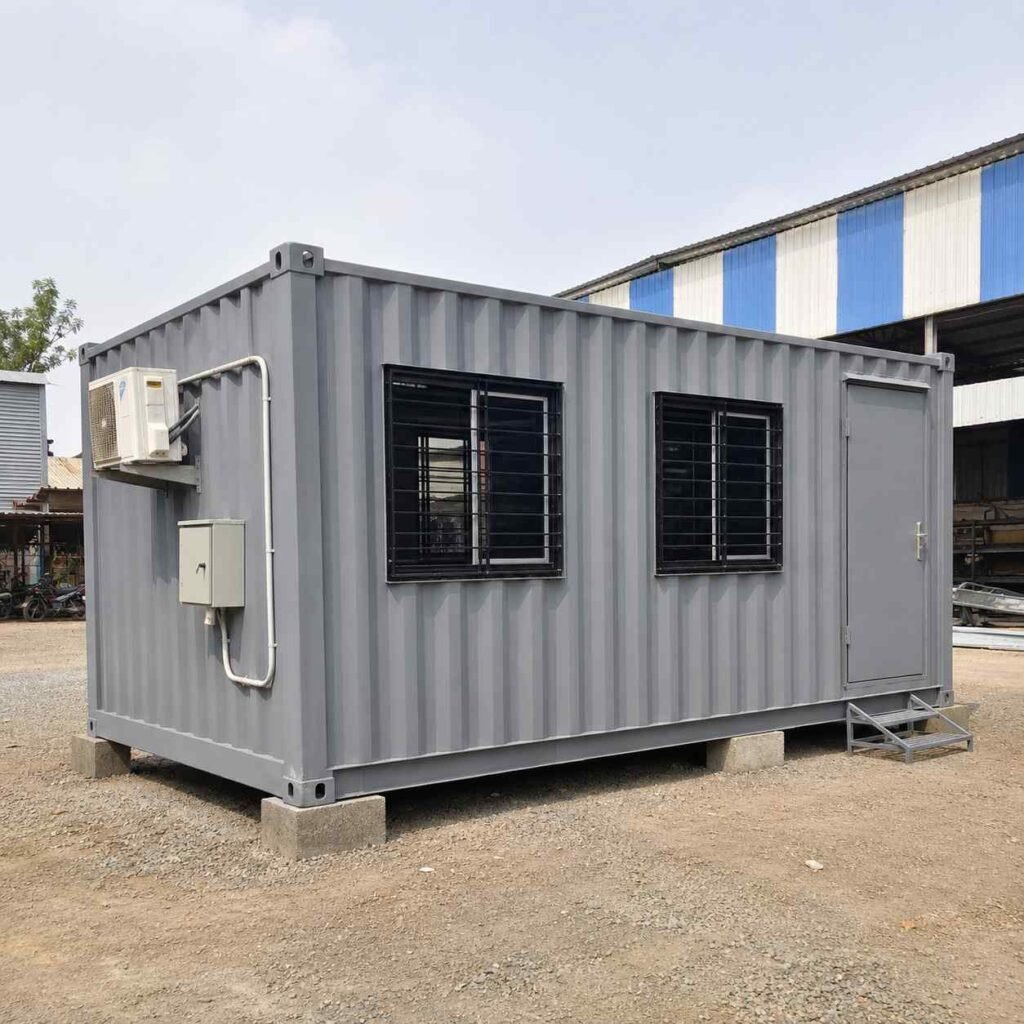
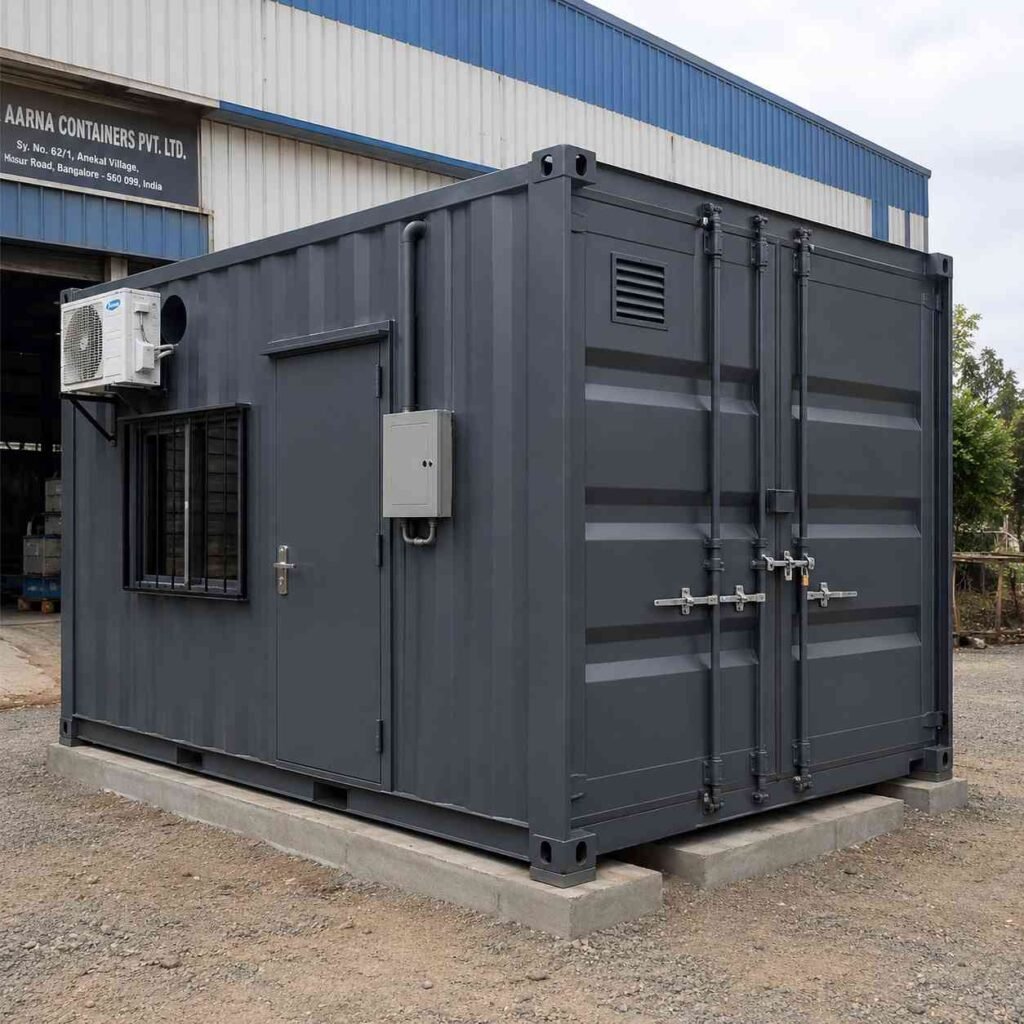
Porta cabin bathrooms are not just good at handling waste. They also come with extra features. You might find solar lamps, handwashing stations, mirrors, air conditioning, and wheelchair-accessible units. These features make the bathroom better for everyone and meet different needs.
Design Considerations for Portable Sanitation Units
Design is key in porta cabin bathrooms for comfort and function. A well-thought-out portable toilet design and sanitation unit layout are vital. They make mobile sanitation solutions efficient and practical.
Space Optimization
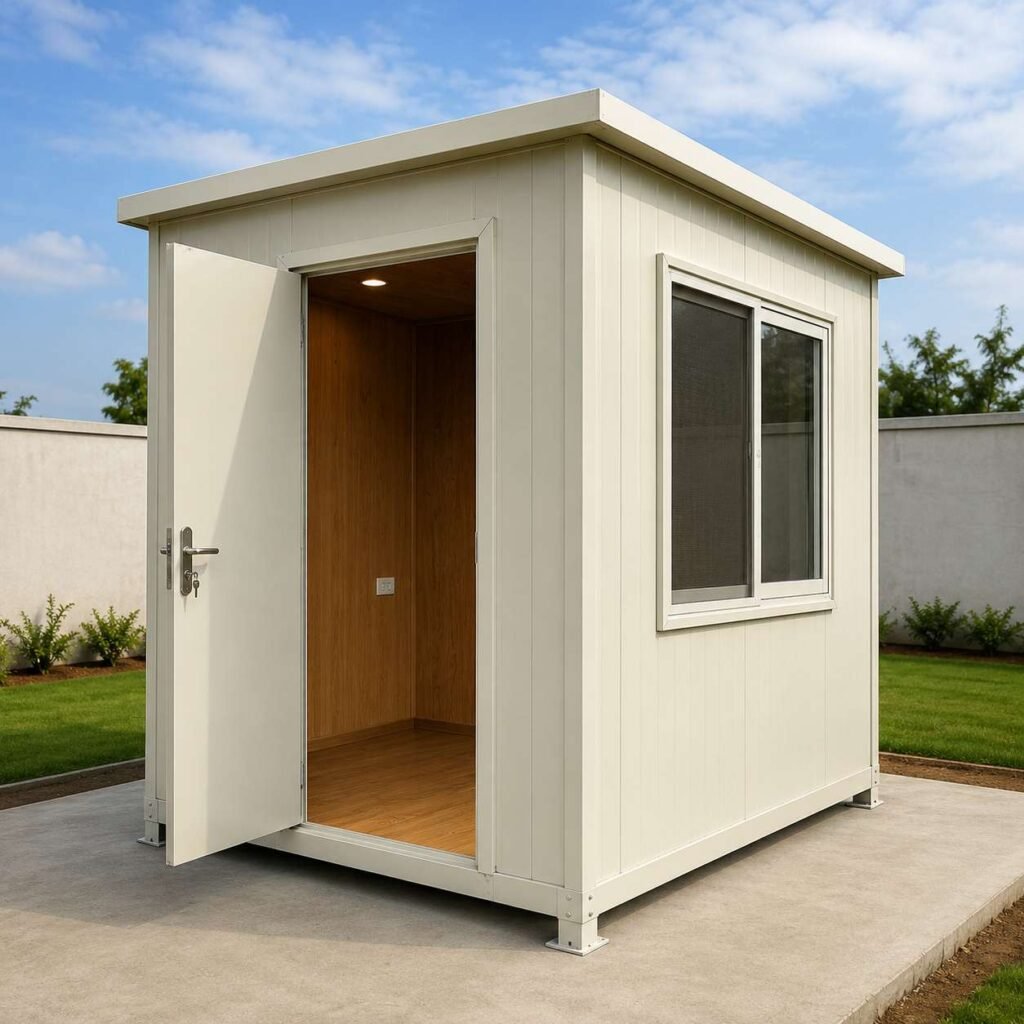
Porta cabin bathrooms use space wisely, meeting each installation’s needs. The standard portable toilet size is about 12 square feet. It’s 43.5″x47″ and can handle around 200 uses. This size is perfect for easy transport and placement, yet still offers enough room for users.
Ventilation Systems
Ventilation systems are crucial in portable sanitation units. They manage odors well, using natural airflow. This keeps the environment comfortable and fresh. Good ventilation also helps with hygiene and upkeep.
Lighting and Electrical Requirements
Lighting and electrical needs are important for safety and usability. Good lighting adds visibility and ambiance. Electrical systems support features like lighting, exhaust fans, and extras like hand dryers or water heaters.
By focusing on these design points, porta cabin bathrooms meet mobile sanitation needs. They balance comfort, function, and follow industry standards.

Waste Management and Disposal Systems
Keeping waste management and disposal systems in check is key for the smooth and clean operation of portable toilet cabins. These units are made to tackle the special needs of waste disposal in mobile or temporary settings.
They are emptied regularly with special equipment, like Hoover trucks. The waste then goes to facilities for safe and proper treatment. Chemicals are used to break down the waste and keep odors in check, making the system clean and managed well.
- Regular emptying and servicing of portable toilet holding tanks
- Transportation of waste to specialized cleaning and disposal facilities
- Use of chemical treatments to break down waste and control odors
- Compliance with local regulations for safe and ethical portable toilet waste disposal
- Comprehensive sanitation management protocols to maintain hygiene and cleanliness
By using these waste management and disposal systems, portable toilet providers keep their units clean and environmentally friendly. They meet the needs of their clients and the communities they serve.

Hygiene Standards and Maintenance Protocols
Keeping portable cabin bathrooms clean is key. Our team uses strict cleaning and sanitization rules. These rules are above industry standards, making our clients worry-free.
Cleaning Procedures
Our cleaning starts with emptying the tank. Then, we disinfect walls, floors, and fixtures with green cleaning solutions. We refill the chemical tank and restock supplies like toilet paper and soap.
How often we clean depends on the cabin’s use and size. Usually, we clean every one to four weeks. This keeps the portable toilet cleaning and sanitation maintenance top-notch.
Sanitization Requirements
- Strict adherence to industry-leading hygiene standards
- Use of EPA-approved disinfectants for effective sanitization
- Detailed inspection and verification of cleanliness
- Proper disposal of waste in compliance with environmental regulations
- Ongoing staff training to ensure proper cleaning and sanitization techniques
Our team of experts handles all maintenance. This ensures our bathrooms are always clean and safe for our clients.

Applications Across Different Industries
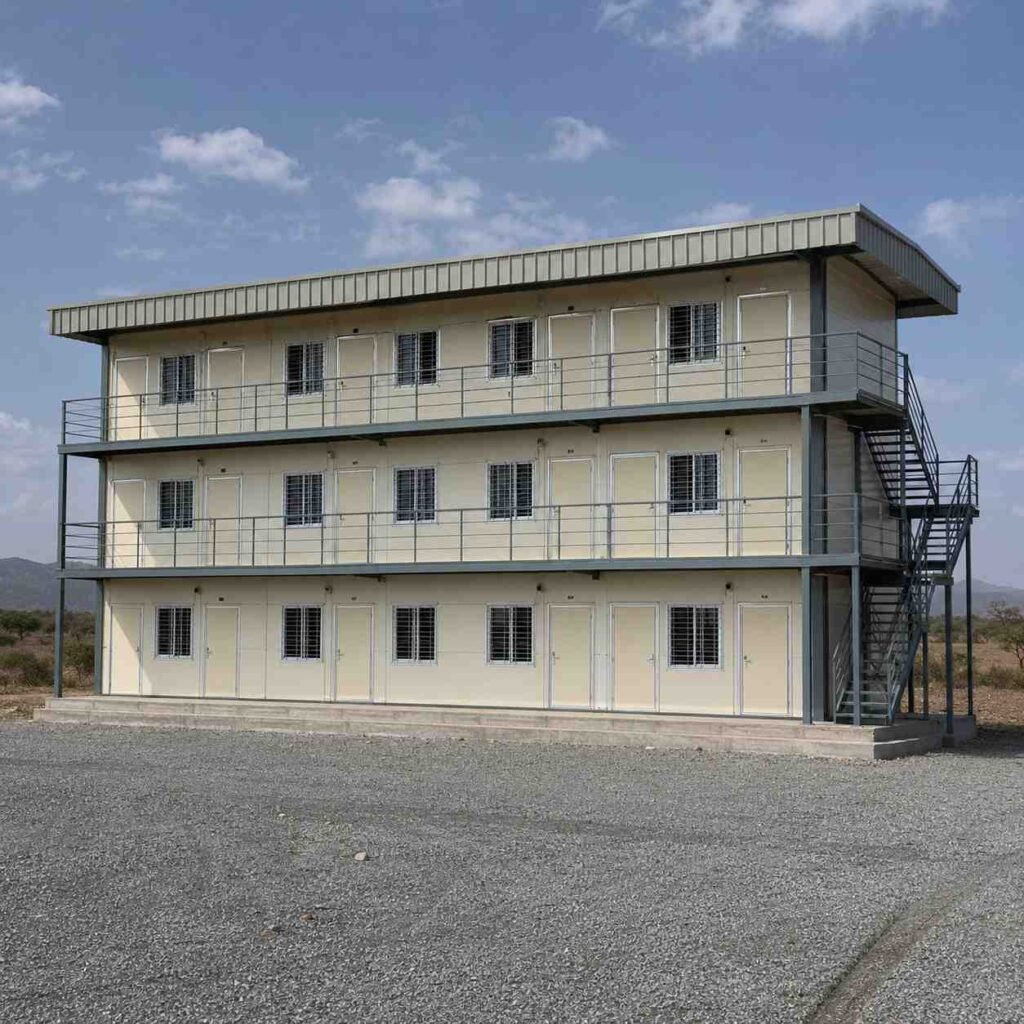
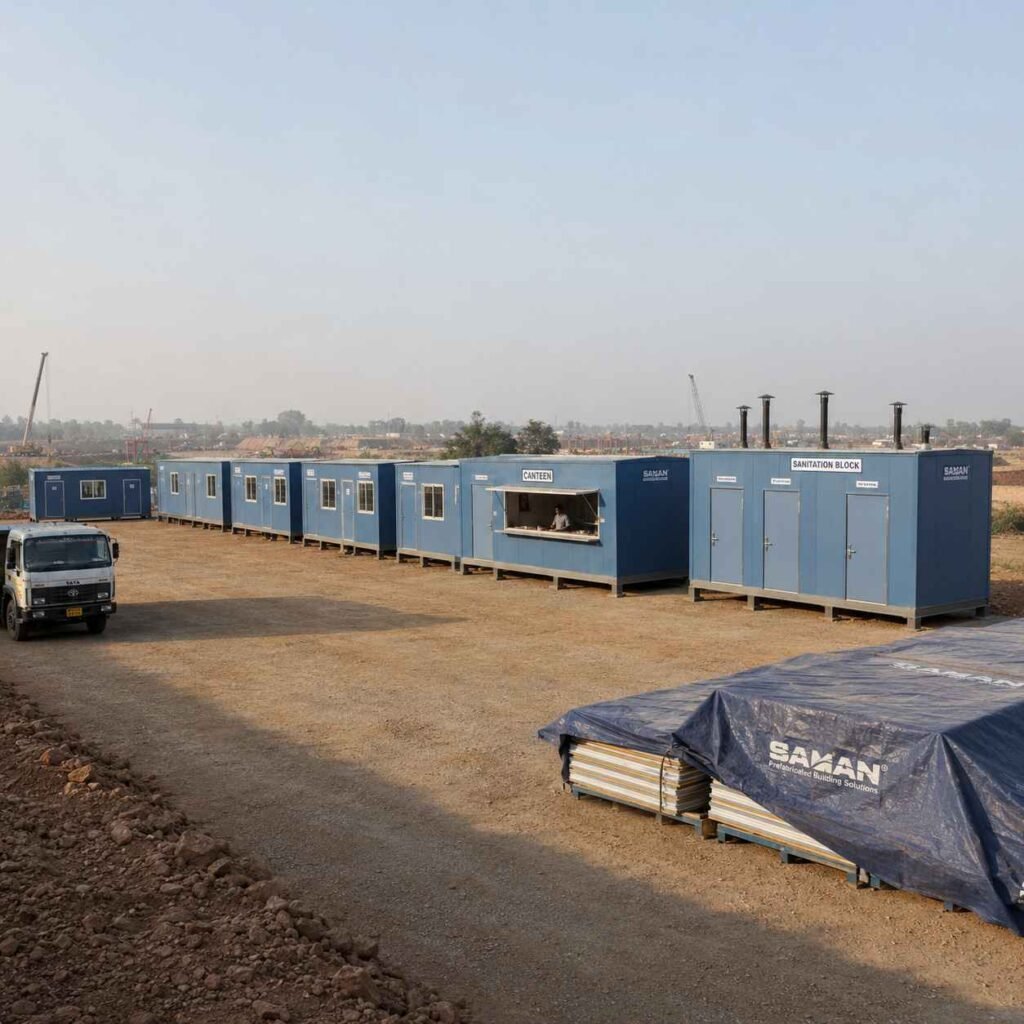
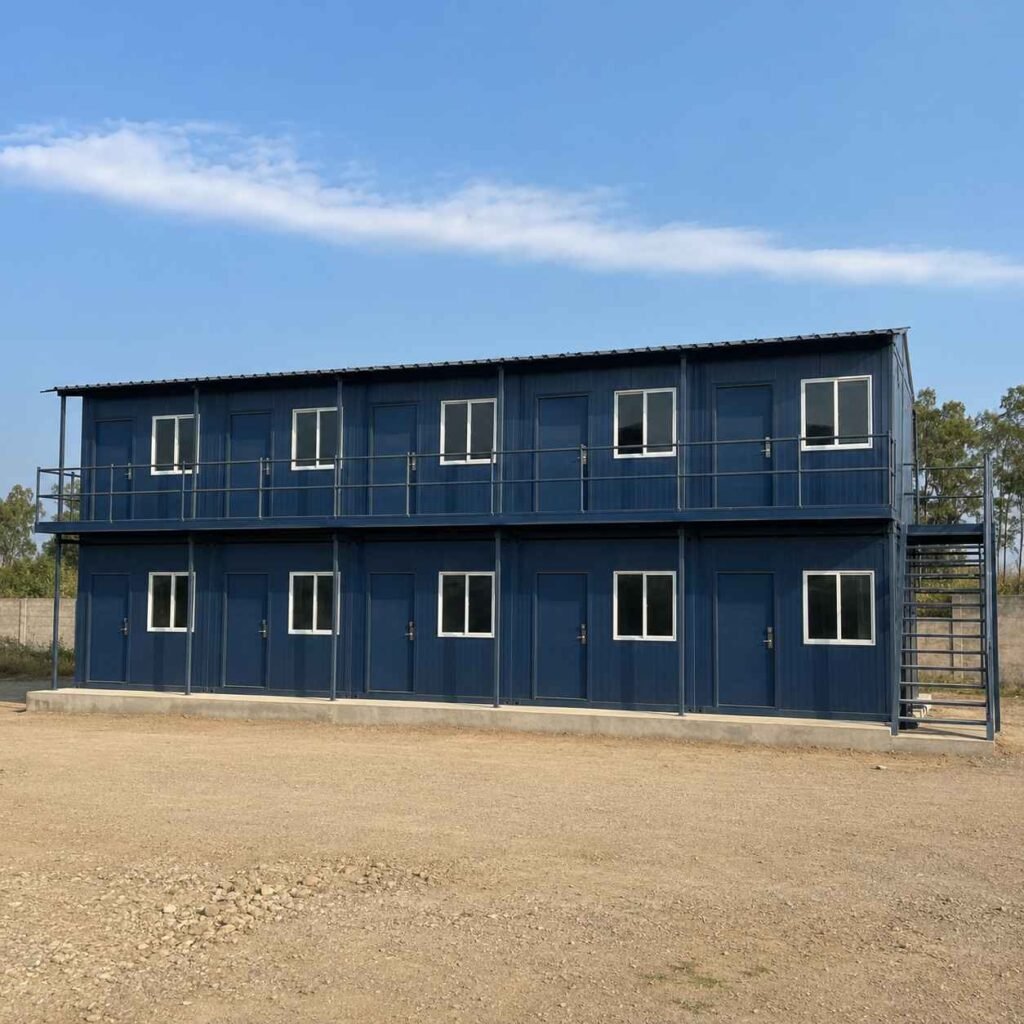
Porta cabin bathrooms are used in many industries. They are versatile and meet different business needs. They are great for construction, events, disaster relief, and rural areas.
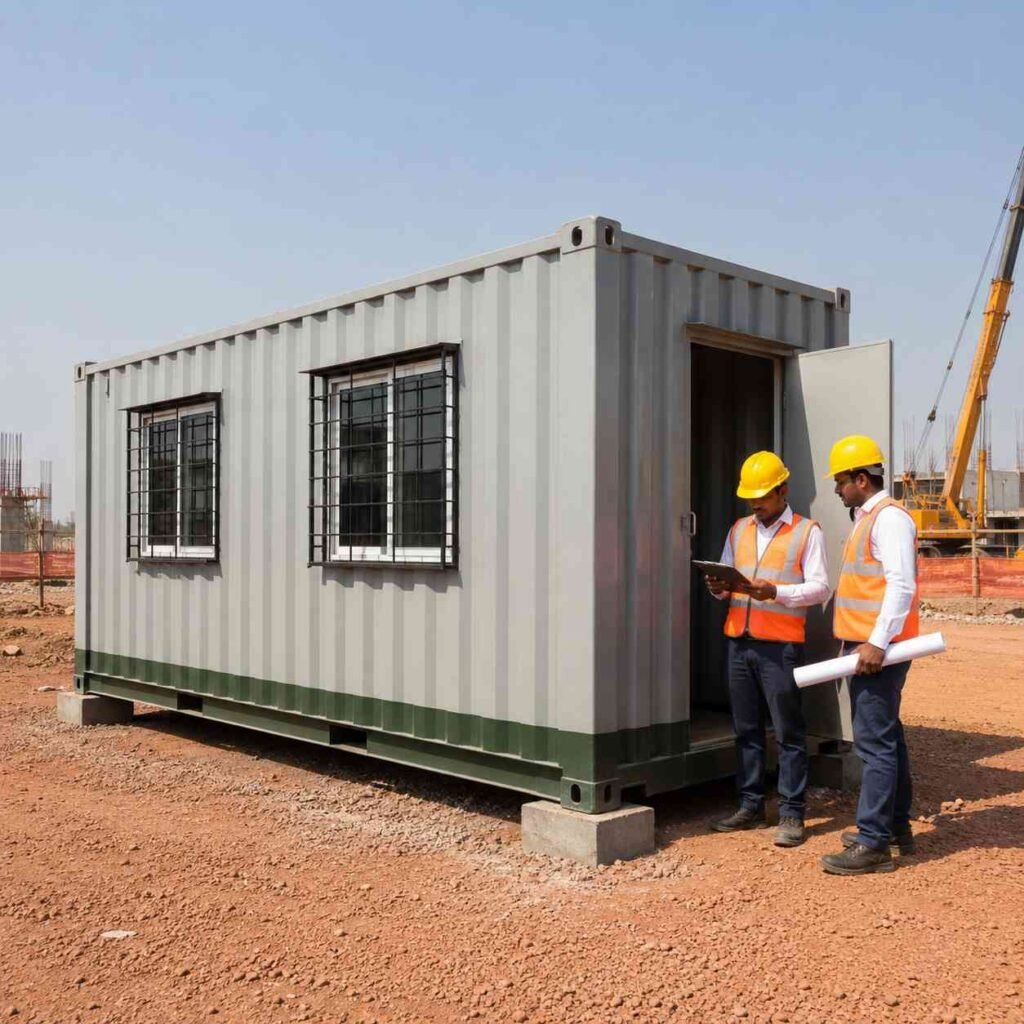
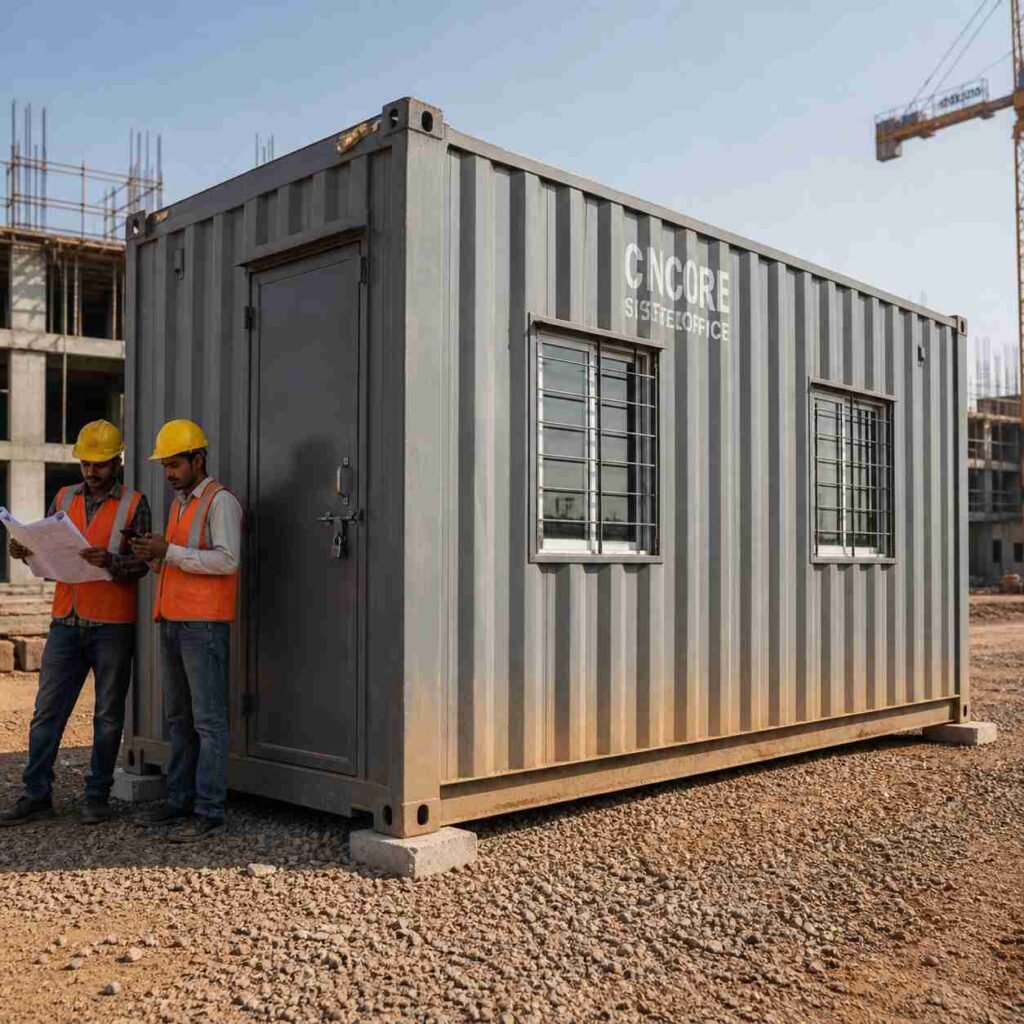
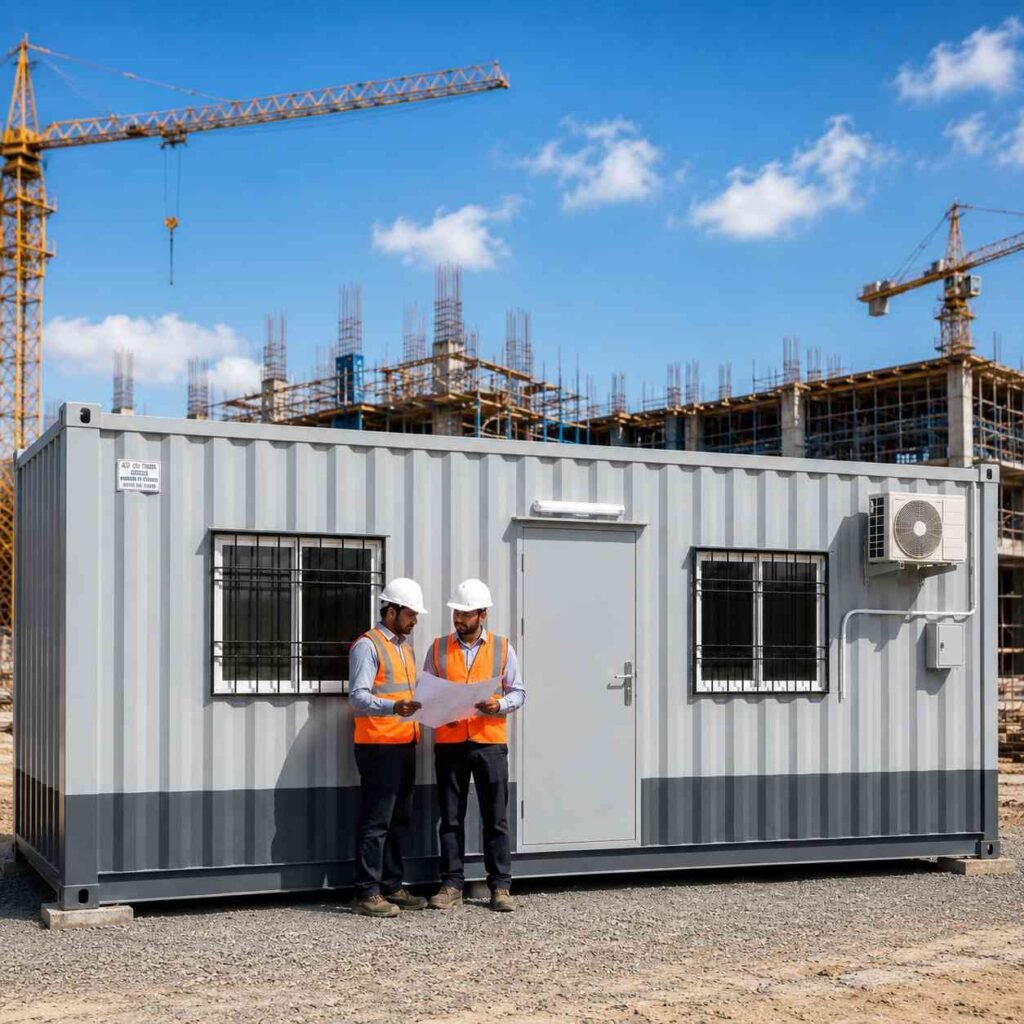
In construction, they provide temporary restrooms for workers. They are easy to move and set up. Event organizers use them for festivals and concerts.
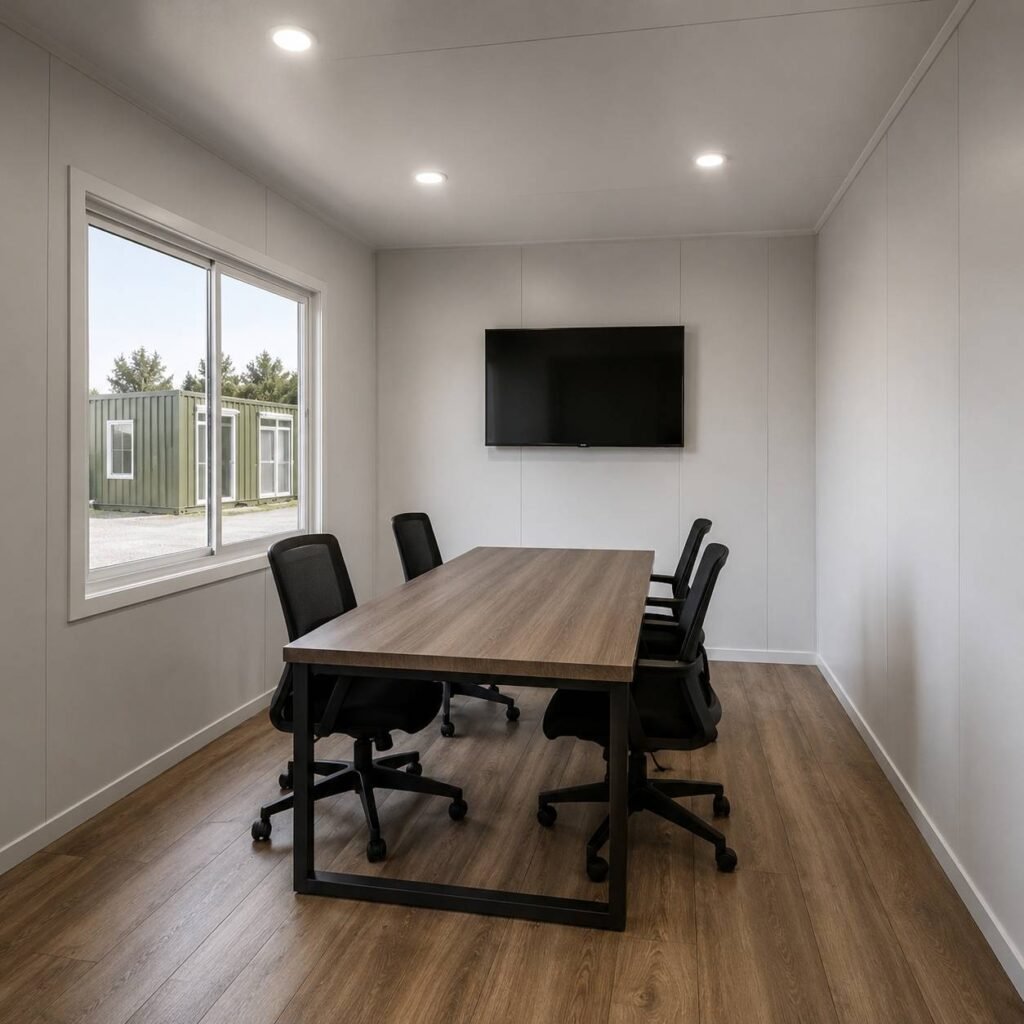
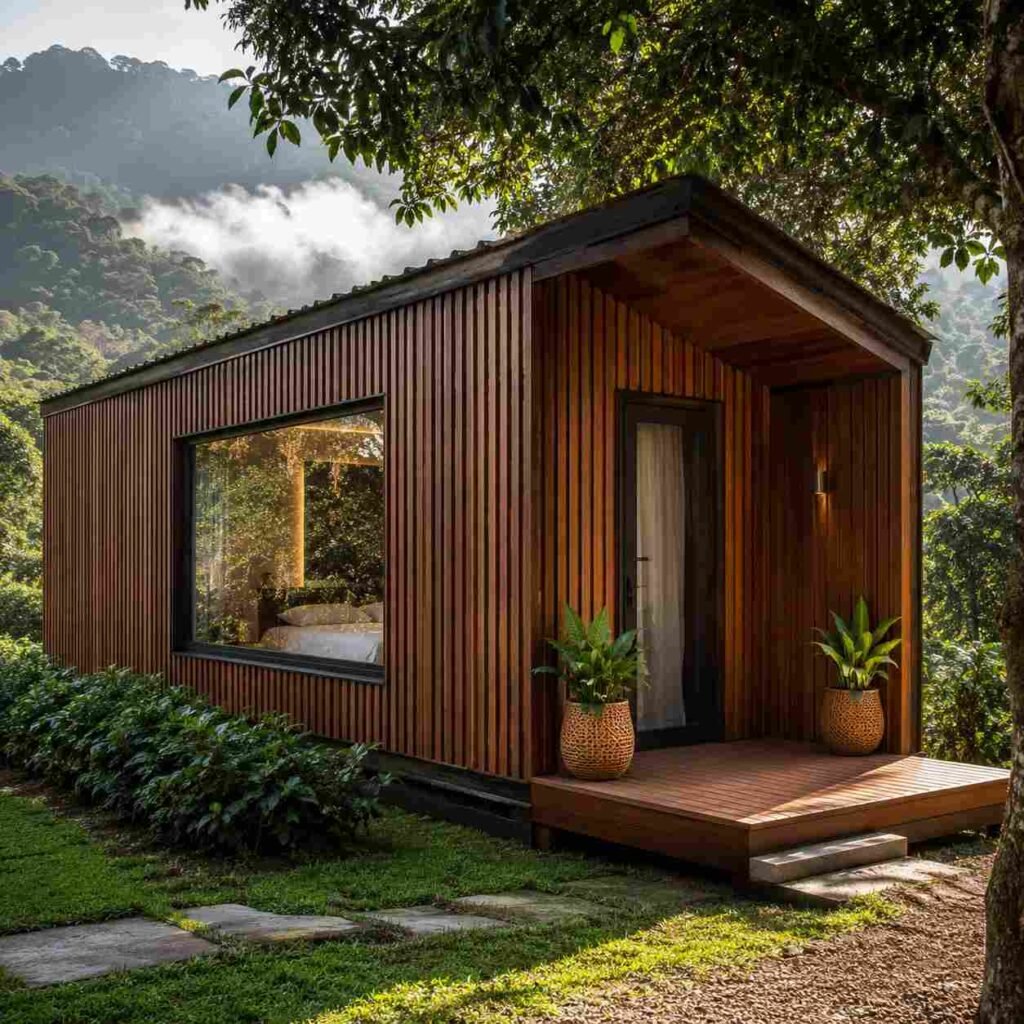
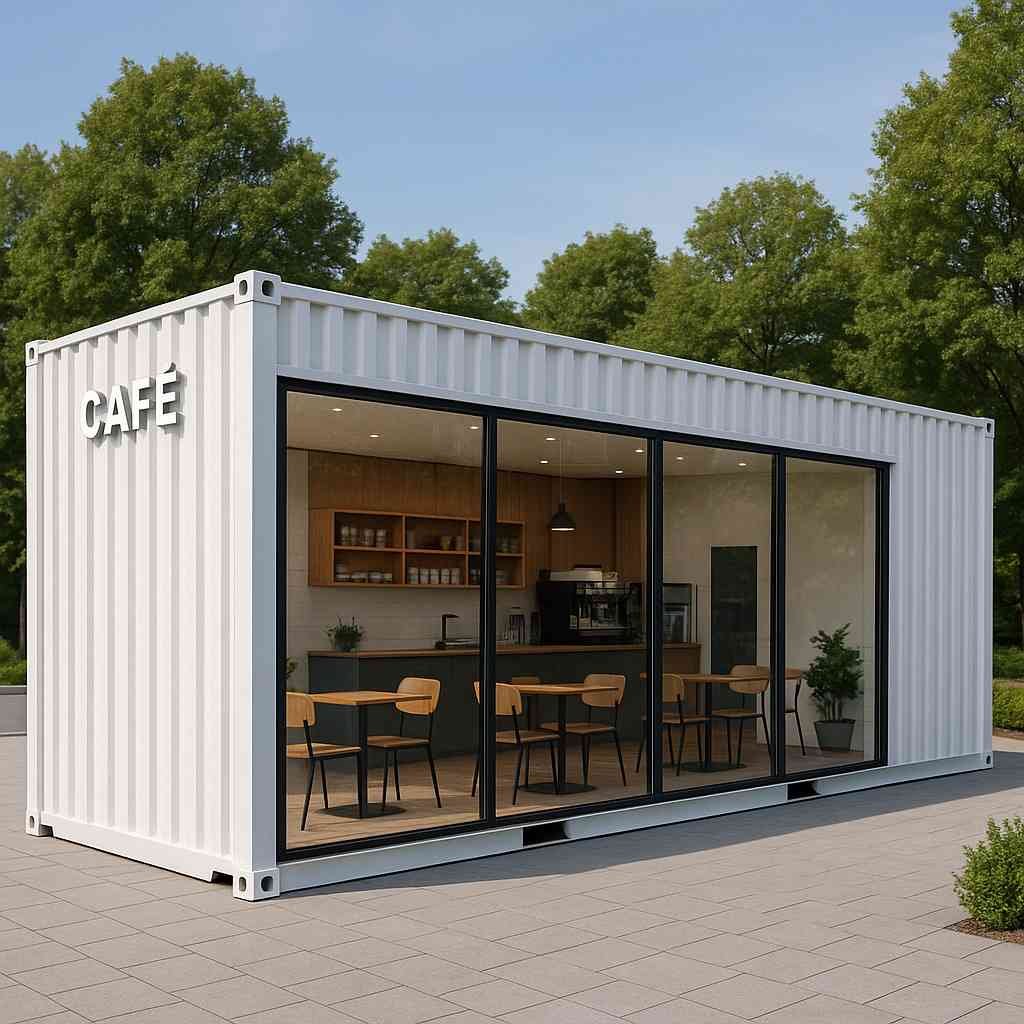
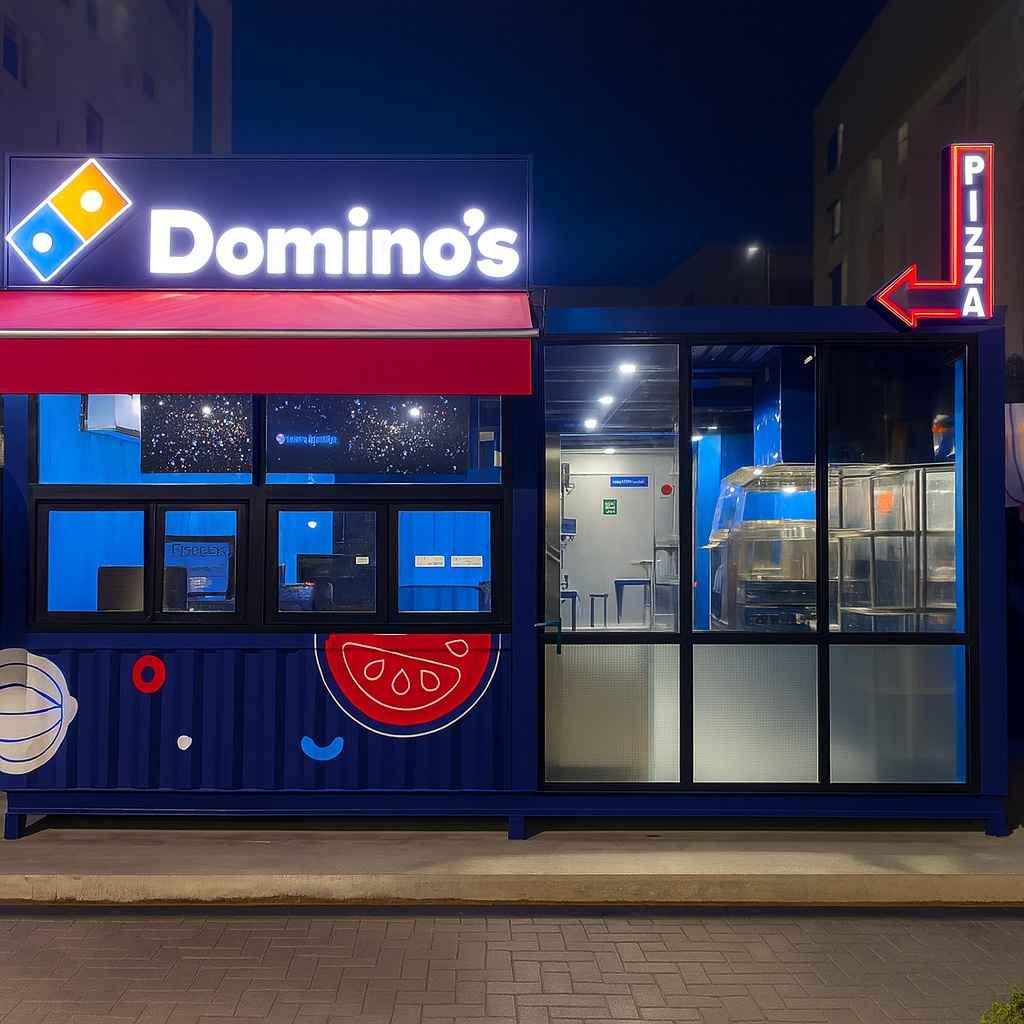
- Portable cabins are used for art studios, pop-up stores, and emergency shelters.
- They can be customized for different needs and rules.
- They are a cost-effective and flexible option for many industries.
During disasters, porta cabin bathrooms are crucial. They offer quick and self-contained solutions. In rural areas, they solve the problem of no permanent toilets.
Porta cabin bathrooms are essential in many fields. They offer a cost-effective, mobile, and customizable solution for various needs.
Environmental Impact and Sustainability
Porta cabin bathrooms focus on being eco-friendly. They use water-saving features and sustainable materials. This reduces their impact on the planet.
Water Conservation Features
These bathrooms use less water than regular toilets. They have low-flow faucets and dual-flush systems. This cuts down water use and eases the load on water treatment plants.
Eco-friendly Materials
They’re made from materials like reclaimed wood and recycled steel. This choice cuts down on new resource use and waste. Plus, their design makes them easy to take apart and reuse.
Many porta cabins also use solar panels or wind turbines. This powers their lights and fans. It means less use of fossil fuels and a smaller carbon footprint.
Porta cabin bathrooms are all about saving water, using green materials, and renewable energy. They show a big commitment to the environment. They help make eco-friendly portable toilets and sustainable sanitation more common.
Installation Requirements and Guidelines
Setting up portable toilet setup or sanitation unit installation needs careful planning. You must check if the site is accessible, the ground is stable, and local rules are followed. It’s important to level the unit, secure it against wind, and have enough room for upkeep.
Some portable toilets need little setup, just a flat spot. But others might need water or power, depending on their features. Always talk to the rental company or installation team to know what your unit needs. This way, you can prepare everything for a smooth setup.
- Ensure proper leveling of the portable sanitation unit for optimal functionality and user comfort.
- Secure the unit against wind and other environmental factors to maintain stability and safety.
- Provide sufficient space around the unit for easy servicing and maintenance access.
- Determine if connections to water or power sources are required, and make the necessary arrangements.
- Familiarize yourself with local regulations and obtain any necessary permits or approvals before installation.
By following these key steps, you can set up your portable toilet or sanitation unit easily. This ensures a comfortable and efficient solution for your mobile sanitation needs.
Safety Features and Compliance Standards
Portable cabin bathrooms are all about safety and following the rules. They must meet many safety standards. This is to keep users safe and follow local sanitation laws.
Regulatory Requirements
Porta cabin bathrooms have to follow many rules, which change based on where they are and who uses them. These rules cover things like anti-slip floors, good air flow, strong locks, and being accessible to everyone. It’s very important to follow these rules to legally run portable toilet services.
Safety Mechanisms
- Sturdy Construction: Porta cabin bathrooms are made with strong materials. They can handle a lot of use and moving around.
- Non-toxic Chemicals: They use safe, green chemicals. This is a big safety point for portable toilets.
- Tipping Prevention: There are safety features to stop the porta cabin bathroom from tipping. This keeps users safe and secure.
- Accessibility Features: Porta cabin bathrooms often have features for people with disabilities. This includes ramps and wide doors.
By focusing on safety and following the rules, porta cabin bathroom providers can offer a safe and clean experience. They also make sure they are operating legally.
Cost Analysis and Return on Investment
Investing in portable toilets can be smart for businesses. It’s both cost-effective and offers a good return on investment (ROI). Starting a portable toilet rental business in the U.S. costs about $160,000. But, this cost is worth it for the long-term benefits these units provide.
The portable toilet rental industry in the U.S. makes about $1 billion a year. It has grown 3.1% each year since 2012. This growth is expected to keep going, thanks to more homes and the need for portable toilets during the COVID-19 pandemic.
A good portable toilet rental business can make a 14% ROI, experts say. This is thanks to smart cost planning. It includes the initial cost, depreciation, maintenance, labor, and overhead. For example, a Las Vegas company charges $130 to $180 a month. They also charge extra for deliveries and extra services like hand wash sinks.
Portable toilets are a great choice for businesses and event planners. They offer flexible and mobile sanitation options. By understanding the costs and potential ROI, companies can make smart choices that help their finances and operations.
In short, portable toilets are a valuable and cost-effective option. By looking at the costs and potential earnings, businesses can make smart choices. This helps them get the most out of these mobile sanitation units.
Customization Options and Accessories
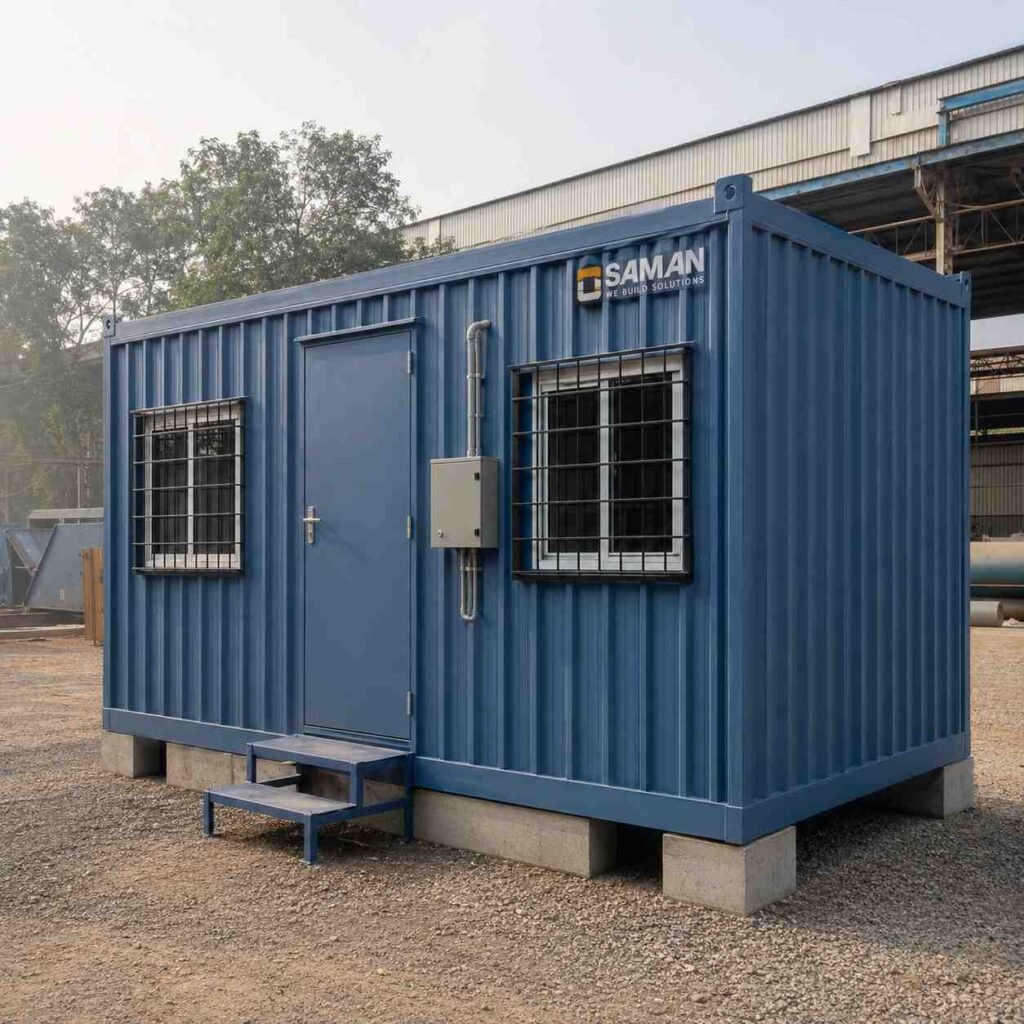
Porta cabin bathrooms from Vishay Porta Enterprises come with many customization options and accessories. We can add luxury features for fancy events, make them accessible for everyone, or use special equipment for tough places. Our team works hard to make the units just right for you.
You can pick the materials, design, color, and size of your porta cabin bathroom. This way, it can match your brand or look perfectly with your project. We also have lots of accessories like hand sanitizer, mirrors, solar lights, and climate control. These add to the usefulness and comfort of our portable toilets.
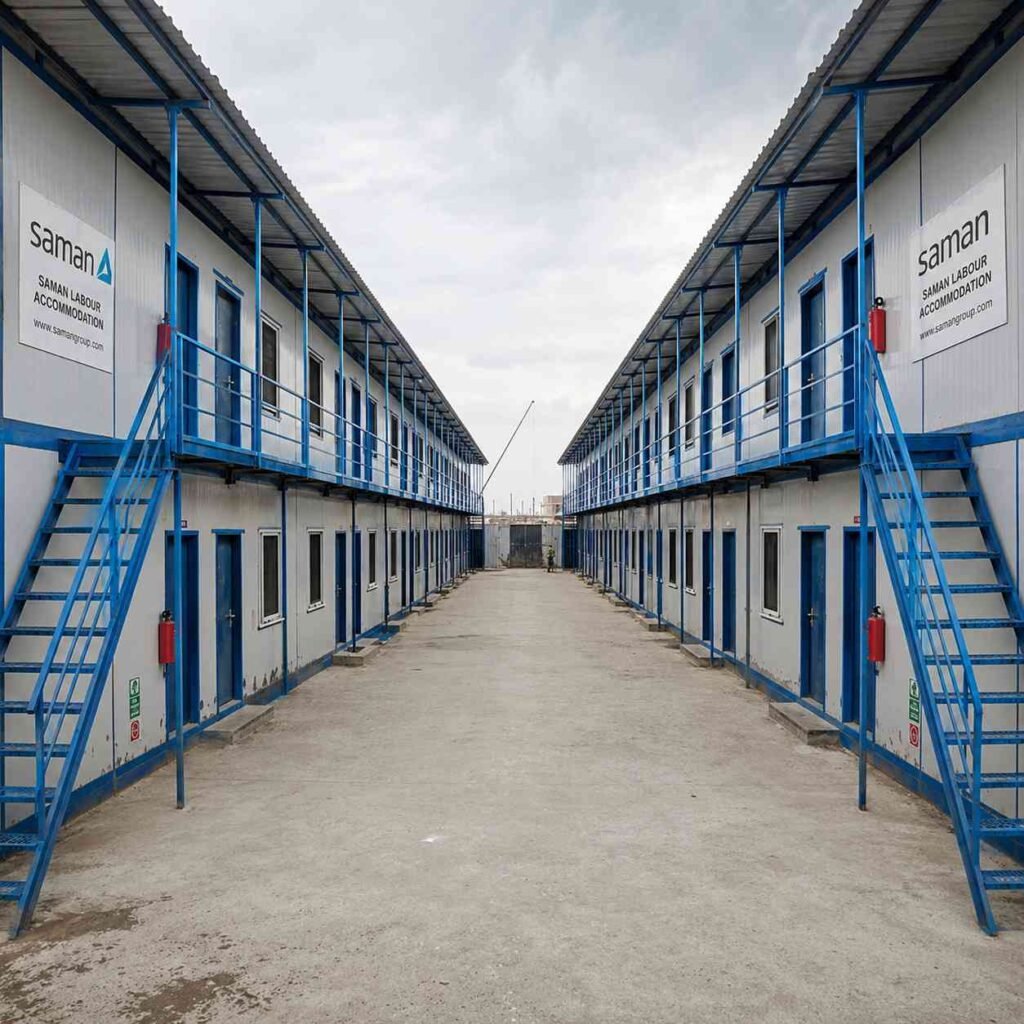
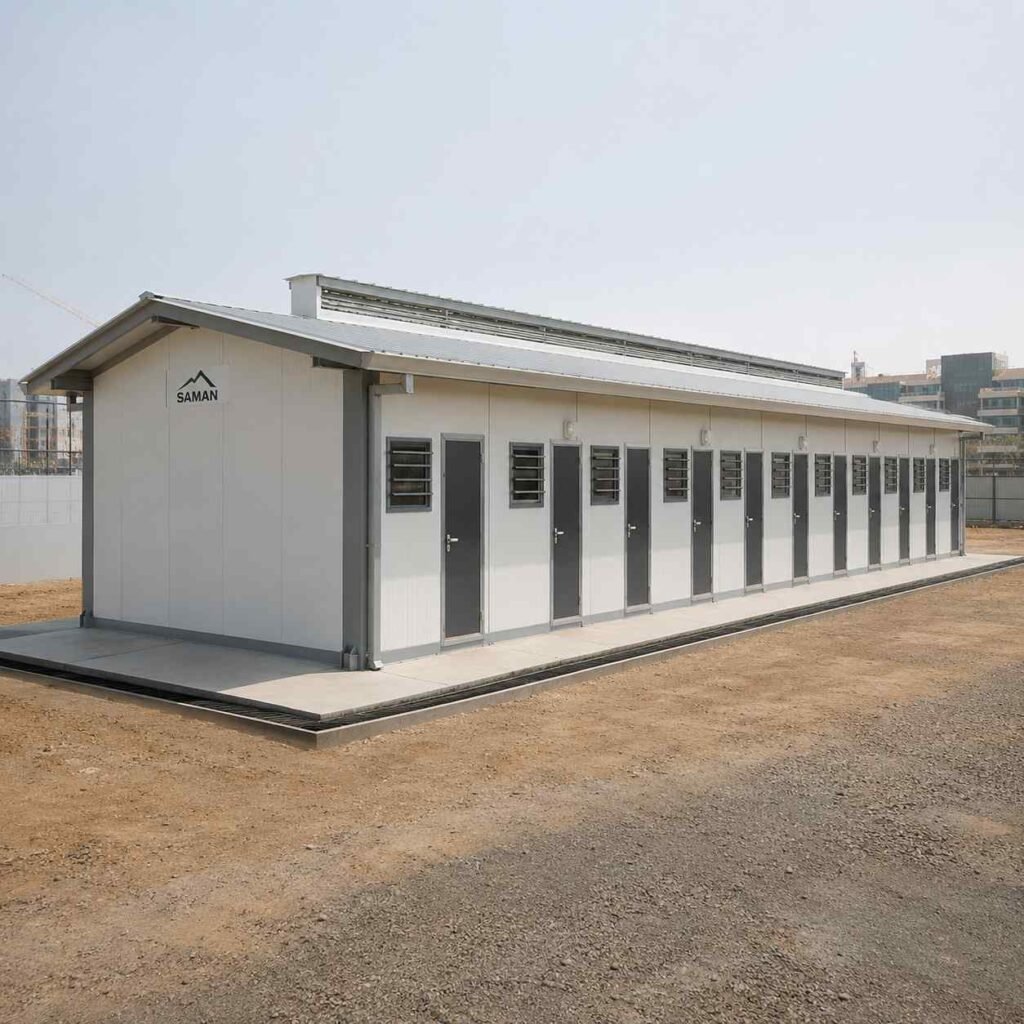
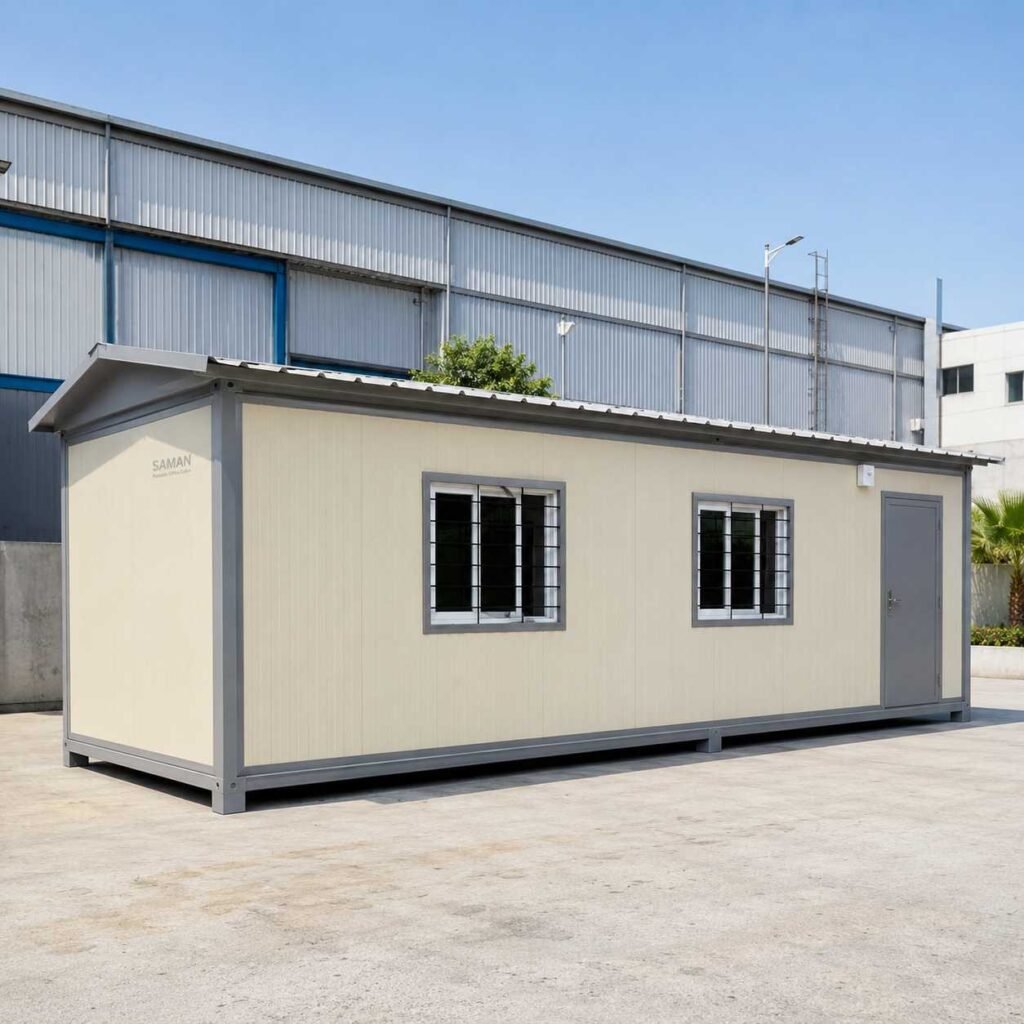
At Saman Portable Cabin, we know everyone has different needs and likes. So, we listen to you and create porta cabin bathrooms that go beyond what you expect. We’re all about being flexible and making sure your portable toilet needs are met. This lets you focus on making your project a success.
FAQ
What are the essential components of a porta cabin bathroom?
Porta cabin bathrooms are self-contained waste systems. They have a toilet seat, holding tank, flushing mechanism, and pressure system. These units provide privacy and hygiene at various locations, like festivals and weddings.
What are the key features and specifications of porta cabin bathrooms?
Porta cabin bathrooms are mobile, convenient, and water-efficient. They’re made from durable materials like molded plastic or fiberglass. The holding tank stores waste and uses chemicals for odor control.
The ventilation system manages odors effectively. It uses a pipe connected to the holding tank.
How have mobile sanitation solutions evolved over time?
Mobile sanitation solutions have grown from basic portable toilets to advanced porta cabin bathrooms. Modern units have better ventilation, spacious interiors, and easy-to-clean surfaces. Chemical toilets and e-toilets have also improved their functionality and user experience.
What are the benefits of using porta cabin bathrooms?
Porta cabin bathrooms are cost-effective, mobile, and easy to install. They provide a convenient sanitation solution for temporary locations. They reduce environmental impact and maintain hygiene standards.
These units are great for events, construction sites, and rural areas without permanent facilities.
How do porta cabin bathrooms operate?
Porta cabin bathrooms use a self-contained waste management system. Waste is collected in a holding tank beneath the toilet seat. Chemicals break it down and control odors.
The flushing mechanism and pressure system transfer waste into the tank. Ventilation is managed through a pipe system that allows warm gases to rise and escape, reducing odors inside the unit.
What design considerations are important for porta cabin bathrooms?
Important design considerations include space optimization, efficient ventilation systems, and appropriate lighting. The layout is planned to maximize user comfort while minimizing the footprint. Ventilation systems manage odors effectively, often using natural airflow principles.
Lighting and electrical requirements are considered for safety and usability in various conditions.
How is waste management handled in porta cabin bathrooms?
Waste management involves regular emptying of the holding tank using specialized equipment like Hoover trucks. The waste is then transported to dedicated cleaning facilities for safe disposal. Chemical treatments break down waste and control odors within the tank.
This system ensures hygienic and proper management of portable toilet waste.
What are the hygiene and maintenance protocols for porta cabin bathrooms?
Maintaining hygiene requires regular cleaning and sanitization. Cleaning procedures include emptying the holding tank, disinfecting interior surfaces, refilling chemicals, and restocking supplies. The frequency of maintenance depends on usage, capacity, and regulations.
Professional service providers handle these tasks to ensure compliance with hygiene standards.
Where are porta cabin bathrooms commonly used?
Porta cabin bathrooms are used across various industries, including construction and events management. They are useful for temporary worksites, outdoor festivals, emergency situations, and areas lacking permanent sanitation infrastructure. These units can be customized to meet specific industry requirements and regulations.
How do porta cabin bathrooms contribute to environmental sustainability?
Porta cabin bathrooms contribute to environmental sustainability through water conservation and the use of eco-friendly materials. They significantly reduce water usage compared to traditional flush toilets. They minimize sewage load on municipal treatment systems and often incorporate recyclable or biodegradable components.
Some models use solar power for lighting and ventilation, further reducing their environmental impact.
What are the installation requirements and guidelines for porta cabin bathrooms?
Installing porta cabin bathrooms requires considering site accessibility, ground stability, and local regulations. Guidelines include ensuring proper leveling, securing the unit against wind, and providing adequate space for servicing. Some models may require minimal site preparation, while others might need connections to water or power sources.
What safety standards and regulatory requirements must porta cabin bathrooms adhere to?
Porta cabin bathrooms must adhere to various safety standards and regulatory requirements. These include anti-slip flooring, proper ventilation, secure locking mechanisms, and compliance with accessibility guidelines. Safety features often incorporate sturdy construction materials, non-toxic chemicals, and design elements that prevent tipping or unauthorized access.
Compliance with local health and safety regulations is essential for legal operation.
How do the costs and return on investment compare for porta cabin bathrooms?
The cost analysis of porta cabin bathrooms considers initial purchase or rental prices, maintenance expenses, and operational costs. While upfront costs may vary, these units often provide a favorable return on investment. They are mobile, durable, and have low maintenance requirements.
They can be particularly cost-effective for temporary or remote locations where installing permanent facilities would be impractical or expensive.
What customization options and accessories are available for porta cabin bathrooms?
Porta cabin bathrooms offer various customization options and accessories to meet specific needs. These may include luxury features for high-end events, accessibility modifications for inclusive use, and specialized equipment for harsh environments. Accessories can range from hand sanitizer dispensers and mirrors to solar-powered lighting and climate control systems.
Customization allows for tailoring the units to particular user requirements or branding purposes.