




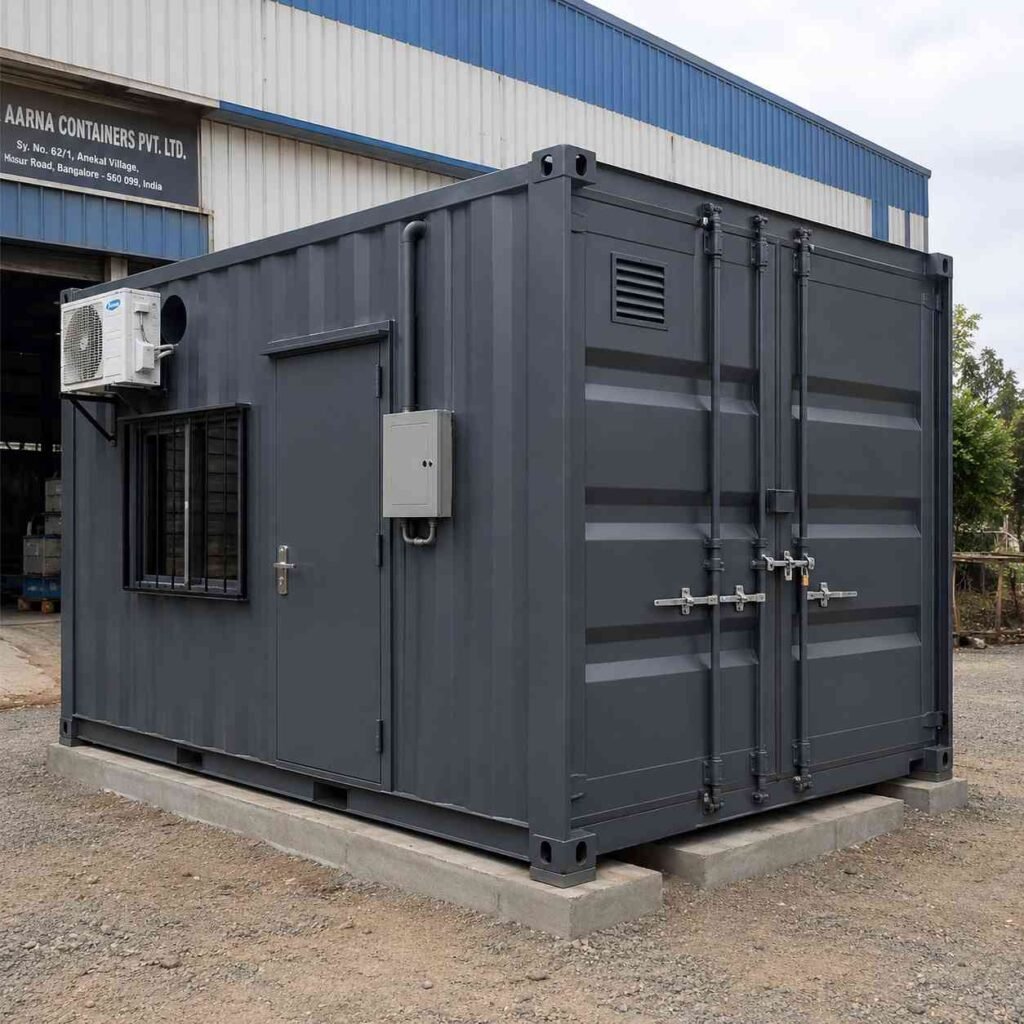


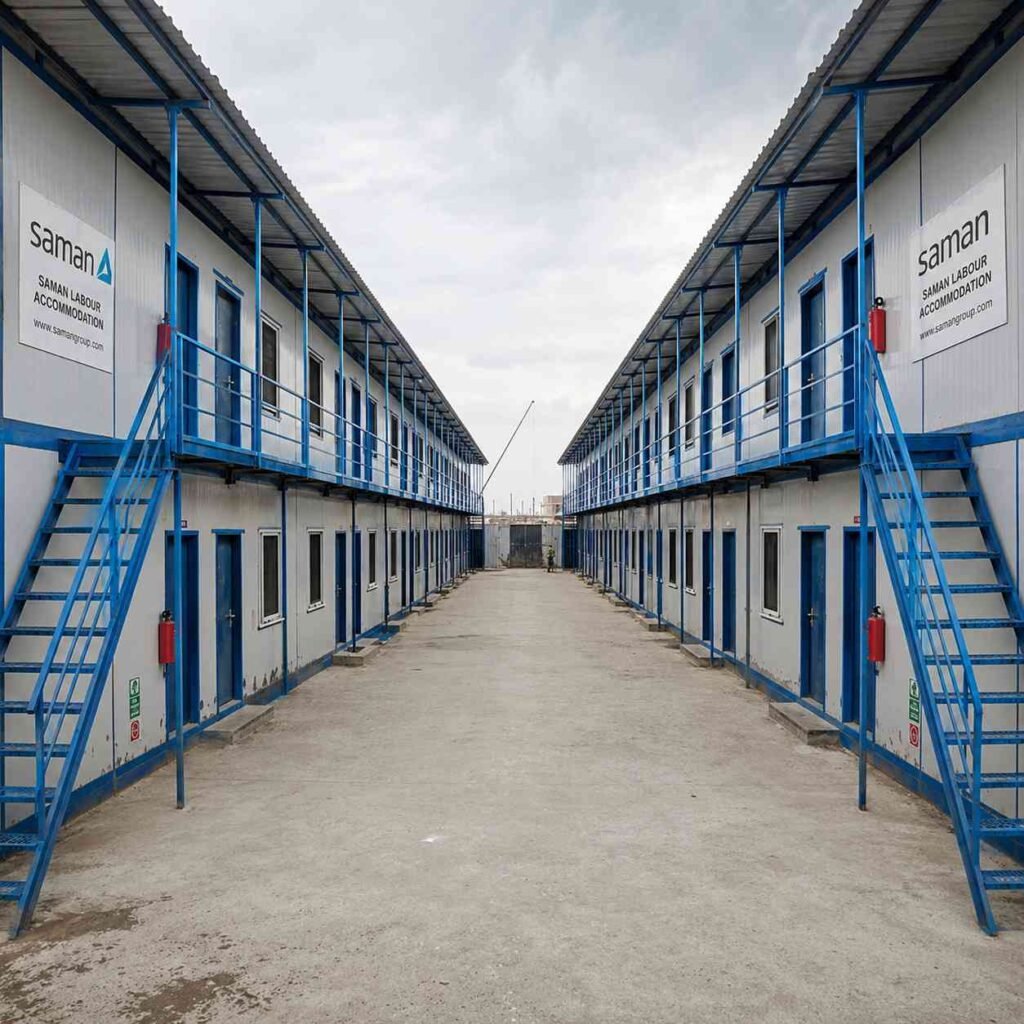
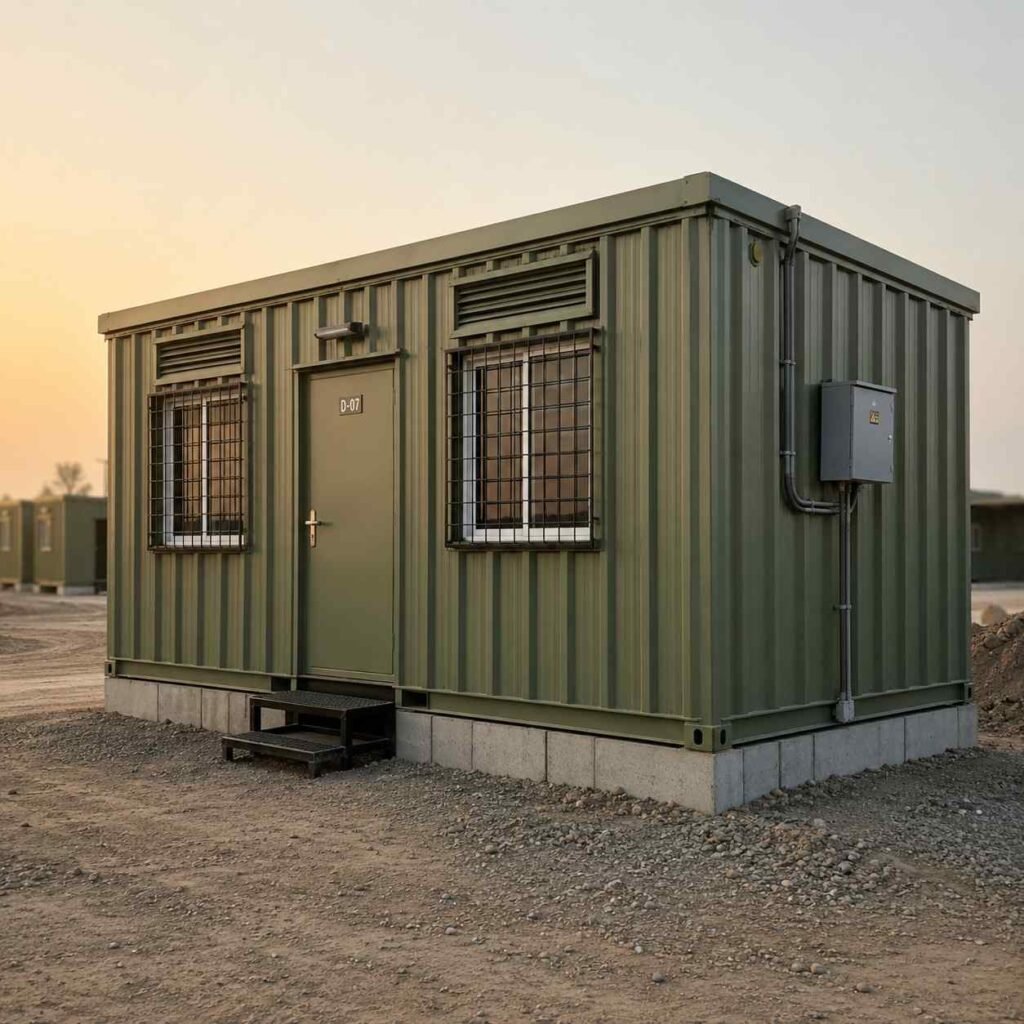

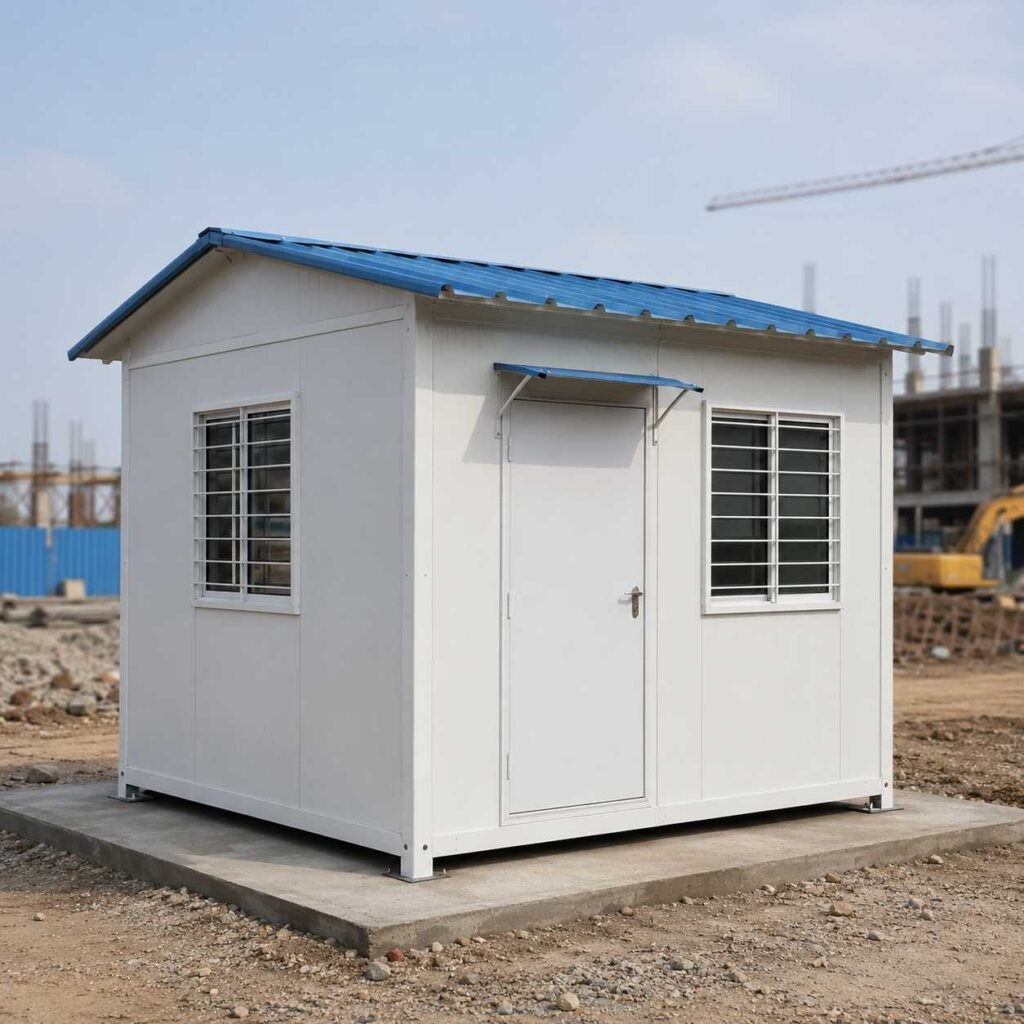




















Shipping Container Price 2025: A Global Buyer’s Guide (with India Spotlight)


Breaking Down the True Shipping Container Price
Most buyers think a shipping container price is simply the cost of the steel box. In reality, the final container cost includes much more. Along with the base container purchase price, you must consider size, condition, transport, and possible modifications. Ignoring these elements can turn a cheap quote into a far higher bill than expected.
Why size and type affect pricing

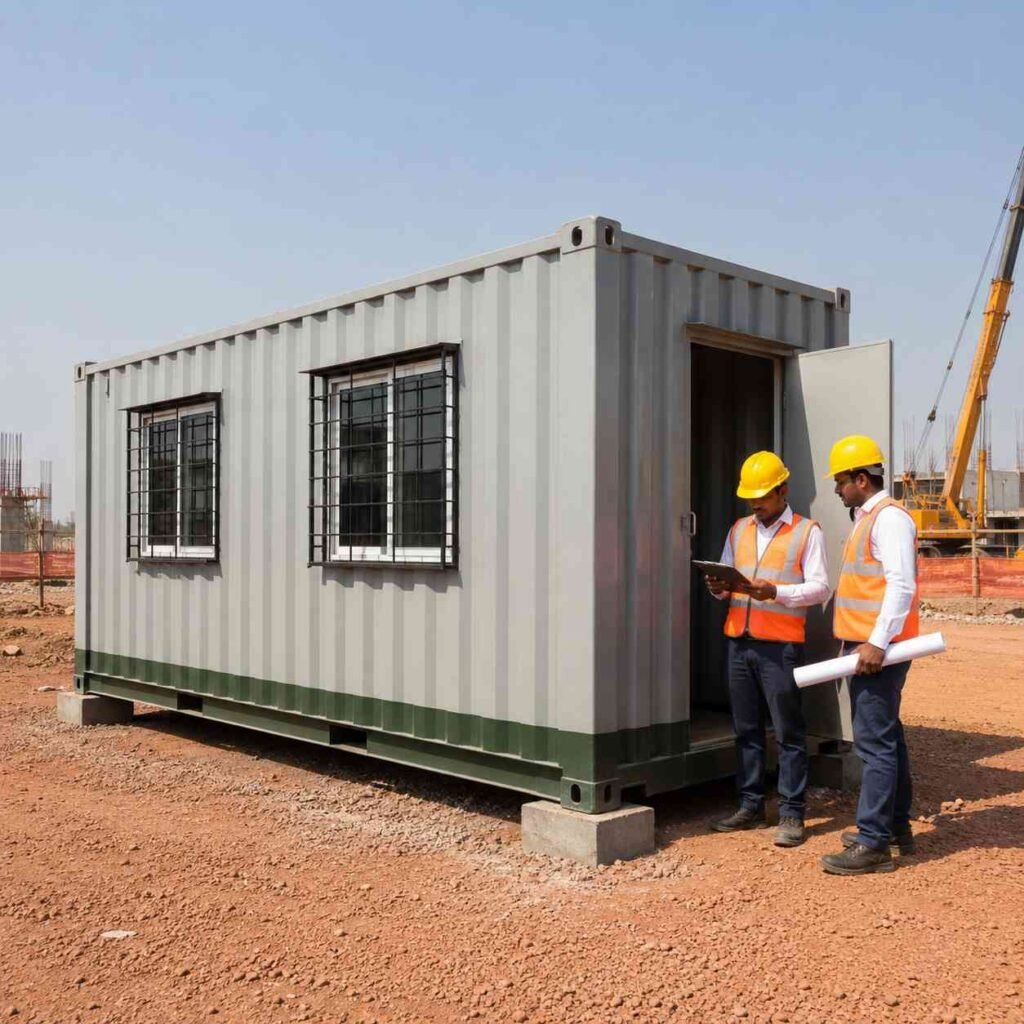
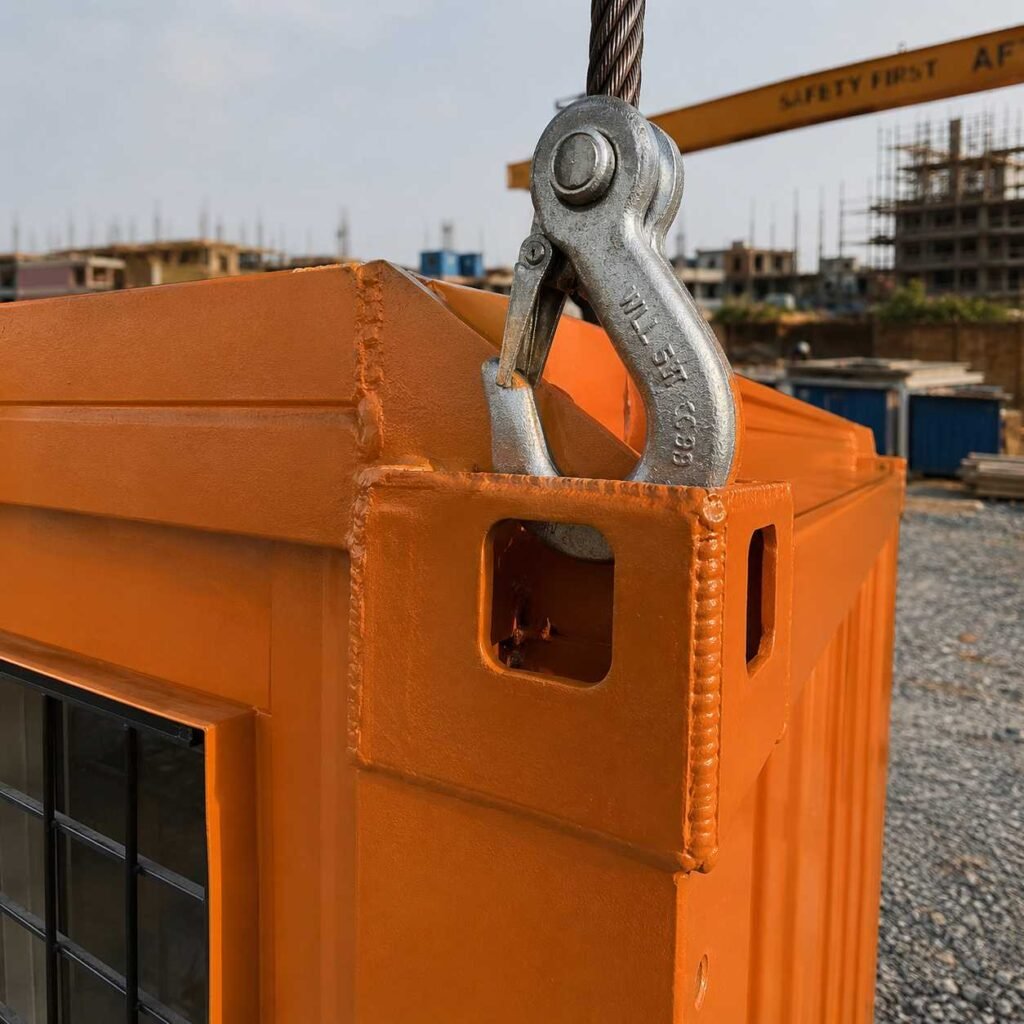
Offloading adds 15–25% to the total container cost, especially at inland sites.
The most visible factor in container pricing is size. A 20ft container cost in India is usually lower, making it common for storage or smaller offices. A 40ft container price trend shows better value per cubic foot, even if the upfront outlay is higher. High-cube containers offer extra height and cost 20–25% more than standard 40ft models.
Container type also changes shipping container rates. Dry containers are the standard baseline. Reefer containers include cooling systems, raising costs by thousands. Flat-racks and open-top containers handle oversized cargo, so their container purchase price is higher. Choosing the right type ensures you don’t pay for features or capacity you don’t need.
Condition tiers and their impact
Condition is another major driver of new vs used container price comparison. Suppliers usually classify stock into three broad categories:
One-trip (new): Almost brand new, used once for transport. Highest price, longest lifespan, and minimal repairs.
Cargo-worthy (CW): Used, but safe for global shipping and reliable for conversions. Mid-range container pricing.
WWT (Wind and Watertight): Cheapest used shipping container price. Good for static storage, but repairs are often required.
For example, a new 20ft unit might cost ₹1,80,000, while a WWT option could be under ₹80,000. That saving looks tempting, but repair, sealing, and repainting costs can quickly narrow the gap. Buyers should weigh upfront savings against lifetime durability.
Beyond the box: hidden container costs
The base container purchase price is only one part of shipping container pricing. Other charges often add 15–25% or more to the final figure:
Transport: Inland haulage from port to site is often ₹40,000–₹75,000 depending on distance.
Offloading: Cranes or hydras may cost ₹25,000–₹50,000 to place the unit.
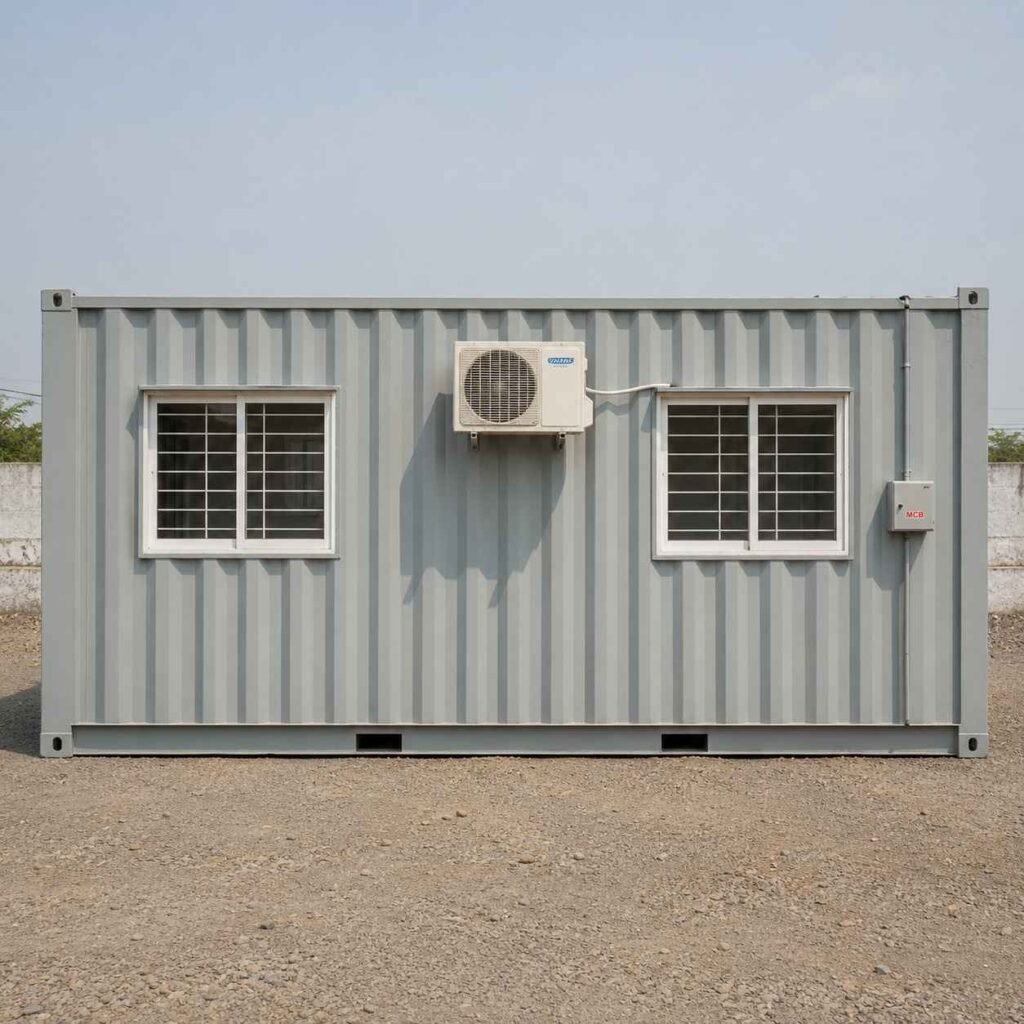
Customization: Windows, insulation, wiring, doors, or paint can double the container cost.
Consider this scenario: a buyer pays $1,000 for a used container at Nhava Sheva. Add $500 for transport, $300 for offloading, and $1,200 for modifications. The real shipping container price is closer to $3,000. Without this wider view, budgets collapse quickly. For detailed cost examples, explore our container offices price guide, which shows how basic container pricing changes once transport and fit-outs are included.
Key lessons for smart buyers
When reviewing quotes, treat the price of a container as a starting point rather than the full figure. Always ask suppliers:
What is the container’s size and type?
Which condition applies—one-trip, cargo-worthy, or WWT?
What will transport and offloading cost?
How much will modifications raise the total?
Comparing container pricing fairly means comparing the total ownership cost, not just the sticker rate. By asking the right questions and looking at the bigger picture, buyers protect themselves from hidden charges.
Global Trends Shaping Shipping Container Price 2025

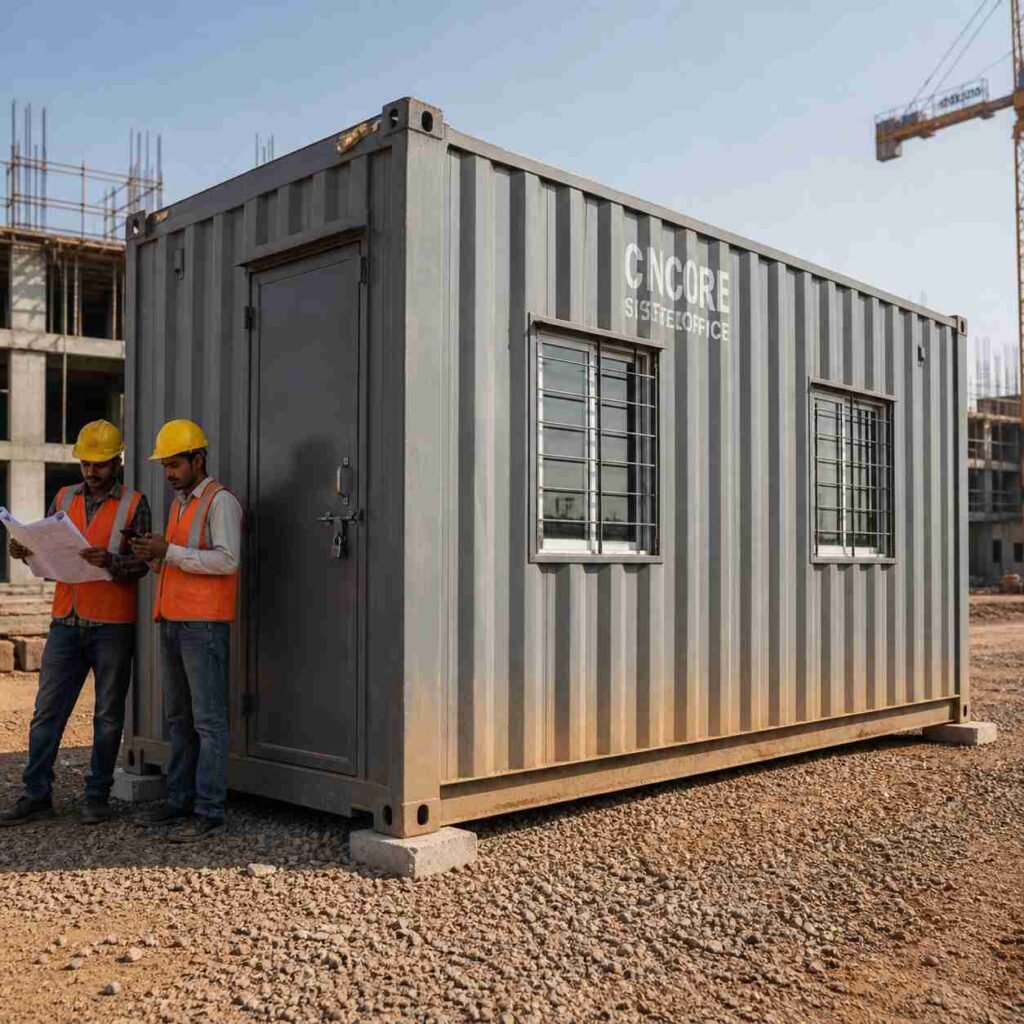
When demand jumps and supply lags, prices rise—then normalize.
In 2025, the shipping container price is shaped by a mix of global trade recovery, supply chain adjustments, and regional market swings. Buyers see more stability compared to the wild price surges of 2021–2022. However, container pricing still shifts across ports and regions, showing why context is critical when planning purchases.
Recovery from past volatility
During the pandemic, shipping container rates surged. A standard 40ft container once crossed $4,000 at many ports. By 2023, those numbers dropped sharply as demand cooled. Now in 2025, container cost is more balanced. Buyers can expect moderate fluctuations rather than extreme spikes, though prices still react to sudden global trade changes.
Role of supply and demand cycles
Container pricing always responds to supply and demand cycles. When more containers are built or repositioned to busy ports, shipping container rates ease. Shortages drive costs higher. In India, availability near major hubs like Mumbai and Chennai helps keep the 40ft container price trend more affordable than inland markets, where supply is thinner and transport adds expense. The Drewry World Container Index confirms how supply-demand cycles shift shipping container rates globally week by week.
Impact of global trade shifts
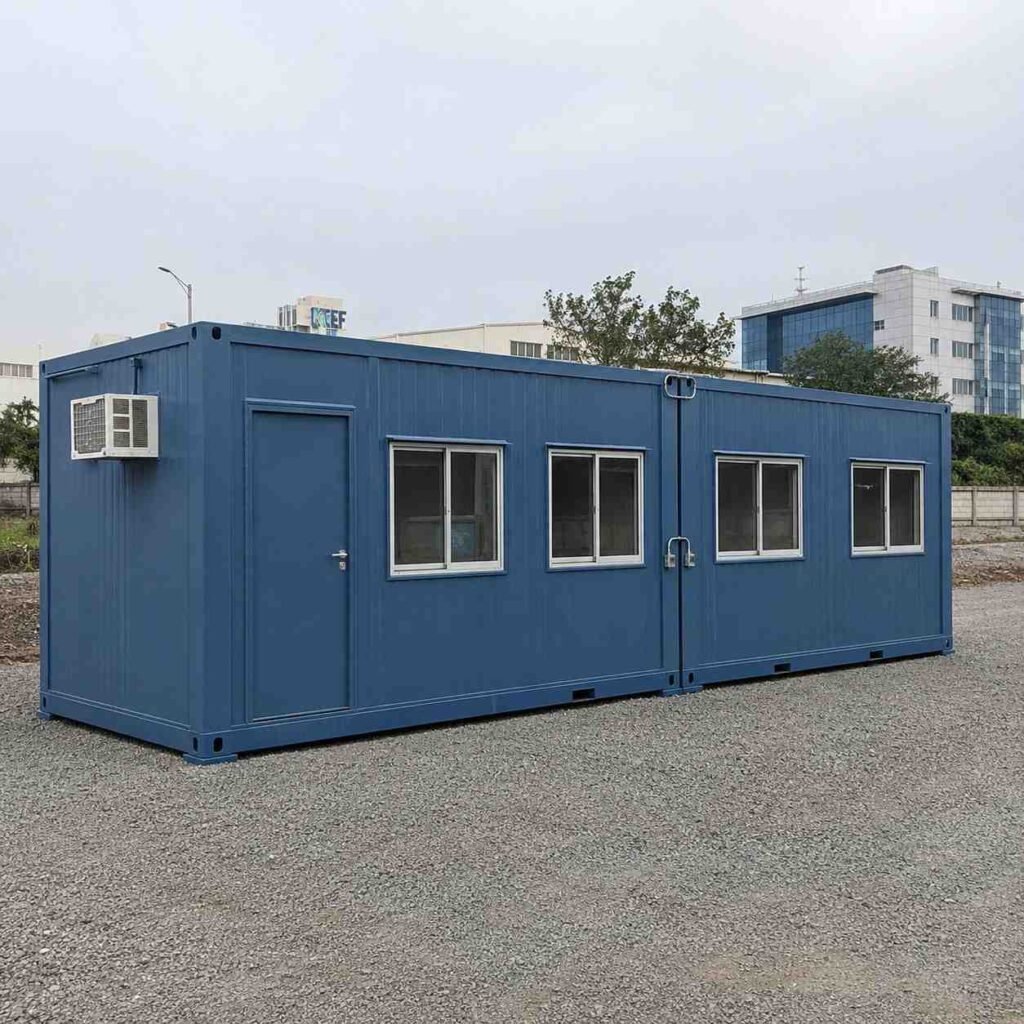
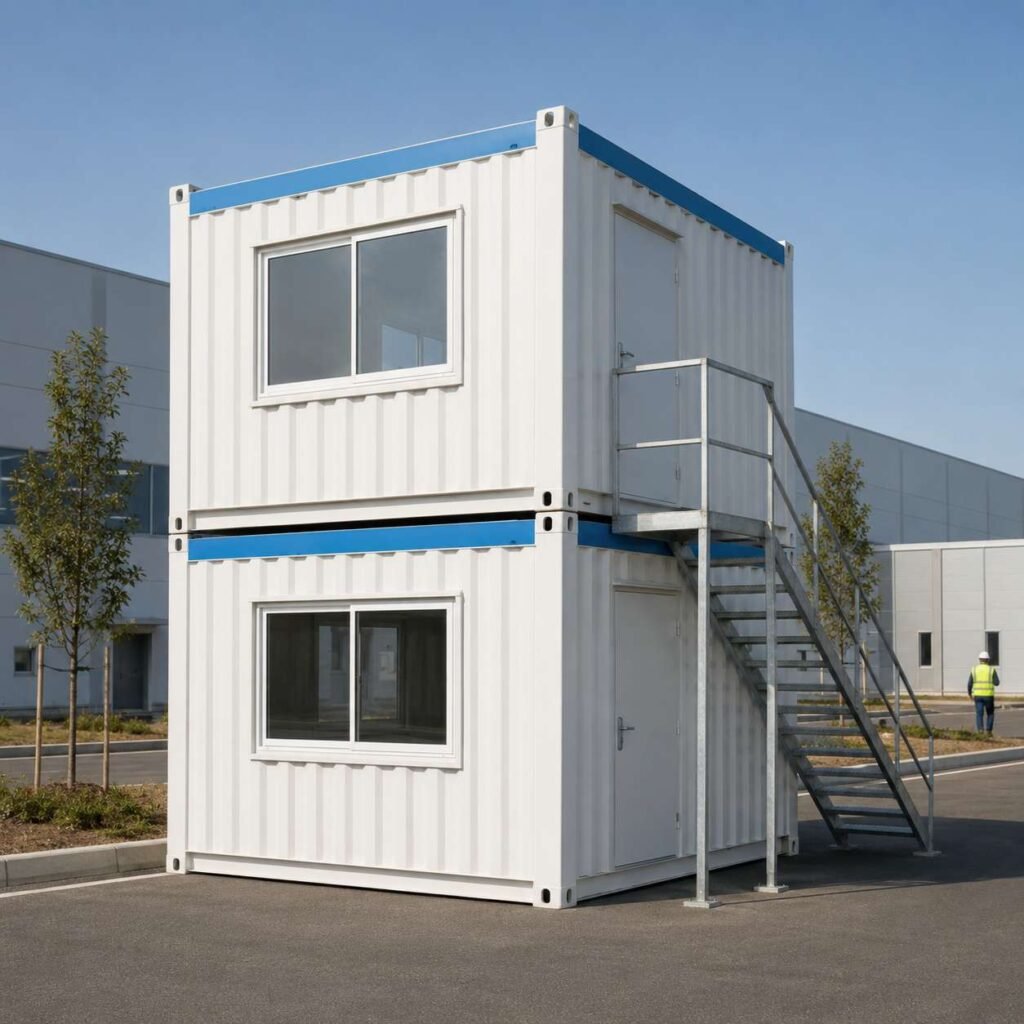
Global trade routes are reshaping container cost. E-commerce growth drives demand for small shipments, raising the value of 20ft units. At the same time, bulk goods like steel and chemicals push demand for larger 40ft and high-cube models. International conflicts, sanctions, and fuel price swings also ripple through container pricing, creating local highs and lows. These shifts also affect how containers are repurposed across industries. Our overview of types of container offices highlights how demand trends influence design and usage.
Regional differences buyers must note
Prices are no longer uniform. A 20ft container in Southeast Asia may cost $950, while the same box in Europe exceeds $1,400. India’s average sits in between, reflecting both domestic demand and global linkages. Understanding these gaps is essential. Buyers focused only on local numbers often misjudge the real shipping container price landscape.
Why stability favors smart planning
The current market favors steady planners. Unlike past years when buyers rushed to secure any available unit, today you can compare quotes calmly. This allows evaluation of container purchase price across sizes, types, and conditions. It also gives space to plan for hidden expenses like transport and customization without pressure from volatile shipping container rates.
Key buyer takeaways
Expect stability, not chaos. Prices now move in ranges, not huge jumps.
Regional gaps matter. Port proximity shapes final container cost.
Demand cycles continue. High seasons raise rates; slow months ease them.
Global forces ripple. Fuel, conflicts, and trade policies change shipping container price levels.
Plan smarter. Use stable conditions to negotiate better deals and budget more accurately.
Comparing Shipping Container Price by Size & Type

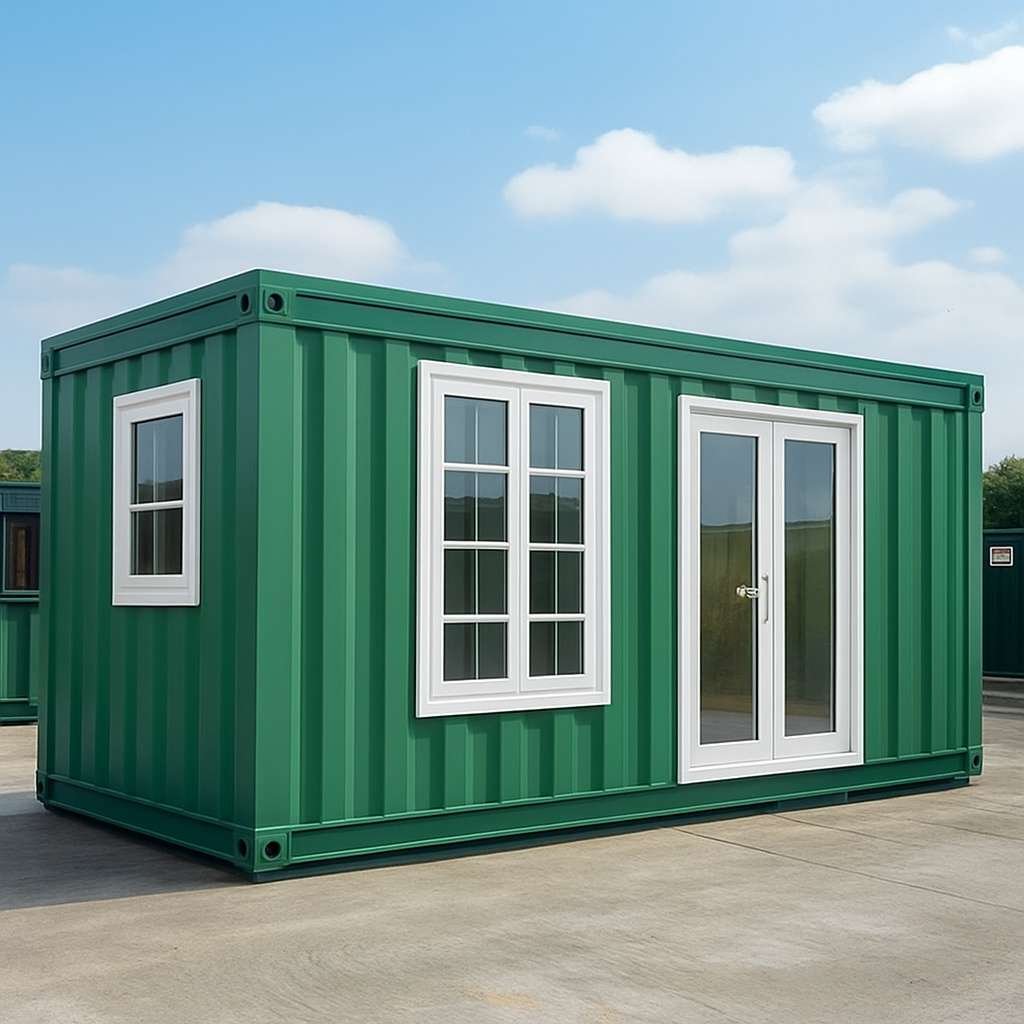
Reefers add equipment cost and ongoing power usage.
One of the most important factors in any shipping container price is the combination of size and type. Buyers often compare 20ft and 40ft units, but overlooking high-cube or specialized models can lead to mismatched budgets. In 2025, container pricing varies sharply across these categories, so understanding the breakdown is vital before finalizing a deal.
Standard dry containers and value gaps
The standard dry container is the backbone of the industry. For many buyers, these units set the benchmark for container cost.
20ft containers: Affordable entry-level option, suited for storage or short-term site use. The 20ft container cost in India can be nearly half that of a 40ft, but the usable space is less than half, which makes value per cubic foot lower.
40ft containers: Higher upfront cost, but more economical per unit of space. The 40ft container price trend shows global buyers choosing these for conversions, offices, or bulk cargo.
40ft High-Cube (HC): Adds an extra foot of height. Though usually 20–25% more expensive, HC units are cost-effective for tall shelving, double-bunk housing, or high-volume cargo.
The takeaway is simple: 20ft looks cheaper on paper, but the 40ft or HC often delivers better value over time.
When planning layouts, review container office design ideas to see why high-cube units often deliver the best return in conversions.
Specialized containers and their premiums
Beyond standard dry units, specialized containers significantly affect shipping container rates.
Reefer (refrigerated) containers: Equipped with cooling systems. These cost two to three times more than a standard dry box. Running costs for power and maintenance also raise lifetime container purchase price.
Open-top containers: Designed for oversized cargo loaded from above. They command a premium due to their reinforced structure.
Flat-racks: Built for heavy machinery or irregular loads. They are more expensive to buy and harder to source in inland markets.
Tank containers: Used for liquids and chemicals. Their cost depends heavily on lining material and compliance standards, making them some of the most expensive container pricing categories.
Choosing a specialized model requires clear justification. Without specific cargo or conversion needs, paying these premiums rarely makes financial sense.
New vs used across sizes and types
New vs used container price comparison becomes especially important when looking at size and type.
New 20ft containers: Around ₹1,80,000 in India.
Used 20ft units: As low as ₹80,000, but with repair and sealing needs.
New 40ft containers: Often above ₹2,20,000.
Used 40ft units: ₹1,20,000 to ₹1,50,000 depending on condition.
Specialized used units: Reefers or flat-racks may cost more secondhand than new dry containers, due to limited supply.
Buyers should not just chase low prices. A WWT 20ft may seem cheaper, but repainting, waterproofing, and floor replacement may erase the saving. In contrast, paying a higher container purchase price for one-trip units often reduces long-term maintenance costs.
Lessons for buyers comparing options
When choosing between container sizes and types, keep these lessons in mind:
Bigger may be cheaper per cubic foot. A 40ft high-cube delivers more usable space relative to cost.
Special features cost extra. Only pay for reefers, tanks, or flat-racks if your project demands them.
Used shipping container price varies. Verify condition with inspection reports to avoid hidden repair bills.
Lifetime value beats upfront savings. Calculate ownership costs over years, not just the sticker price.
The best way to read a shipping container price is to see it as part of a category grid—20ft, 40ft, HC, or specialized. Each choice carries different trade-offs, and the smartest buyers compare value, not just headline numbers
New vs Used Shipping Container Price: ROI and Lifespan

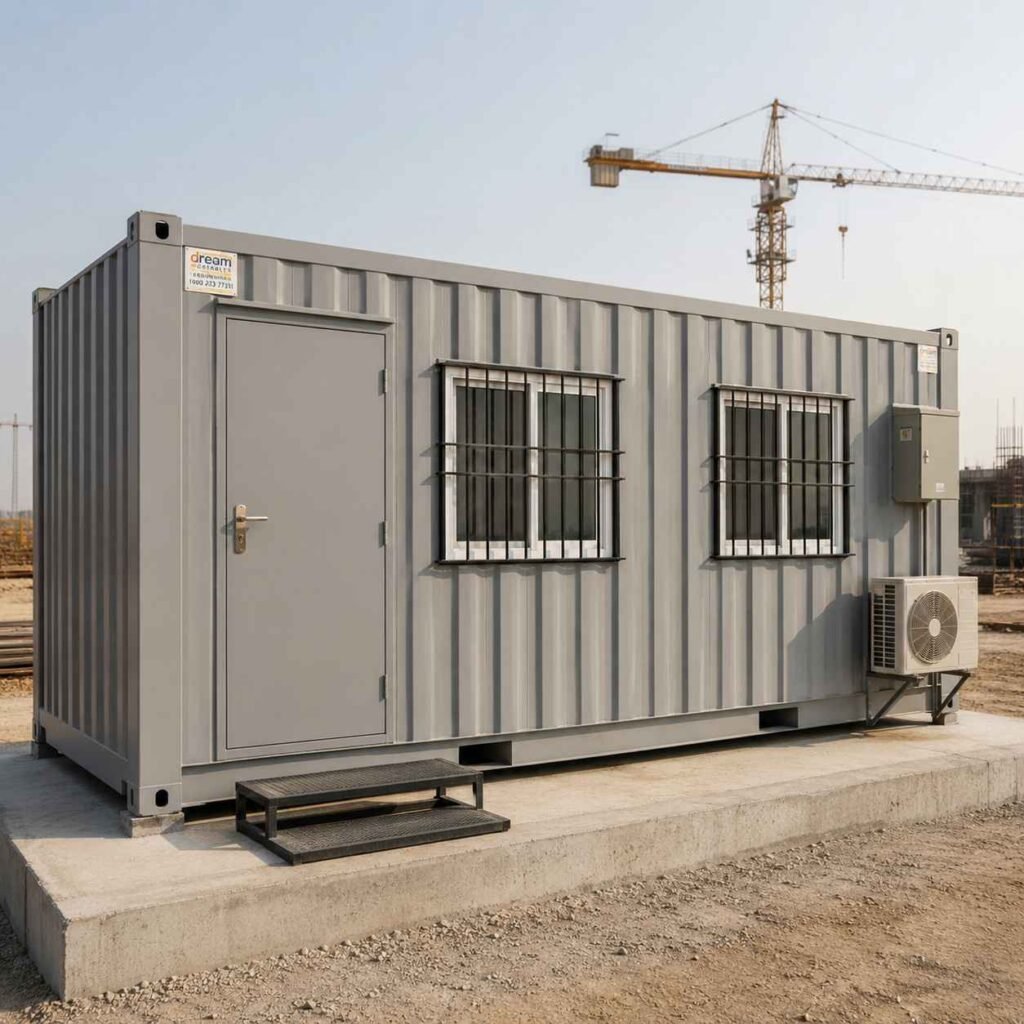
New costs more upfront; used can save—condition decides ROI.
When looking at a shipping container price, buyers often face the choice between new and used. Each option carries its own advantages, costs, and long-term value. Understanding this new vs used container price comparison helps prevent overspending and ensures the unit performs well for its intended use.
Why new containers are worth the premium
A new or one-trip container means it has been used only once from the factory. These boxes come with clean interiors, fresh paint, and minimal wear. For many projects, this condition justifies a higher container purchase price.
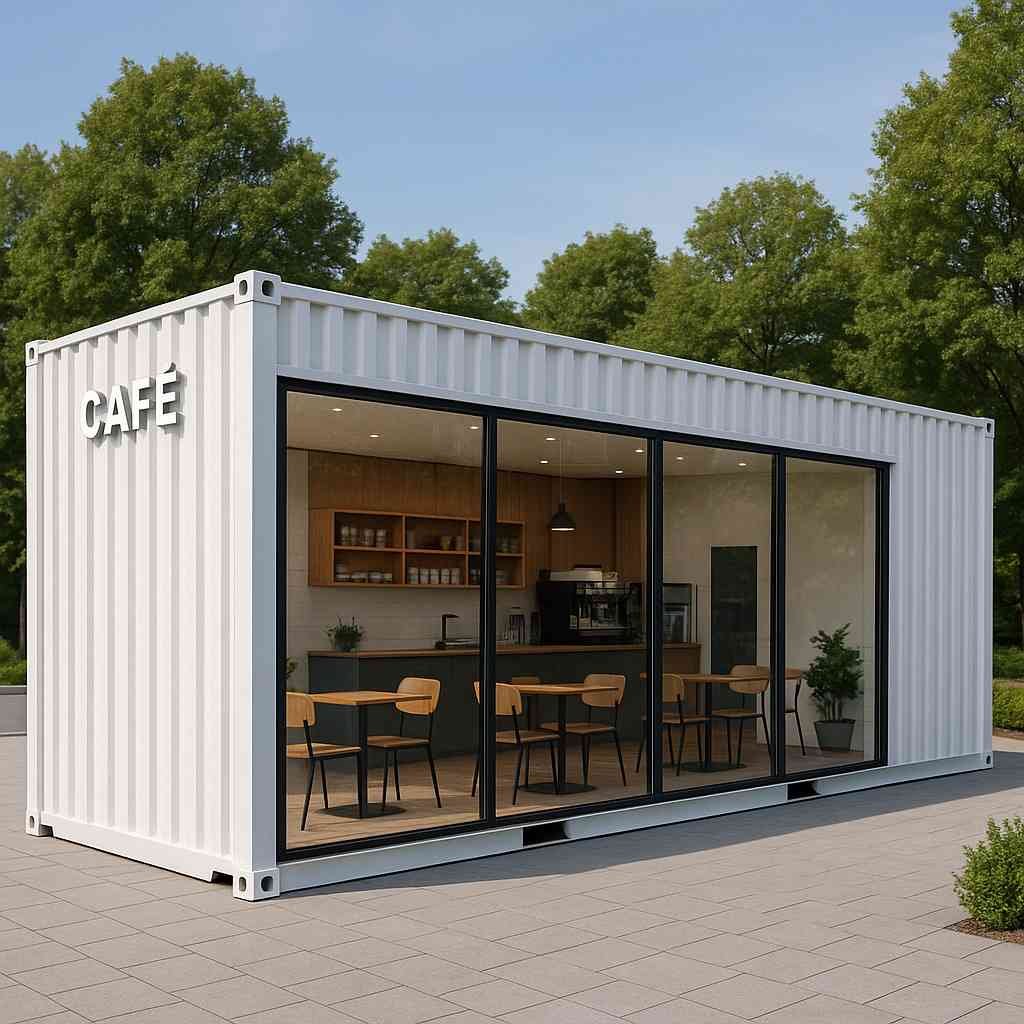
Aesthetics and branding: Businesses converting containers into offices, cafés, or retail spaces need a professional finish. New containers provide that without costly refurbishing.
Longer service life: With minimal rust and damage, new containers last 15–20 years without major repairs.
Customization benefits: Cutting new doors or windows into a fresh unit ensures structural integrity, reducing repair costs later.
Although their container pricing is at the top end, new containers bring peace of mind and reduce hidden maintenance costs.
How used containers deliver savings
Used shipping container price points are far lower. Buyers can save up to 50% compared to new. These savings appeal to businesses that only need storage or temporary space.
Wind and Water Tight (WWT): Cheapest option, fine for static storage.
Cargo-worthy (CW): Approved for international shipping, still reliable for conversions.
Budget-friendly: A used 20ft container may cost ₹80,000 versus ₹1,80,000 for new.
The trade-off is condition. Older containers may show dents, faded paint, or flooring damage. Repairs like sealing leaks, welding joints, or repainting should be factored into container cost. Without this, what looked cheap may turn expensive.
Return on investment across use cases
ROI depends on how the container will be used.
Short-term storage: A used 20ft box is cost-effective. Its limited life span is not an issue for a one-year project.
Conversions to housing or offices: A new or cargo-worthy unit is better. Modifications cost money, and starting with a stronger shell saves future expense.
Resale value: New containers can often be resold for 60–70% of their original price. Old WWT units may have little to no resale demand.
Therefore, the smartest buyers calculate ROI not only from the purchase but also from the container’s full lifecycle.
Maintenance and lifespan outlook
Maintenance is a hidden but important part of new vs used container price comparison.
New containers: Minimal upkeep for a decade, aside from paint touch-ups.
Used containers: May need ₹20,000–₹50,000 in early repairs. Annual upkeep should be budgeted at 2–5% of container cost.
Lifespan: New units last 20+ years, cargo-worthy about 10–15 years, and WWT only 5–10 years depending on climate.
The lifespan difference means new containers often deliver better value per year of use, despite higher initial cost.
For buyers exploring housing projects, our container houses portfolio shows how new vs used choices impact long-term ROI.
Buyer checklist for choosing new vs used
When deciding between new and used, always:
Compare shipping container rates for all three conditions.
Ask for inspection photos and manufacturing year.
Calculate long-term maintenance against upfront savings.
Match container pricing choice to your project’s lifespan.
This structured approach ensures you do not overspend or under-invest.
India’s Shipping Container Price Reality Check

Real costs begin at the port—supply and distance matter.
India is one of the fastest-growing container markets, and its unique mix of port activity, transport challenges, and seasonal demand makes local container pricing different from global averages. Buyers comparing shipping container price quotes in India must look beyond the sticker cost to understand how local factors change the total bill.
Port proximity drives affordability
Container cost is lowest near India’s busiest gateways—Mumbai (Nhava Sheva), Chennai, and Mundra. These ports receive the highest volumes, ensuring stronger supply.
20ft container cost in India: At Nhava Sheva, used units can be as low as ₹80,000, while new ones cross ₹1,80,000.
40ft container price trend: In Chennai, new high-cube units often exceed ₹2,20,000, while used versions sit closer to ₹1,20,000.
Inland locations like Pune or Nagpur face higher shipping container rates due to road or rail transport fees. Buyers should add 10–20% for inland logistics when budgeting.
Seasonal and project-based fluctuations
Container pricing in India is also tied to project cycles and weather.
Monsoon season: Deliveries slow, and inland transport becomes costly. Prices tend to rise during these months.
Construction and infra projects: Demand for site offices and storage units peaks during new project launches, creating temporary spikes.
Festive trade surges: Export volumes increase before Diwali and Christmas, raising demand for shipping containers at ports.
Planning purchases outside peak seasons often saves money, as suppliers offer discounts when demand is softer.
How taxes and duties shape final price
The quoted shipping container price is rarely the complete figure. Buyers must include taxes and duties:
GST: Goods and Services Tax adds 18% on new container purchases.
Customs duties: Imported containers may include additional charges depending on type and origin.
Transport permits: Oversized shipments often require special permissions, adding cost.
For accurate budgeting, buyers should always request a full breakdown from suppliers.
Who buys containers in India?
India’s container buyers fall into clear categories, each with specific needs:
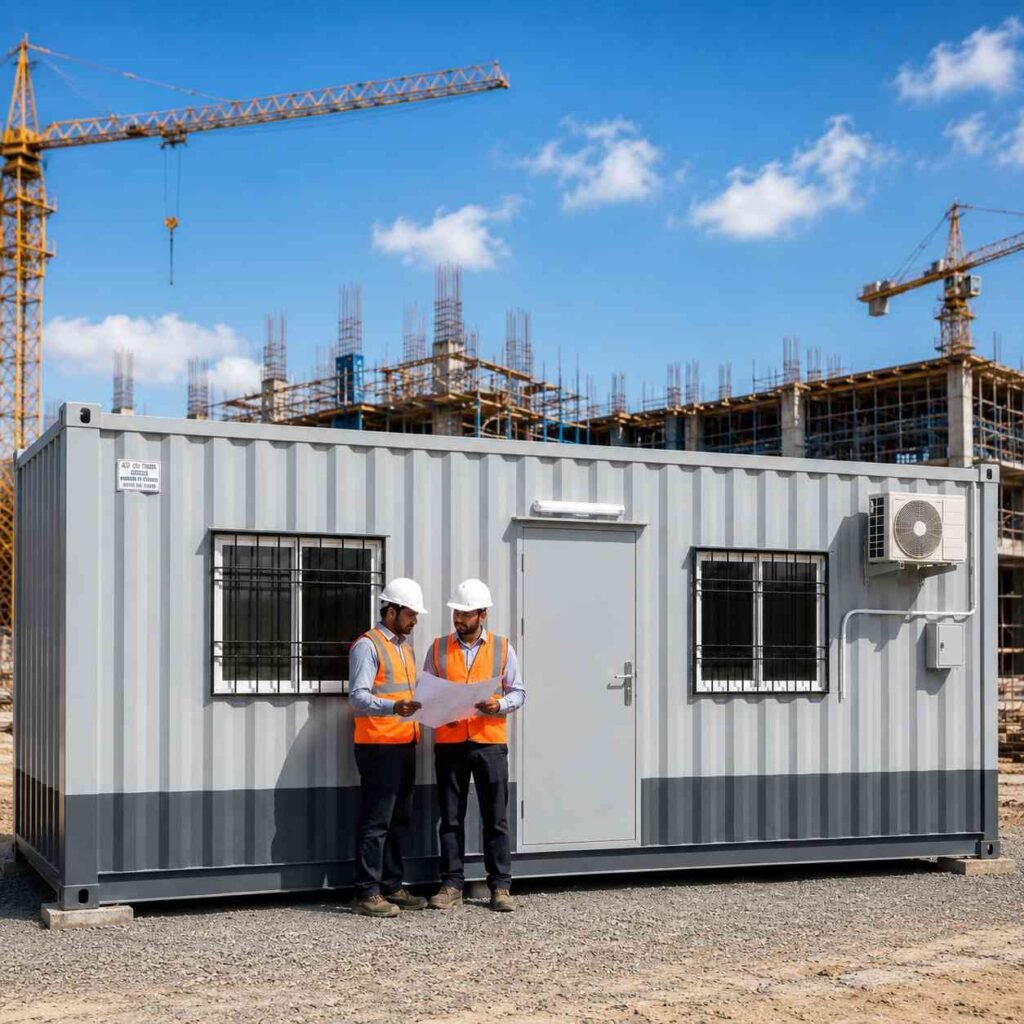
Construction firms: Use containers for site offices, worker housing, and storage.
Retail and F&B: Small restaurants and cafés increasingly convert units into container cafés.
Education and healthcare: Schools and clinics in remote regions use them for temporary infrastructure.
Logistics providers: Still the largest buyers, using cargo-worthy boxes for freight and warehousing.
Each sector looks at container pricing differently. For example, a retailer may justify a higher container purchase price for a clean one-trip unit, while a construction site may be happy with lower-cost WWT storage boxes.
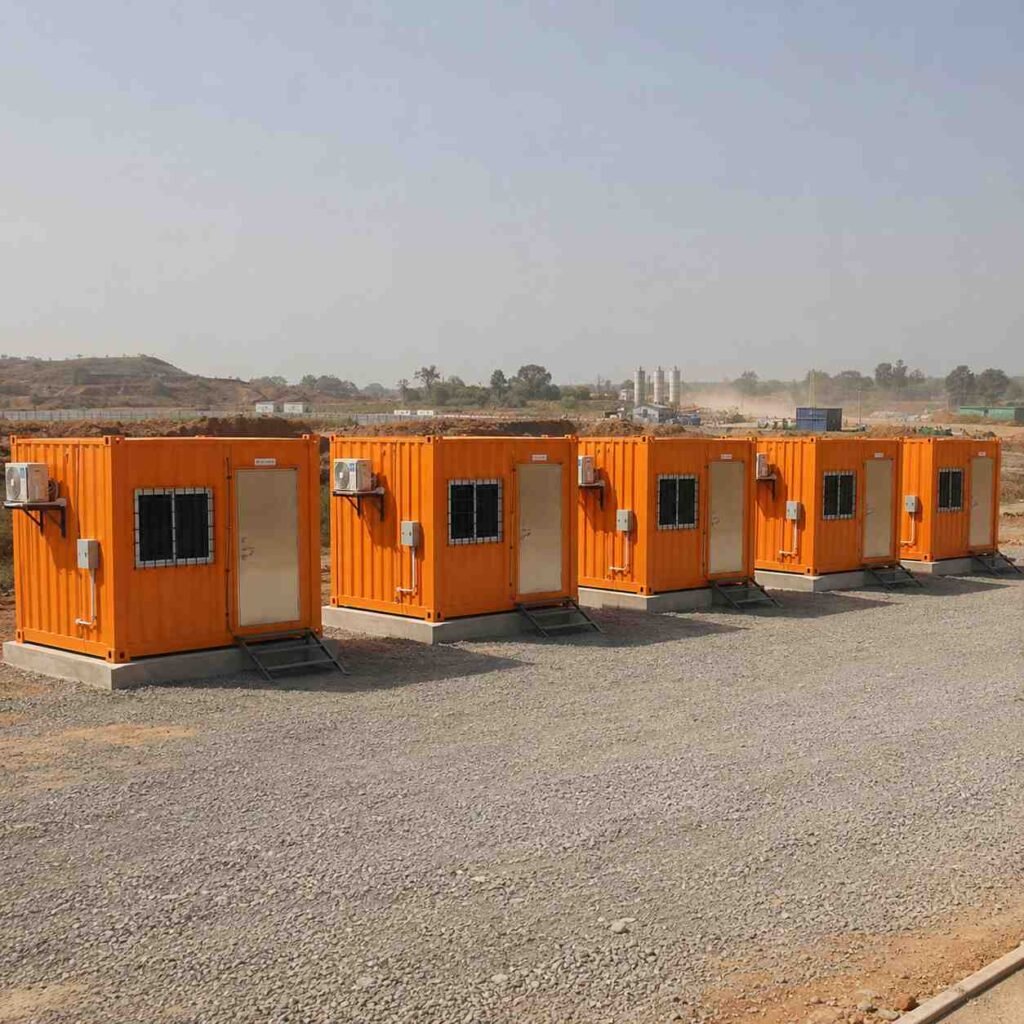
See our range of container offices that cater to construction firms, retailers, and education providers across India.
Key lessons for Indian buyers
Buy near ports if possible. Lower transport charges keep overall container cost manageable.
Time purchases smartly. Avoid peak seasons like monsoon and festive export rush.
Confirm taxes early. GST and duties can significantly change the shipping container price.
Match condition to use. Choose new vs used container price options based on project lifespan.
Sector demand matters. Understand whether your use requires appearance, durability, or just storage.
India’s shipping container market is shaped by global forces but also carries local realities. Recognizing these differences allows buyers to budget wisely and avoid costly surprises.
Lease vs Buy: Which Choice Maximizes Value?
Every buyer weighing a shipping container price eventually faces the question: should you lease or buy? This decision goes beyond the upfront container cost. It shapes project flexibility, lifetime value, and cash flow. Comparing container purchase price with shipping container lease rates helps identify which path matches your timeline and goals.
Buying containers: ownership and control
When you buy, you gain full control over the unit. The higher container pricing upfront may feel heavy, but ownership delivers multiple advantages:
- Customization freedom: Add doors, windows, insulation, or branding without landlord approval.
- Long-term savings: Once paid for, the container cost is locked in. Only maintenance expenses remain.
- Resale potential: One-trip or cargo-worthy containers retain value, often reselling for 50–70% of purchase price.
Buying works best when the container will serve for five years or more, or when modifications make it unique to your project.
Leasing containers: flexibility at lower entry
Leasing lowers entry barriers. Instead of paying the full shipping container price, you pay monthly shipping container lease rates.
- Lower upfront spend: Useful for projects with limited cash flow.
- Short-term fit: Ideal for events, construction projects, or temporary storage.
- Easy return: At contract end, you hand the unit back. No resale hassle.
In India, 20ft lease rates often range ₹8,000–₹15,000 per month. That makes leasing cheaper for short projects, but costly if the unit is needed for years.
ROI comparison between leasing and buying
A clear new vs used container price comparison reveals the real math.
- Case A: Buy new 20ft unit at ₹1,80,000. Even with ₹20,000 annual upkeep, over 10 years the cost averages ₹20,000 per year.
- Case B: Lease 20ft unit at ₹12,000 per month. Over two years, the bill is ₹2,88,000, with no asset left at the end.
This shows buying is smarter for long projects, while leasing works for short spans.
Risks and hidden costs to consider
Both paths carry hidden risks:
- Buying risks: Transport, offloading, and site prep can raise the final container purchase price by 15–25%. Selling later also depends on market demand.
- Leasing risks: Damage liability can add unexpected charges. Delivery and return fees may nearly equal one month’s rent.
Smart buyers budget for these extras in any shipping container pricing plan.
How to decide based on project goals
When choosing between buying and leasing:
- Duration matters: Under 18 months → lease. Over 3 years → buy.
- Customization needed: Choose ownership if cutting or fitting interiors.
- Cash flow limits: Leasing eases initial burden, buying builds equity.
- Market outlook: If container cost is rising, buying early secures today’s shipping container price.
Total Cost of Ownership in Container Pricing

A shipping container price is rarely the full story. What you pay upfront is only the first part of the investment. The real container cost unfolds when you factor in logistics, installation, maintenance, and modifications. Understanding total cost of ownership (TCO) prevents surprises and helps buyers make smarter comparisons across shipping container rates.
Logistics and handling charges
Moving a container from port to site often adds 15–25% on top of the base container purchase price.
- Transport: Hauling charges vary by distance. A move within 50 km may cost ₹25,000, while long inland hauls exceed ₹75,000.
- Offloading: Using cranes or hydras to lift containers safely can add ₹20,000–₹50,000.
- Permits: Oversized or night movements may require special road permissions, raising container pricing further.
Ignoring these elements can make a cheap quote look expensive once the box arrives. According to the World Bank logistics report, infrastructure quality and inland connectivity directly affect container cost beyond the purchase price.
Foundation and site preparation costs
Containers require stable ground for safe use. Buyers must account for:
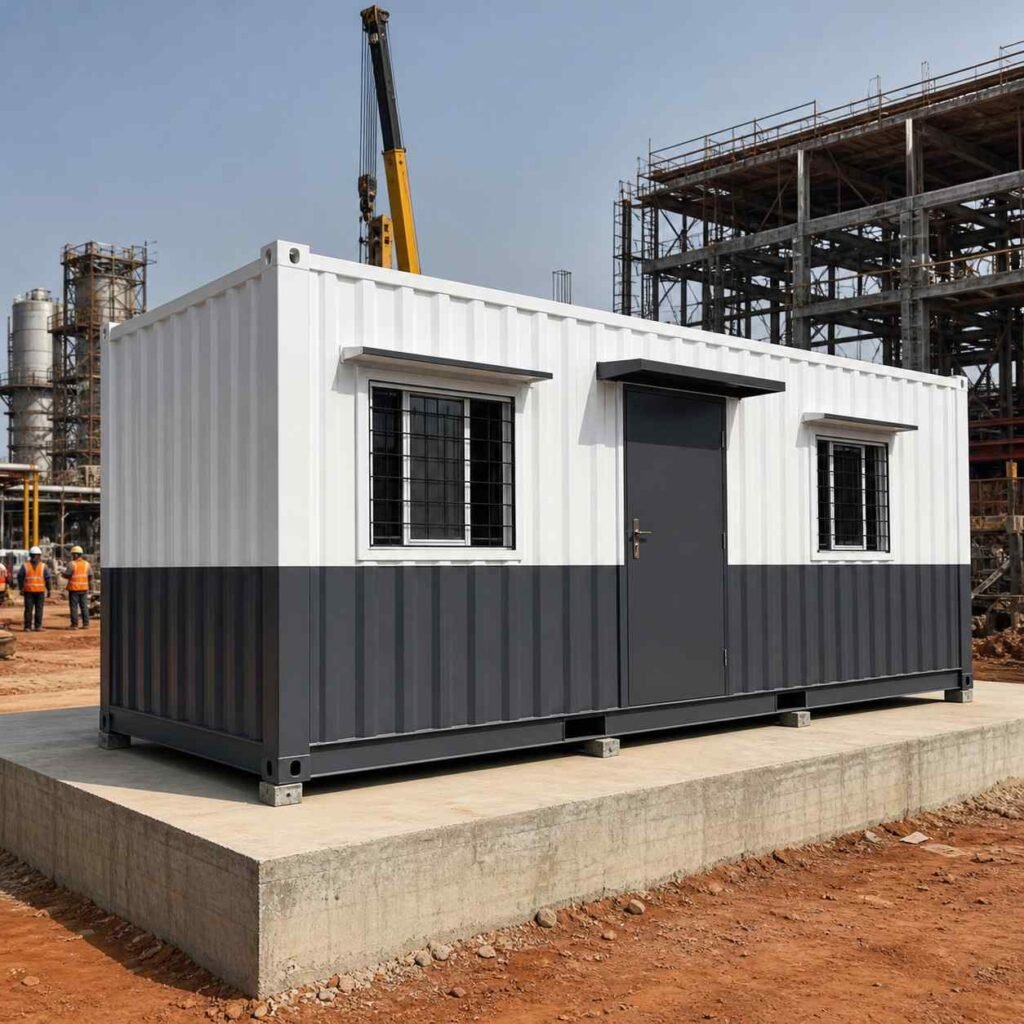
- RCC plinths or blocks: A proper concrete base ensures durability and prevents corrosion.
- Leveling and grading: Uneven ground causes door misalignment and water pooling.
- Drainage systems: Especially vital during monsoons to protect the structure.
These tasks may add ₹40,000–₹80,000, depending on soil conditions and site size. They are non-negotiable if the unit is used as housing, office, or retail space.
Customization and fit-out expenses
Customization often doubles the initial container cost. Examples include:
- Insulation and interiors: Foam, PUF panels, or ACP sheets to control temperature.
- Doors and windows: Cutting and framing openings can cost ₹15,000–₹40,000 each.
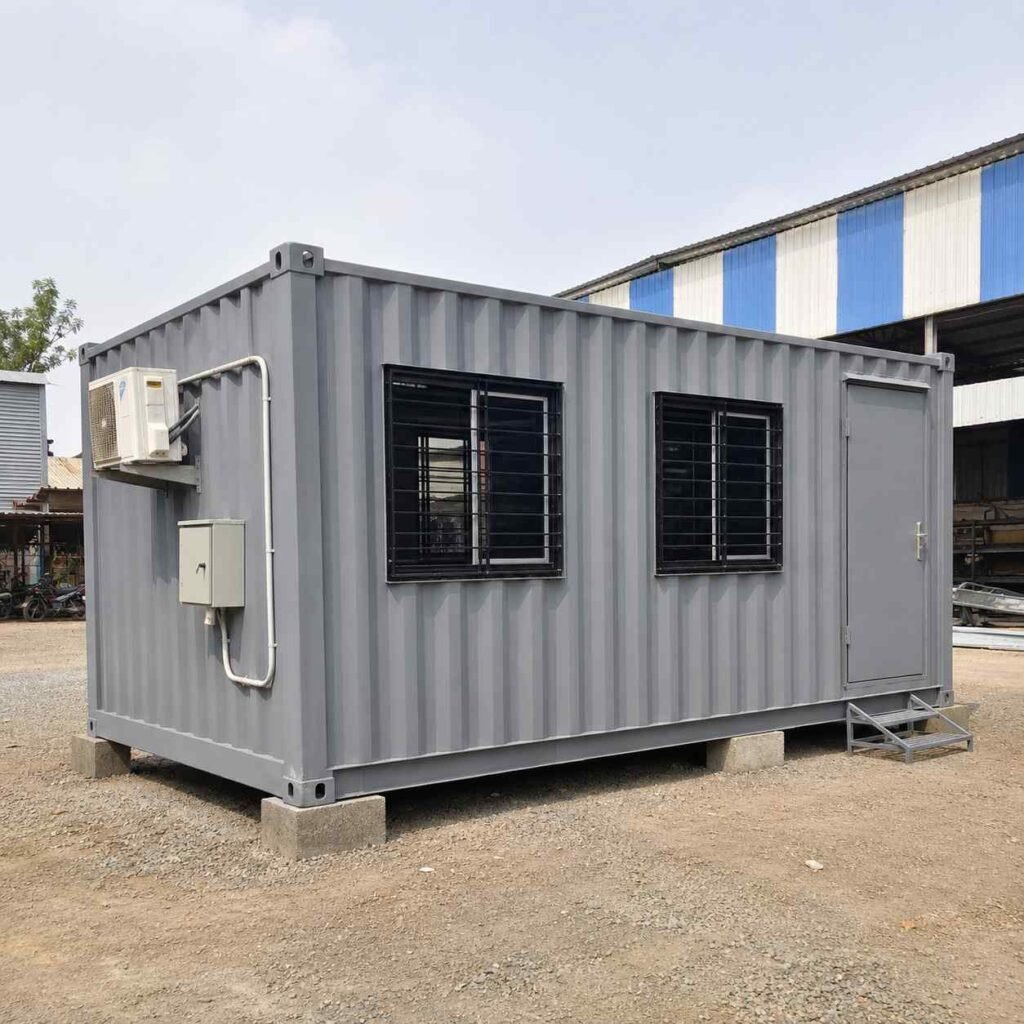
- Electrical and plumbing: Wiring, lighting, HVAC, and water systems often add more than ₹1,00,000.
- Paint and branding: A quality finish protects against rust and aligns with company identity.
While these costs seem high, they transform a steel box into a functional space.
Recurring expenses over time
Even after installation, containers need upkeep.
- Maintenance: Annual repainting, gasket replacements, and rust prevention average 2–5% of container purchase price.
- Energy bills: Refrigerated or air-conditioned containers consume significant power.
- Insurance: Covering fire, theft, or accidental damage may be required for corporate use.
These ongoing costs distinguish shipping container pricing from one-time purchases like furniture.
Example calculation of real ownership cost
Consider a buyer opting for a used 40ft container at ₹1,20,000.
- Transport and offloading: ₹60,000
- Foundation and site prep: ₹50,000
- Interior fit-out: ₹1,80,000
- Annual maintenance (10 years): ₹2,40,000
The final 10-year cost exceeds ₹6,00,000, far above the initial purchase. Calculating TCO helps identify whether buying new vs used container price options makes sense long-term.
Key takeaways for accurate budgeting
- Never stop at sticker price. Always request transport and offloading quotes.
- Add site prep. RCC bases and leveling are essential, not optional.
- Expect fit-out to double cost. Customization is where real money goes.
- Plan for upkeep. Maintenance, energy, and insurance all impact ROI.
- Use TCO for fair comparison. It shows whether a deal is truly cost-effective.
Smart Negotiation to Avoid Overpaying
Many buyers accept the first quote they receive, but a shipping container price is rarely fixed. Container cost changes with market cycles, supplier stock, and even transport schedules. With the right approach, you can negotiate better shipping container rates and avoid hidden expenses. Strong negotiation not only saves money upfront but also reduces lifetime ownership costs.
Prepare with the right information
Negotiation power comes from knowledge. Before speaking to suppliers, gather these details:
- Market range: Know the average 20ft and 40ft container pricing in your region.
- Condition proof: Request inspection certificates, photos, and door test videos.
- Comparison points: Prepare at least two competing quotes to use as leverage.
Armed with facts, you can spot inflated container purchase price offers quickly and push back with confidence.
Compare like-for-like quotes
Suppliers often present prices that look cheaper but include fewer services. Always check if quotes cover:
- Transport to site
- Offloading charges
- Foundation and setup support
- Condition certification
A quote for ₹1,00,000 without transport may cost more than a ₹1,20,000 all-inclusive package. Comparing total container pricing rather than base numbers prevents costly surprises.
Use timing to your advantage
Just as shipping container rates fluctuate globally, local suppliers adjust prices based on demand.
- Off-season buys: During low demand months, like after monsoon in India, suppliers often cut prices.
- Bulk projects: Multiple container purchases unlock discounts of 5–15%.
- Cash offers: Faster payments sometimes reduce container cost by a noticeable margin.
Strategic timing can shave thousands off the final bill without affecting quality.
Common traps to avoid
Even seasoned buyers make mistakes during negotiation. Watch for these traps:
- Low upfront, high extras: A cheap sticker price hides transport or crane costs.
- Damaged stock: Without inspection, you may inherit rust repairs worth ₹50,000+.
- Rushed decisions: Pressure tactics push buyers into poor long-term deals.
Avoiding these errors is as important as bargaining itself.
Finalizing the deal securely
When you reach an agreement, protect yourself with documentation:
- Itemized invoice: List container size, type, condition, and extras.
- Payment terms: Split payments between booking, delivery, and inspection.
- Warranty clause: Even used shipping container price deals should guarantee structural safety.
- Delivery schedule: Agree on timelines and penalties for delays.
These steps turn verbal promises into enforceable commitments, reducing risk.
Key takeaways for buyers
- Information is leverage. Market data strengthens your position.
- Quotes must be complete. Always compare container pricing on total cost, not base.
- Timing pays. Off-season and bulk purchases yield discounts.
- Avoid traps. Cheap upfront often hides costly extras.
- Protect the deal. Secure terms in writing before paying.
Negotiation is more than haggling over numbers. It is a structured process that transforms a risky purchase into a smart investment. By following these steps, buyers gain not only a better shipping container price but also stronger long-term value.
Quality, Compliance, and Safety Standards

A shipping container price means little if the box cannot meet quality and safety standards. Buyers often focus only on container cost, but structural integrity, certifications, and compliance with international rules determine real value. Skipping this due diligence can lead to failed inspections, safety risks, and unexpected repair bills that exceed initial shipping container rates.
Structural checks every buyer must do
Before paying any container purchase price, ensure the unit passes key physical inspections.
- Roof and sidewalls: Look for dents, corrosion, or patches that compromise water resistance.
- Cross-members and floor: Inspect for rot or cracks. Wooden floors should be solid and free from pests.
- Doors and seals: Doors should lock smoothly. Rubber gaskets must provide tight closure to keep units wind and water tight.
- Corner posts: Critical for stacking and lifting. Rust here signals major structural weakness.
These checks apply whether you are reviewing a new container price or negotiating used shipping container price options.
International standards that protect buyers
To legally operate across borders, containers must meet specific standards:
- ISO 668 and ISO 1496: Define container dimensions and strength requirements.
- ISO 6346: Covers identification codes and markings.
- CSC certification (Convention for Safe Containers): Proof that the container is safe for international use.
Suppliers quoting low container pricing without offering these documents may be passing off unsafe or non-compliant stock. Always ask for certificates upfront.
Safety in conversions and modifications
When containers are repurposed into offices, homes, or cafés, compliance extends beyond ISO rules.
- Electrical wiring: Must use certified cables and breakers that match local building codes.
- Fire safety: Install extinguishers, smoke detectors, and flame-retardant panels where required.
- Structural modifications: Cutting large openings weakens steel walls. Reinforcement with beams or frames is essential.
- Roof slope and sealing: Adding slope prevents water pooling, which otherwise leads to leaks.
These modifications increase container cost but are vital for safe long-term use.
How inspections reduce hidden costs
Many buyers skip professional inspections to save money. In reality, inspections prevent future expenses.
- Cargo-worthy certification: Confirms a unit can legally carry freight.
- Pre-purchase surveys: Identify rust, flooring issues, or patch jobs before payment.
- Local compliance checks: In India, ensuring the unit meets GST and customs rules avoids costly delays.
Spending a small fee upfront saves far more than the cost of repairing structural issues later.
Key lessons for ensuring compliance
- Don’t just trust the quote. A cheap shipping container price may hide non-compliance.
- Ask for ISO and CSC proof. Certified documents protect your investment.
- Check safety for conversions. Proper wiring, reinforcement, and fire safety are non-negotiable.
- Inspect before paying. Independent surveys help avoid hidden repair bills.
- Plan for local rules. National and state regulations affect container pricing and delivery timelines.
Global competitors often stop at listing prices and conditions. A truly comprehensive guide includes compliance and safety, because without them, the value of any shipping container rates becomes meaningless. Buyers who make standards a priority not only safeguard their projects but also secure maximum return on investment.
Next Steps and Action Plan for Container Buyers
Researching a shipping container price gives you knowledge, but turning that knowledge into decisions requires action. By this stage, buyers should have clarity about size, type, condition, and project goals. The final step is using this clarity to compare offers, secure the best value, and prepare for long-term ownership.
Define your project scope clearly
Before requesting final quotes, outline how the container will be used. Decide if it is for temporary storage, a site office, a home conversion, or retail. Select the size that matches your footprint and the condition that fits your budget. Without these details, comparing container cost across suppliers becomes difficult and often misleading.
Collect and compare multiple quotes
Smart buyers never settle for a single figure. Always gather at least two or three quotes. Check that each includes not just the base container purchase price but also transport, offloading, and any extra services. Comparing shipping container rates fairly ensures you judge suppliers on total value, not on headline numbers that hide extra charges.
Inspect and verify before purchase
Inspection is one of the most reliable ways to avoid mistakes. Request photos, door test videos, and condition certificates before making payments. If possible, conduct a physical inspection or hire a third-party surveyor. This step prevents costly surprises such as hidden rust, weakened floors, or faulty gaskets that reduce container lifespan and increase maintenance bills.
Budget using total cost of ownership
Your real investment goes far beyond the initial container cost. Factor in logistics, foundations, modifications, and long-term maintenance. For conversions, include insulation, electricals, and finishes in your budget. Evaluating shipping container pricing through total cost of ownership gives a more realistic view of whether leasing or buying makes sense for your project.
Negotiate with data on your side
Negotiation works best when supported by facts. Use your research on market averages to push for fairer shipping container price terms. Be prepared to walk away if a supplier refuses to meet standards of condition or compliance. Buyers who negotiate with data usually achieve 10–15% savings or receive additional services at no extra cost.
Stay updated with market trends
The container industry shifts quickly. Demand cycles, port congestion, and global fuel costs all influence container pricing. Following reliable indices and reports ensures you don’t lock in purchases during peak rates. Staying updated also helps when planning expansions or bulk orders, giving you leverage to time the market wisely.
Final action plan checklist
- Define project purpose, size, and condition clearly.
- Collect multiple quotes and compare full cost breakdowns.
- Verify condition with inspection or certification.
- Use total cost of ownership, not just sticker price, to budget.
- Negotiate shipping container rates based on real data.
- Track global and local market updates to optimize timing.
Ready to move from research to purchase? Contact us today to get a tailored quote, delivery plan, and complete cost breakdown.
Frequently Asked Questions on Shipping Container Price
Q1. What is the average shipping container price in 2025?
The average shipping container price in 2025 depends on size and condition. A used 20ft container may cost ₹80,000–₹1,20,000 in India, while a new 40ft high-cube unit can exceed ₹2,20,000. Globally, prices range from $1,000 to $2,500. Location, transport, and modifications often add 20–30% more to the final cost.
Q2. Why do shipping container rates vary so much?
Shipping container rates change because of supply and demand cycles, port proximity, and container condition. Prices are lower at large ports like Mumbai or Chennai where supply is high, but rise inland due to transport. Seasonal demand, fuel prices, and global trade shifts also impact container pricing, making it important to compare quotes across regions and conditions.
Q3. Is a 20ft or 40ft container more cost-effective?
A 20ft container cost in India is cheaper upfront, but a 40ft container offers better value per cubic foot. High-cube 40ft units provide extra headroom at only a modest premium. For storage or conversions, 40ft models often reduce cost per square foot, while 20ft containers work best for smaller spaces or where transport access is limited.
Q4. How much does it cost to transport a container?
Transport can add 15–25% to the base container purchase price. Local deliveries within 50 km may cost ₹25,000–₹40,000, while longer inland hauls exceed ₹75,000. Offloading with a crane or hydra adds another ₹20,000–₹50,000. These logistics charges make a big difference, so always request itemized quotes that include transport and placement.
Q5. Should I buy or lease a shipping container?
Buying suits long-term projects, custom conversions, or businesses needing asset control. A new container purchase price is higher but offers resale value and lower maintenance. Leasing fits short-term projects, with shipping container lease rates starting at ₹8,000–₹15,000 per month for a 20ft unit. Over 18 months, leasing often costs more than buying outright.
Q6. What hidden costs should I expect beyond the box price?
Beyond the sticker cost, shipping container pricing includes transport, offloading, foundation work, and modifications. Adding insulation, doors, electricals, or branding can double the base price. Maintenance, energy bills for air-conditioned or reefer units, and insurance also add recurring expenses. Buyers should budget using total cost of ownership to avoid surprises and judge long-term value accurately.
