






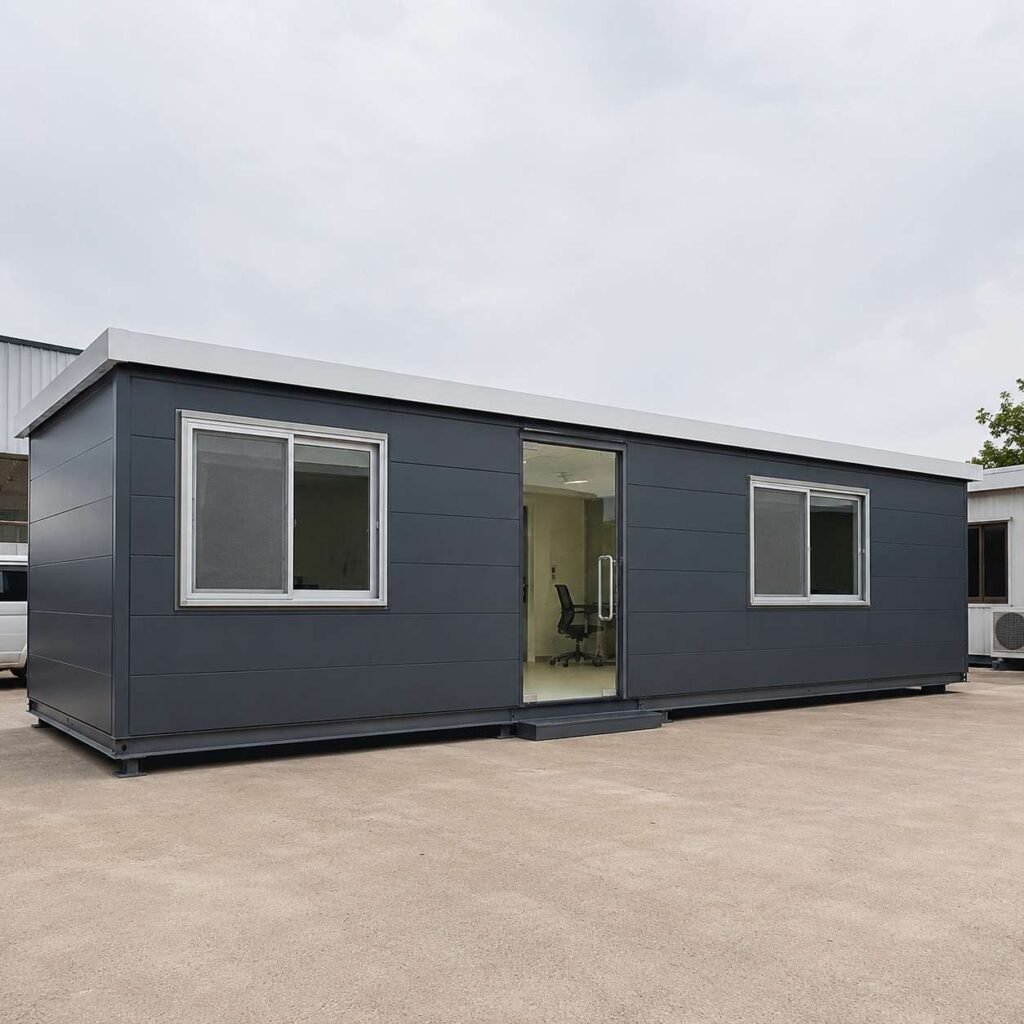

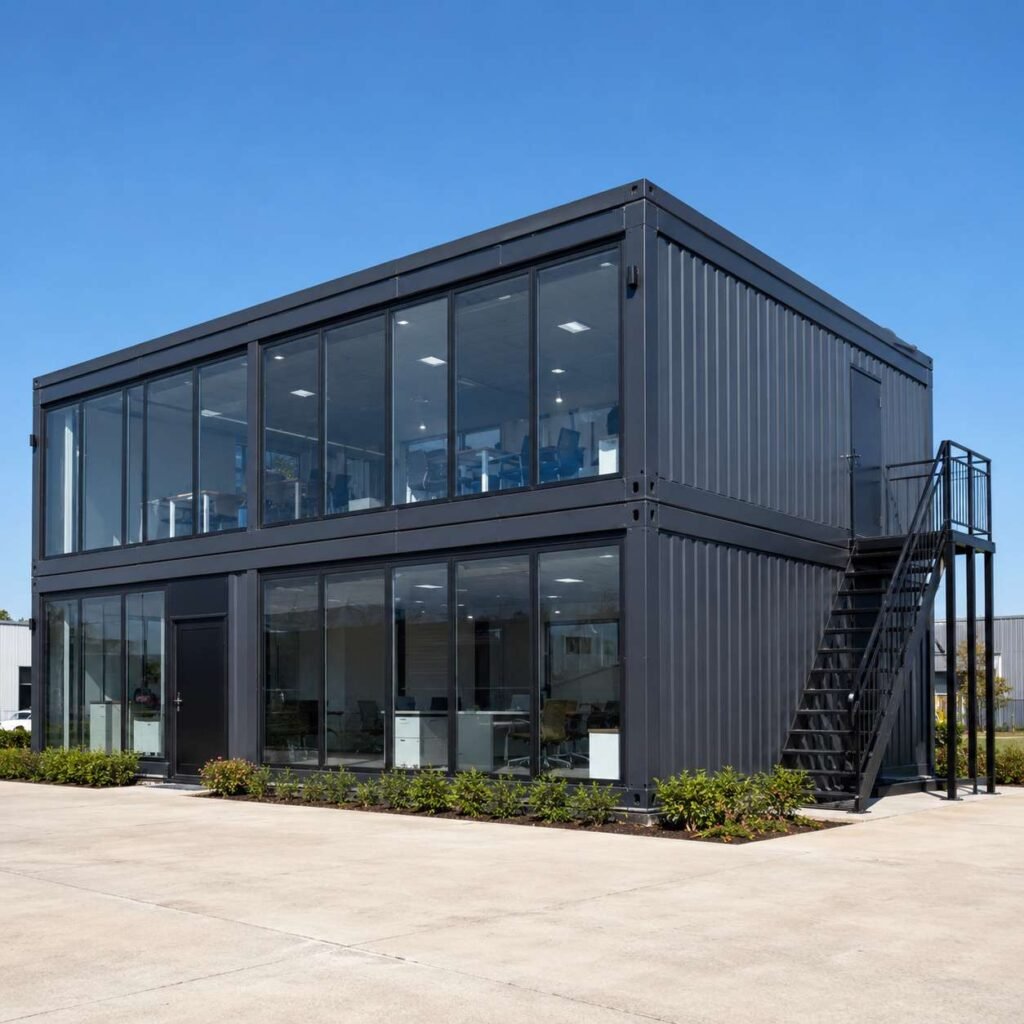
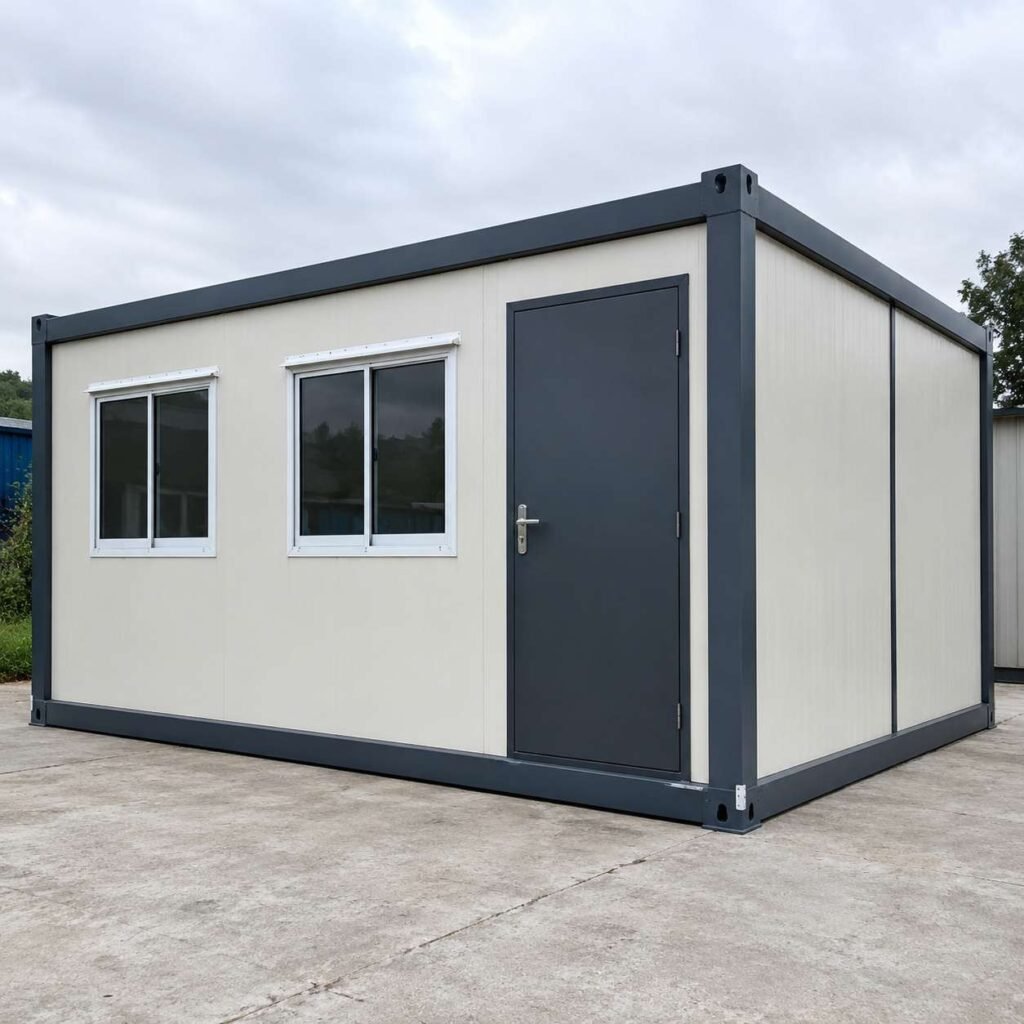
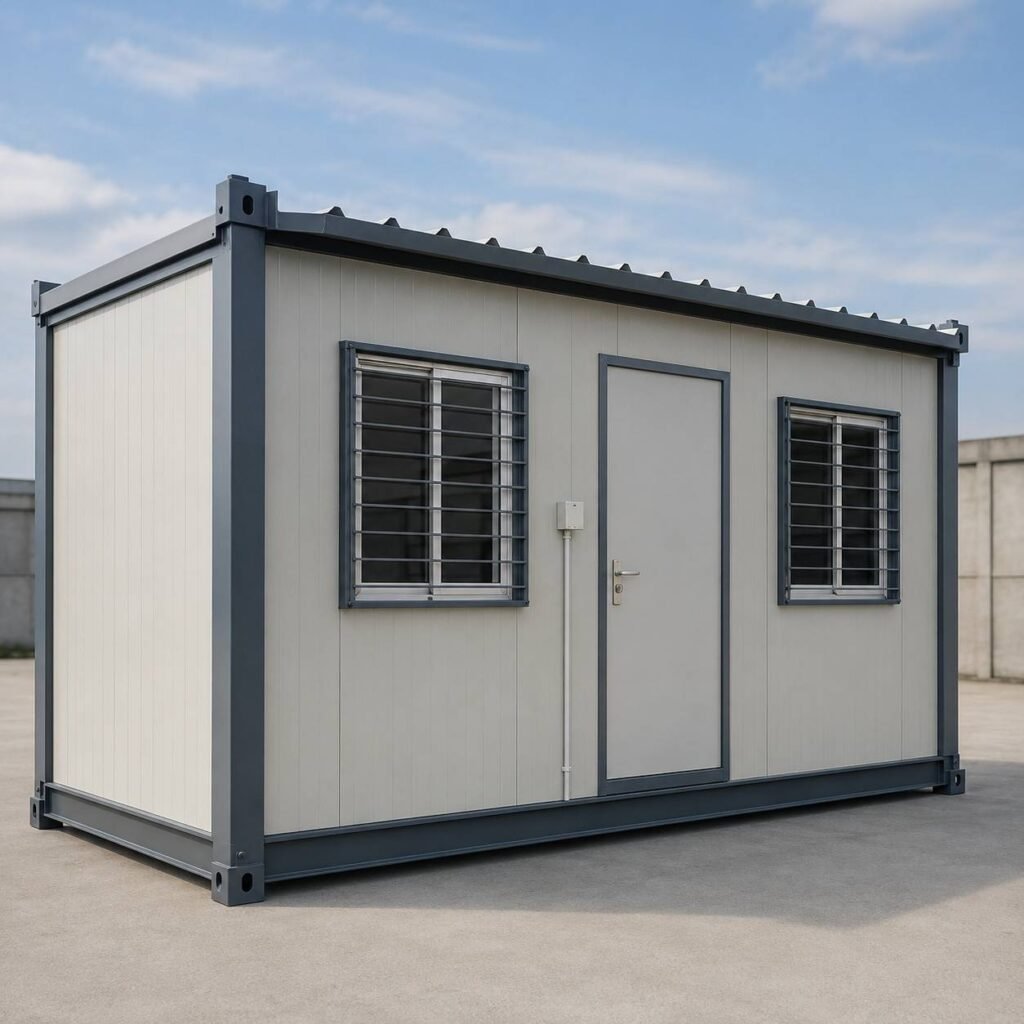










Security Porta Cabin: Price, Design, Types and Complete Guide 2025


Introduction: What is a Security Porta Cabin?
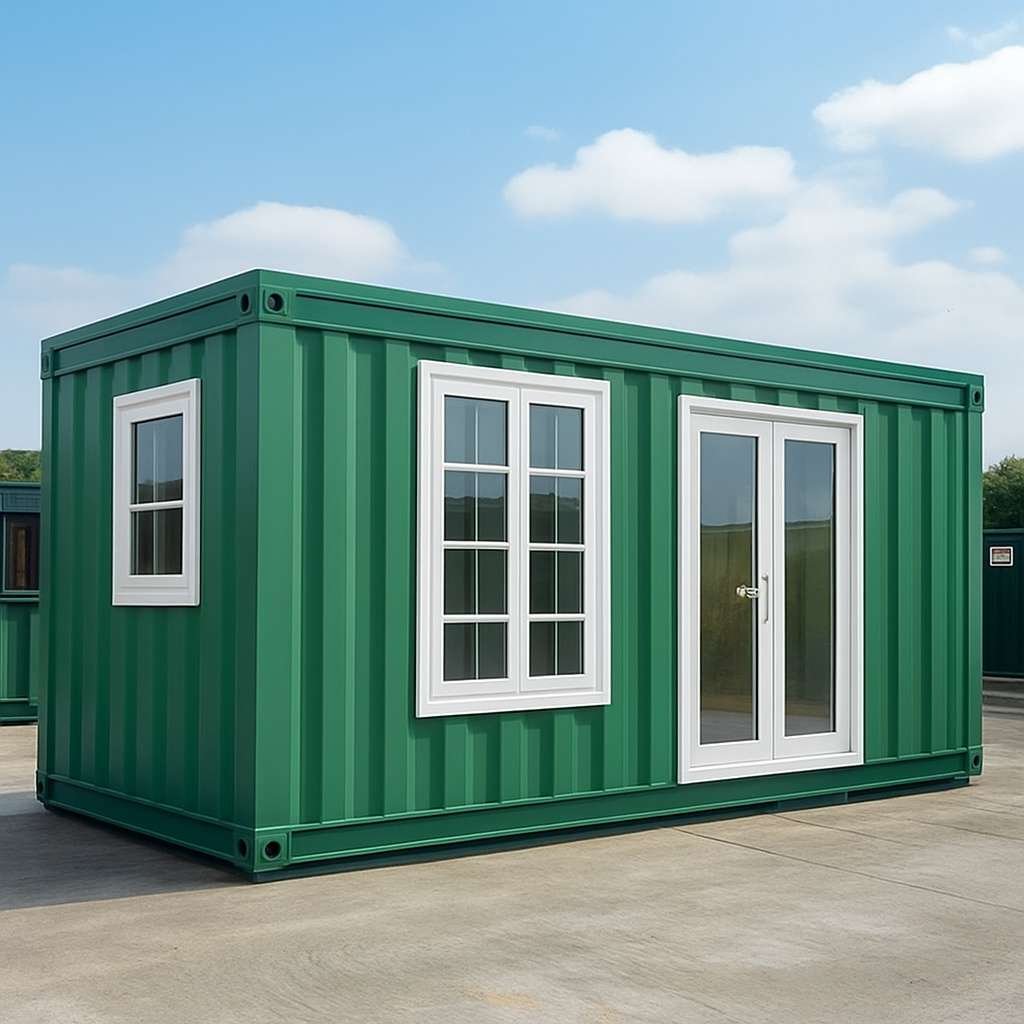
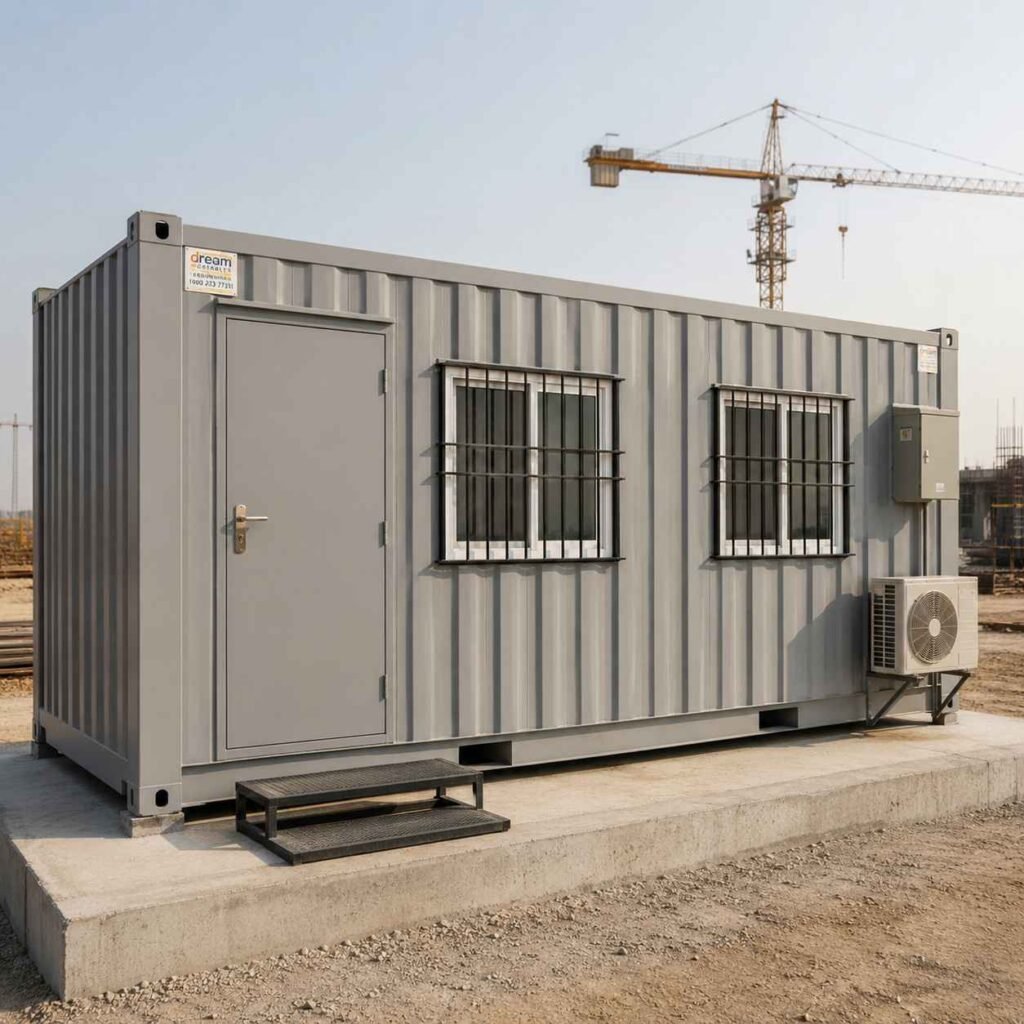
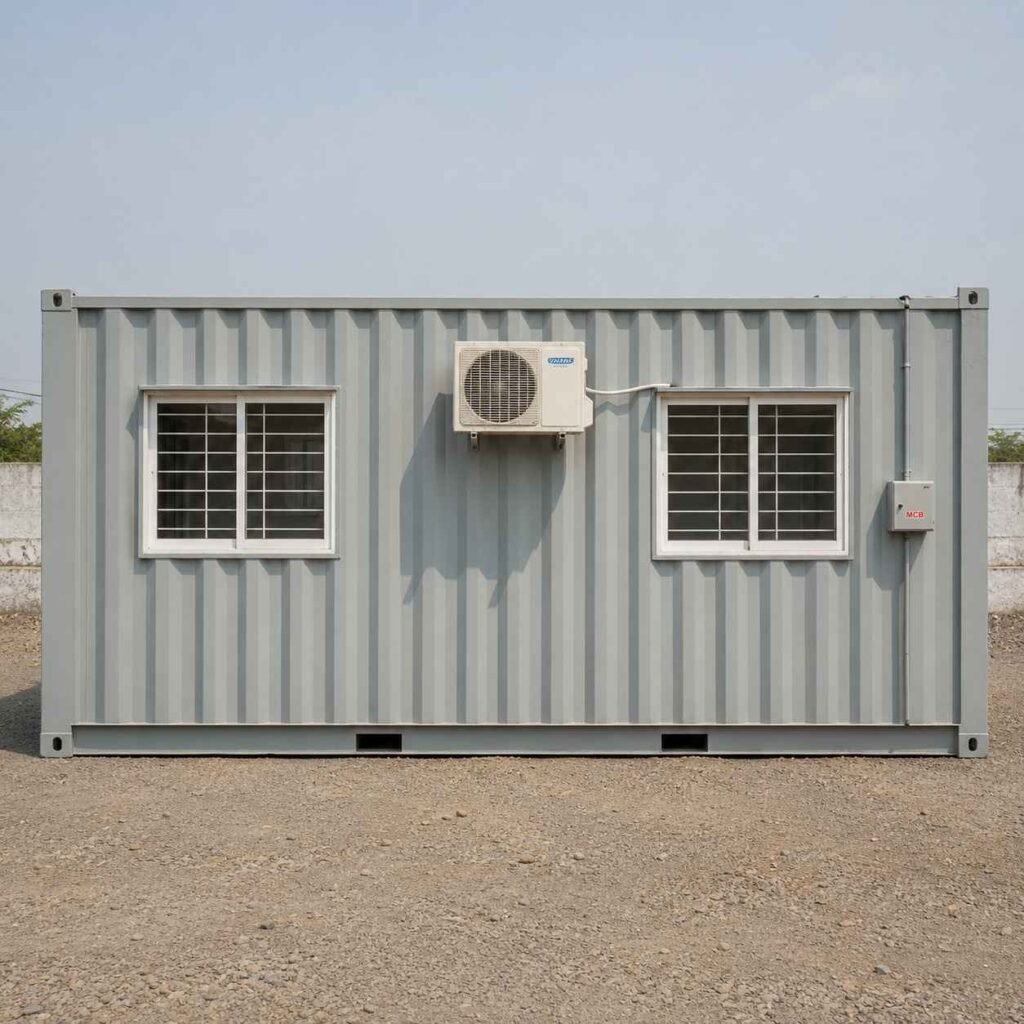
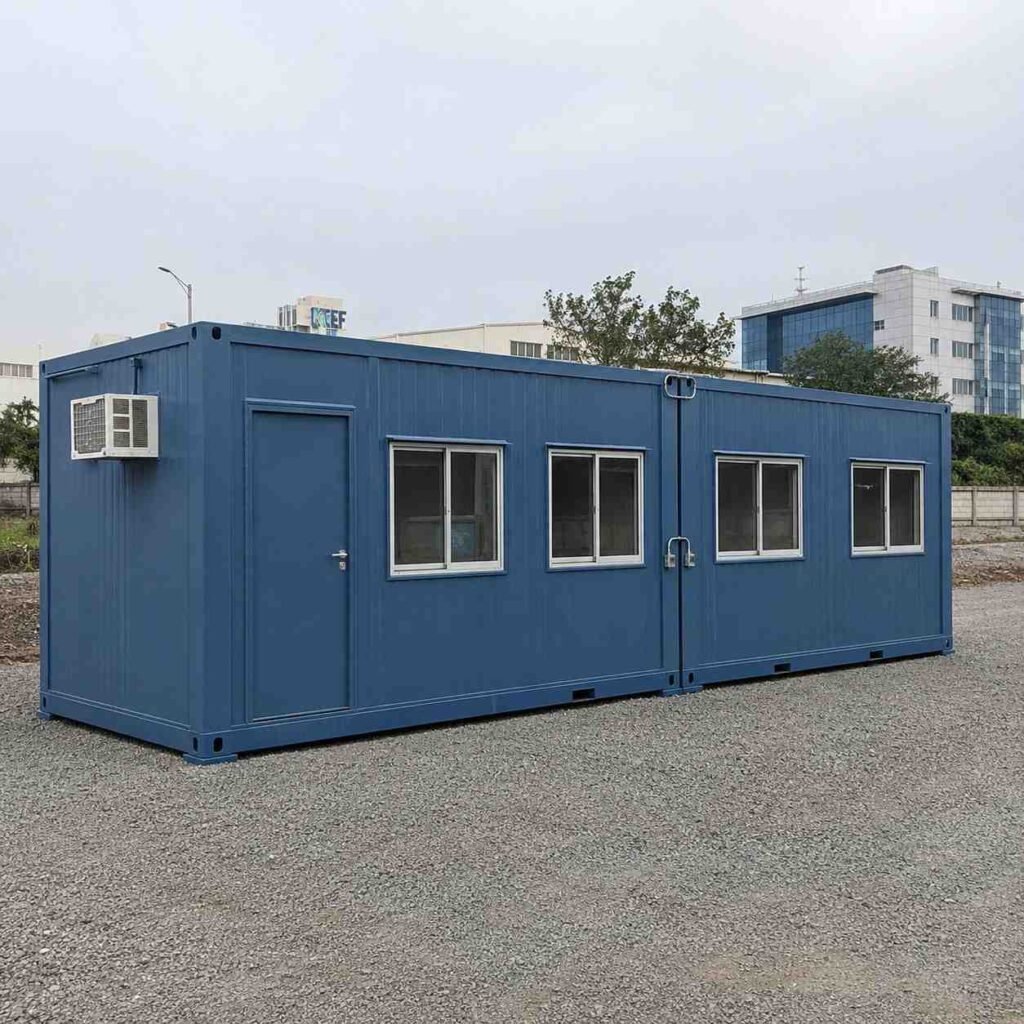
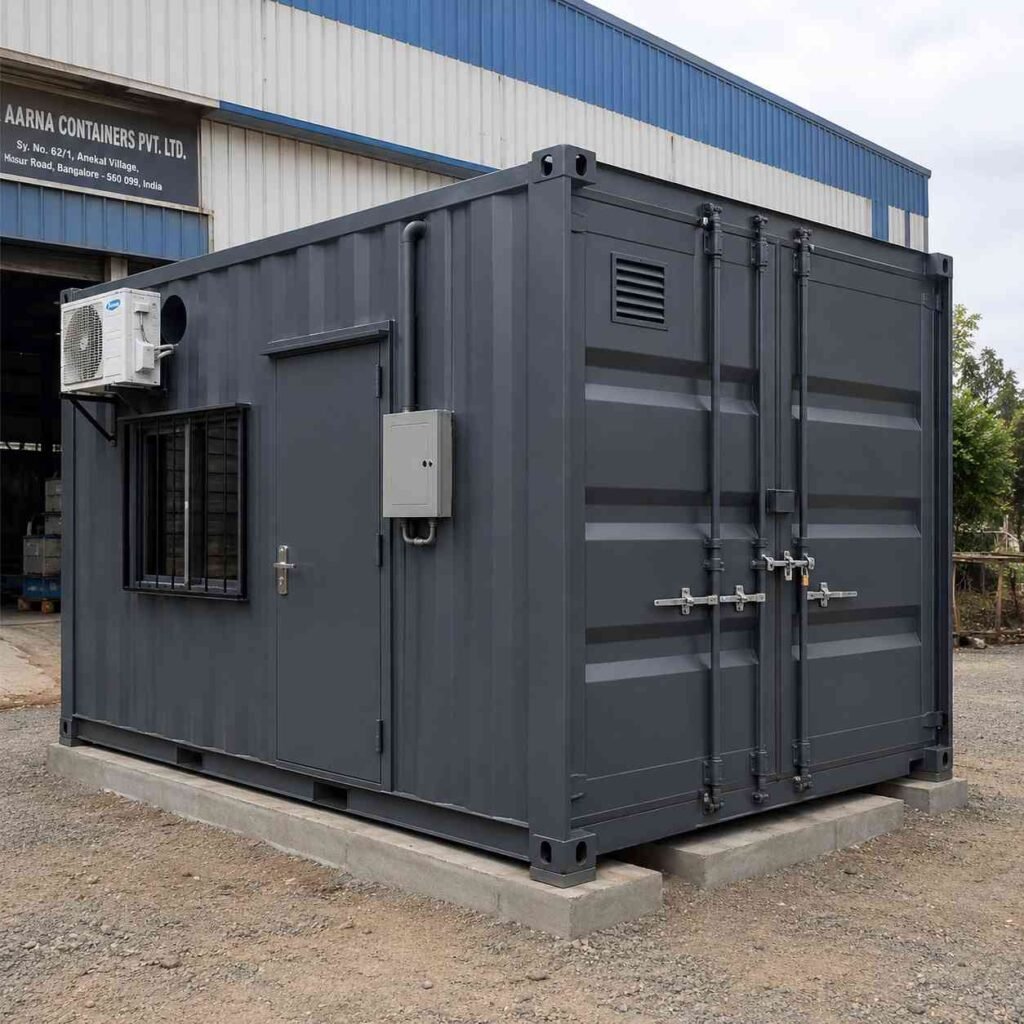
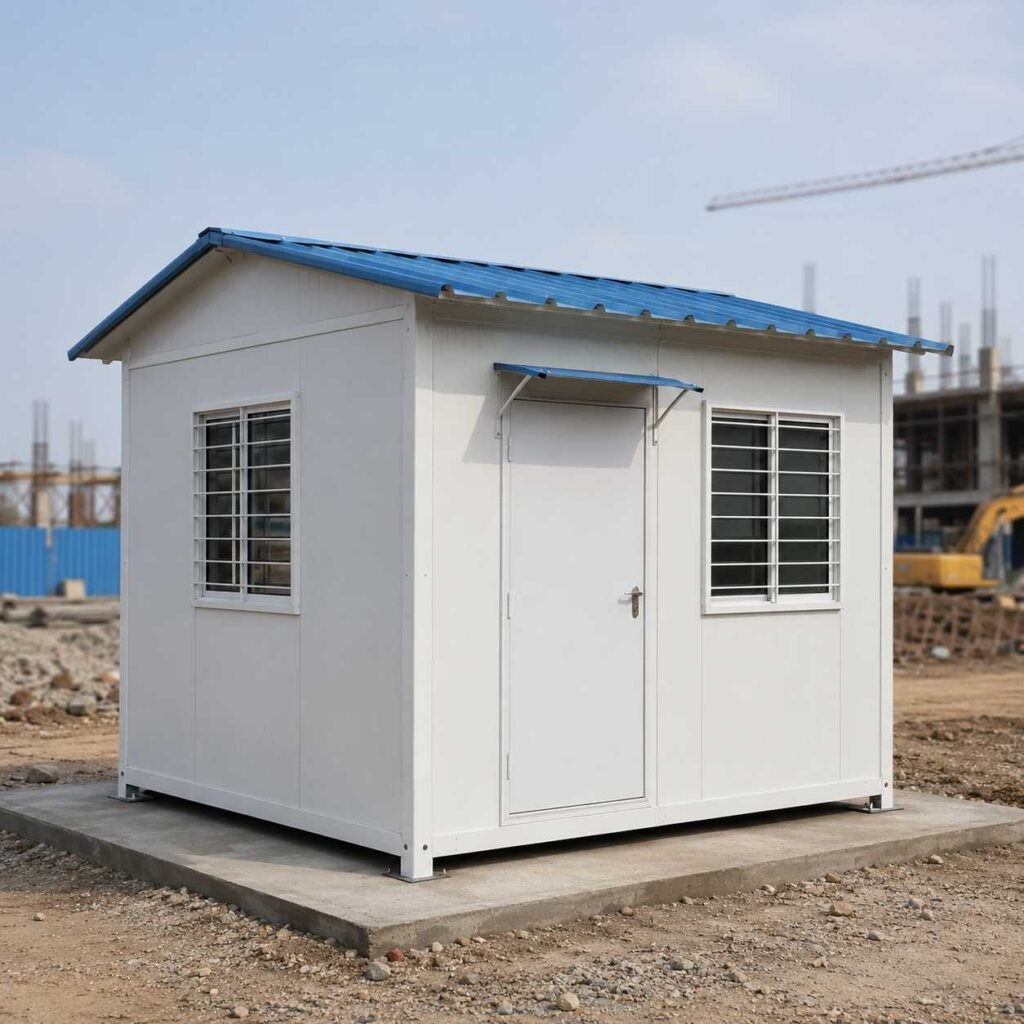
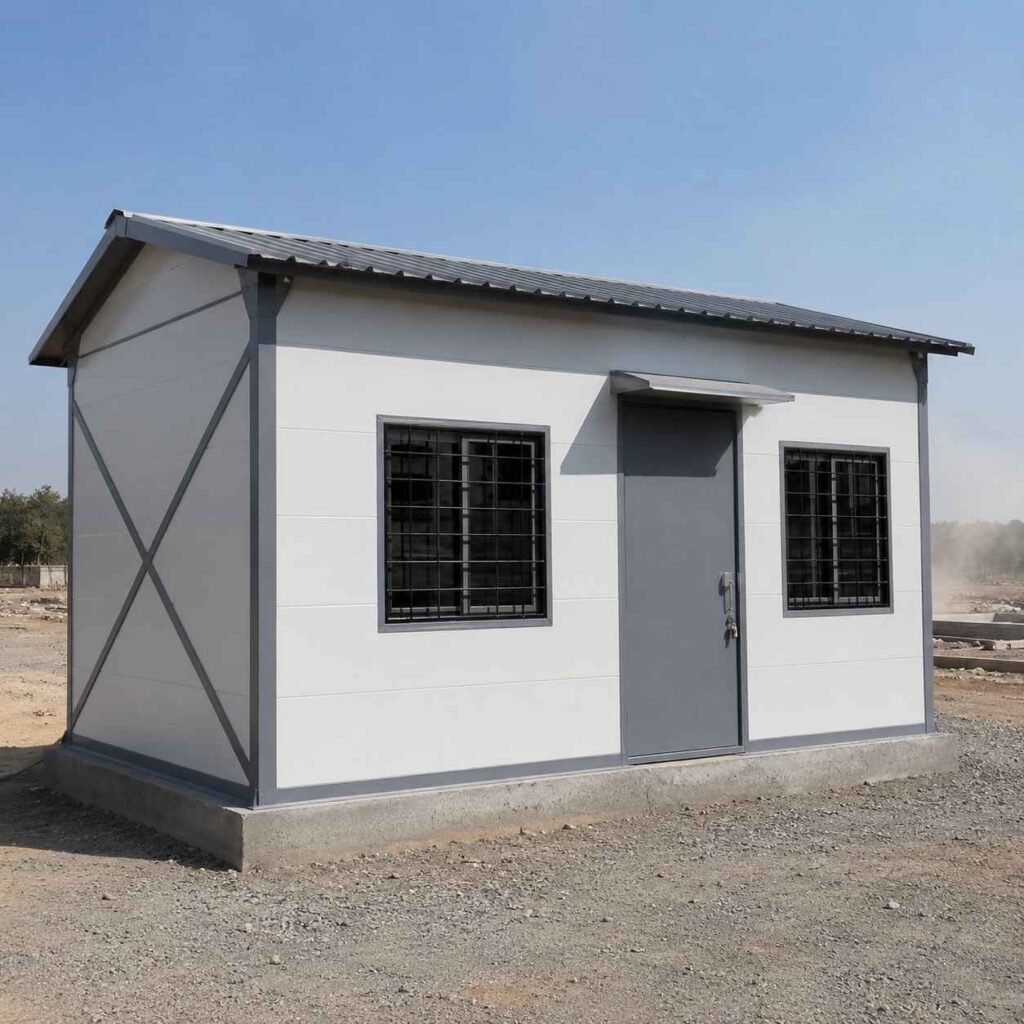
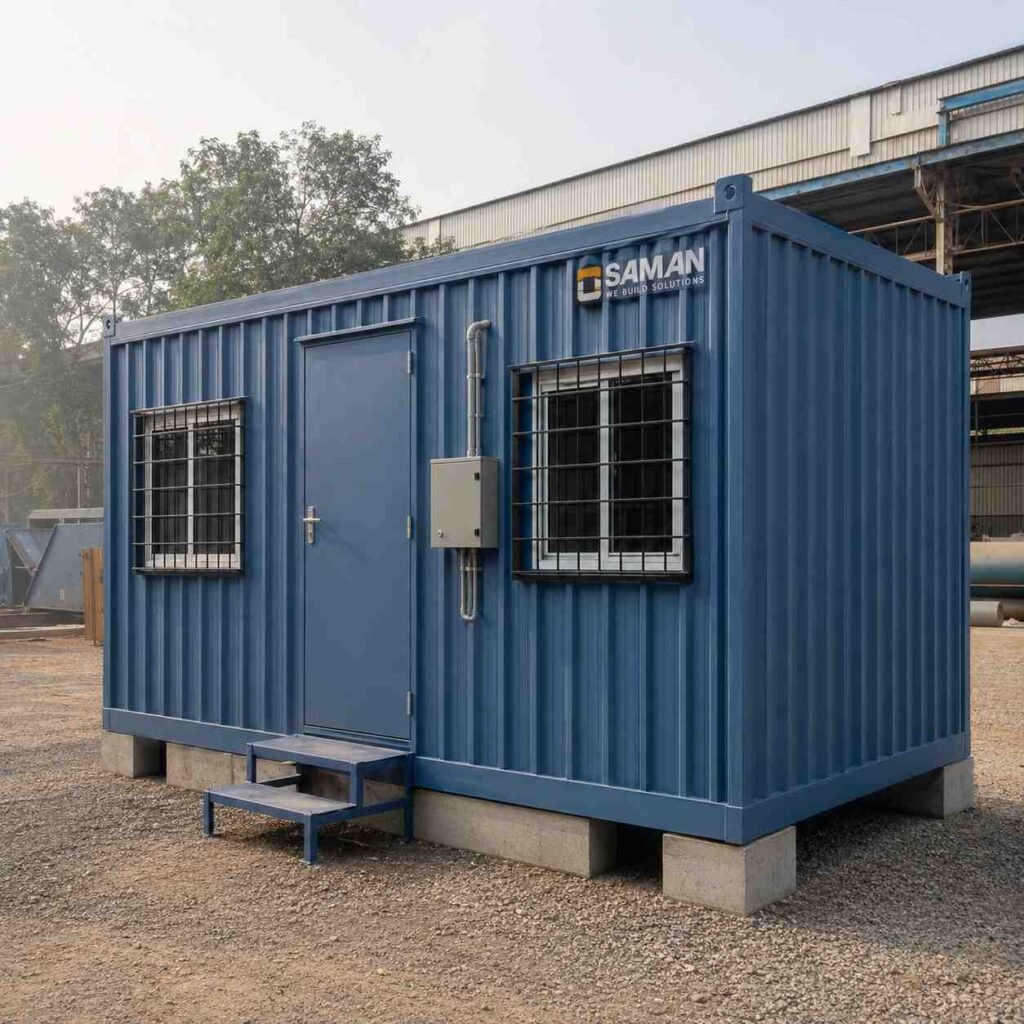
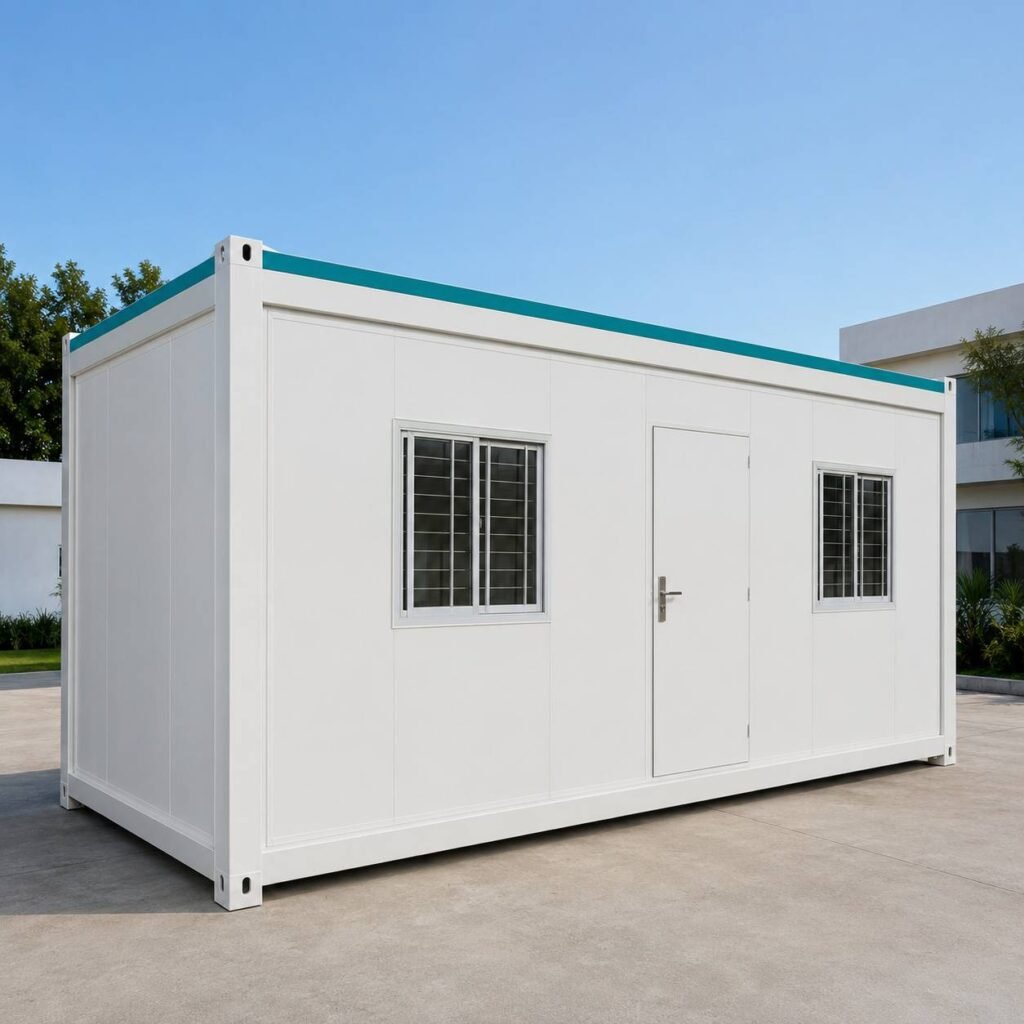
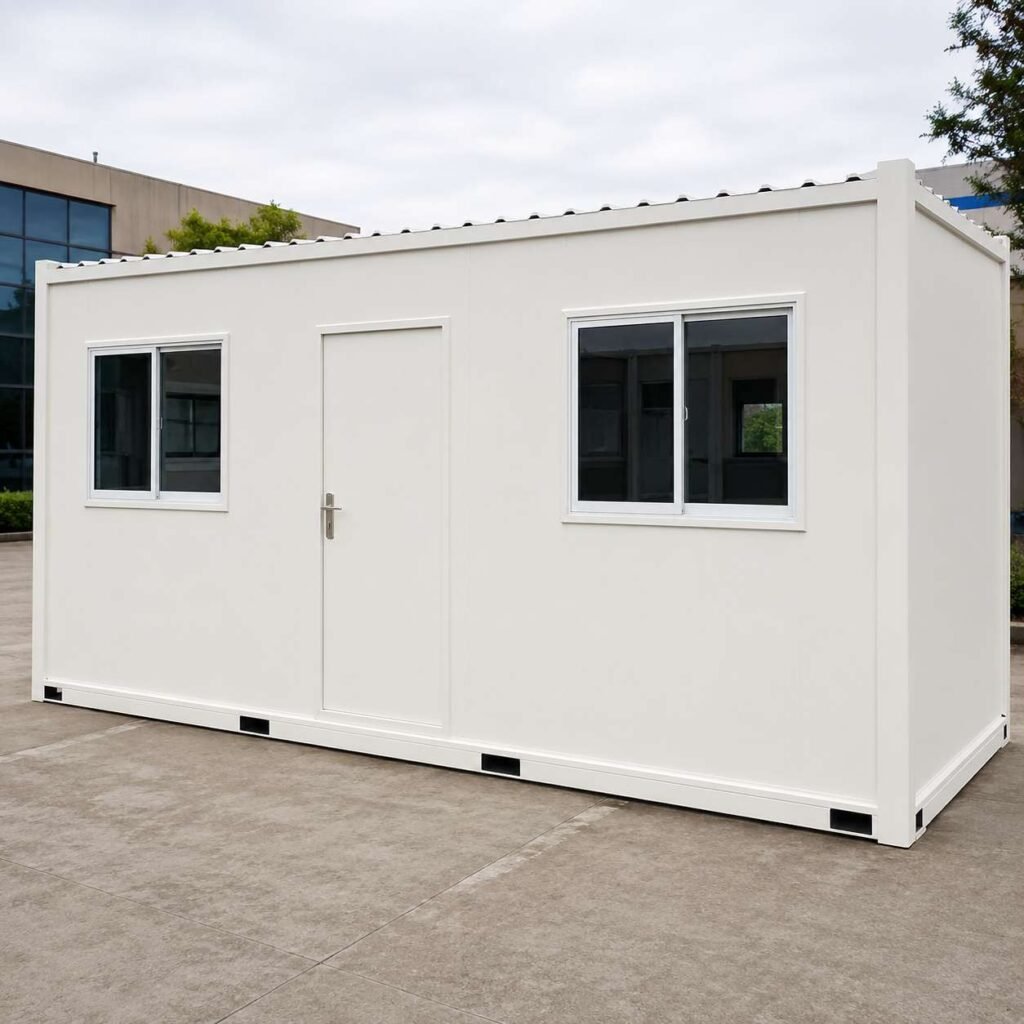
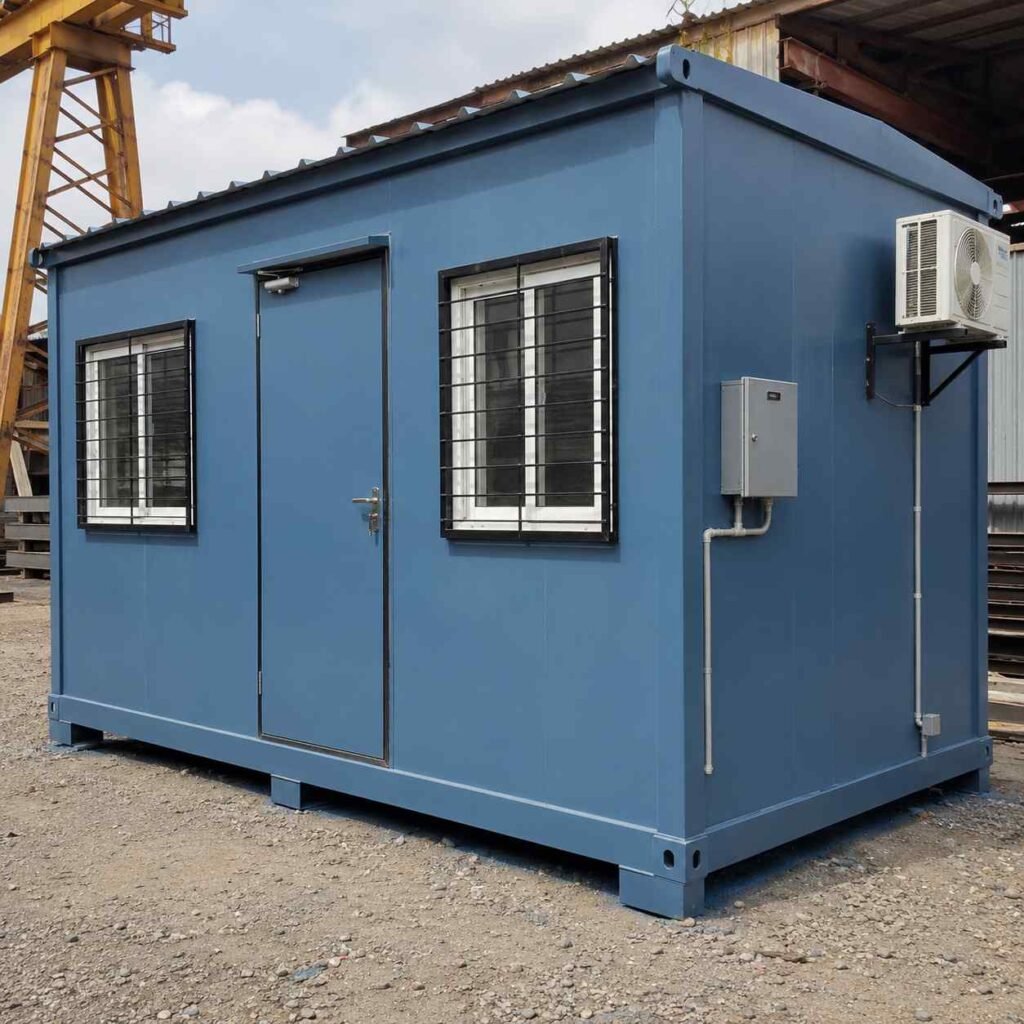
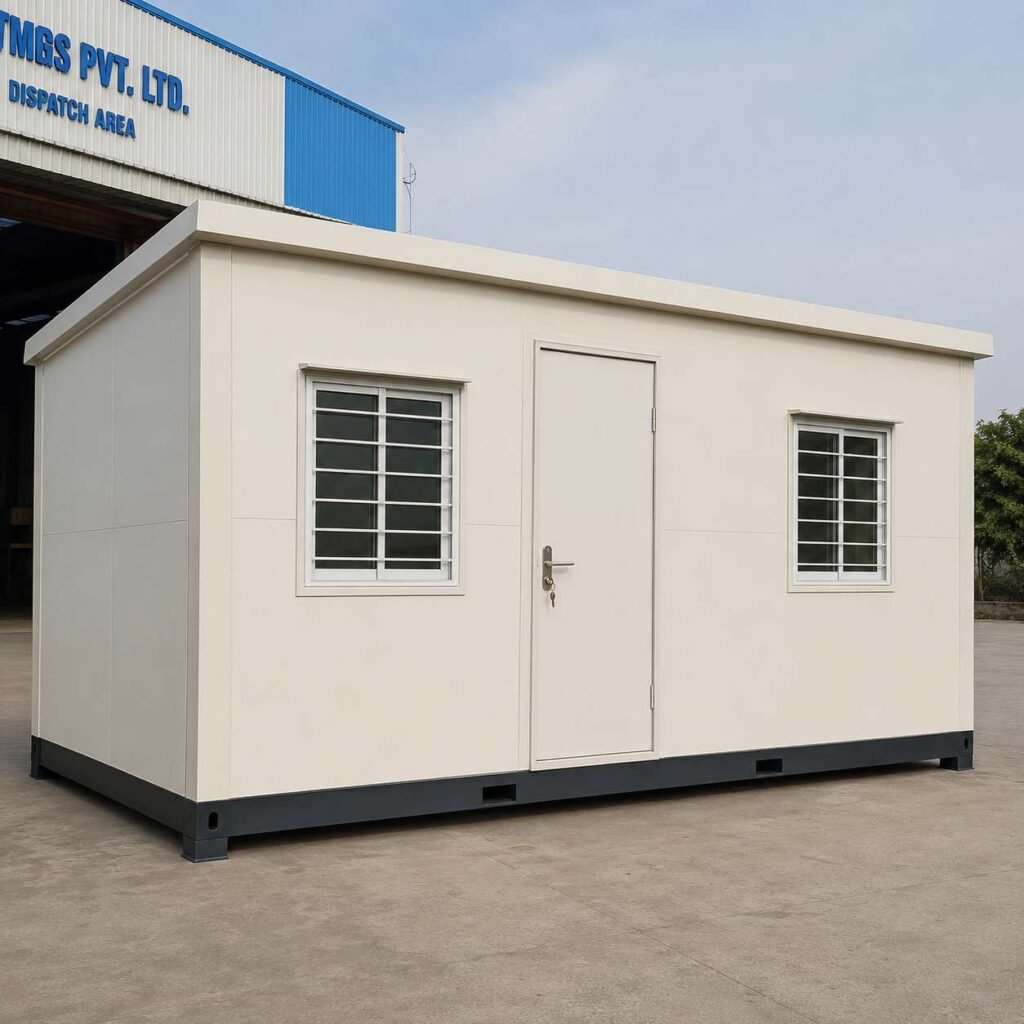
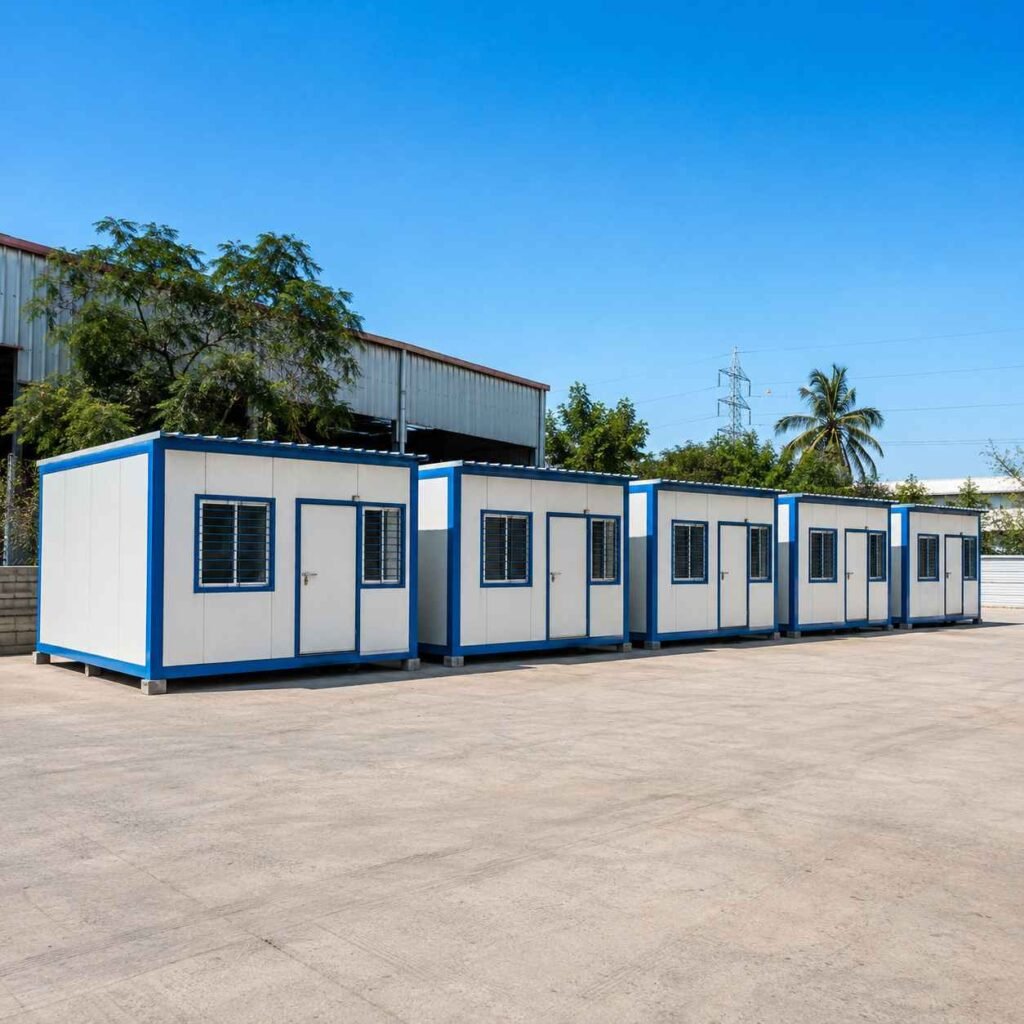
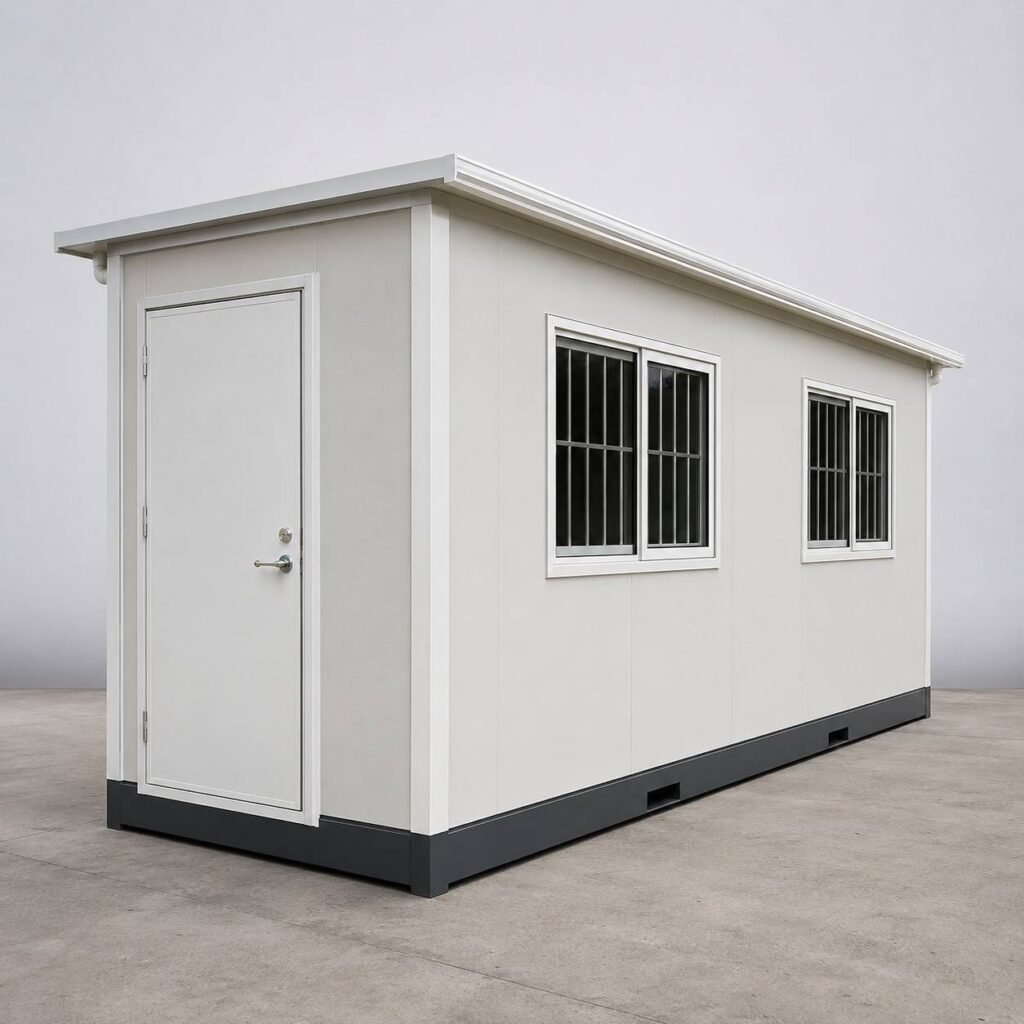
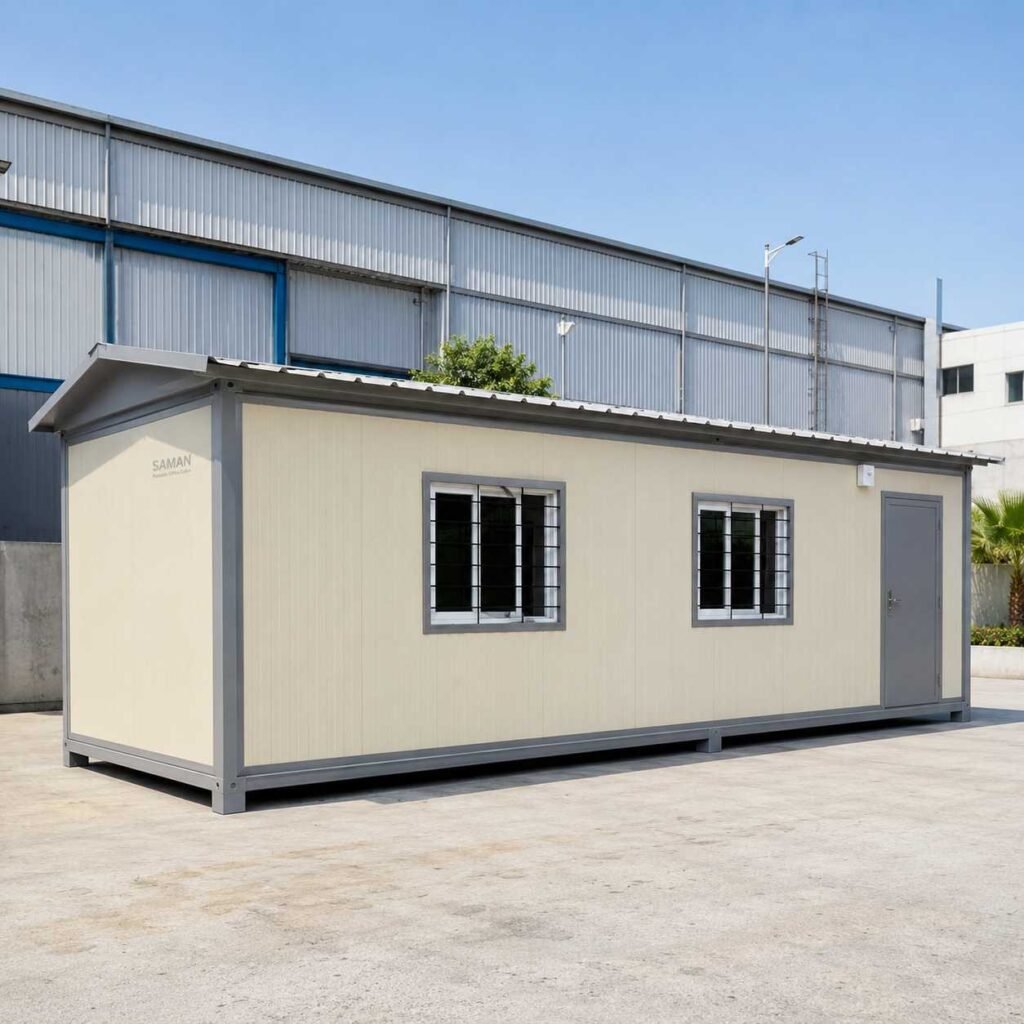
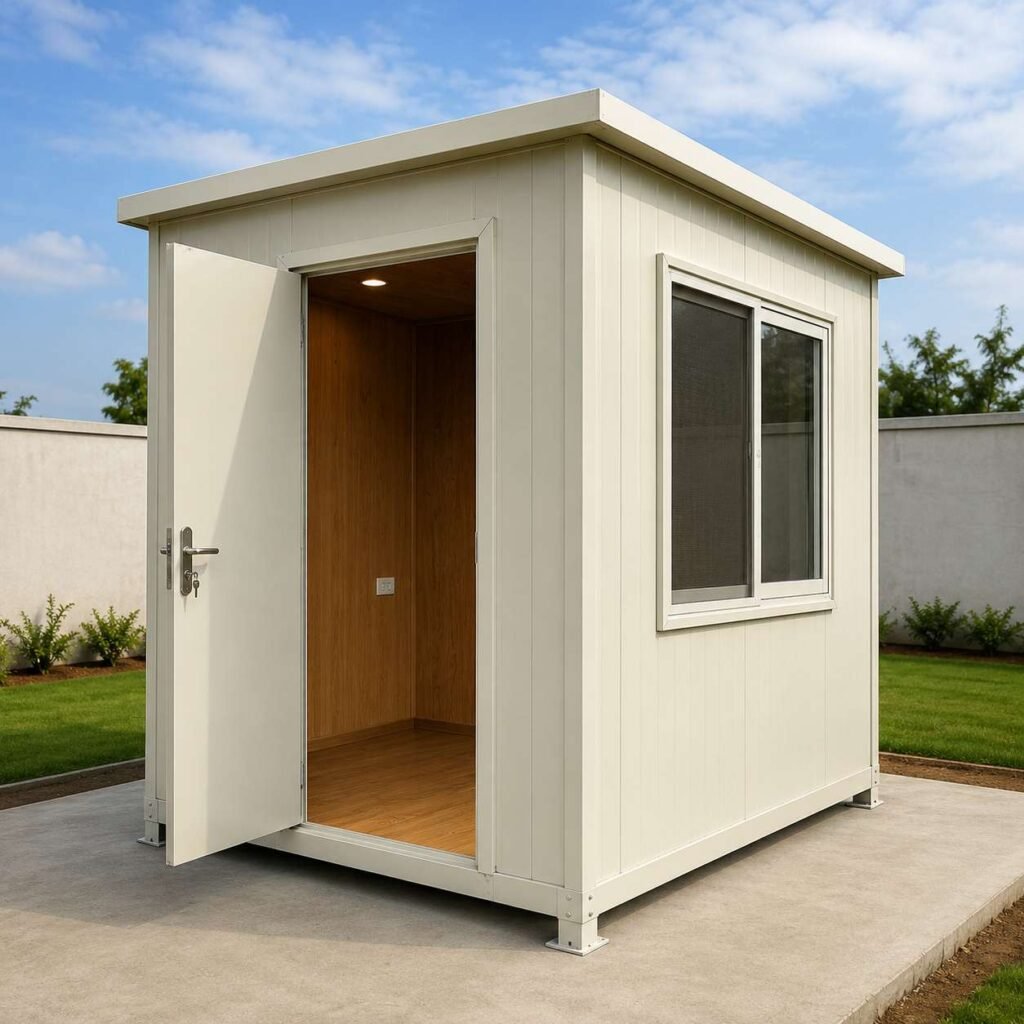
A security porta cabin is a prefabricated structure designed to house security personnel and provide them with a safe, functional space for monitoring and access control. Unlike permanent brick-and-mortar guardrooms, these cabins are portable, quick to install, and adaptable to many environments. Their rise reflects India’s demand for flexible, durable, and affordable security solutions.
To explore more models and specifications, check our complete range of Porta Cabins designed for different industries and applications.

The Growing Role of Security Porta Cabins
As cities expand and businesses grow, the need for reliable on-site protection increases. Construction sites, residential communities, and industrial plants all require secure entry points. A security porta cabin meets this need by acting as a control hub. It allows guards to manage entry, check visitors, and monitor surroundings without interruptions caused by weather or unsafe conditions.
Key Features That Define a Modern Cabin
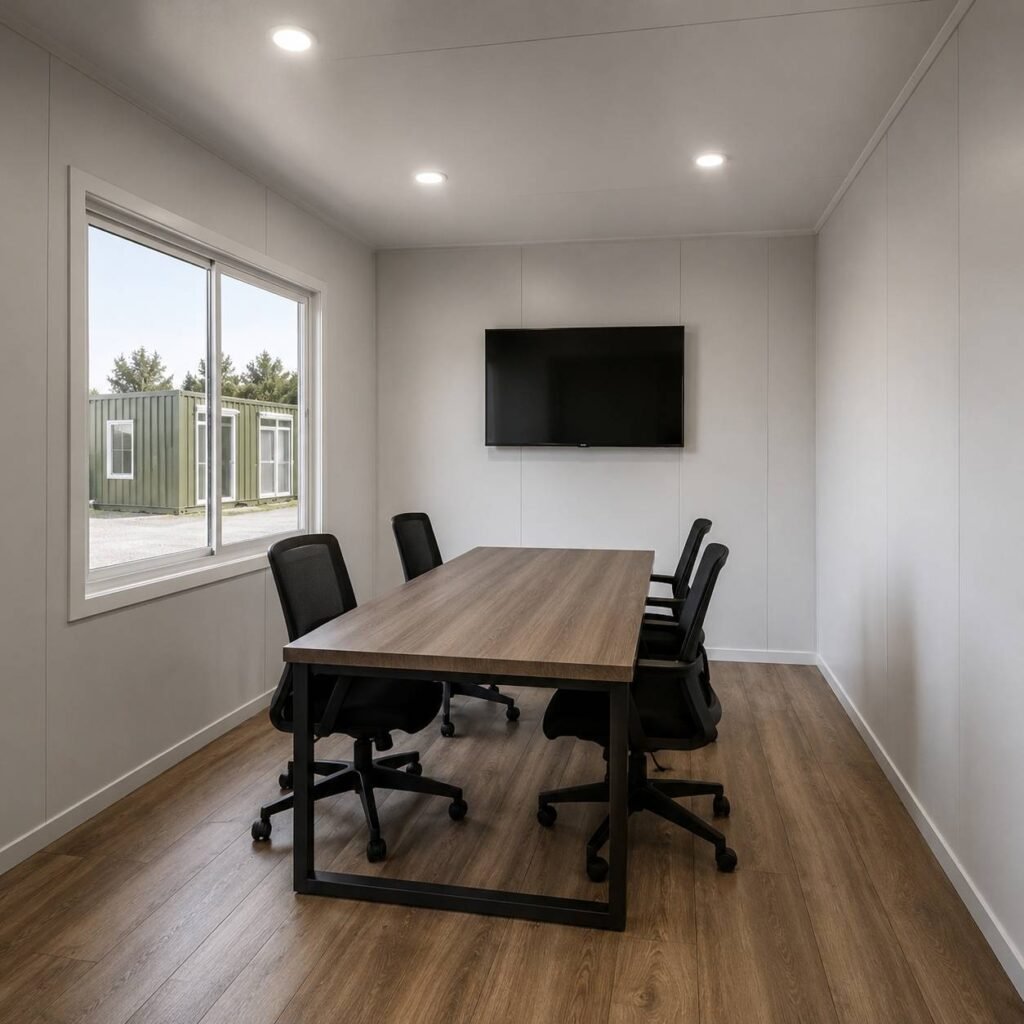
Today’s security cabin design goes beyond a simple shelter. Manufacturers integrate thermal insulation, ergonomic interiors, and space for equipment like CCTV monitors and communication systems. Weather resistance, corrosion-proof steel, and energy-efficient lighting are now common. With add-ons like air conditioning or bulletproof glass, these cabins can scale from basic guard posts to advanced security hubs.
Advantages of Using Security Porta Cabins
- Durability: Made with MS, PUF, or ACP panels for long life.
- Flexibility: Portable units can be relocated as sites evolve.
- Comfort: Ergonomic seating, ventilation, and climate control for guards.
- Technology Ready: Cabins often include wiring for cameras and alarms.
- Affordable: Entry-level models are cost-effective compared to permanent buildings.
Why Businesses and Communities Prefer Them
The modern security guard cabin is no longer an afterthought. It represents the first line of defense for a property. Visible cabins act as deterrents, while functional layouts keep staff alert during long shifts. For gated communities in Bangalore, corporate campuses in Delhi, or factories in Mumbai, these cabins ensure both security and professionalism.
Market Context and Rising Demand
According to industry studies, the Indian portable cabin market is expanding at a CAGR of over 13%. Demand is highest in urban regions where infrastructure projects and gated housing are booming. Globally, the security cabin sector is valued at over USD 2 billion, projected to reach USD 3 billion by 2030. These numbers highlight the cabin’s importance in modern security planning.
Conclusion: A Strategic Security Solution
In summary, a security porta cabin is much more than a movable guard post. It combines durability, comfort, and design flexibility to provide effective protection. With affordable models for small sites and premium versions for high-security zones, these cabins meet diverse needs. Their portability and adaptability make them an essential investment in today’s fast-changing security landscape.
Evolution of Security Cabins: From Guard Huts to Modern Porta Cabins
The concept of a security porta cabin did not appear overnight. It has evolved over decades, beginning with simple wooden guard huts and moving toward today’s advanced, prefabricated cabins. This journey reflects changing security needs, better materials, and the growing focus on guard comfort and efficiency.

Early Guard Huts and Basic Structures
In earlier years, the security guard cabin was nothing more than a small shed at an entry point. These huts were often made of wood or brick, providing only basic shelter. Guards had little comfort, limited visibility, and no access to equipment. They were useful but lacked flexibility and portability for expanding sites.
Rise of Portable Cabins in Security
The demand for quick construction and mobility created a shift. By the late 20th century, mild steel and galvanized steel cabins became common. These were stronger and easier to relocate compared to brick huts. As urban projects grew, the security cabin design improved to include windows for visibility, better insulation, and simple electrical fittings for lighting and fans.
Why Portability Changed Everything
- Allowed fast setup at construction sites.
- Made relocation possible when projects shifted.
- Reduced cost compared to permanent buildings.
- Enabled standardized factory production for consistency.
Integration of New Materials
Over time, innovation brought materials like PUF panels, ACP sheets, and FRP structures into use. These materials added thermal insulation, aesthetic appeal, and resistance to weather. With this shift, a security porta cabin was no longer just a temporary guard hut — it became a durable, climate-friendly, and customizable unit. Buyers could now choose designs that matched their sites and long-term needs.
Technology and Modern Features
The last decade has seen technology transform cabins. Many models now include provisions for CCTV cameras, biometric access systems, and advanced lighting. Comfort features like ergonomic seating, ventilation, and even air-conditioning have become standard. This evolution addresses both sides of the equation — better monitoring for businesses and improved working conditions for guards.
Market Growth and Future Direction
The global market for portable cabins has grown significantly. Reports show the sector expanding at a CAGR of 6.6% worldwide and 13.5% in India. This growth reflects how modern cabins are replacing outdated guard huts across industries, from construction to residential communities. Buyers no longer see cabins as temporary shelters but as long-term security assets.
Security Cabin Design Principles
The security porta cabin is more than a shelter. Its design decides how safe, comfortable, and effective the guard will be during long shifts. A well-planned cabin combines strength, function, and style. Buyers today look for designs that balance security needs with aesthetics and comfort for staff.

Aesthetic and Architectural Considerations
Modern security cabin design must fit into the surroundings. At corporate campuses, cabins often use ACP cladding in neutral colors to match office buildings. On construction sites, rugged MS cabins dominate because durability matters more than looks. Matching rooflines, trims, and exterior finishes ensures the cabin feels like part of the property, not an afterthought.
Key Design Choices for Aesthetics
- Exterior colors aligned with nearby structures.
- Use of ACP or FRP panels for polished finishes.
- Roof variations: flat, gable, or sloped for drainage.
- Placement near entry points for strong visibility.
Ergonomic Layout for Guard Comfort
A security guard cabin is only effective if guards can stay alert and comfortable inside. Designers now focus on space optimization, ventilation, and seating. Cabins include provisions for a desk, chair, storage, and sometimes even rest areas for long shifts. Ergonomics reduces fatigue and boosts vigilance.
Features That Support Ergonomics
- Properly sized windows for natural light and visibility.
- Ventilation through sliding windows or exhaust fans.
- Compact storage cabinets for records and equipment.
- Comfortable chairs and space for electronic devices.
Compliance and Safety Standards
Another layer of security cabin design involves compliance. Buyers demand cabins that follow fire safety codes, electrical standards, and accessibility rules. In high-risk zones, ballistic protection is essential. Cabins may also include reinforced doors, fire-retardant panels, and shock-resistant wiring to prevent hazards.
Compliance Factors to Check
- ISI-certified electrical fittings and proper earthing.
- Fire-resistant wall and roof materials.
- Accessibility features like ramps and wide doors.
- Optional bulletproof glass for sensitive sites.
Material Choices in Security Cabin Design
The material used defines both durability and aesthetics. Mild steel frames offer strength, PUF panels provide insulation, and ACP sheets improve looks. FRP cabins are popular for coastal areas because they resist corrosion. Each option changes the cost, performance, and life span of the security porta cabin.
Common Material Options
- Mild Steel (MS): Rugged, strong, affordable.
- PUF Panels: High insulation, better comfort.
- ACP Sheets: Stylish, modern appearance.
- FRP: Weather-resistant and lightweight.
Technology Integration in Modern Design
Today’s cabins also serve as security hubs. Designs include wiring for CCTV, alarms, intercoms, and biometric access systems. A smart security guard cabin can control entry gates, record visitors, and alert management during emergencies. This integration is now a standard expectation rather than an upgrade.
Types of Security Guard Cabins
The security guard cabin is not a one-size-fits-all solution. Different sites require cabins of varying sizes, designs, and features. Choosing the right type depends on the number of guards, site security needs, and environmental conditions. Each type of cabin has its strengths, designed to meet specific industries and applications.

Single-Occupancy Cabins
The most common model is the compact single-guard unit. These cabins are usually 4×4 or 4×6 feet in size, built for one guard to manage entry and exit points. They are simple, cost-effective, and easy to relocate. This type of security porta cabin is popular in residential complexes and small offices where only one guard is needed.
Common Features of Single Units
- One desk and chair setup.
- Two or three windows for visibility.
- Basic electrical fittings for lighting and fan.
- Mild steel or PUF panel construction for durability.
Multi-Guard Cabins
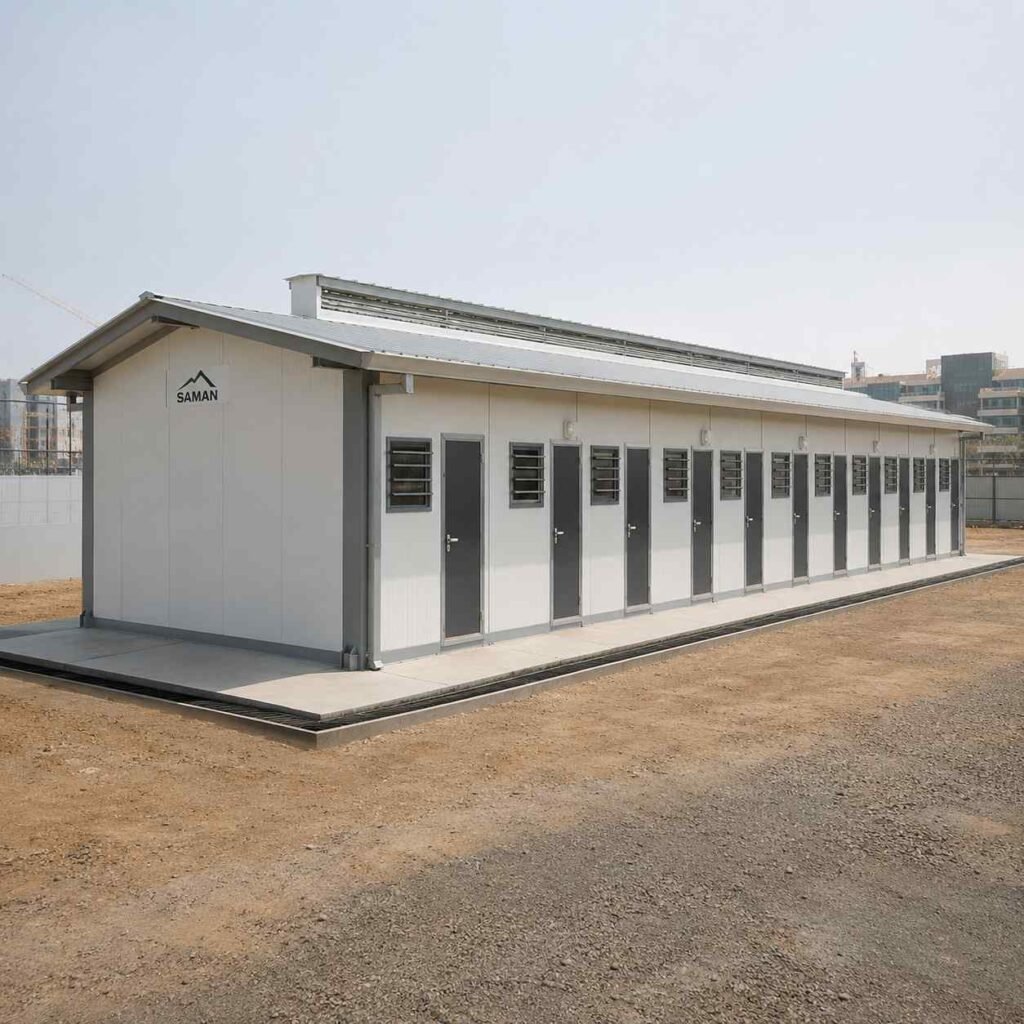
Larger sites require multi-guard cabins. These models range from 8×10 to 10×20 feet and can house two to four guards at once. Multi-guard cabins often include counters, storage, and communication systems. They are widely used in industrial zones, warehouses, and construction sites where monitoring is a continuous task.
Key Benefits of Multi-Guard Cabins
- More space for rotation during long shifts.
- Better surveillance coverage through larger window areas.
- Room for basic technology such as CCTV monitors.
- Increased security presence at busy checkpoints.
Specialized Cabins for Industries
Some projects demand specialized security cabin design based on environment. For example, airports require elevated cabins for broader visibility. Ports and coastal areas prefer FRP cabins due to their anti-corrosion qualities. Military sites may need ballistic-protected cabins to safeguard personnel in high-risk zones. Each cabin type reflects operational challenges.
Specialized Industry Examples
- Airport cabins: Elevated designs with 360° view.
- Coastal cabins: FRP or ACP to resist saltwater damage.
- Defense cabins: Reinforced with bulletproof glass and steel.
- Construction site cabins: Rugged MS for heavy-duty use.
Mobile and Modular Cabins
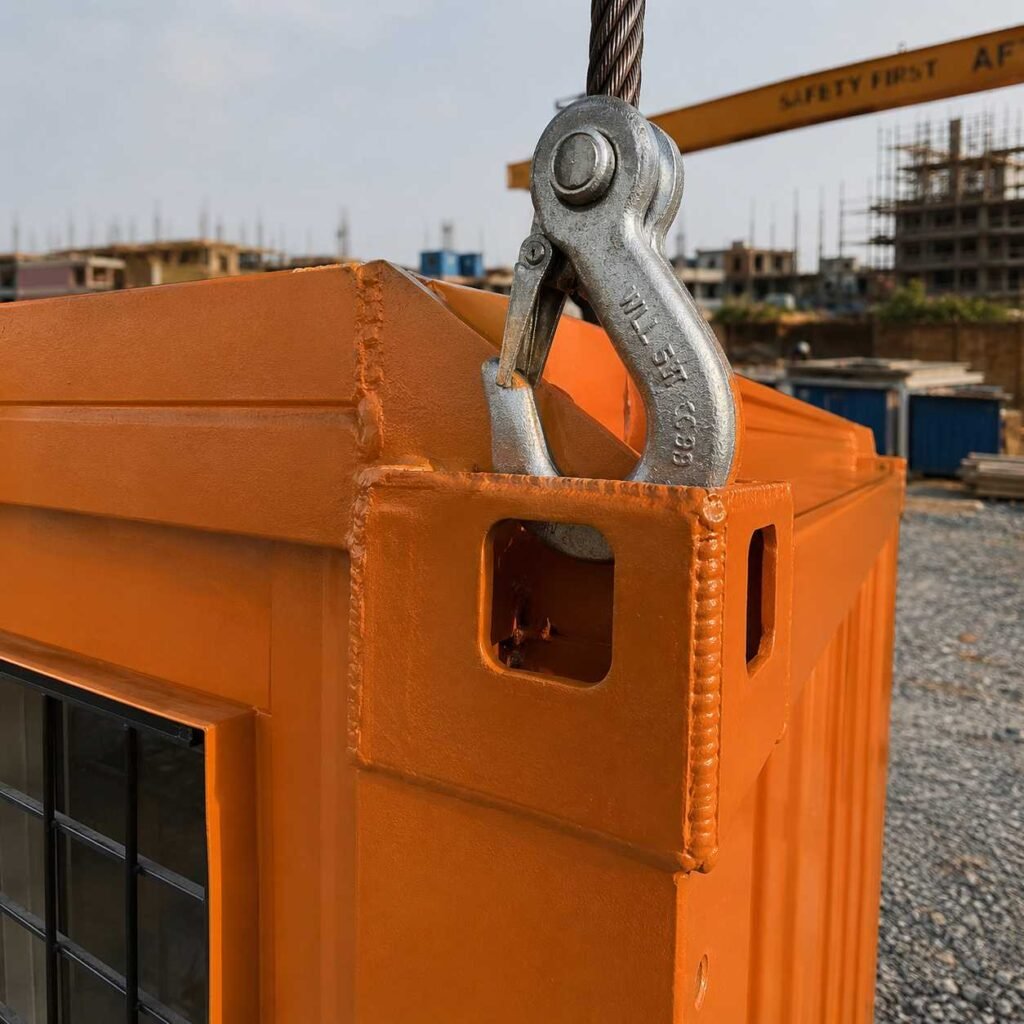
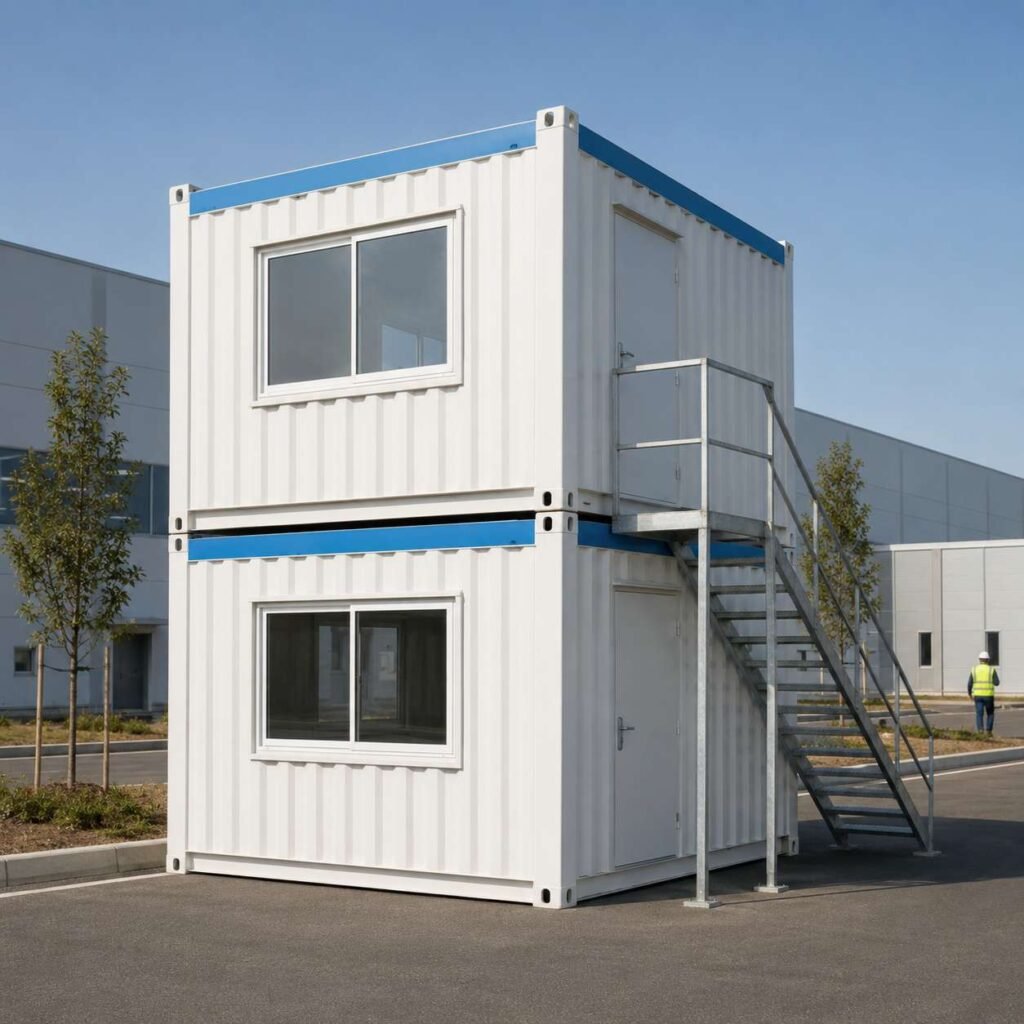
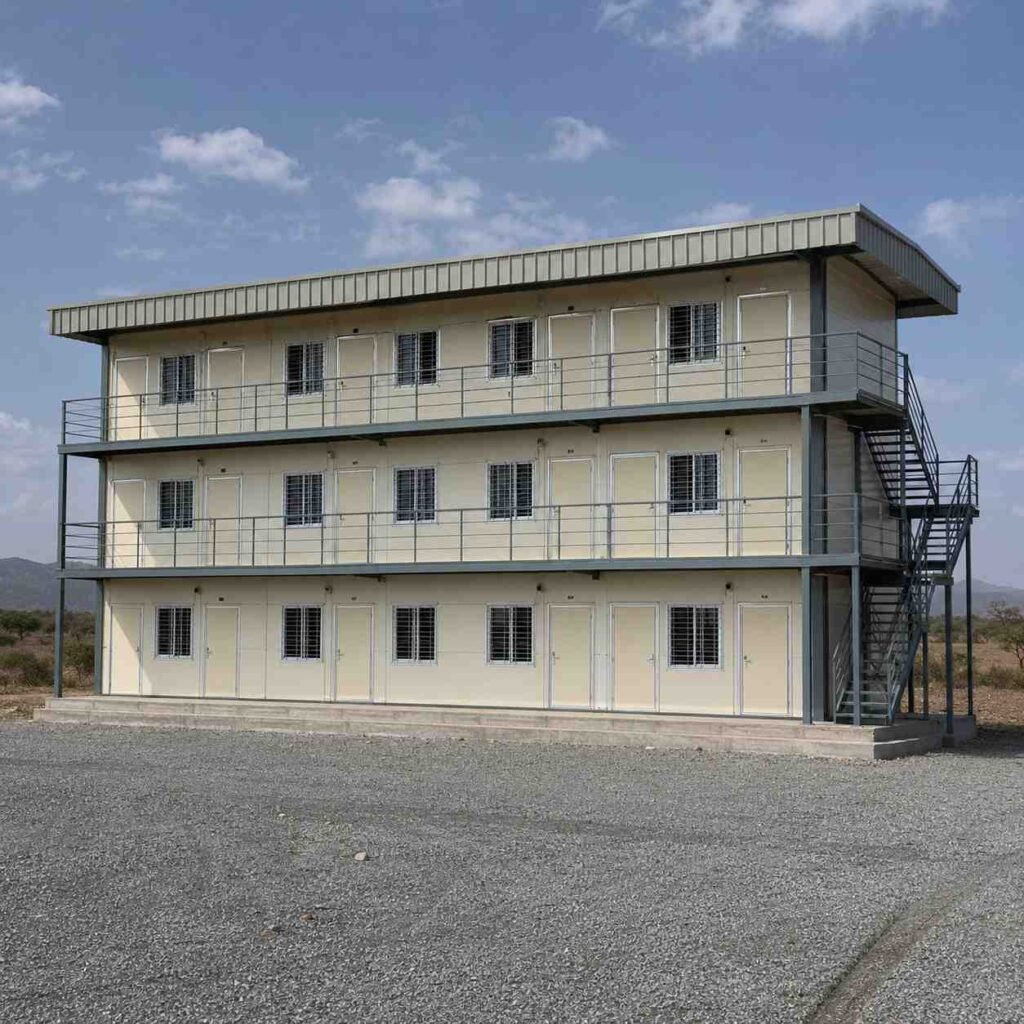
Another category is mobile cabins mounted on wheels or trailers. These units can be moved across large project sites without dismantling. Modular cabins are factory-built in sections, allowing buyers to add or remove units as needed. Both designs appeal to companies that need fast setup and frequent relocation.
Mobile & Modular Highlights
- Easy transport within or between sites.
- Quick installation with minimal groundwork.
- Flexible layouts for growth or downsizing.
- Often include prefitted electrical wiring and lighting.
Luxury and Customized Guard Cabins
In premium housing societies, corporate parks, and embassies, buyers choose high-end security guard cabins. These cabins combine aesthetics with advanced technology. Features may include ACP cladding, tinted windows, air conditioning, and biometric systems. Customization ensures the cabin matches the architecture while keeping security guards comfortable and efficient.
Buyers looking for stylish designs with modern finishes often prefer a Luxury Porta Cabin, which blends aesthetics with advanced security features.
Common Luxury Add-Ons
- Air-conditioned interiors for guard comfort.
- ACP or glass façades for modern looks.
- Advanced access control systems.
- Ergonomic furniture and storage facilities.
Security Porta Cabin Features & Specifications
A security porta cabin stands out because of its strength, adaptability, and built-in features. Unlike ordinary sheds, these cabins are designed with both functionality and durability in mind. Buyers evaluate them based on structure, materials, comfort, and technology. The right combination ensures that the cabin protects assets while supporting security staff effectively.

Structural Strength and Durability
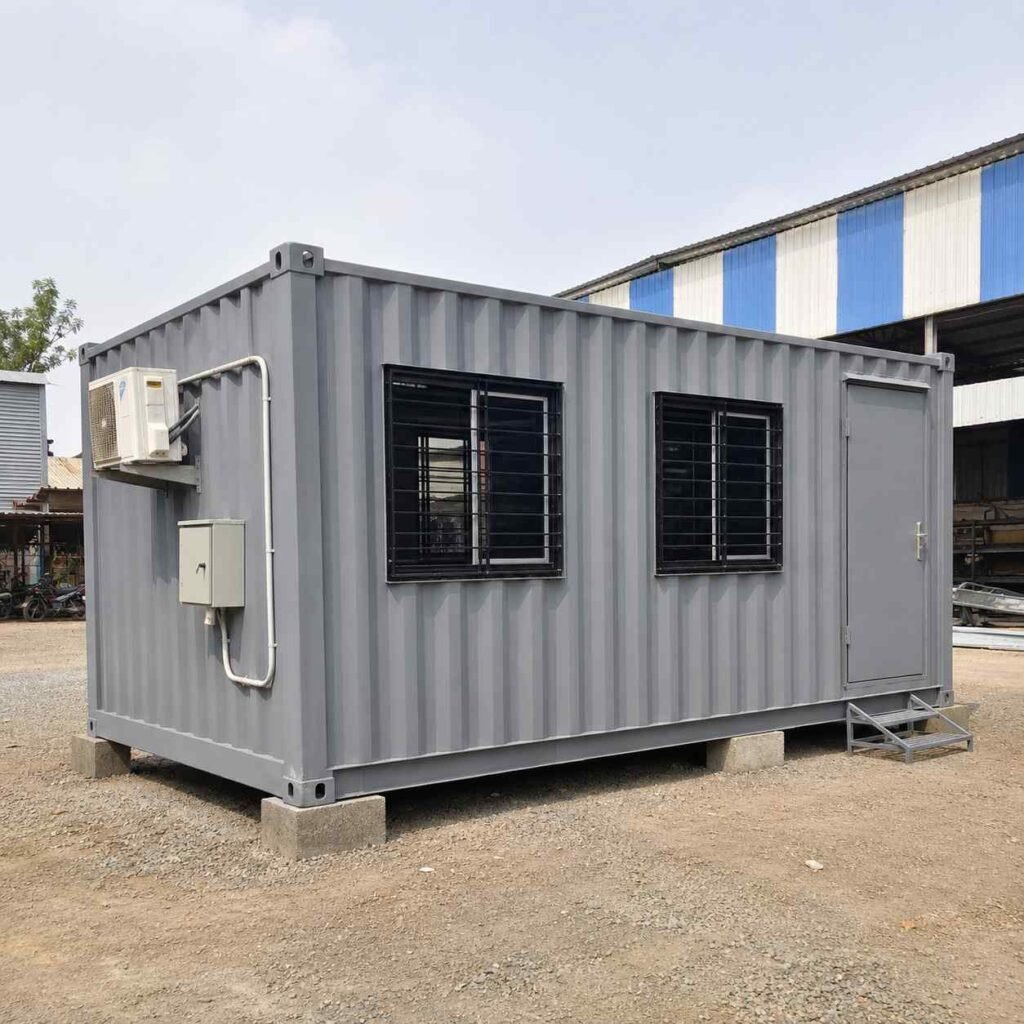
The frame is the backbone of the cabin. Most units use mild steel or galvanized steel for long life. Roofs are sloped to prevent waterlogging, and walls often have protective coatings against rust. Flooring may include marine ply or vinyl for slip resistance. These choices ensure the cabin survives heavy use and harsh weather.
Common Structural Elements
- MS or galvanized steel framework.
- Sloped or insulated roofing panels.
- Anti-skid flooring for safety.
- RCC foundation or plinth support.
Material Options for Walls and Panels
The material used for wall cladding directly affects performance, cost, and comfort. Steel offers rugged durability, PUF panels improve insulation, ACP enhances aesthetics, and FRP is ideal for coastal regions. Choosing the right type depends on the balance between budget, climate, and long-term needs.
Comparison of Security Cabin Materials
| Material | Durability | Insulation | Cost Range | Best Use Case |
|---|---|---|---|---|
| Mild Steel | High | Low | Low | Construction & heavy-duty sites |
| PUF Panel | High | High | Medium | All-weather use, comfort-focused |
| ACP Sheet | Medium | Medium | Medium-High | Corporate & premium sites |
| FRP | High | High | Medium-High | Coastal and humid regions |
Comfort and Ergonomic Features
A security guard cabin should support long working hours without strain. Cabins now include ventilation systems, ergonomic seating, and proper window placements for visibility. Interiors may feature small storage cabinets, power outlets, and LED lighting. Some premium models also offer air conditioning for year-round comfort.
Key Comfort Provisions
- Wide windows for visibility and airflow.
- Fans, exhausts, or AC for climate control.
- Storage and seating designed for guards.
- LED lights for nighttime operations.
Technology Integration
Modern security cabin design includes space for electronics and monitoring tools. Many cabins come pre-fitted with electrical wiring and sockets. Buyers can install CCTV cameras, biometric systems, or intercoms. Some even add solar panels for sustainable power. This makes the cabin not just a shelter but a mini command post.
Typical Technology Additions
- CCTV camera mounts and wiring.
- Biometric or card-based access control.
- Alarm and intercom systems.
- Solar-powered lighting or backup power.
Customization Options
Manufacturers allow custom designs to match the buyer’s needs. Buyers can select dimensions, number of windows, door placement, and finishing materials. Corporate clients often prefer ACP or glass finishes for a premium look, while construction companies choose rugged MS designs for affordability and toughness.
Security Cabin Price Analysis
The security cabin price is often the first question buyers ask. Costs vary widely depending on size, material, and customization. Entry-level models may start at a few thousand rupees, while high-end, technology-rich units can reach several lakhs. Transparent pricing helps buyers plan budgets and avoid hidden costs, a common complaint in the industry.

Factors That Influence Price
Several elements affect the final cost of a security porta cabin. The choice of material plays a big role — MS is cheaper, PUF adds insulation, and ACP or FRP cost more for design or climate benefits. Size also matters; compact 4×4 cabins are affordable, while multi-guard or luxury units can multiply the price.
Price-Impacting Variables
- Material type: MS, PUF, ACP, or FRP.
- Dimensions: single-guard vs multi-guard.
- Add-ons: AC, CCTV wiring, furniture.
- Transport and installation charges.
Price Range in India
Indian buyers face inconsistent price quotes, with some suppliers excluding transport or GST. On average, FRP cabins range between ₹23,000–₹45,000, PVC cabins between ₹24,000–₹42,500, and steel cabins from ₹35,000–₹96,000. Premium models may cross ₹1.5 lakh, especially those with advanced features.
Average Security Cabin Prices (India)
| Cabin Type | Price Range (₹) | Notes |
|---|---|---|
| FRP Cabins | 23,000–45,000 | Good for coastal & humid regions |
| PVC Cabins | 24,000–42,500 | Budget-friendly, weak insulation |
| Steel Cabins | 35,000–96,000 | Rugged, durable, prone to heat |
| ACP Cabins | 60,000–1,50,000+ | Stylish, corporate look, higher cost |
For a detailed breakdown of cost factors, visit our detailed guide on Porta Cabin Price, which explains per-square-foot costs, material choices, and add-ons in depth.
Global Market Pricing
Outside India, cabins are priced higher due to labor and compliance costs. In the US, basic guard cabins may cost $2,000–$4,000, while advanced booths exceed $10,000. In Europe, CE-marked modular cabins range between €3,500–€8,000 depending on insulation and fire ratings. These figures reflect stricter codes and premium materials.
Cost of Ownership
Beyond the purchase price, buyers should consider maintenance and energy costs. PUF cabins save money long-term by reducing energy bills, while steel cabins may need regular repainting against rust. Cabins with solar add-ons may have higher upfront costs but lower running expenses. These ownership costs make a big difference over five to ten years.
Long-Term Value Drivers
- Energy savings from insulated panels.
- Maintenance costs (painting, rust-proofing).
- Service and spare parts availability.
- Warranty and after-sales support.
Buyer Pain Points in Pricing
Many Indian buyers complain about sudden price changes between inquiry and purchase. Delays in delivery and extra transport fees add to frustration. A detailed quotation with a breakdown of all costs, including GST and installation, is the best way to build trust. Transparent pricing remains a key differentiator among suppliers.
Security Cabin for Sale: What Buyers Need to Know
When searching for a security cabin for sale, buyers often face a mix of options, from budget models to premium custom units. The challenge lies in identifying the right cabin that balances price, durability, and features. Transparent information on specifications, warranties, and after-sales service makes all the difference in the buying process.

Where to Find Security Cabins for Sale
Buyers in India can explore multiple channels when purchasing a security porta cabin. Local manufacturers supply cabins directly from their factories, while online platforms list pre-made options for quick purchase. Some suppliers also offer refurbished cabins at discounted prices, which appeal to buyers with tighter budgets.
If you are actively searching for reliable suppliers, explore our Porta Cabin for Sale page, which lists ready-to-ship options with transparent specifications.
Common Sales Channels
- Direct purchase from manufacturers.
- Online marketplaces and trade portals.
- Authorized dealers in major cities.
- Refurbished units from resellers.
Key Factors to Evaluate Before Purchase
Every security guard cabin is unique in design and performance. Buyers should check the material, size, and safety features before finalizing. Installation and delivery timelines must also be confirmed, as delays are a common complaint. Comparing suppliers ensures buyers get better value for money.
Buyer’s Checklist
- Verify size and material specifications.
- Confirm delivery timeline and transport costs.
- Check warranty coverage and service support.
- Ask for compliance certificates and electrical safety details.
Comparing Local and National Suppliers
Local manufacturers offer faster delivery and site-specific support, especially in regions like Bangalore, Chennai, or Delhi. National-level suppliers, however, provide more variety and standardized quality. Buyers looking for premium security cabin design often prefer larger suppliers who can deliver customized finishes like ACP or glass cladding.
Pros and Cons of Supplier Types
- Local suppliers: Faster delivery, regional service, but limited design range.
- National suppliers: Wider catalog, advanced customization, but longer lead times.
New vs. Refurbished Cabins
A growing market trend includes refurbished cabins sold at lower costs. These cabins are inspected, repaired, and offered at 30–40% savings compared to new units. While affordable, they may not last as long as new ones. For short-term projects, refurbished security cabins for sale are a practical option.
For budget-conscious projects, many buyers choose used porta cabins that offer significant cost savings without compromising on functionality.
Benefits of Refurbished Units
- Lower upfront price.
- Immediate availability in many cases.
- Environmentally friendly by reusing structures.
- Suitable for temporary or seasonal projects.
Importance of After-Sales Service
The value of a security porta cabin does not end with its purchase. Buyers often struggle with poor after-sales service. Suppliers who offer reliable maintenance, spare parts, and quick repair services build long-term trust. Evaluating this factor at the buying stage prevents headaches later.
Service Features to Look For
- Dedicated support team with quick response.
- Availability of spare parts in local markets.
- Clear warranty coverage with replacement options.
- Annual maintenance contracts for larger clients.
Applications of Security Porta Cabins Across Industries
The security porta cabin is widely used across industries because of its adaptability and quick setup. From housing societies to industrial plants, these cabins act as the first checkpoint for people and vehicles. Their portable nature makes them a flexible option in environments where safety and access control are priorities.

Construction and Infrastructure Projects
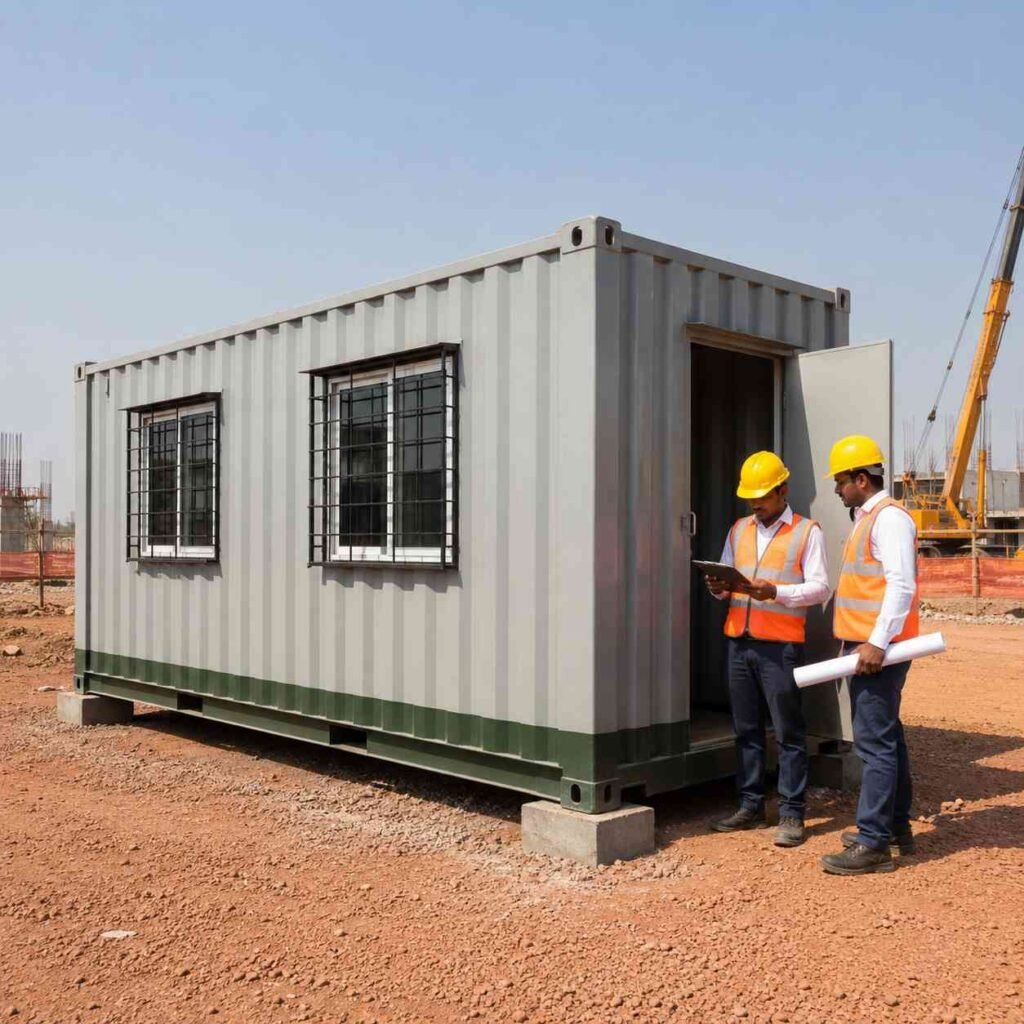
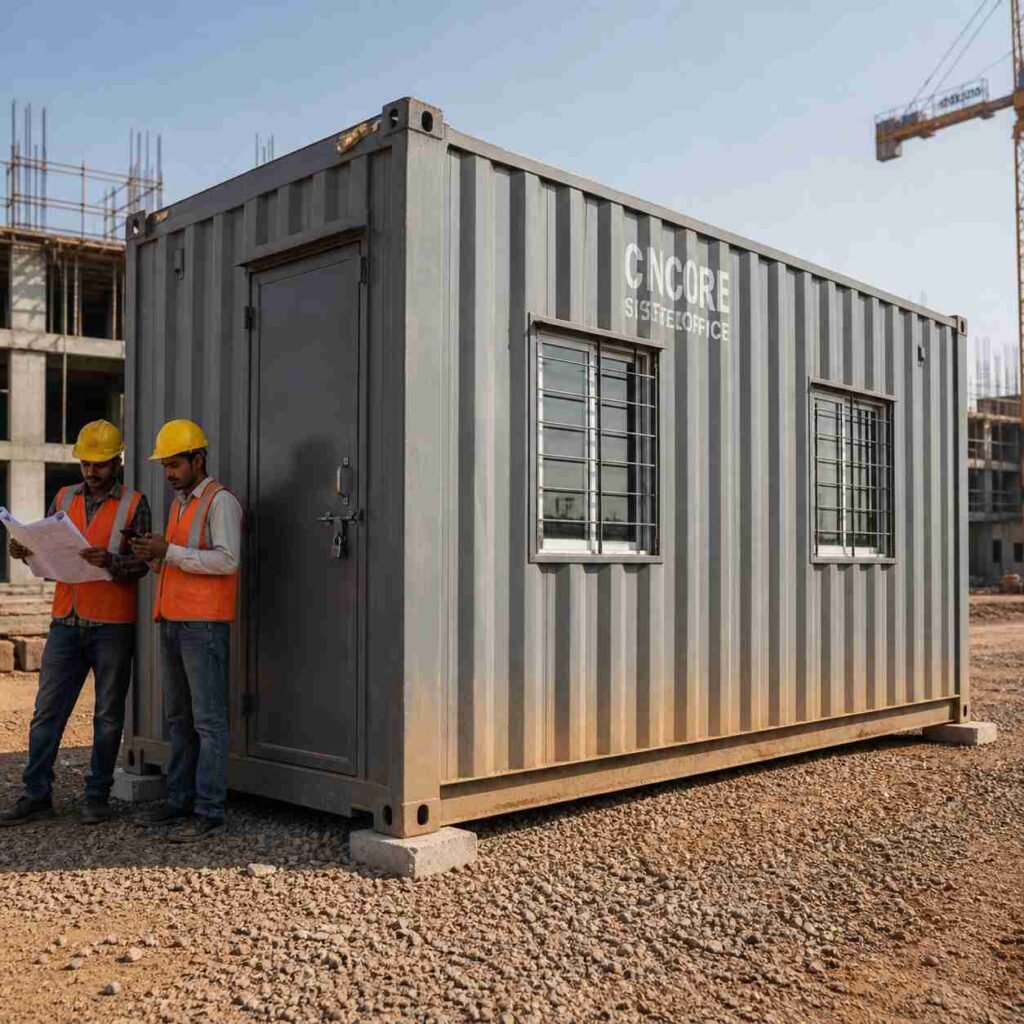
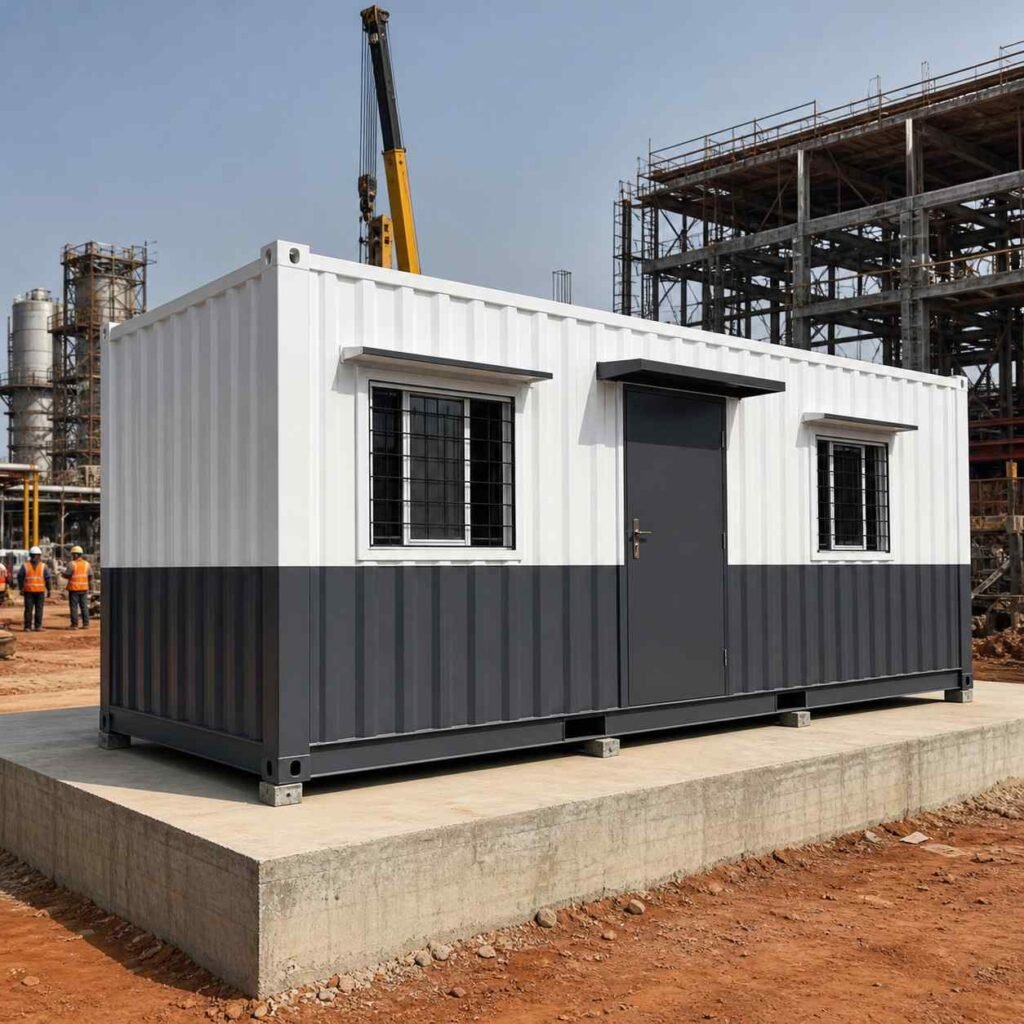
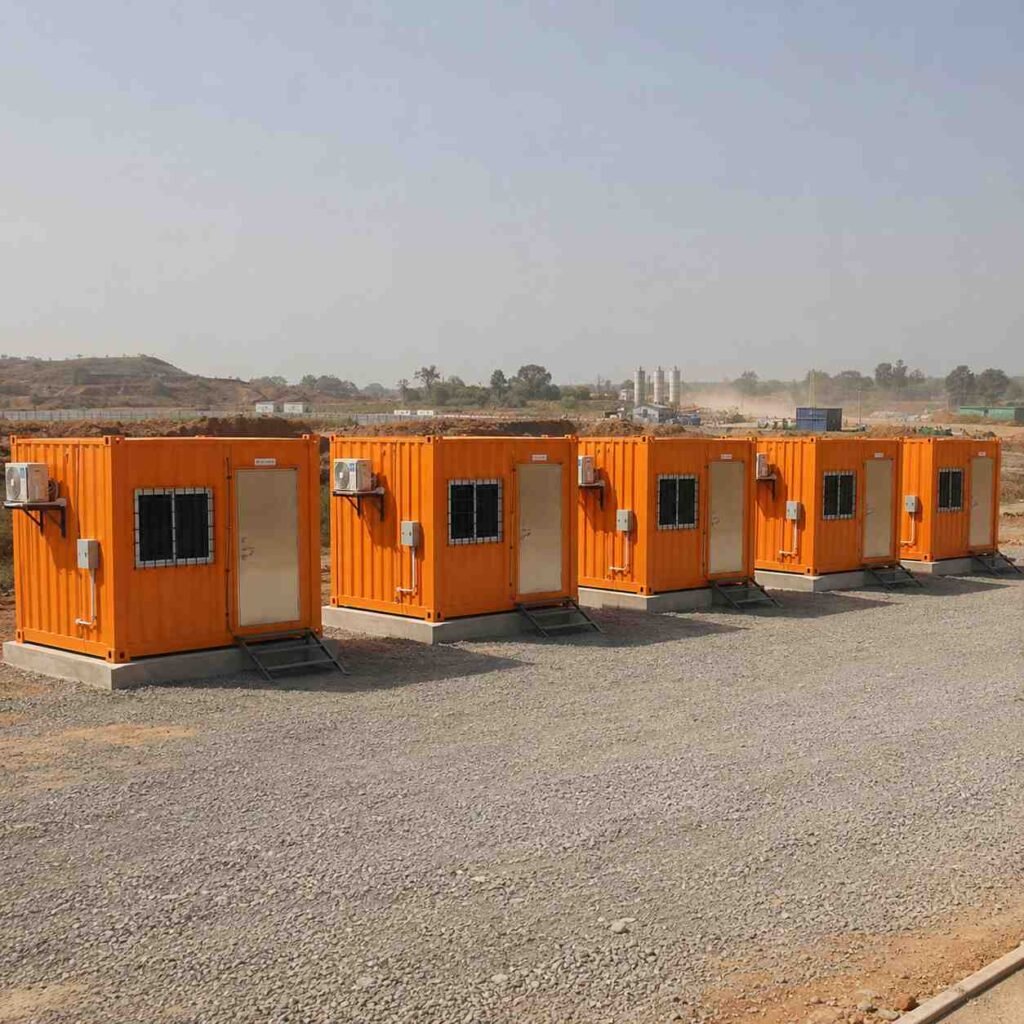
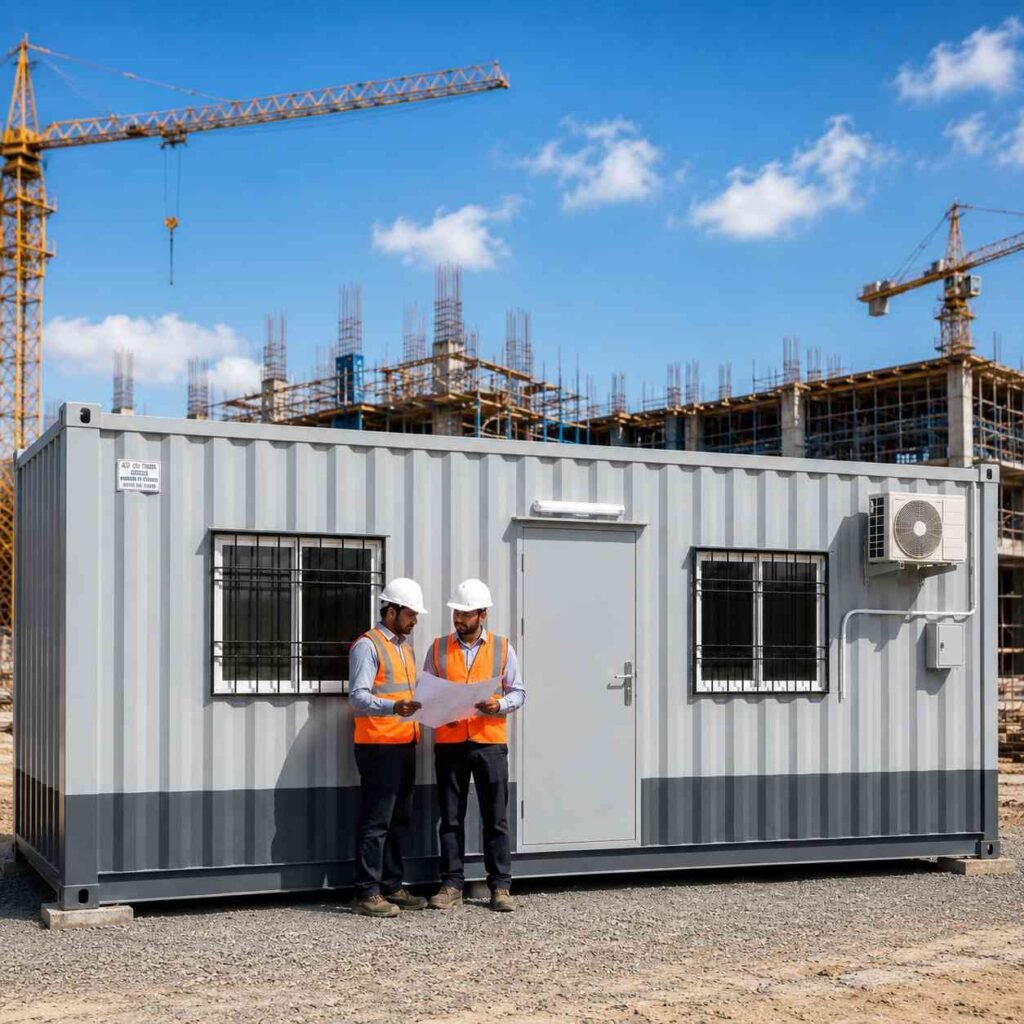
On construction sites, a security guard cabin ensures that workers, visitors, and materials are checked before entering. These cabins are often rugged, made from mild steel or FRP to withstand dust, vibration, and weather. Their portability allows them to be relocated as projects move from one stage to another.
Common Uses on Construction Sites
- Monitoring workers’ entry and exit.
- Guarding expensive equipment and raw materials.
- Acting as temporary offices for site supervisors.
- Providing a visible security presence to deter theft.
Industrial Facilities and Warehouses
Factories, warehouses, and logistics hubs rely heavily on security cabin design for controlled access. Larger cabins with space for multiple guards are common, along with CCTV and alarm systems. At these sites, cabins are positioned near gates or loading areas to regulate movement and protect goods.
Security Roles in Industrial Use
- Managing gate entries for trucks and staff.
- Housing monitoring equipment like CCTV screens.
- Serving as command centers for shift guards.
- Providing shelter for round-the-clock monitoring.
Residential and Commercial Complexes
In gated communities and office campuses, security cabins for sale often focus on aesthetics as much as function. ACP or glass finishes help them blend with modern architecture. Guards stationed in these cabins verify visitors, maintain registers, and act as the first point of contact for residents and employees.
Key Functions in Residential Areas
- Visitor entry verification.
- Vehicle checks for resident parking.
- Communication hub for emergencies.
- Psychological deterrent against intruders.
Airports, Ports, and Transport Hubs
Airports and seaports need higher visibility cabins, often elevated for 360° monitoring. Cabins in these sectors may include ballistic protection, advanced surveillance, and climate control. Positioned at gates, runways, or docking areas, these security porta cabins are essential to maintaining international safety standards.
Features for High-Security Locations
- Elevated designs for wide visibility.
- Bullet-resistant panels in sensitive zones.
- Integrated intercoms and biometric scanners.
- Space for multiple guards and monitoring screens.
Defense and Government Installations
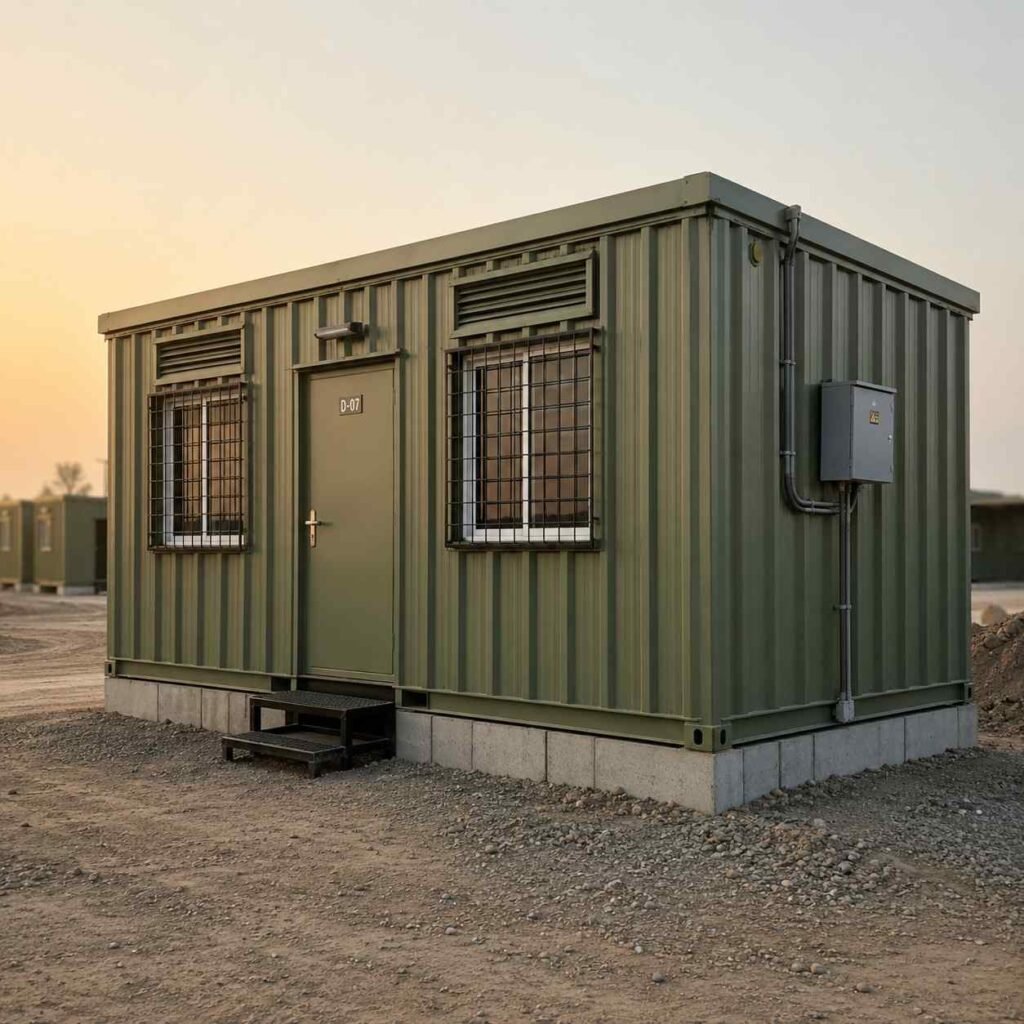
Military bases, embassies, and government offices require cabins with extra strength. These cabins use reinforced steel, bulletproof glass, and fire-resistant panels. Their design reflects strict compliance standards, often based on global codes. They are placed at entrances, perimeters, and sensitive checkpoints.
Defense-Oriented Cabin Features
- Reinforced structures for threat protection.
- Climate control for guard comfort.
- Integration with surveillance towers.
- Compliance with ballistic safety standards.
Future Trends in Security Porta Cabin Design and Market
The future of the security porta cabin is shaped by technology, sustainability, and evolving buyer expectations. No longer seen as basic shelters, cabins are becoming advanced hubs of monitoring and control. Global and Indian markets both point to strong growth, with modular and smart cabins leading the way.
Global industry experts also highlight the growing role of Portable Guard Booths as integrated security hubs, combining durability with advanced technology.

Smart Security Cabins with IoT Integration
The next decade will see a sharp rise in technology-driven cabins. IoT-enabled cabins allow real-time monitoring of power, security cameras, and guard activity. Remote access through cloud platforms helps companies manage multiple sites at once. These smart cabins improve efficiency and reduce blind spots in large facilities.
Common Smart Features Emerging
- Biometric scanners and smart card access.
- Remote CCTV streaming to cloud dashboards.
- Motion sensors and automated lighting.
- Panic buttons with instant alerts.
Sustainable and Eco-Friendly Designs
Sustainability is a growing priority. Buyers increasingly ask for cabins made with recycled steel, PUF insulation for energy efficiency, and solar-powered lighting. These designs reduce long-term costs and environmental impact. Green-certified cabins are expected to dominate premium segments, especially in corporate and residential projects.
Eco-Friendly Cabin Additions
- Solar panels for lighting and cooling systems.
- Recyclable materials such as FRP and steel.
- Rainwater harvesting integration for larger sites.
- Energy-efficient windows and ventilation.
Growth in Modular and Prefabricated Markets
The market is shifting from standard models to modular cabins with customizable layouts. Modular designs allow buyers to expand or downsize depending on site needs. This flexibility, combined with faster installation, makes modular cabins the fastest-growing segment in India and worldwide.
Drivers of Modular Adoption
- Quick setup saves project timelines.
- Easy relocation without damage.
- Custom layouts for industry-specific needs.
- Better cost efficiency with factory-controlled builds.
Global Market Outlook
The worldwide portable cabin industry is expected to grow from USD 2.0 billion in 2024 to USD 3.0 billion by 2030. India is leading with a CAGR of 13.5%, driven by smart cities, infrastructure projects, and gated communities. This growth reflects strong demand for advanced security cabin design solutions in both private and public sectors.
Regional Growth Highlights
- India: Fastest growth with smart city projects.
- Asia-Pacific: High adoption in urban infrastructure.
- Europe: Demand for CE-marked eco-friendly cabins.
- Middle East: Ballistic and climate-controlled cabins for defense.
Rising Buyer Expectations
Tomorrow’s buyers will no longer accept cabins without comfort or tech. Guards expect ergonomic seating, AC or heating, and safe wiring. Owners expect cabins that match property aesthetics while meeting strict codes. Suppliers who fail to evolve risk losing market share.
What Buyers Will Demand
- Transparent security cabin price details.
- Integrated technology for smarter security.
- Aesthetic finishes that blend with architecture.
- Long warranties and reliable service support.
Conclusion: Why Security Porta Cabins Are the Future of On-Site Security
The security porta cabin has transformed from a temporary hut into a permanent fixture of modern safety infrastructure. Its ability to balance portability, durability, and cost-effectiveness makes it the preferred solution across industries. Whether at a residential gate, construction site, or industrial checkpoint, these cabins provide both a physical presence and a psychological deterrent.

The strength of today’s cabins lies in their adaptability. Buyers can choose compact single-guard models, rugged steel structures for heavy-duty use, or premium ACP-clad cabins that blend with corporate architecture. Advanced security cabin design even integrates CCTV, biometric scanners, and IoT systems, turning these units into smart command centers.
From a financial perspective, a security cabin price comparison shows long-term value. While initial costs vary, prefabricated cabins consistently deliver savings in time, energy, and maintenance. Over the years, insulated PUF models reduce energy bills, while durable steel or FRP units minimize repairs. This return on investment makes cabins not just affordable but sustainable.
Looking forward, the future is clear. India’s market growth, coupled with global adoption, points to expanding demand for portable security solutions. Eco-friendly designs, modular expansion, and smart integrations will continue to push the industry forward. For buyers, the opportunity is in choosing a supplier who delivers not only a product but a reliable long-term security solution.
👉 To explore high-quality security porta cabins for sale, connect with Saman Portable today for custom designs, transparent pricing, and expert guidance.
FAQs About Security Porta Cabins and Guard Cabins
What is a security porta cabin?
A security porta cabin is a prefabricated, portable unit designed to house security guards. It provides shelter, safety, and monitoring space, usually installed at entry gates, checkpoints, or site perimeters to manage access.
How much does a security cabin cost in India?
The security cabin price varies by material, size, and features. Basic steel models start around ₹35,000, while insulated or ACP cabins with advanced features may exceed ₹1.5 lakh. Extra charges may apply for transport and GST.
What are the main materials used in security cabins?
Common materials include mild steel for rugged durability, PUF panels for insulation, ACP sheets for modern looks, and FRP for coastal or humid regions. The choice depends on climate, budget, and project requirements.
Are security guard cabins customizable?
Yes. A security guard cabin can be customized in dimensions, layout, and finishes. Buyers may add ergonomic seating, CCTV wiring, AC units, or bulletproof glass for sensitive sites that demand higher protection.
Where can I find security cabins for sale?
You can purchase security cabins for sale from manufacturers, authorized distributors, or online marketplaces. Both new and refurbished units are available. Always confirm warranty details and after-sales service before committing to a supplier.
What are the compliance requirements for security cabins?
Security cabins must comply with codes such as NBC in India or EN standards in Europe. Fire safety, electrical certification, and accessibility are essential checks during procurement.
What industries use security porta cabins?
Security porta cabins are deployed in construction projects, industrial plants, warehouses, gated residential communities, airports, ports, and defense sites. The type of cabin chosen depends on industry-specific needs and security risks.
How long does it take to install a security cabin?
Most security porta cabins arrive pre-assembled. With a prepared foundation, installation takes less than a day. Larger modular cabins with additional features may take up to a week, depending on site access and scope.
What is the lifespan of a security porta cabin?
A well-built security guard cabin can last 10–15 years or more. Proper maintenance, quality of materials, and local climate conditions play key roles. Steel units may need repainting, while PUF-insulated models provide longer comfort and durability.
What are the latest trends in security cabin design?
The latest security cabin design trends focus on eco-friendly materials, IoT integration, and modular layouts. Buyers increasingly prefer smart cabins with solar power, biometric scanners, and insulated interiors for energy efficiency.

