Portable Buildings

Porta Cabin Price 2025: Transparent Cost Guide with Sq. Ft. Rates, Terrace Costs and ROI Insights

Porta Cabin Price

Introduction to Porta Cabin Price in 2025

Porta cabins have become one of the fastest-growing solutions for modern space needs. In 2025, the porta cabin price is no longer a simple figure. Buyers must consider size, material, location, and even installation logistics before setting a budget. This guide explains all cost factors in detail so buyers can make clear and confident decisions.

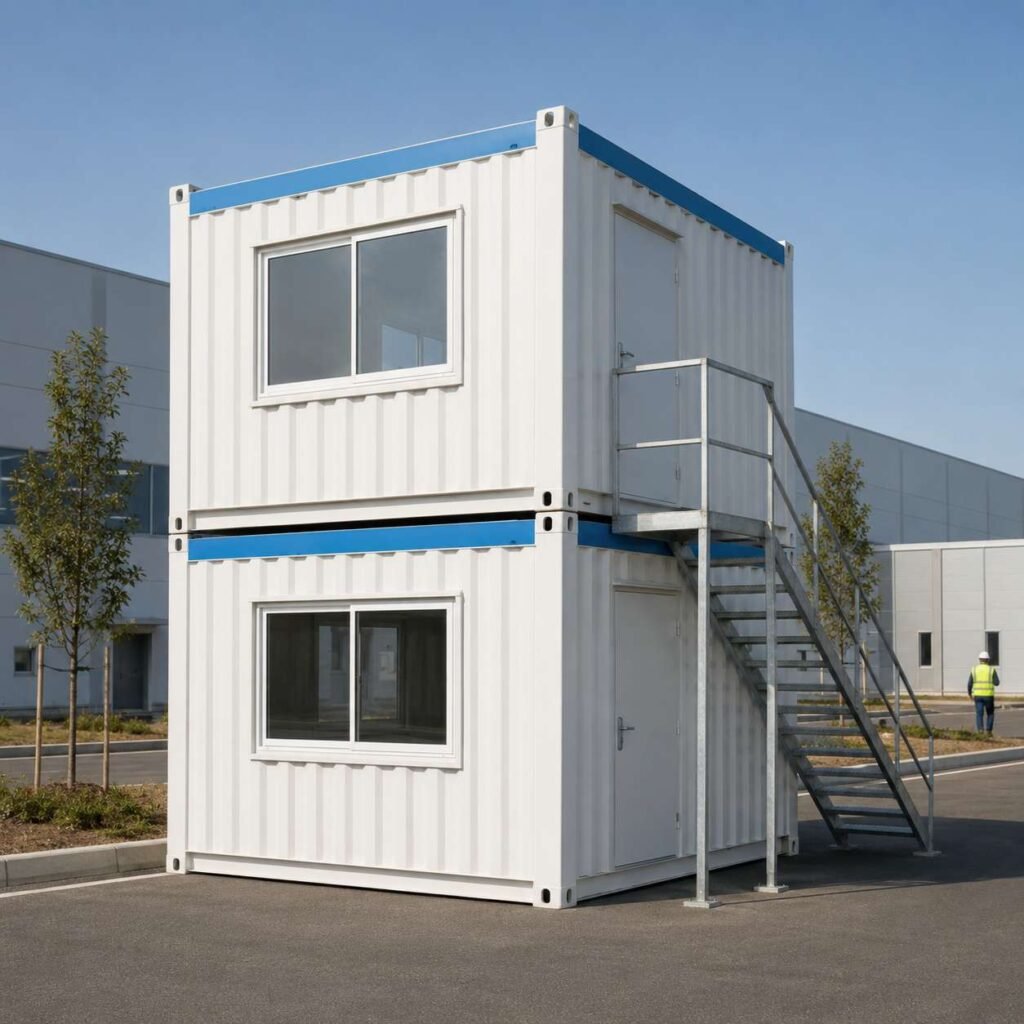
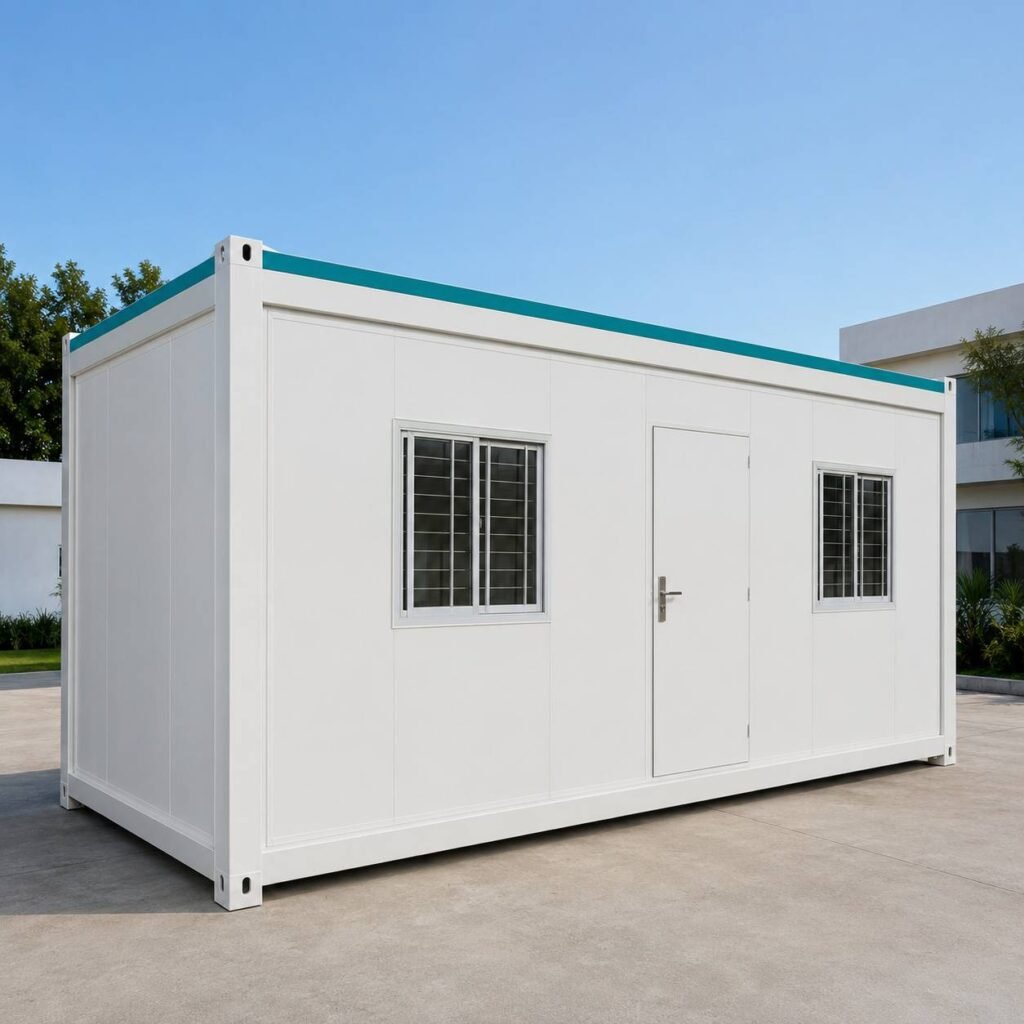
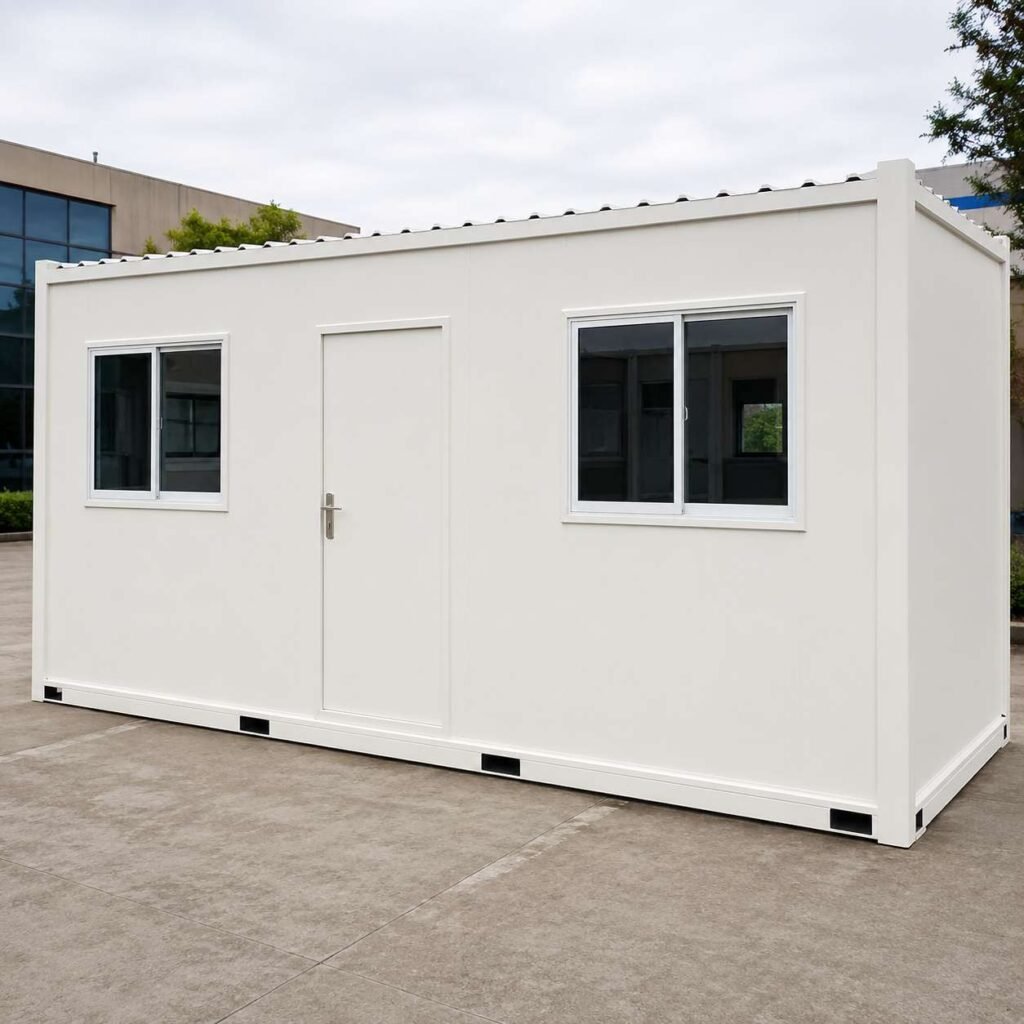
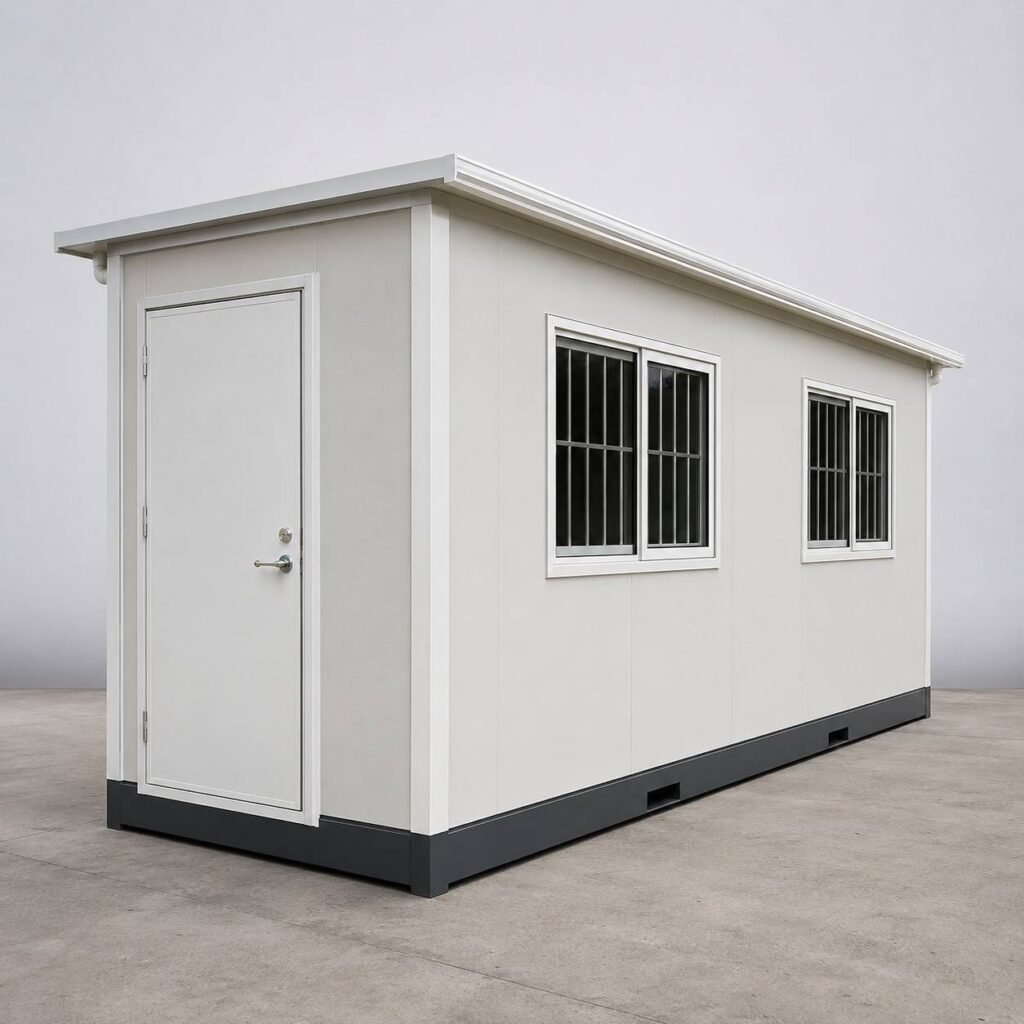
white modern porta cabin
Modern white porta cabin with gray trims, set in landscaped surroundings for premium usage.

Market Growth Snapshot

The global market for modular and portable cabins was valued at over $28 billion in 2023 and is expected to touch $56 billion by 2030, growing at a CAGR of more than 10%. India is moving even faster. Reports show a CAGR of 13.5% from 2024–2030, making it the fastest-growing market in Asia-Pacific. Demand is rising because cities like Bangalore, Delhi, and Mumbai face high construction costs and need faster deployment of housing, site offices, and storage solutions.

In India, the average porta cabin cost per square foot ranges between ₹650 and ₹2,200, depending on materials and specifications. By comparison, in the US, similar structures range from $125 to $275 per square foot once installation and interiors are included. This gap shows why Indian suppliers are not just serving domestic buyers but also exporting solutions to global markets.

Why Pricing Guides Matter

Most online articles give only broad figures. They mention that a cabin might cost “₹1.5 lakh to ₹10 lakh” but do not explain the cost per square foot or hidden expenses like transport and crane hire. For buyers, this lack of transparency creates confusion. Without detailed breakdowns, many underestimate total costs by 15–25% once delivery, installation, and civil works are added.

Competitor content also misses local details. For example, the porta cabin on terrace cost is quoted at a premium, but rarely do guides explain the added charges for waterproofing, RCC plinths, or municipal approvals. This article fills those gaps with real-world data, tables, and case studies.

What This Guide Covers

This complete cost guide is designed for first-time buyers, contractors, schools, and business owners. Each section focuses on a clear aspect of porta cabin pricing:

  • Cost per square foot for all standard sizes
  • Material-wise price differences like PUF, MS, and ACP
  • Regional cost variations across India’s major metros and Tier-2 cities
  • Terrace cabin pricing with a detailed breakdown of lifting, waterproofing, and compliance
  • Cheap porta cabins and when they are worth buying
  • Customization costs including AC, toilets, interiors, and branding
  • ROI comparisons between renting and buying
  • Cost vs traditional construction
  • Future price trends for 2025–2030

By the end of this article, readers will have a clear, data-backed answer to one of the most asked questions in the market: “What is the real porta cabin price in 2025?”

Porta Cabin Cost per Square Foot in 2025: The Ultimate Buyer’s Guide

When searching for the porta cabin price, most buyers are given only a lump-sum figure. While this is helpful, it hides the most important detail: the porta cabin cost per square foot. In 2025, this figure is the clearest way to measure value across different cabin sizes, materials, and locations. Transparent cost-per-square-foot rates help buyers compare options and avoid hidden surprises during procurement.

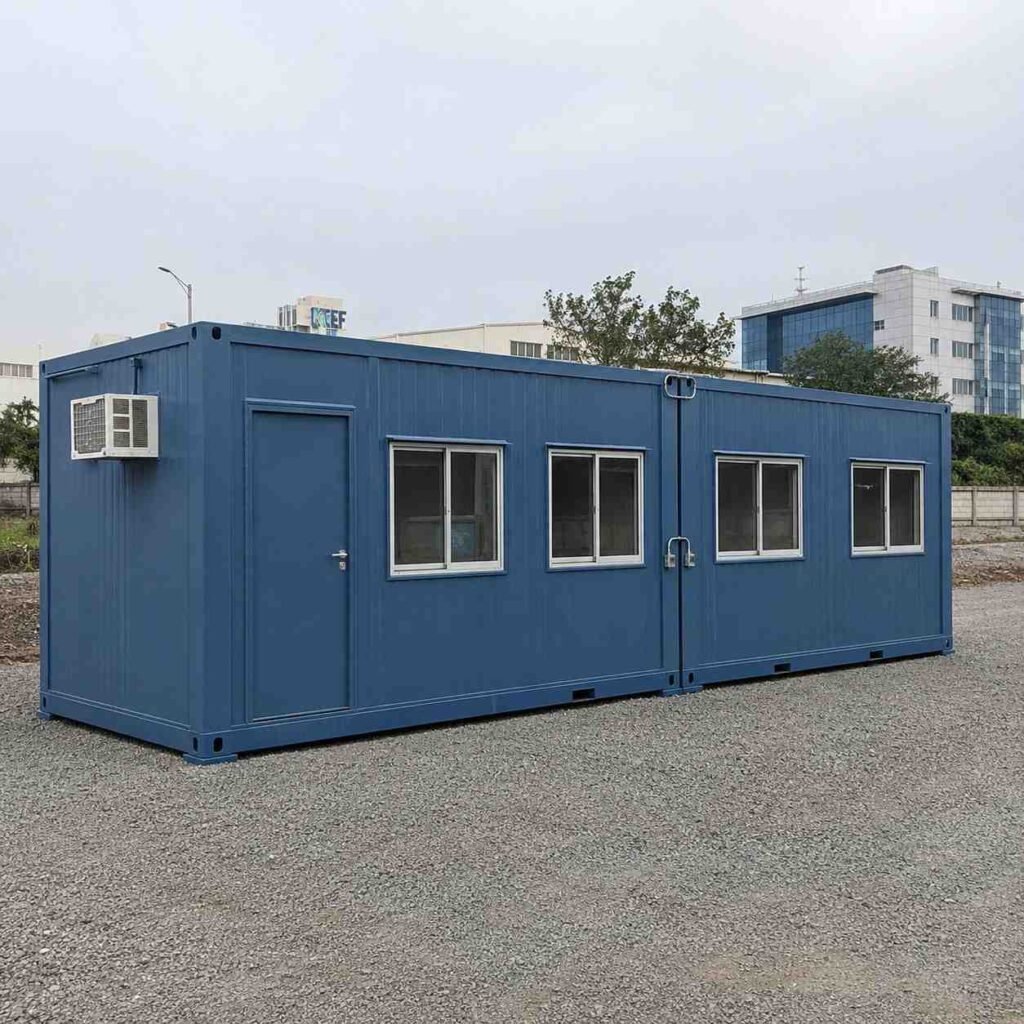
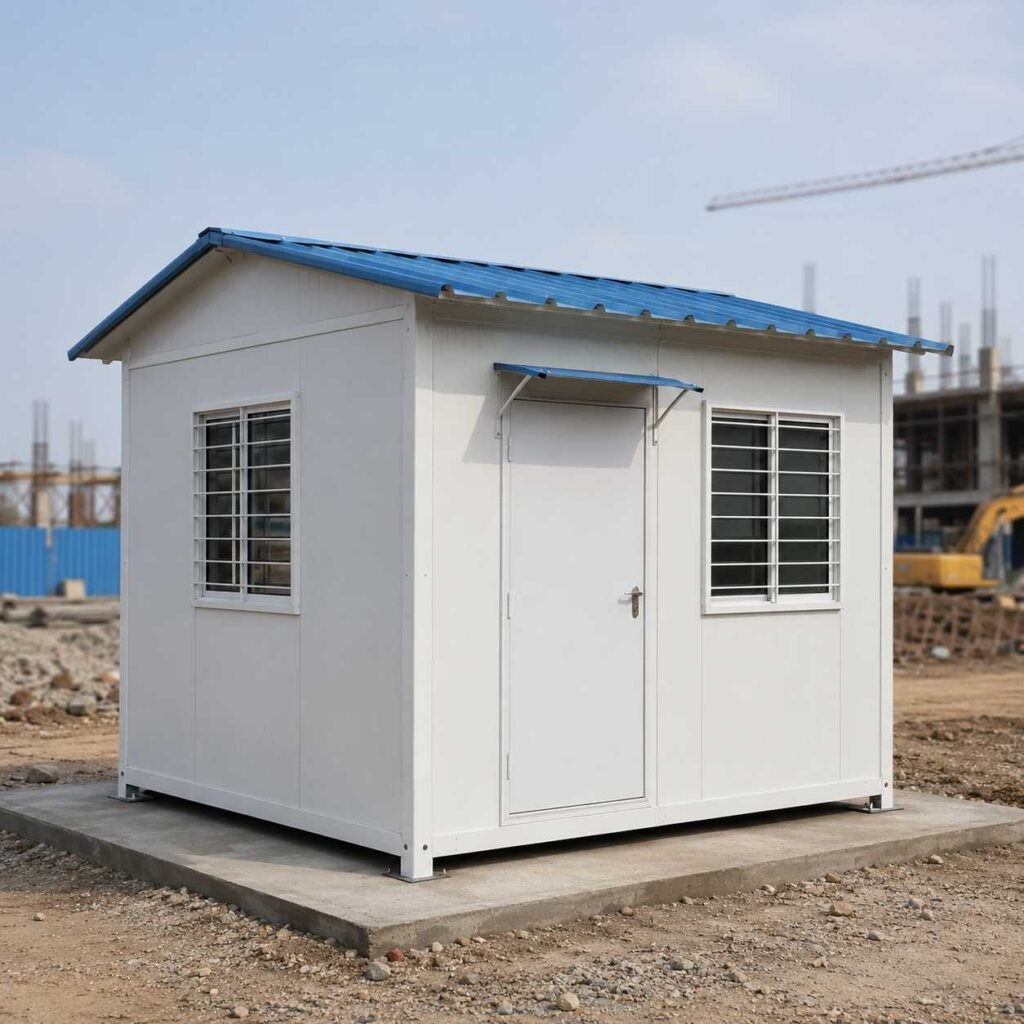
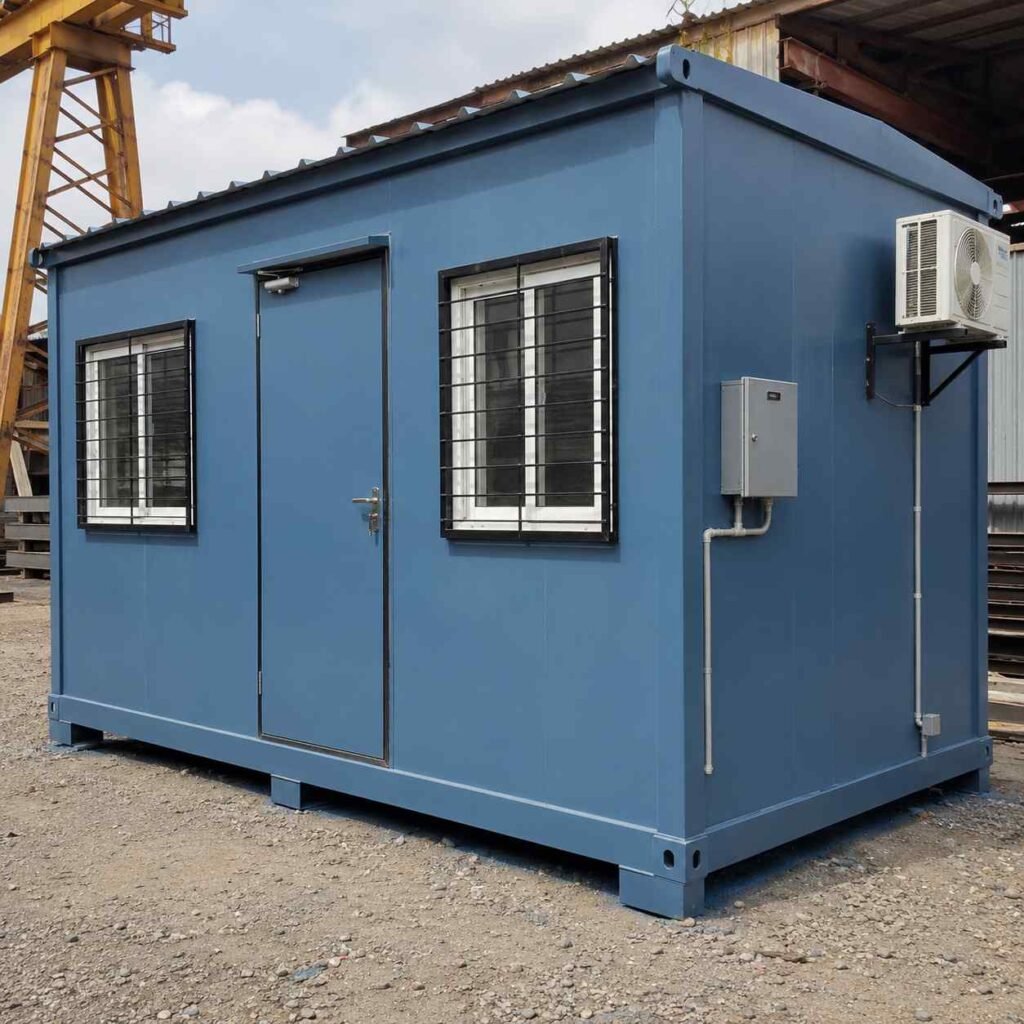
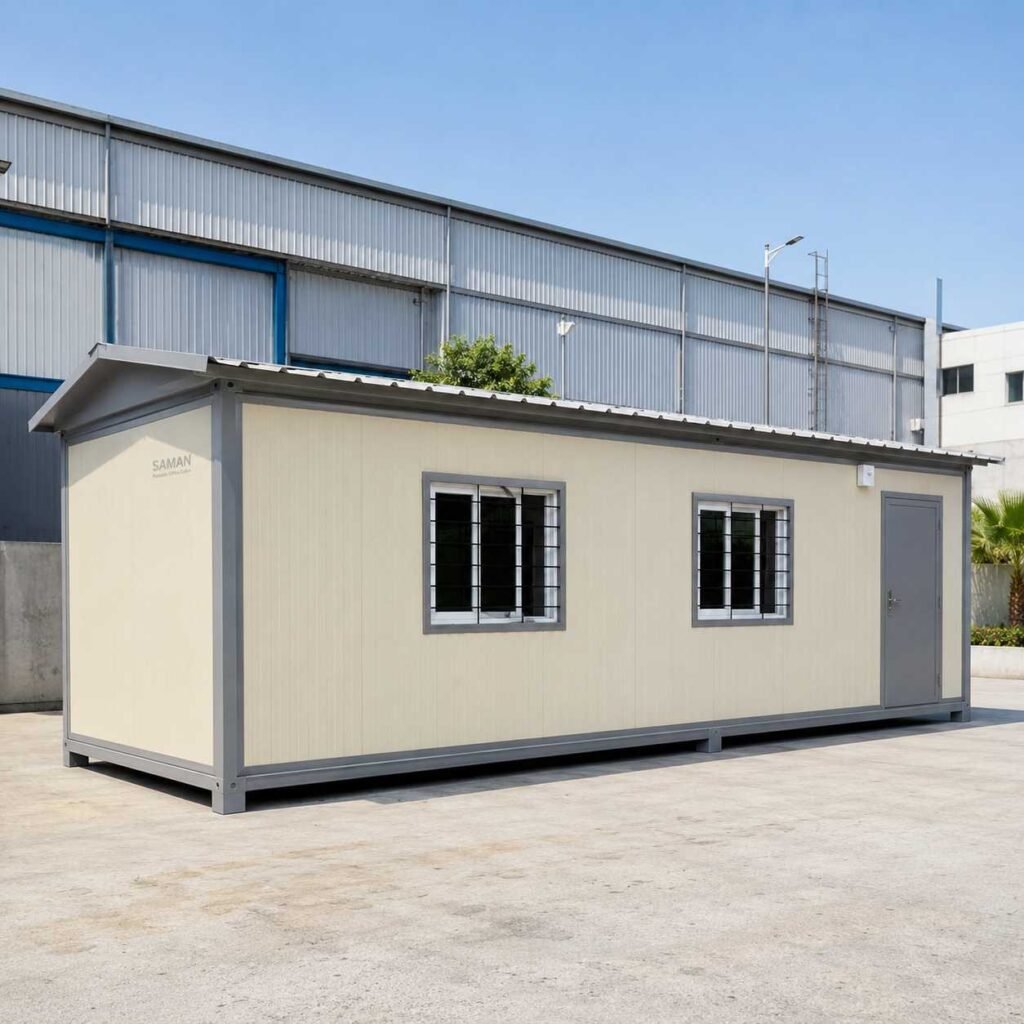
blue office porta cabin
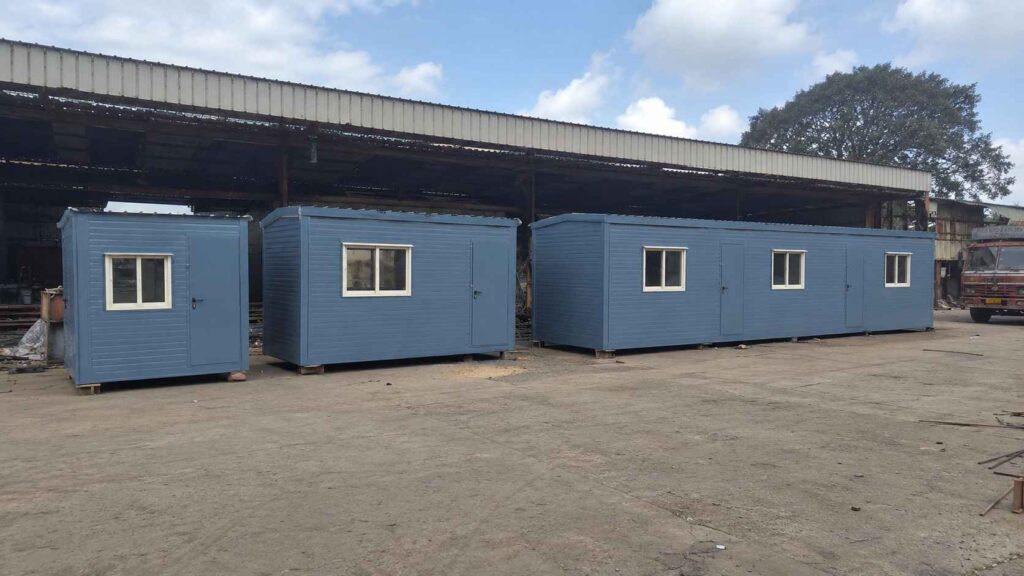
Large blue porta cabin with multiple windows, perfect for use as office space or site accommodation.

Standard Porta Cabin Sizes and Their Per-Square-Foot Costs

Porta cabins are generally manufactured in modular dimensions such as 10×10 ft, 20×10 ft, 30×10 ft, and 40×10 ft. Each size has its own pricing profile, shaped by fixed costs like frames, doors, and windows. A smaller cabin carries a higher rate per sq. ft. because the fixed expenses are spread over a limited area. A larger cabin, though more expensive overall, usually offers 20–25% better value per sq. ft..

If you are comparing options for different dimensions, explore our range of modern Porta Cabins with detailed specifications and transparent pricing.

Table 1: Size-Wise Porta Cabin Price Comparison (India vs Global, 2025)

Cabin SizeArea (sq. ft.)Avg. Price in India (₹/sq. ft.)Avg. Price Global (USD/sq. ft.)Notes
10×10 ft100₹1,000 – ₹1,400$150 – $200Higher rate due to compact build
20×10 ft200₹900 – ₹1,300$125 – $175Ideal for site offices
30×10 ft300₹850 – ₹1,200$125 – $150Balanced price-to-space ratio
40×10 ft400₹800 – ₹1,100$125 – $140Best value with scale efficiency

Why Economies of Scale Drive Porta Cabin Cost

A 40×10 ft porta cabin can cost up to ₹4.4 lakh, but its cost per square foot may be 25% lower than a 10×10 cabin. This is because every unit, big or small, needs a frame, flooring, door, and windows. With larger cabins, those expenses are divided across more square footage. For buyers planning staff accommodation, classrooms, or long-term site offices, investing in bigger cabins usually means better long-term value.

India vs Global Porta Cabin Price Per Square Foot

The Indian market has a huge cost advantage over global rates. While buyers in the US or UK pay $125–$275 per sq. ft., Indian buyers typically pay ₹800–₹1,500 per sq. ft.. This translates to a savings of nearly 70%, even after adding delivery and customization charges. The difference comes from lower labor costs, locally sourced materials, and efficient modular factories in India.

This cost advantage is why India is not just meeting domestic demand but also emerging as a global exporter of prefab cabins. International contractors and event companies often procure from Indian suppliers to reduce capital costs.

According to global benchmarks on porta cabin pricing, India remains one of the most cost-effective markets compared to US and European standards.

Hidden Costs Buyers Must Consider

Per-square-foot prices are the base figure, but they rarely include logistics or installation. Transport can add ₹63–₹75 per km, while crane lifting may cost ₹4,000–₹8,000 per operation. Site preparation, RCC plinths, and utility connections also affect the final budget. When calculating your porta cabin cost, always add 10–20% buffer to cover these expenses.

Why Cost Transparency Matters in 2025

Competitor websites usually give wide ranges like “₹1.5 lakh to ₹10 lakh” but do not provide clear per-square-foot benchmarks. This lack of clarity confuses buyers and often leads to under-budgeting. By showing exact rates per square foot and pairing them with real-world add-ons, this guide ensures that every buyer knows what to expect before signing a purchase order.

Material-Wise Porta Cabin Price Differences: Choosing the Right Build in 2025

While cabin size is important, the material used in construction is the biggest factor influencing the porta cabin price. Materials affect durability, insulation, weight, and long-term maintenance. In 2025, buyers can choose from PUF panels, mild steel (MS), ACP cladding, and sandwich panels. Each material comes with its own cost per square foot, advantages, and ideal use cases.

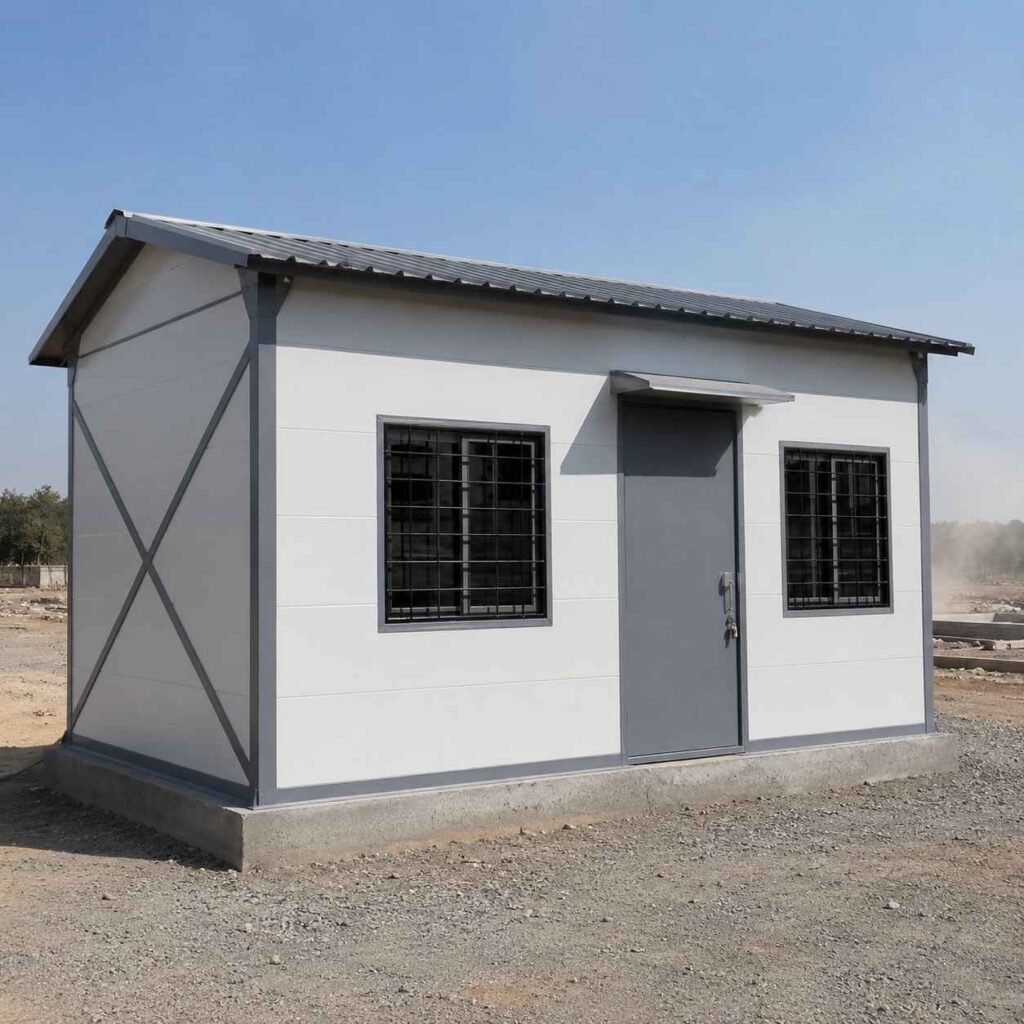
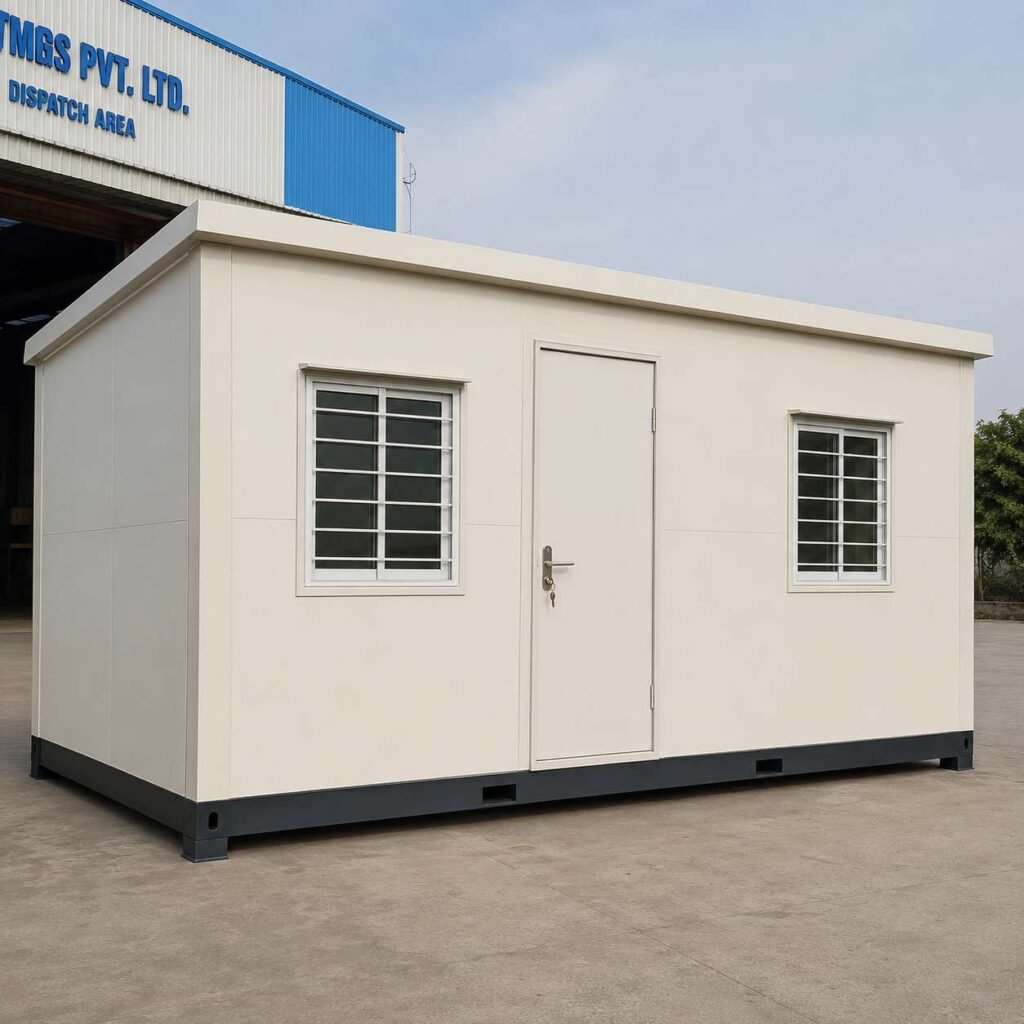
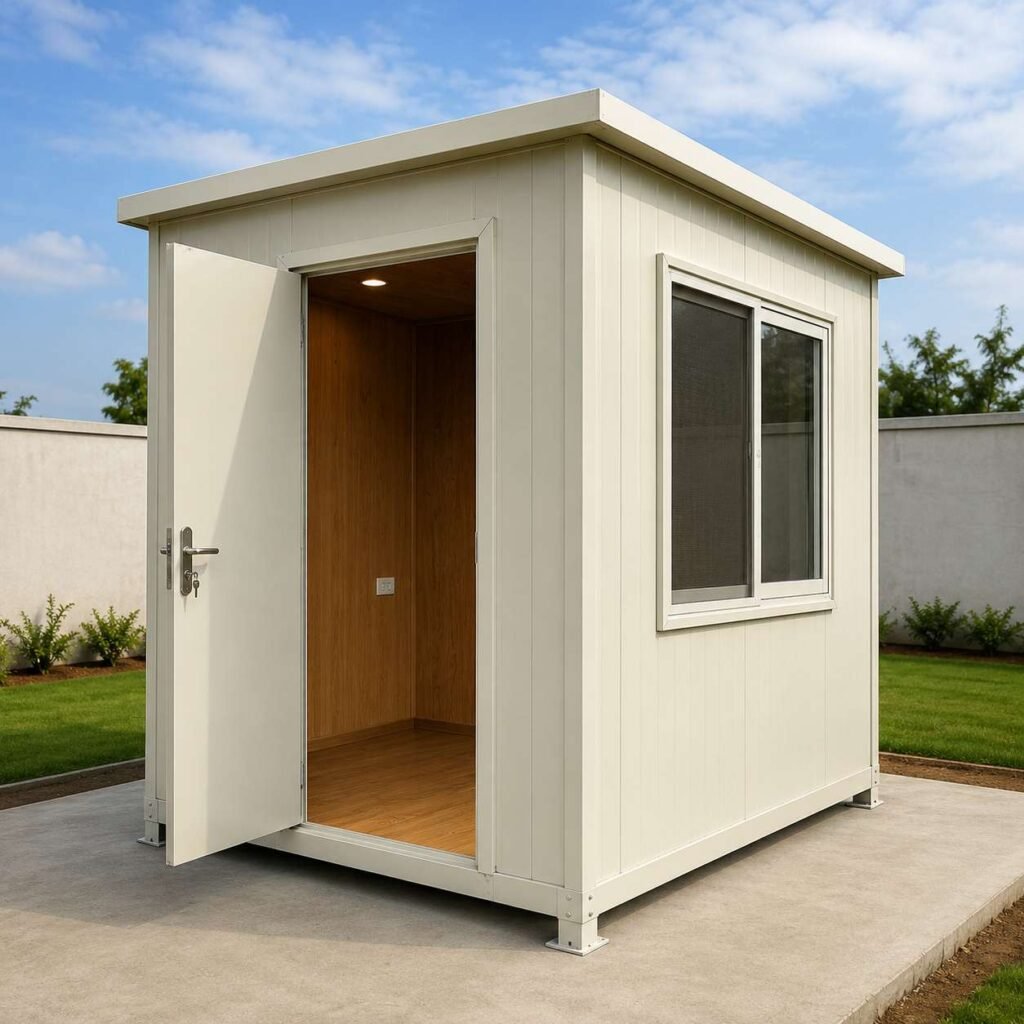
affordable portable site cabin
Affordable porta cabin designed for budget-friendly site offices and accommodations in India.

PUF Panel Porta Cabins: Insulation at a Competitive Price

PUF (Polyurethane Foam) panels are one of the most popular choices because they combine affordability with thermal efficiency. They are lightweight yet strong, which reduces transport and installation costs.

  • Price Range: ₹650–₹1,500 per sq. ft.
  • Advantages: Excellent thermal insulation, low energy bills, lightweight structure, ideal for hot and humid climates.
  • Best Use Cases: Site offices in warm regions, classrooms, storage for temperature-sensitive materials.

Some high-grade PUF cabins with thicker insulation (70mm panels) and premium interiors can even touch ₹7,000 per sq. ft.. These are often designed for luxury or long-term corporate use.

Mild Steel (MS) Porta Cabins: Durable and Long-Lasting

Mild steel cabins are valued for their structural strength. They are heavier than PUF but extremely durable, making them suitable for industrial and high-load applications.

  • Price Range: ₹835–₹1,500 per sq. ft.
  • Advantages: Strong structure, long lifespan, resistant to heavy use, easy to customize with partitions.
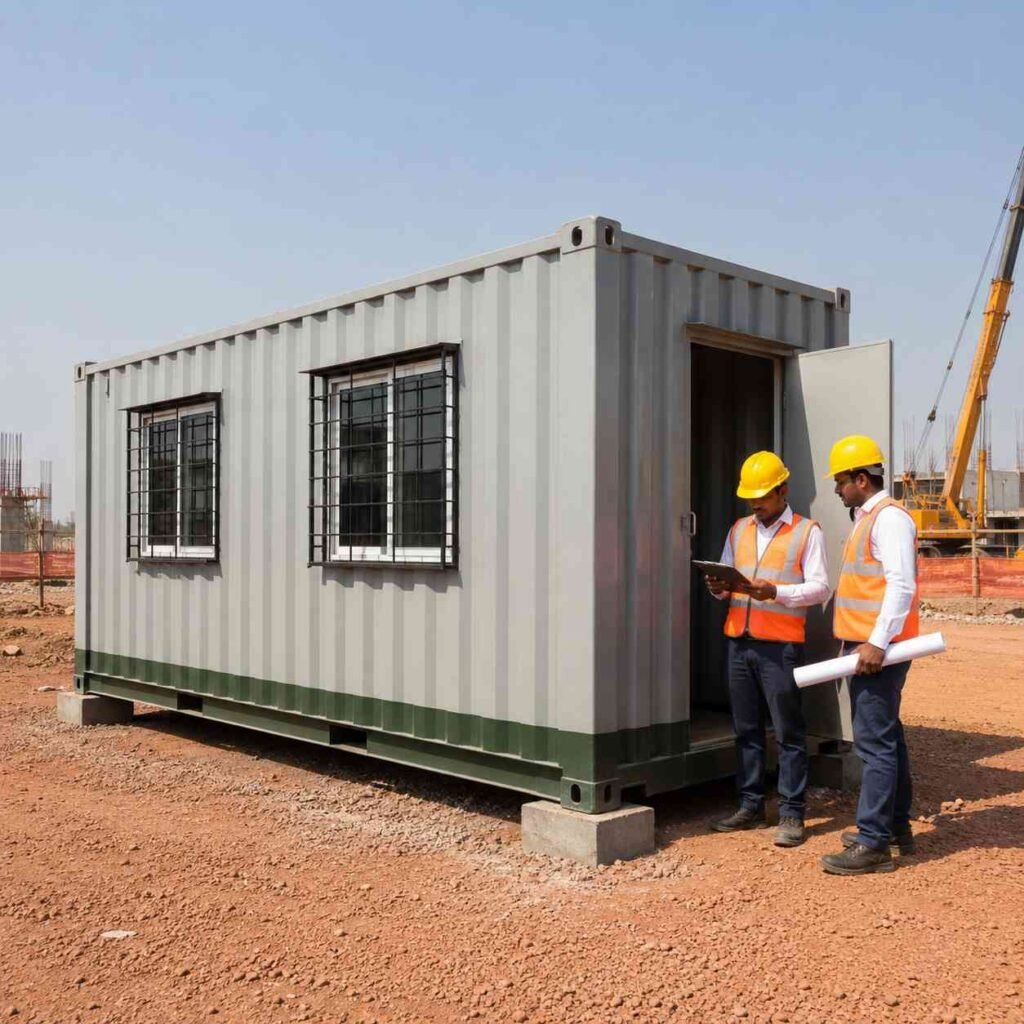
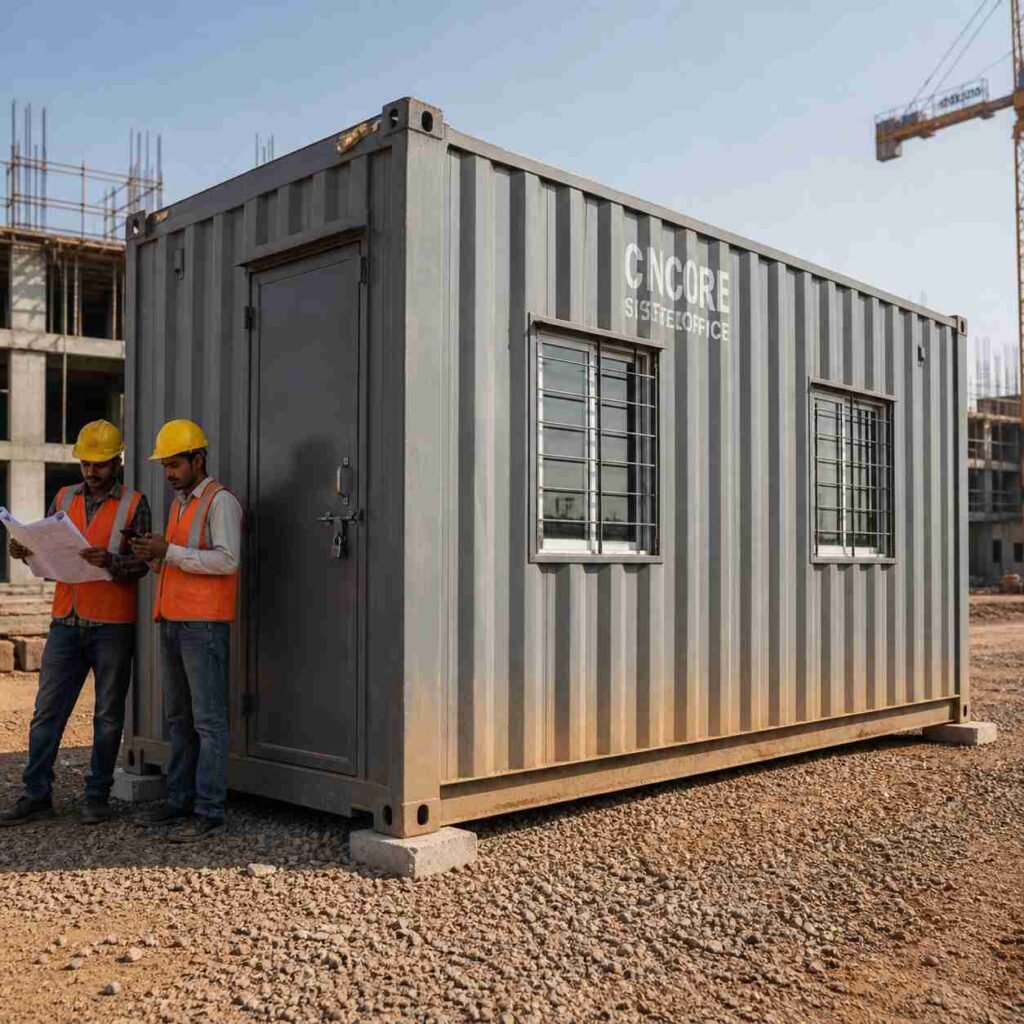
  • Best Use Cases: Construction site offices, worker accommodation, guard rooms, industrial projects.

Though MS cabins require occasional repainting to prevent rust, their long-term durability makes them a cost-effective choice.

ACP Porta Cabins: Modern Aesthetics with a Premium Price

ACP (Aluminum Composite Panel) cladding gives a sleek, modern look. It’s weather-resistant and low-maintenance but comes at a premium cost.

  • Price Range: ~₹2,200 per sq. ft.
  • Advantages: Stylish finish, long life, resistant to harsh weather, low maintenance.
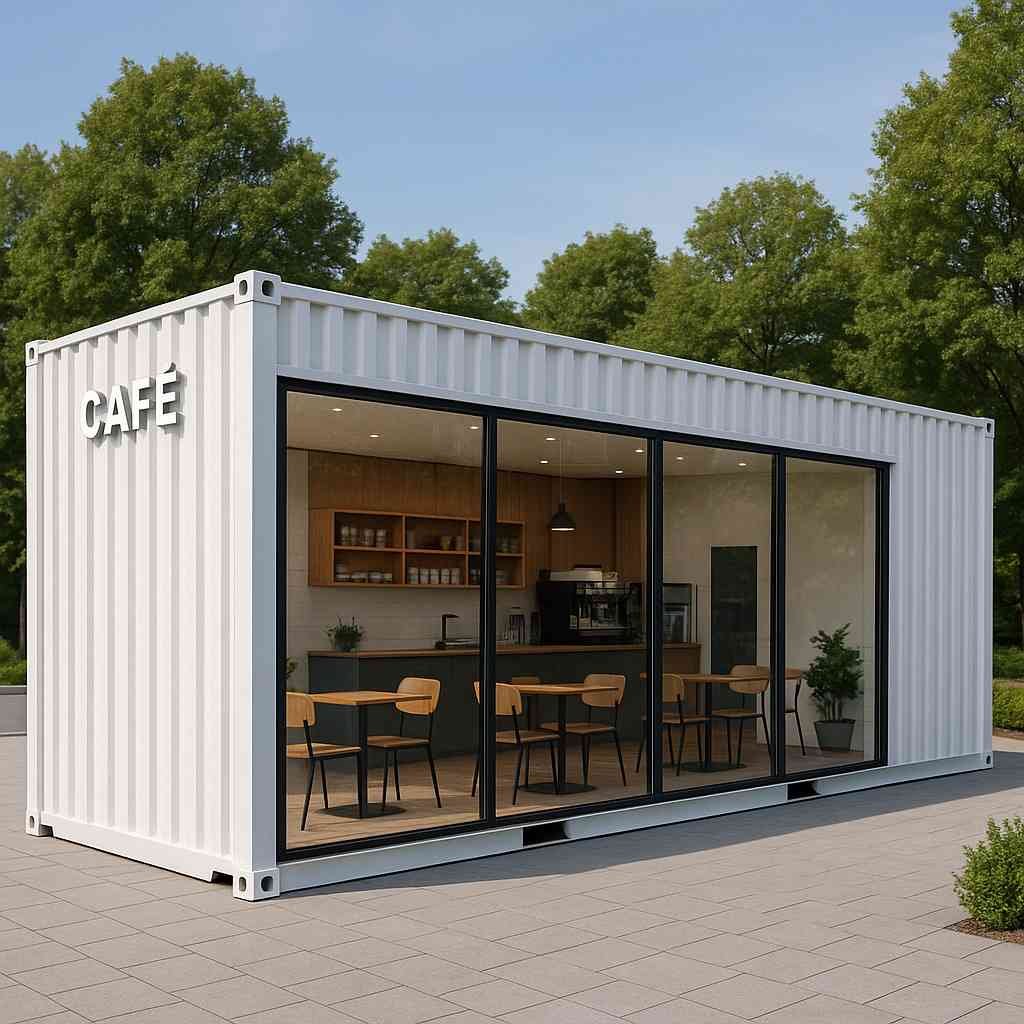
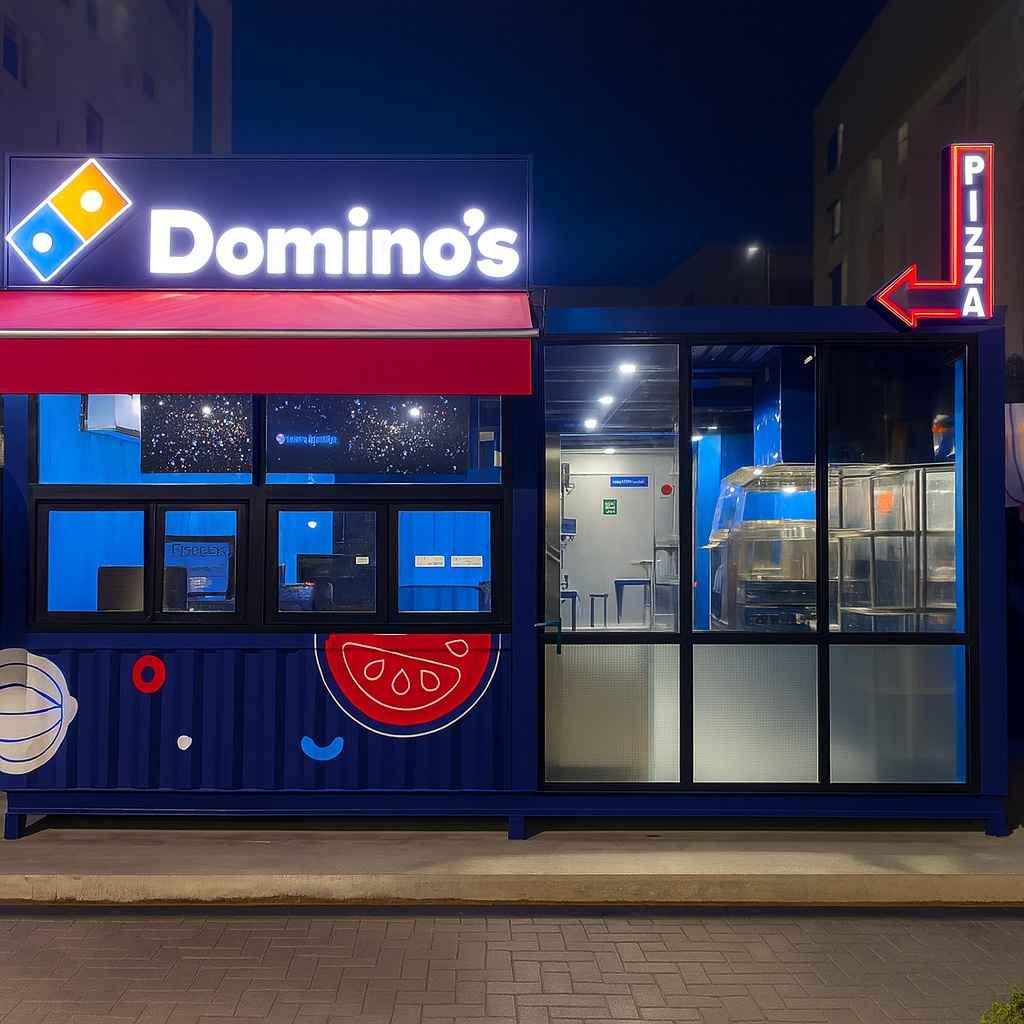
  • Best Use Cases: Corporate sales offices, container cafés, luxury residential cabins, retail kiosks.

ACP cabins are chosen when appearance matters as much as functionality. They are commonly used in urban projects where branding and aesthetics are crucial.

Buyers looking for premium finishes like ACP cladding can check our custom Porta Cabins, designed to match brand image and modern aesthetics.

Sandwich Panel Porta Cabins: Balanced Performance

Prefabricated sandwich panels combine steel sheets with insulation layers, offering a balance between durability and affordability.

  • Price Range: ₹900–₹1,400 per sq. ft.
  • Advantages: Fire resistance (depending on core material), better acoustic insulation, balanced strength and weight.
  • Best Use Cases: Educational cabins, healthcare units, modular kitchens, residential spaces.

Material-Wise Porta Cabin Price Table (India, 2025)

Material TypePrice Range (₹/sq. ft.)Key FeaturesIdeal Use Cases
PUF Panel650 – 1,500 (up to 7,000 premium)Lightweight, high insulationOffices, classrooms, storage
Mild Steel (MS)835 – 1,500Heavy-duty, durableIndustrial sites, worker housing
ACP Cladding~2,200Premium, weather-resistantSales offices, container cafés
Sandwich Panel900 – 1,400Balanced insulation + durabilityHealthcare, residential, kitchens

How to Select the Right Material

  • For hot climates → PUF cabins save on cooling costs.
  • For long-term projects → MS cabins deliver the best lifespan.
  • For brand visibility → ACP cabins offer a corporate look.
  • For balanced needs → Sandwich panels fit most mid-range applications.

Why Material Choice Impacts ROI

Material affects not just the upfront price but also running costs and resale value. For example, PUF cabins may cost more than MS initially, but their energy savings reduce the total cost of ownership over 10–15 years. Similarly, ACP cabins command a premium resale price because of their modern look.

By understanding material-wise costs, buyers can align their porta cabin investment with project goals, whether temporary, long-term, or aesthetic-driven.

Regional Porta Cabin Price Variations in India and Global Markets

The porta cabin price in 2025 is not the same across all regions. Location plays a huge role in final costs due to transportation charges, local labor rates, demand levels, and even municipal regulations. A buyer in Delhi may pay more than someone in Pune for the same cabin, simply because of site logistics and city-specific cost factors. This section breaks down regional porta cabin costs in India’s Tier-1 and Tier-2 cities, followed by a snapshot of global pricing.

For businesses in metros, we provide Porta Cabins for Sale with city-specific delivery and setup options.

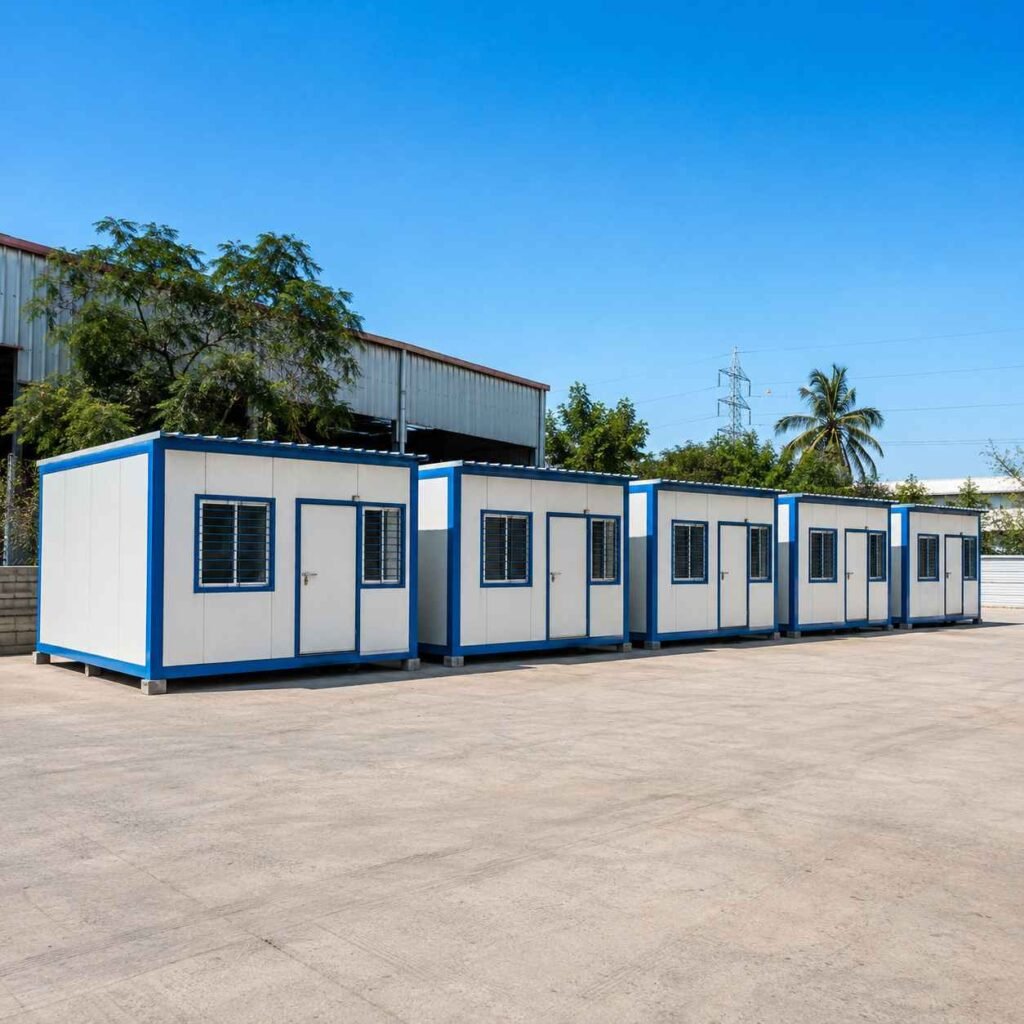
blue portable cabin design
Spacious blue porta cabin with sliding doors and multiple windows, designed for offices or site use.

Porta Cabin Cost in Major Indian Metro Cities

Metro cities account for the largest share of demand, but also the highest costs.

  • Delhi NCR: Competitive market, but terrace cabins here average ₹1,099–₹1,300 per sq. ft. due to higher handling charges. For sales offices or container cafés, prices stretch to ₹2,100 per sq. ft.
  • Mumbai/Thane: Industrial hubs with high demand. MS cabins here start at ₹850 per sq. ft., with premium designs going beyond ₹1,200.
  • Bangalore: Known for fast adoption, especially in IT parks and data centers. Basic porta cabins start from ₹700 per sq. ft., making it one of the most cost-efficient metros.
  • Hyderabad: Rapidly growing prefab housing market. Costs range from ₹500–₹1,000 per sq. ft., which is among the lowest in India.
  • Chennai: Prices here are closer to Bangalore, with average ranges of ₹800–₹1,200 per sq. ft.

Porta Cabin Cost in Tier-2 Indian Cities

Tier-2 cities are seeing rising demand, especially in warehousing, logistics, and education. Lower labor rates often balance out higher transport charges.

  • Pune: Portable site offices cost ₹850–₹1,100 per sq. ft. Transport from nearby hubs like Mumbai makes pricing competitive.
  • Coimbatore: Growing manufacturing base, prices average ₹800–₹1,050 per sq. ft.
  • Jaipur: Strong demand for temporary housing, average cost ₹900–₹1,200 per sq. ft.
  • Nagpur: Located centrally, logistics costs push rates to ₹950–₹1,300 per sq. ft.
  • Lucknow/Kanpur: Similar to Nagpur, pricing sits between ₹900–₹1,200 per sq. ft.

Global Porta Cabin Price Overview

Compared to India, international markets carry a much higher price tag:

  • United States: $125–$275 per sq. ft., depending on finish and add-ons.
  • UK/Europe: £100–£200 per sq. ft. (approx. ₹10,000–₹20,000), reflecting higher labor and compliance costs.
  • Middle East (Dubai, Qatar): $80–$150 per sq. ft., often driven by imported Indian or Chinese cabins.

Table: Regional Porta Cabin Price Variations (2025)

Region/CityPrice Range (₹/sq. ft.)Key Notes
Delhi NCR1,099 – 2,100High terrace demand, premium branding cabins
Mumbai/Thane850 – 1,200Industrial focus, high logistics cost
Bangalore700 – 1,000Competitive, fast growth
Hyderabad500 – 1,000Lowest metro pricing
Chennai800 – 1,200Similar to Bangalore
Pune850 – 1,100Balanced cost due to proximity to Mumbai
Jaipur900 – 1,200Demand in housing, events
Nagpur950 – 1,300Logistics hub, higher transport cost
Lucknow/Kanpur900 – 1,200Regional government projects
Global Average$125 – $275 (₹10,000–₹22,000)Much higher due to labor and compliance

Why Regional Variation Matters

For large-scale projects, buying from the closest supplier can save up to 15% in logistics costs. For example, transporting a 40×10 cabin over 1,000 km at ₹70 per km can add ₹70,000 to the budget. Choosing a local manufacturer avoids these expenses and ensures faster installation.

Key Takeaway for Buyers

When calculating the porta cabin cost, don’t just look at base material or size. Add location factors like:

  • Transport charges per km
  • Crane hire availability in the city
  • Local labor costs for assembly
  • Regional demand and supply

A transparent regional breakdown helps buyers avoid under-budgeting and ensures accurate financial planning for projects.

Porta Cabin on Terrace Cost in 2025: Full Breakdown and Key Considerations

Placing a porta cabin on the terrace is a growing trend in India’s metros. Businesses use rooftops for offices, storage, and even cafés, while homeowners explore terrace cabins for guest rooms or study spaces. However, the porta cabin on terrace cost is always higher than ground-level installations. This is because of structural reinforcement, crane lifting, waterproofing, and compliance. In 2025, terrace cabins typically cost ₹1,099–₹1,500 per sq. ft., with total project budgets rising by 15–30% over base cabin prices.

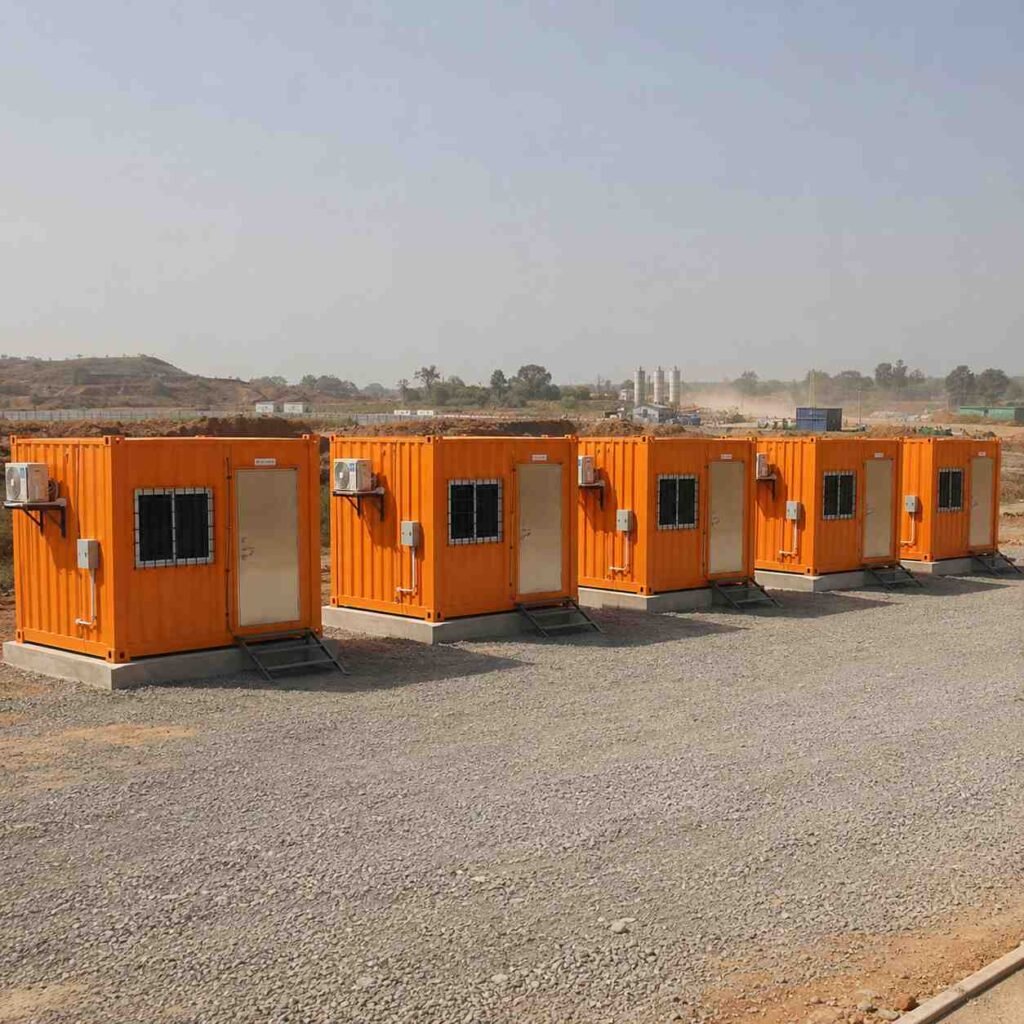
Bright orange portable cabin in nature
Premium luxury porta cabin with glass façade and sleek finishes, perfect for modern office spaces.

Structural Load and RCC Plinth Costs

Before installation, engineers must confirm whether the roof slab can handle extra load. Standard porta cabins add 150–300 kg per sq. m., depending on material and design. Many rooftops need reinforcement, which adds costs.

  • RCC Plinth (150 mm, M20 concrete): ₹800–₹1,200 per sq. m.
  • Steel reinforcement: included in above cost but varies with design.
  • Structural engineer certificate: ₹10,000–₹20,000 for approval.

Without this foundation, the cabin risks cracks, leakage, or even collapse.

Installation and Lifting Charges

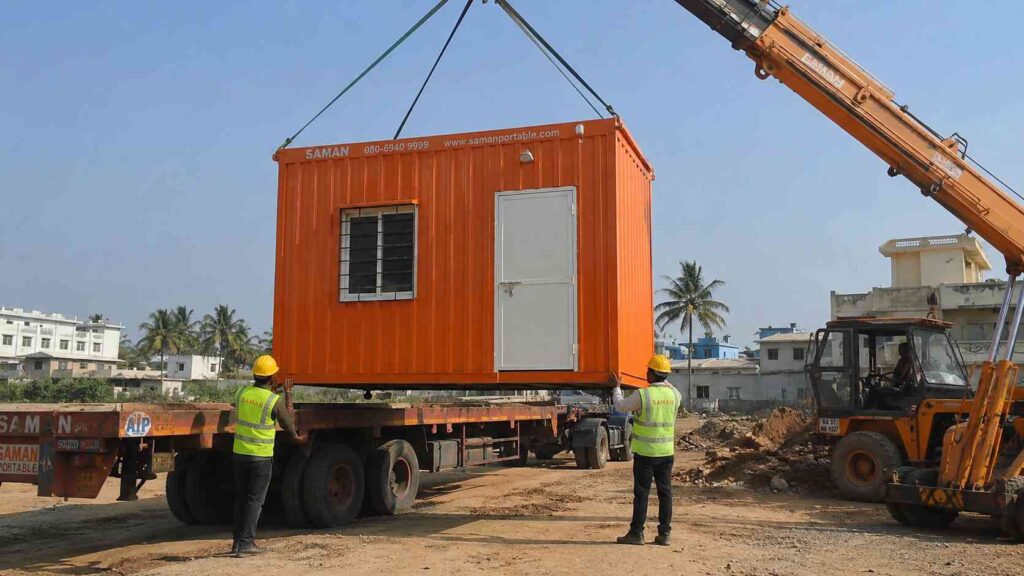
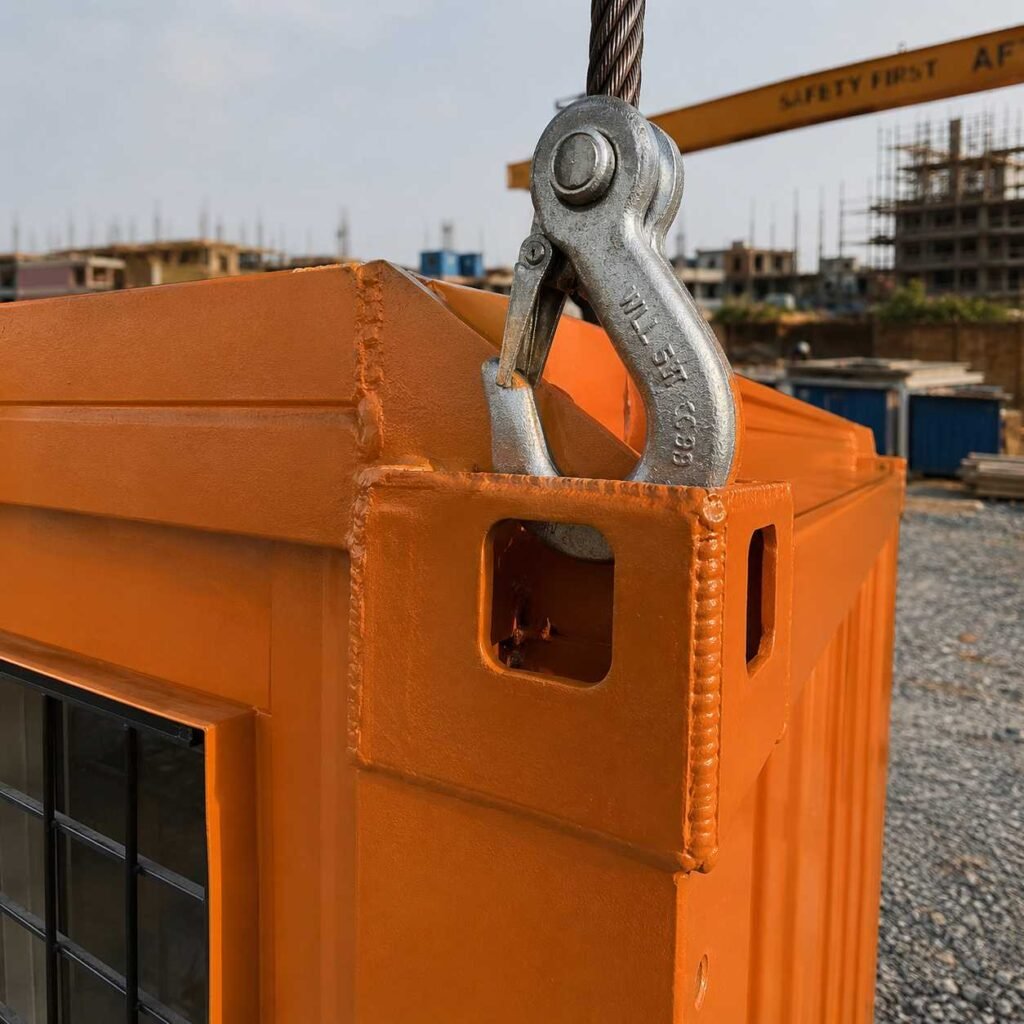
Terrace cabins cannot simply be carried up staircases. They need cranes or hydras to lift and place modules on the rooftop.

  • Crane hire: ₹4,000–₹8,000 per lift, depending on height.
  • Hydra crane (hourly): ₹900–₹1,300.
  • Labor charges: Skilled workers ₹400–₹500 per day; helpers ₹250–₹300 per day.

For tall buildings in cities like Delhi or Mumbai, lifting alone can add ₹25,000–₹35,000 to the project.

Waterproofing, Safety, and Finishing Costs

Once placed, the roof must be sealed against leakage. Waterproofing adds another cost layer.

  • Bitumen or PVC membrane: ₹150–₹250 per sq. m.
  • Parapet railing: ₹500–₹800 per meter for safety compliance.
  • Sealants and flashing: ₹3,000–₹7,000 for joint treatment.

Waterproofing is non-negotiable because terrace cabins are directly exposed to rain. Skipping it often results in seepage and long-term damage.

To ensure longevity and safety, we recommend durable Porta Cabins that are specially reinforced for rooftop installations.

Regulatory and Compliance Costs

In many cities, terrace cabins require municipal permission or a roof load certificate. Some municipalities charge permit fees between ₹1,000–₹5,000. For commercial use (like rooftop cafés), additional fire-safety compliance is mandatory, which increases approval timelines and inspection costs.

Terrace Cabin Cost Breakdown Table (India, 2025)

Cost ComponentUnit/RateTypical Range (₹)Notes
RCC Plinth (150 mm M20)per sq. m.800 – 1,200Includes steel reinforcement
Structural Certificateper project10,000 – 20,000Required for municipal approval
Crane Hireper lift4,000 – 8,000Higher for taller buildings
Labor – Skilledper day400 – 500For on-roof assembly
Labor – Helperper day250 – 300Support workers
Waterproofing Membraneper sq. m.150 – 250Bitumen or PVC options
Parapet Railingper meter500 – 800Safety compliance
Sealants & Flashingper project3,000 – 7,000Prevents leakage
Municipal Permitsper approval1,000 – 5,000Varies by city

Real-World Example of Terrace Cabin Installation

A buyer in Bangalore installed a 150 sq. ft. terrace cabin for a home office.

  • Base cost: ₹1,300 × 150 sq. ft. = ₹1,95,000
  • Crane hire + labor: ₹28,000
  • RCC reinforcement: ₹22,000
  • Waterproofing: ₹12,000
  • Compliance & railing: ₹15,000
    Final project cost: ₹2,72,000

This example shows how a ₹1.95 lakh cabin ended up costing nearly ₹2.7 lakh, a 40% increase once add-ons and compliance were included.

Key Takeaway for Terrace Cabin Buyers

When budgeting for a porta cabin on terrace, buyers must:

  • Always include RCC reinforcement costs.
  • Add at least one crane lift charge.
  • Budget 10–20% extra for waterproofing and safety features.
  • Check with local authorities for compliance fees.

Ignoring these hidden costs is the main reason terrace cabin projects overrun budgets. Transparent planning ensures safety, compliance, and durability.

Those with budget constraints can also explore used Porta Cabins, which provide affordable yet functional space solutions.

Cheap Porta Cabins in 2025: Pros, Cons, and Real Costs

Not every project needs a high-end, fully customized structure. Many buyers search for cheap porta cabins because they are budget-friendly and can serve urgent, short-term needs. In 2025, demand for low-cost options is rising across construction sites, schools, small businesses, and events. However, while they save money upfront, cheap cabins also come with trade-offs that buyers must weigh carefully.

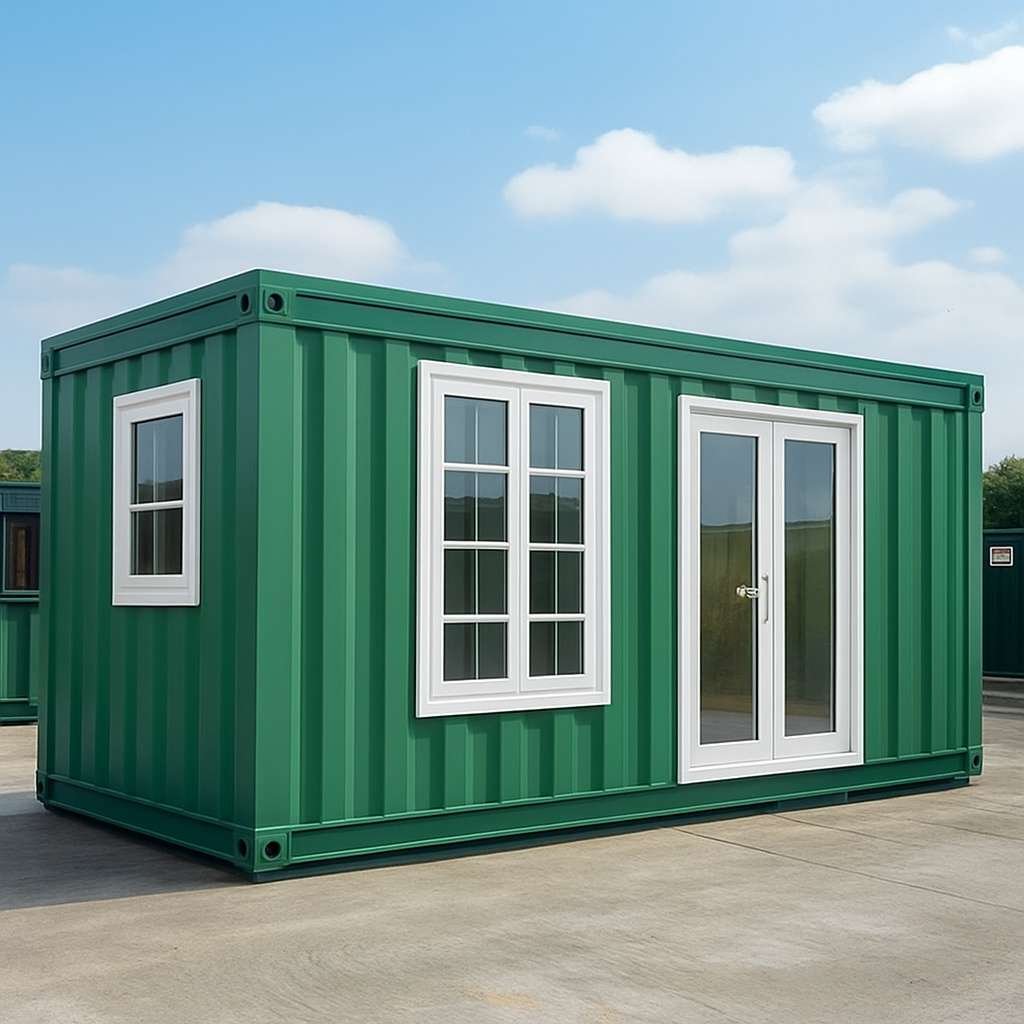
Green portable cabin with window
Eco-friendly green porta cabin with white trims, ideal for site offices or staff quarters.

What Makes a Porta Cabin “Cheap”?

Cheap cabins are priced low because of three main factors:

  1. Basic materials – Often MS corrugated sheets or thin PUF panels with minimal insulation.
  2. Minimal features – No false ceilings, vinyl flooring, AC units, or custom interiors.
  3. Second-hand or refurbished units – Older cabins resold at a discount after 5–10 years of use.

Prices for entry-level cabins can start as low as ₹8,000 for small second-hand security cabins, and range between ₹1.5–₹2 lakh for new budget-friendly 100–150 sq. ft. units.

Entry-Level Options Under ₹2 Lakhs

A popular segment of cheap cabins is the under ₹2 lakh category. These are usually small cabins (10×10 ft) with bare-bones finishes.

  • Specifications: Basic steel frame, thin walls, one door, one window.
  • Price Range: ₹1.5–₹2 lakh (₹1,000–₹1,200 per sq. ft.).
  • Common Uses: Guard cabins, ticket counters, temporary storage, rural classrooms.

For buyers with limited budgets, this range offers quick and affordable solutions without large investments.

Pros of Cheap Porta Cabins

  • Lower upfront cost: Makes them attractive for temporary or small-scale projects.
  • Quick availability: Many cheap models are pre-built and ready for dispatch.
  • Flexibility: Can be relocated multiple times.
  • Best for short-term use: Ideal for events, fairs, security posts, or 6–12 month projects.

Cons and Trade-Offs

Cheap does not always mean cost-effective. These cabins have shorter lifespans (5–10 years) compared to premium models that last 15–20 years. They often lack insulation, making them unsuitable for extreme climates. Maintenance costs like rust treatment, repainting, and leakage repairs can pile up over time.

  • Durability issues: Thin panels corrode faster.
  • Limited comfort: No AC provisions or quality flooring.
  • Low resale value: Used cheap cabins have little to no resale demand.

Best Use Cases for Cheap Cabins

Cheap porta cabins make sense when:

  • The project is temporary (less than 2 years).
  • Budget is tight, and comfort is not a priority.
  • Function is basic, like ticket booths, storerooms, or guardhouses.
  • Refurbished cabins are acceptable, such as in rural or remote areas.

Long-Term Cost Perspective

Cheap cabins look attractive at first glance but often cost more in the long run. For example:

  • A ₹2 lakh cabin with low-grade panels may require ₹25,000 annual maintenance for rust, leaks, and repainting. Over 5 years, that adds ₹1.25 lakh, making the total cost ₹3.25 lakh.
  • A premium ₹3 lakh PUF cabin may last 15 years with minimal upkeep, averaging ₹20,000 per year of use.

This comparison shows that sometimes “cheap” can become expensive over time.

Buyer Example: Event Management Firm in Delhi

An event firm purchased five refurbished cabins at ₹1.8 lakh each for short-term festivals. They served well for 3 years but required major repainting and panel replacement after heavy monsoons. The company eventually sold them for just ₹40,000 per cabin, losing more than 60% of investment. If they had chosen mid-range PUF cabins, the resale value after 3 years would have been significantly higher.

Key Takeaway for Cheap Cabin Buyers

Cheap porta cabins are best when time and cost are the only priorities. But for projects requiring comfort, durability, or resale value, investing slightly more in mid-range or premium cabins pays off. Buyers must decide whether they want a quick, temporary fix or a long-term solution.

Add-On and Customization Costs in Porta Cabin Pricing

The true value of a porta cabin often comes from what’s inside it. While a basic unit may meet minimum needs, most buyers add features that improve comfort, aesthetics, and usability. These customizations can raise the porta cabin price by 20–50%, depending on the level of detail. In 2025, customization is one of the fastest-growing cost drivers in the prefab industry.

Bright blue portable cabin with windows
Compact blue porta cabin with dual windows and modern finishes, suited for living or office use.

Interiors and Comfort Upgrades

A bare shell porta cabin is functional but not comfortable. Interiors transform it into a usable workspace or living area.

  • False Ceiling with Insulation: ₹100–₹150 per sq. ft. Adds thermal comfort and reduces noise.
  • Vinyl or Anti-Skid Flooring: ₹120–₹180 per sq. ft. Durable and easy to clean.
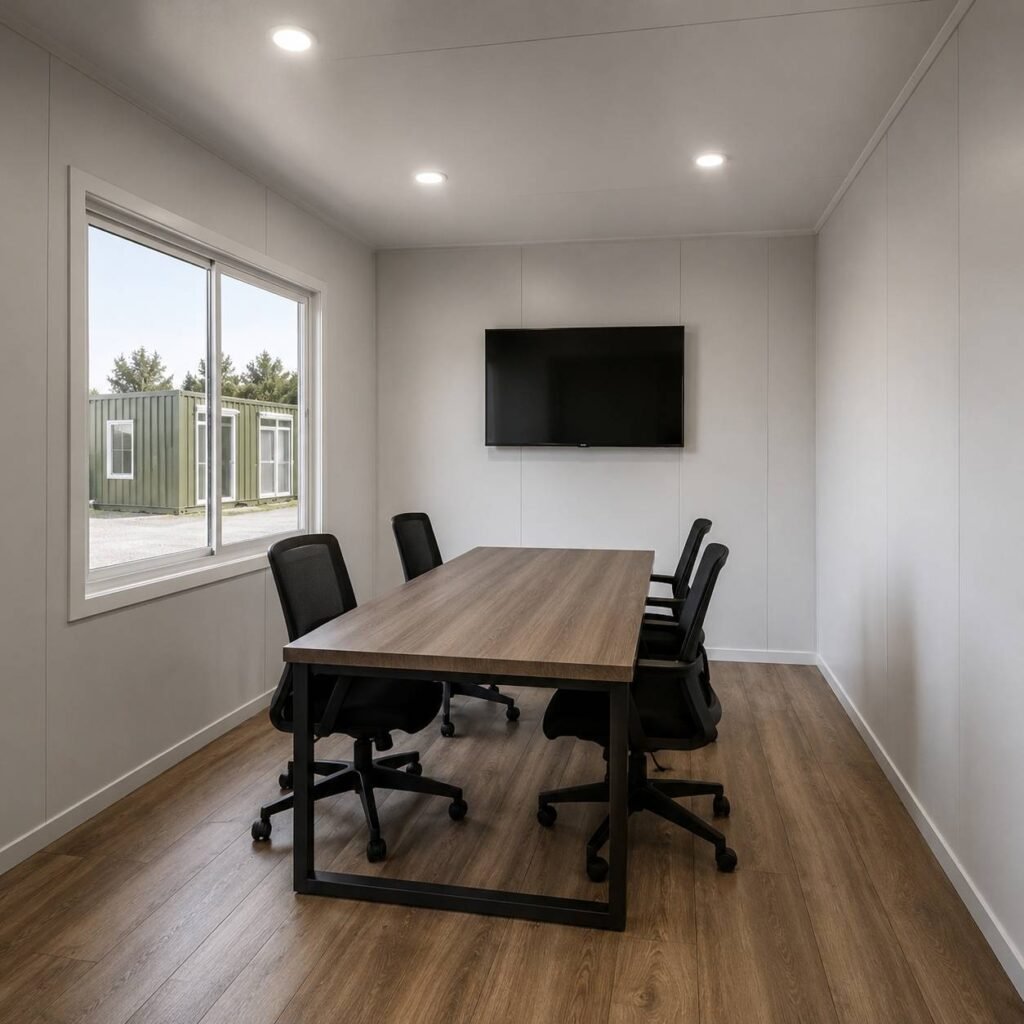
  • Partitions for Rooms: ₹250–₹400 per sq. ft. Common in office cabins to create meeting areas.
  • Lighting and Electrical Fittings: ₹10,000–₹25,000 for a 200 sq. ft. cabin.

Example: A 20×10 ft site office may cost ₹2.4 lakh as a shell. Adding interiors (false ceiling, partitions, vinyl flooring) can increase the total cost to ₹3–3.2 lakh, a 30% hike.

Toilets, ACs, and Utility Additions

Utility features make cabins more functional but also raise costs.

  • Split AC (1.5 ton): ₹35,000–₹45,000 including installation.
  • Toilet with Plumbing & WC: ₹50,000–₹80,000 depending on fixtures.
  • Wash Basin with Plumbing: ₹10,000–₹15,000.
  • Overhead Water Tank (500L): ₹6,000–₹10,000 including fittings.
  • Wiring for Computers/Equipment: ₹10,000–₹20,000.

For long-term projects, these features are essential. Without them, cabins may not meet the needs of staff, guests, or clients.

Branding, Cladding, and Exterior Finishes

For many businesses, cabins serve as brand touchpoints. This makes exterior customization critical.

  • ACP Cladding for Modern Look: ₹1,500–₹2,200 per sq. ft.
  • Painting with Corporate Colors: ₹50–₹80 per sq. ft.
  • Logo/Decals/Branding Stickers: ₹5,000–₹15,000 depending on design.
  • Solar Panels for Energy Savings: ₹40,000–₹70,000 per kW.

Retailers, banks, and schools often invest in these features because a cabin is not just a structure—it’s a brand image.

Customization Cost Matrix

Customization TypePrice Range (₹)Impact on Cabin
False Ceiling + Insulation100 – 150 per sq. ft.Comfort + energy savings
Vinyl / Anti-Skid Flooring120 – 180 per sq. ft.Durable interiors
Room Partitions250 – 400 per sq. ft.Space optimization
Electrical + Lighting10,000 – 25,000Functionality
Toilet + Plumbing50,000 – 80,000Essential utilities
Split AC Installation35,000 – 45,000Climate control
Branding + Painting50 – 80 per sq. ft.Aesthetic value
ACP Exterior Cladding1,500 – 2,200 per sq. ft.Premium finish

How Customization Affects ROI

  • Higher upfront, lower running cost: Insulated cabins reduce energy bills by 20–30%.
  • Improved resale value: Cabins with interiors sell for 25–40% more in the resale market.
  • Better worker productivity: Comfortable interiors improve efficiency, especially in long-term site offices.
  • Brand perception: ACP or branded cabins attract customers, making them profitable for banks, cafés, or retail outlets.

Case Study: Customized Container Café in Chennai

A retail company invested in a 300 sq. ft. porta cabin café.

  • Base cabin cost: ₹3.6 lakh
  • Interiors (false ceiling, vinyl flooring, partitions): ₹1.2 lakh
  • Toilets and plumbing: ₹75,000
  • ACP cladding and branding: ₹2 lakh
  • AC and electrical: ₹60,000

Final cost: ₹8.15 lakh.
Though the cabin more than doubled in cost, the café generated strong customer footfall because of its modern look and comfort, proving that customizations were worth the investment.

Key Takeaway for Buyers

Customization transforms a porta cabin from a shell into a professional, branded, and comfortable space. But each add-on comes at a cost. Buyers should:

  • Identify must-haves (AC, toilets, partitions).
  • Evaluate nice-to-haves (branding, premium cladding).
  • Balance upfront cost with long-term benefits like resale and ROI.

A thoughtful approach ensures that customizations enhance value without pushing the project over budget.

ROI and Cost-Benefit Analysis: Is the Porta Cabin Price Worth It?

When evaluating the porta cabin price, buyers should not only look at the upfront figure. The true measure of value comes from analyzing return on investment (ROI) over the lifespan of the cabin. In many cases, a slightly higher initial cost delivers major savings over 10–15 years.

Bright yellow modular cabin with glass
Bright yellow porta cabin with black trims, a modern container solution for offices or commercial use.

Renting vs Buying: Which Option Saves More?

Many businesses start by comparing rental charges with purchase costs.

  • Rental rates: A 200 sq. ft. cabin rents for ₹8,000–₹12,000 per month. That equals ₹1–1.4 lakh per year.
  • Purchase cost: The same unit may cost ₹2.5–3 lakh to buy outright.

For more context, explore the many uses of Porta Cabins across industries such as construction, education, and retail.

This means that within 2–3 years of rent, the buyer has already spent as much as the purchase cost. For long-term projects, buying is almost always cheaper than renting. This is why understanding the porta cabin cost per square foot matters when calculating ROI.

Long-Term ROI Over 10–15 Years

A high-quality cabin built with PUF panels or ACP cladding may last 15–20 years. Even if the porta cabin price is 30% higher at the start, the energy savings, reduced maintenance, and resale value make it more economical in the long run.

For example:

  • Basic MS cabin (₹900/sq. ft.) → Lower upfront cost, but higher repainting and rust-proofing expenses.
  • PUF-insulated cabin (₹1,200/sq. ft.) → Higher initial price, but 20–30% lower energy bills annually.

Over time, the insulated option pays for itself by reducing electricity use for cooling.

Resale Value and Payback Period

Unlike traditional buildings, porta cabins retain a portion of their value. Well-maintained cabins can fetch 40–60% of their original price after 5 years of use. For example, a cabin purchased at ₹5 lakh might resell for ₹2–3 lakh, reducing the effective cost of ownership.

  • Payback period: For site offices, resale and energy savings shorten the payback period to just 3–4 years.
  • Events & rentals: Companies renting out cabins can recover the initial porta cabin price within 18–24 months through steady bookings.

Case Study: Contractor Project in Rajasthan

A contractor bought a 400 sq. ft. porta cabin at ₹1,000/sq. ft. (₹4 lakh).

  • Rental alternative would have cost ₹20,000 per month.
  • Over 2 years, rent would total ₹4.8 lakh.
  • By buying, the firm not only saved ₹80,000 but also retained a cabin with ₹2 lakh resale value.

This shows why focusing on ROI turns the porta cabin price into a smart investment rather than an expense.

Key Takeaway for Buyers

The porta cabin price should always be analyzed in terms of:

  • Duration of use (short-term vs long-term)
  • Maintenance and energy costs
  • Resale or rental potential

By combining these factors, buyers can see that even a higher upfront porta cabin cost delivers strong returns when viewed over its full life cycle.

Porta Cabin Price vs Traditional Construction: A Clear Cost Comparison

For many buyers, the choice comes down to two options: invest in a porta cabin or build with brick and cement. The comparison is not just about upfront money—it’s about delivery time, flexibility, and long-term expenses. Looking at the porta cabin price against traditional construction helps decision-makers see which option suits their project.

Red portable cabin with large windows.
Spacious red porta cabin with multiple windows, designed for classrooms or large gatherings.

Cost Per Square Foot: Porta Cabins vs Brick-and-Mortar

Traditional buildings in India usually cost ₹3,000–₹5,000 per sq. ft. depending on materials and finishes. By contrast, the average porta cabin price per square foot ranges between ₹800 and ₹1,500.

  • 20×10 ft porta cabin (200 sq. ft.) → ₹1.8–2.6 lakh
  • 20×10 ft brick building (200 sq. ft.) → ₹6–10 lakh

This shows porta cabins can be built for 60–70% less than conventional construction. The savings are even bigger when factoring in speed and reduced labor costs.

Delivery Speed and Project Savings

A porta cabin can be manufactured and installed within 2–8 weeks. A similar brick structure can take 3–12 months to complete.

The faster timeline saves money in three ways:

  1. Lower labor cost – Fewer workdays required.
  2. Earlier occupancy – Projects start earning revenue sooner.
  3. Avoiding delays – Weather disruptions affect traditional sites more than modular builds.

In industries like construction, events, and retail, saving even a month can offset a big portion of the porta cabin price.

Maintenance and Lifecycle Costs

Porta cabins also perform better when it comes to maintenance.

  • Porta cabin upkeep: Painting, sealant, and occasional roof repairs—about 3–5% of the cabin price annually.
  • Brick buildings: Higher upkeep, including plastering, waterproofing, and structural repairs.

A well-maintained porta cabin can last 15–20 years, while RCC buildings may last longer but need heavy investment for repairs. Over a 10-year period, the total spend on porta cabins is often half of traditional alternatives.

Flexibility and Relocation

One advantage that brick structures cannot match is portability. A porta cabin can be dismantled, shifted, or resold, recovering part of its cost. A permanent building, on the other hand, locks capital in one place. For project-based industries, the ability to reuse a unit makes the porta cabin price more justifiable.

Case Study: Corporate Sales Office in Mumbai

A retail company needed a 400 sq. ft. sales office.

  • Option 1: Porta cabin → ₹4.5 lakh, ready in 6 weeks.
  • Option 2: Brick office → ₹14 lakh, 6 months build time.

The company chose the porta cabin. Not only did they save almost ₹10 lakh upfront, but they also launched operations 5 months earlier, generating revenue quickly. The ROI far outweighed the initial porta cabin price.

For an international perspective, see cost comparisons for modular cabins that highlight the advantages of prefabricated units over traditional construction.

Key Takeaway for Buyers

When comparing porta cabin price with traditional construction:

  • Savings: 60–70% lower upfront cost.
  • Speed: Delivery in weeks, not months.
  • Flexibility: Relocation and resale options add hidden value.
  • Maintenance: Lower long-term upkeep.

For businesses that need fast, flexible, and cost-effective space, porta cabins consistently deliver more value than permanent brick-and-mortar structures.

Future Porta Cabin Price Trends (2025–2030): What Buyers Should Expect

The porta cabin price in 2025 reflects both current demand and changing global economics. But buyers planning long-term projects need to understand where prices are heading in the next five years. Industry experts predict steady growth, influenced by raw material costs, urban demand, and sustainability upgrades.

Demand Drivers Shaping Porta Cabin Price

Several forces are increasing demand for modular and portable cabins across India and abroad.

  • Urbanization: By 2030, India’s urban population is expected to exceed 600 million. This creates large-scale demand for fast housing, site offices, and worker accommodations.
  • Government policies: Programs like Pradhan Mantri Awas Yojana (PMAY) are pushing affordable housing, boosting prefabrication.
  • Industrial growth: Warehousing, IT parks, and data centers are adopting porta cabins for fast deployment.

As demand rises, suppliers will adjust the porta cabin price per square foot, especially in metro cities where land and logistics are costly.

Inflation and Raw Material Costs

Steel, aluminum, and insulation materials account for most of a cabin’s cost. Over the past 3 years, steel prices have risen by 20–25%, and analysts expect more fluctuations due to global trade policies.

  • Mild steel cabins: Vulnerable to steel price hikes, which may push costs up by 10–15%.
  • PUF panel cabins: Rising chemical and insulation costs may increase per-square-foot prices by 8–10%.
  • ACP cabins: Aluminum composite panels are tied to global aluminum pricing, often influenced by tariffs and imports.

This means the porta cabin price in India may steadily climb over the next five years, with premium materials showing sharper increases.

Sustainability and Smart Upgrades

The future is not only about cost—it’s also about value. More buyers want eco-friendly and tech-enabled cabins.

  • Solar-powered cabins: Adding panels may increase upfront cost by ₹40,000–₹70,000 per kW, but energy savings offset this within 3–4 years.
  • Smart cabins: IoT-enabled lighting, climate monitoring, and security systems add 10–15% to the porta cabin price, but they improve efficiency.
  • Green certifications: Some corporates now require eco-certified cabins, which come at a small premium but provide compliance benefits.

These trends show that while future prices may rise, buyers will get better performance, energy efficiency, and resale potential.

Regional Forecasts: 2025–2030

  • Tier-1 metros (Delhi, Mumbai, Bangalore): Prices may rise 12–15% by 2030 due to higher demand and land restrictions.
  • Tier-2 cities (Pune, Coimbatore, Jaipur): Slower growth, with 8–10% increases expected as manufacturing hubs expand.
  • Global markets: In the US and Europe, prefab costs may jump by 20–25% as labor shortages and compliance push prices higher. India will remain more cost-competitive, giving it a strong export advantage.

What Buyers Should Do in 2025

  • Lock in current rates: If you have long-term needs, booking cabins now can save money before prices rise.
  • Focus on total cost of ownership: Consider resale value, energy efficiency, and customization, not just upfront porta cabin cost.
  • Plan for sustainability: Eco-friendly features may seem costly now but will lower running expenses over the next decade.

Key Takeaway on Price Trends

The porta cabin price in 2025 is favorable compared to global benchmarks, but costs will likely rise 10–15% by 2030 due to inflation and new technology. Buyers who plan smartly today—choosing durable materials, investing in energy efficiency, and factoring resale—will benefit the most in the long run.

Frequently Asked Questions on Porta Cabin Price

1. What is the average porta cabin price in India in 2025?

The average porta cabin price in India ranges between ₹800 and ₹1,500 per square foot, depending on size, material, and custom features. Premium cabins with ACP or luxury interiors may go beyond ₹2,000 per square foot.

2. How much does a 20×10 ft porta cabin cost?

A 20×10 ft porta cabin (200 sq. ft.) typically costs between ₹1.8–₹2.6 lakh in India. The final price depends on materials like PUF or MS and additional features such as flooring and false ceilings.

3. What is the porta cabin cost per square foot in Bangalore?

In Bangalore, the porta cabin cost per square foot starts from ₹700 for basic PUF units and may reach ₹1,200 for mid-range models. Premium ACP designs or customized site offices may cost more.

4. Are cheap porta cabins durable enough for long-term use?

Cheap porta cabins priced below ₹2 lakh work well for short-term projects. However, they last only 5–10 years, compared to premium models that last 15–20 years. Durability directly depends on material quality and maintenance.

5. How much does a porta cabin on terrace cost?

A porta cabin on terrace cost is typically ₹1,099–₹1,500 per sq. ft. Extra charges apply for RCC plinth reinforcement, waterproofing, crane lifting, and compliance, often adding 20–30% to the total project cost.

6. What are hidden costs included in porta cabin pricing?

Apart from the base porta cabin price, buyers should budget for transport (₹63–₹75 per km), crane hire (₹4,000–₹8,000 per lift), waterproofing, labor, and municipal approvals. These hidden costs can add 10–20% extra.

7. Is it cheaper to rent or buy a porta cabin?

Renting is cost-effective for projects under two years. But for long-term use, buying offers better value. A rented 200 sq. ft. cabin may cost ₹1 lakh annually, equal to its purchase price in 2–3 years.

8. How does material choice affect porta cabin price?

Material drives cost significantly. MS cabins average ₹835–₹1,500 per sq. ft., PUF cabins ₹650–₹1,500, and ACP cabins around ₹2,200. The porta cabin price per square foot varies based on strength, insulation, and finishes.

9. Do porta cabins have resale value?

Yes. A well-maintained cabin can retain 40–60% of its original porta cabin cost after 5 years. Premium cabins with interiors or ACP cladding usually fetch better resale prices compared to low-cost or refurbished units.

10. How much extra does customization add to porta cabin price?

Adding AC, toilets, flooring, or branding can raise the porta cabin price by 20–50%. For example, a ₹3 lakh base cabin may reach ₹4–4.5 lakh after interiors, plumbing, and ACP exterior cladding.

11. What is the price difference between porta cabins and traditional construction?

Porta cabins cost ₹800–₹1,500 per sq. ft., while brick-and-mortar buildings cost ₹3,000–₹5,000 per sq. ft. This makes the porta cabin price at least 60–70% cheaper, with faster installation and lower maintenance.

12. Will porta cabin prices increase by 2030?

Yes. Analysts expect the porta cabin price in India to rise by 10–15% by 2030 due to steel inflation, rising labor rates, and demand for sustainable features. Early investment ensures better ROI and cost savings.

Conclusion: Making the Right Choice on Porta Cabin Price

The porta cabin price in 2025 is shaped by many factors—size, material, location, terrace installation, and customizations. Buyers must look beyond the sticker price and consider the cost per square foot, hidden logistics, and long-term ROI.

For temporary or budget projects, cheap porta cabins under ₹2 lakh may be enough. But for businesses, schools, and industrial sites, investing in mid-range or premium units delivers better value over 10–15 years. Compared to traditional construction, porta cabins are faster, cheaper, and far more flexible.

If you are planning to buy or customize a cabin, it’s best to speak directly with an expert team. At SAMAN Portable, we provide transparent pricing, quality materials, and tailored solutions for every project.

👉 Contact us today to get a free, no-obligation quotation for your porta cabin requirement.

With the right choice, the porta cabin price becomes more than just an expense—it’s an investment in speed, flexibility, and long-term savings.

Leave a Reply

Your email address will not be published. Required fields are marked *