


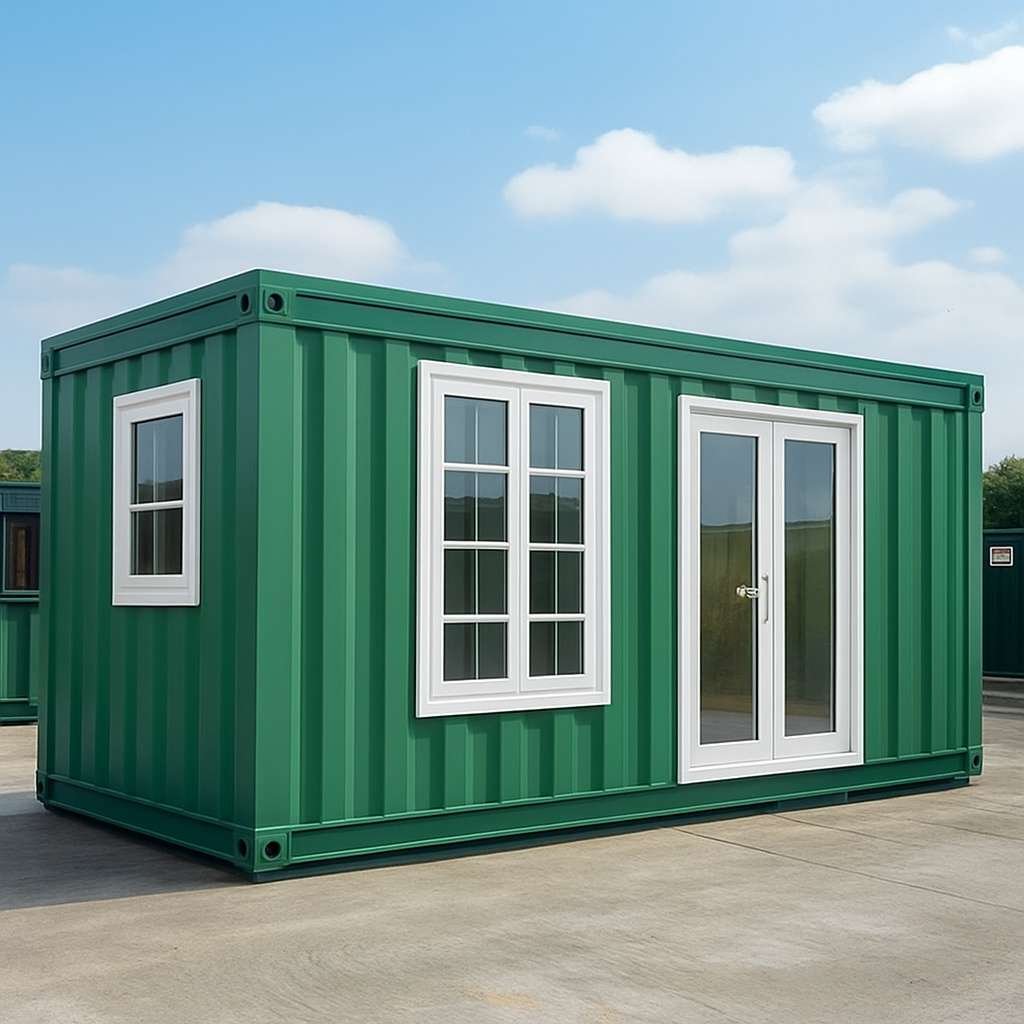


Introduction to Security Cabins
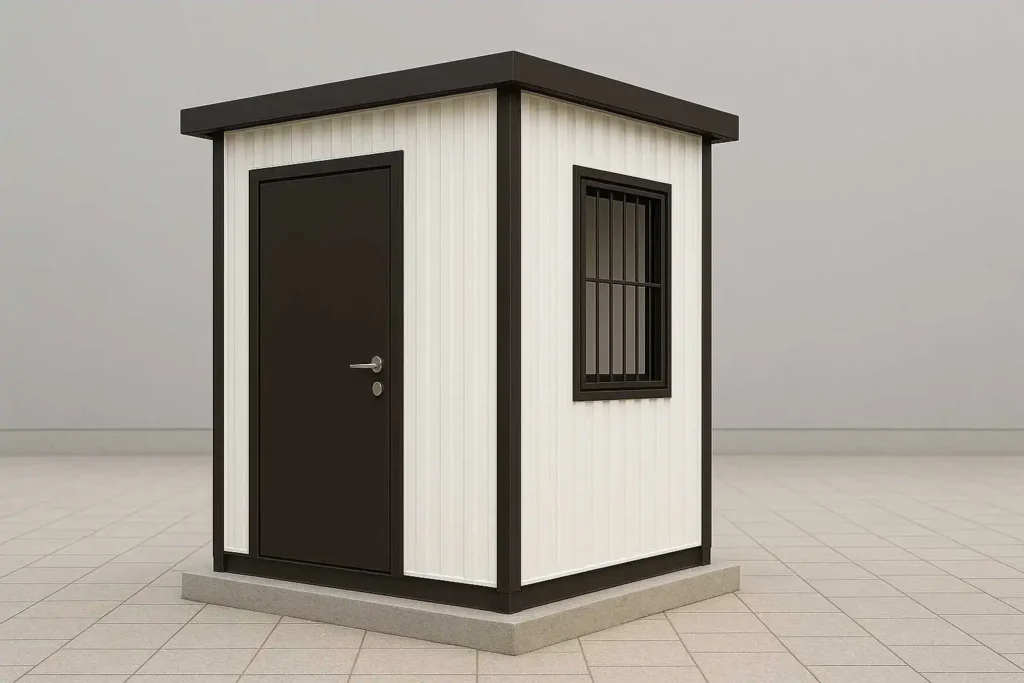
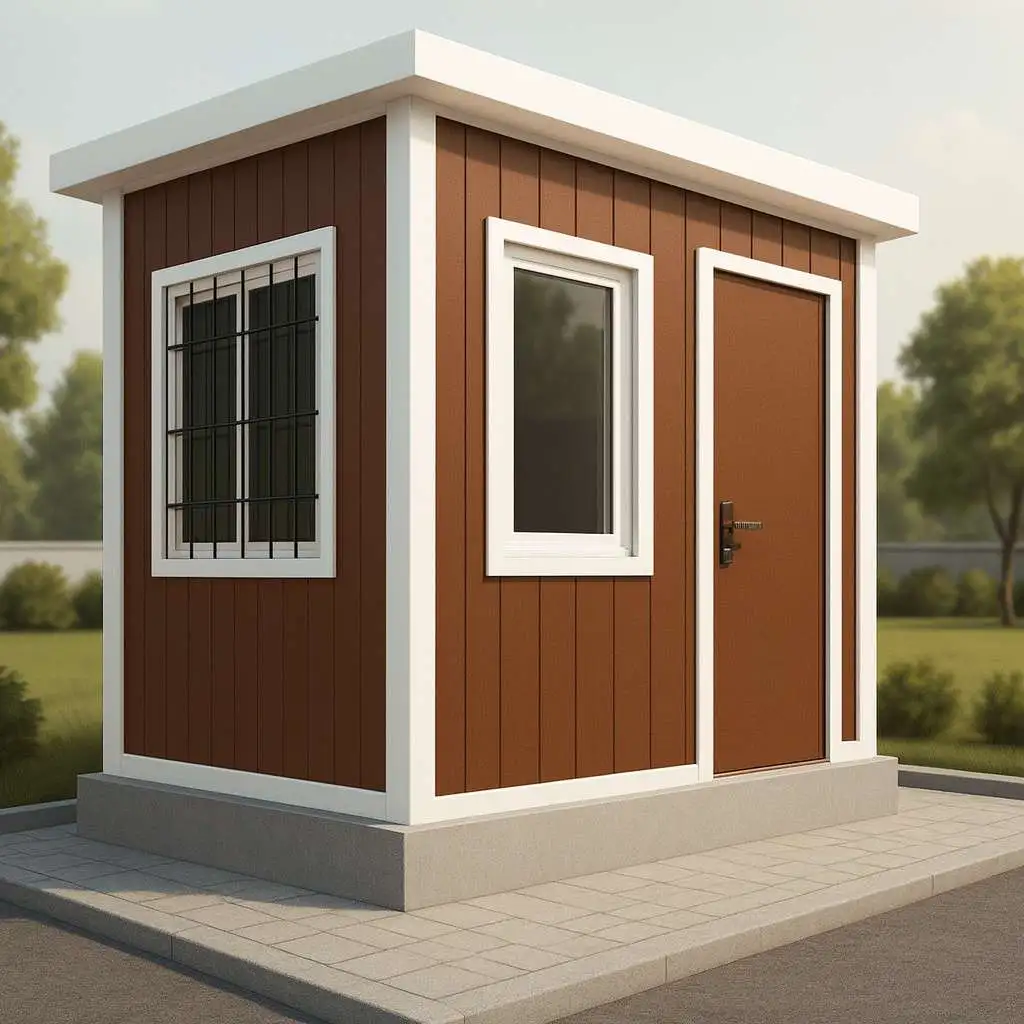
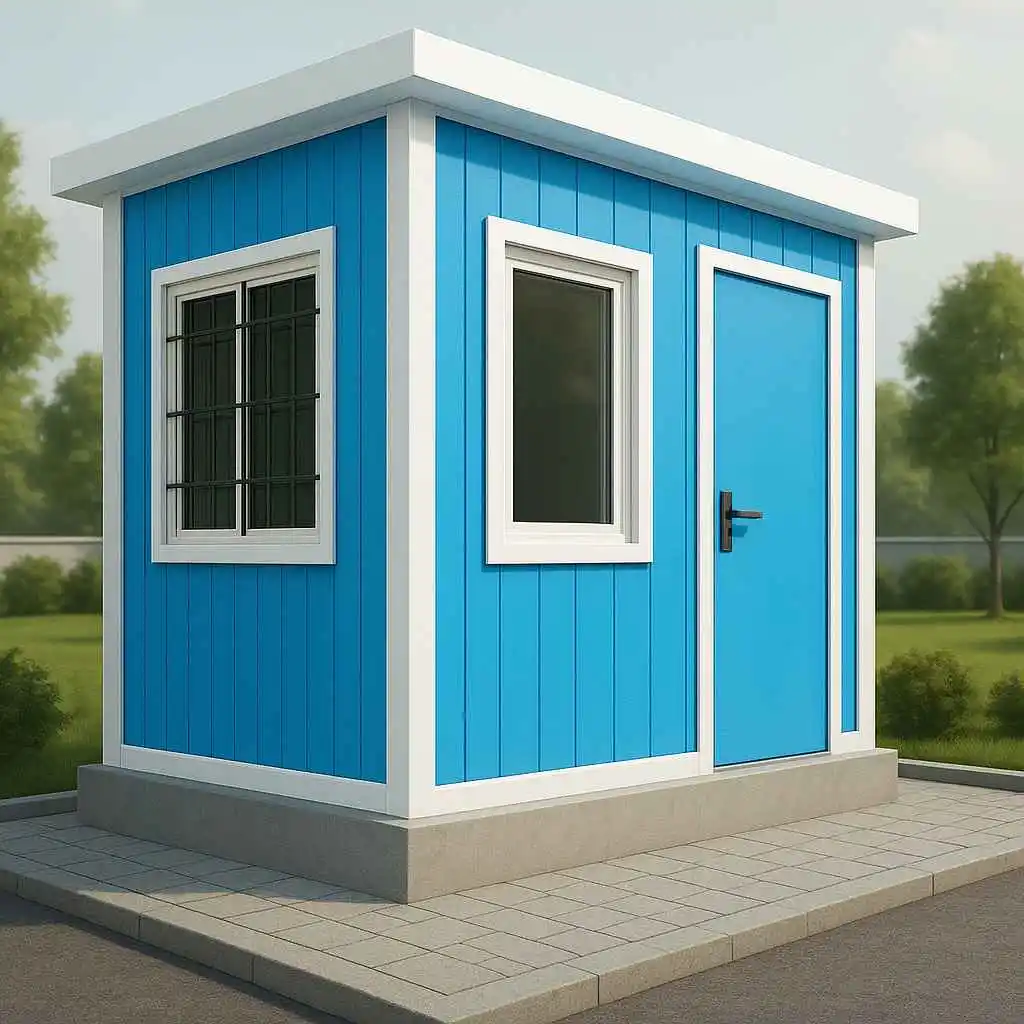
Compact white and brown guard hut with MS grill windows for society and office use.
Security Cabin Meaning and Why It Matters for Safety
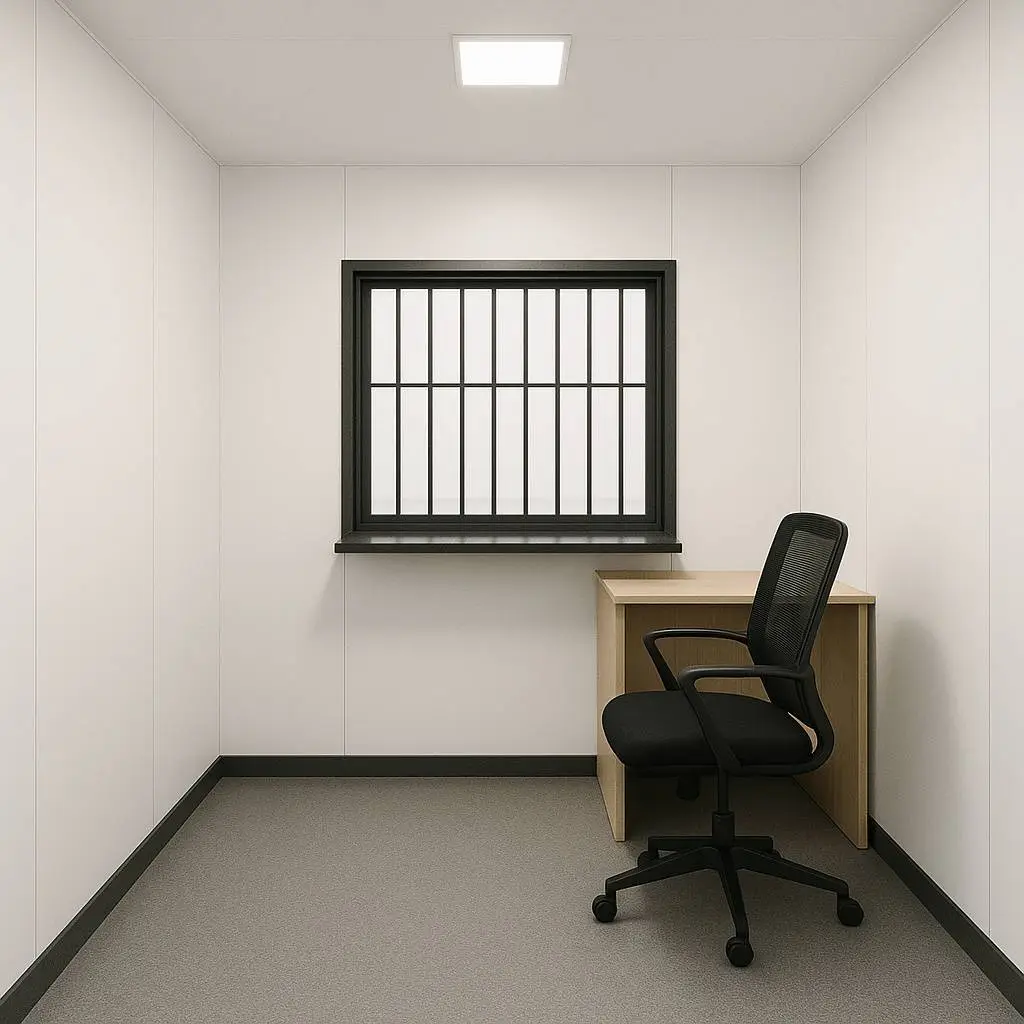
A security cabin is a compact, prefabricated shelter for guards. It provides comfort, safety, and visibility while they monitor property and visitors. Unlike old wooden huts, modern cabins are built with MS, PUF, ACP, or FRP materials, making them durable and portable. They are now vital for construction sites, housing societies, airports, and offices.
Key Functions of a Security Cabin:
Shelter and protection for security personnel.
Acts as a visual deterrent to crime.
Provides controlled entry and exit points.
Can include CCTV and communication systems.
Explore modern security porta cabin options from SAMAN Portable to find durable, compliant, and ready-to-use models for your site.
Portable Security Cabin Benefits for Homes, Sites, and Offices
A portable security cabin is prebuilt in a factory and delivered ready for use. It can be placed on flat ground or an RCC plinth and used the same day.
Benefits of Portable Security Cabins:
Quick setup: Ready in hours, no heavy construction needed.
Mobility: Can be moved with a crane or trailer.
Cost-saving: Avoids permanent construction costs.
Flexible use: Suitable for homes, offices, and events.
Unlike permanent guardrooms, prefab cabins are classified as temporary structures. This helps buyers avoid lengthy municipal approvals, saving both time and paperwork.
Prefabricated Security Cabin vs. Guard Hut: Key Differences
Traditional guard huts were simple shelters built cheaply. Today, buyers choose prefabricated security cabins for comfort, insulation, and smart features.
| Feature | Guard Hut | Prefabricated Security Cabin |
|---|---|---|
| Price | ₹20,000–₹50,000 | ₹35,000–₹4,00,000+ |
| Comfort | Basic shelter, no insulation | Insulated, ventilated, ergonomic |
| Durability | Short-term use | Long-term, weather-resistant |
| Setup Time | Days to build | Ready in hours |
| Technology | Rare | CCTV, IoT, biometric ready |
Quick Buyer Tip:
Choose a guard hut for temporary, low-budget use.
Invest in a prefabricated security cabin for long-term value and guard efficiency.
Market Demand and History of Security Cabins
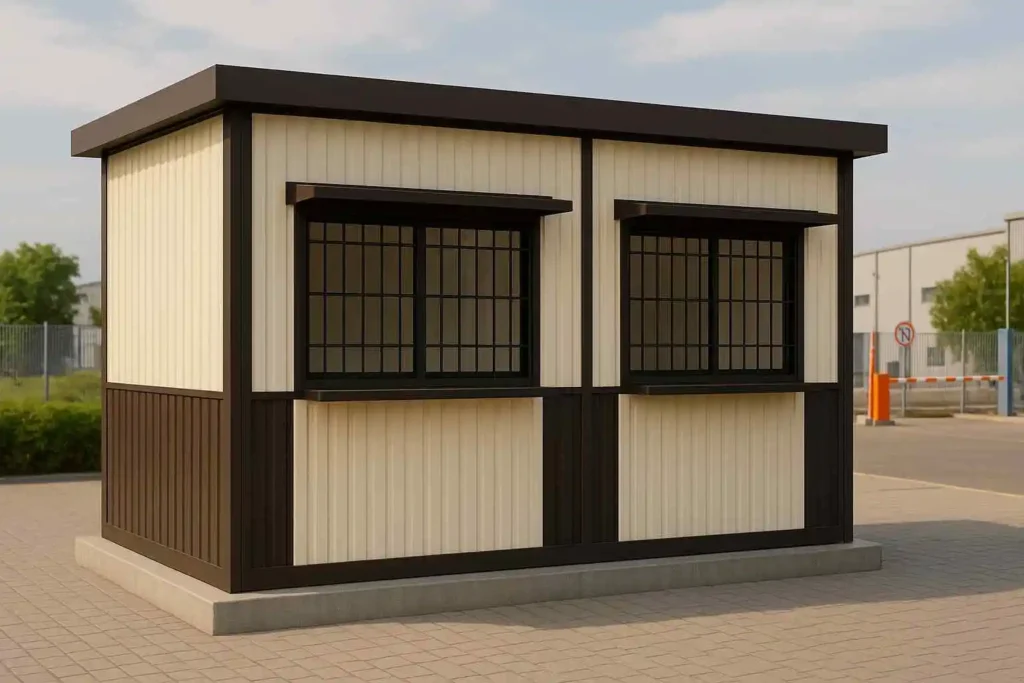
Spacious security cabin with twin grilled windows suitable for industrial and commercial premises.
Global Security Cabin Market Growth and Trends
The global market for security cabins is growing rapidly. In 2025, it was valued at $2.28 billion and is expected to reach $4.12 billion by 2032, with an annual growth rate of 8.8%. The rise comes from stricter safety rules, construction expansion, and demand from airports, defense sites, and large events.
Global Market Insights:
North America: Holds 42% market share due to strict safety codes.
Europe: Costs 30–50% higher than emerging markets.
Asia-Pacific (India & China): Fastest growth from urbanization and smart cities.
For more insights, see this Coherent Market Insights report on portable security cabins.
Indian Portable Security Cabin Market: Drivers and Stats
India is one of the fastest-growing markets, with a CAGR of over 13%. Buyers include construction firms, housing societies, and industrial parks.
Key Indian Growth Drivers:
Smart city projects boosting safety infrastructure.
Urban real estate boom in cities like Bangalore, Mumbai, and Delhi NCR.
Security awareness due to rising crime rates.
Corporate demand for prefabricated security cabins at campuses.
Fact: India’s portable cabin market is expected to cross ₹950 crore by 2030.
Guard Hut Price Evolution and Shift to Modern Prefab Cabins
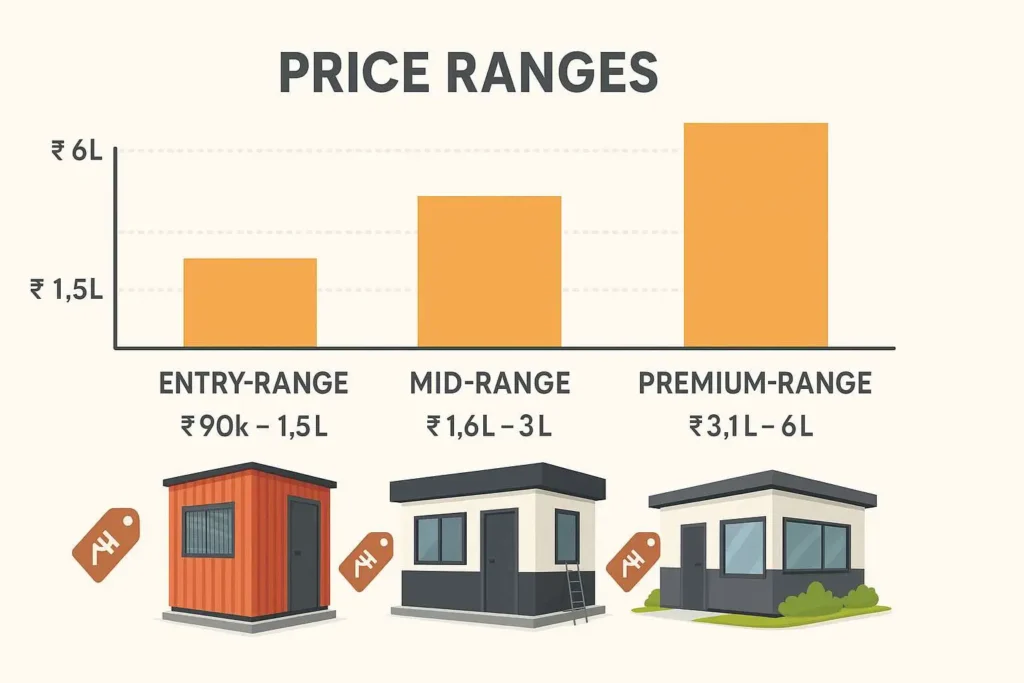
Security cabin price range comparison in India from entry-level ₹90k to premium ₹6L.
Earlier, a guard hut was made from wood, PVC, or basic steel. It provided minimal comfort and cost ₹20,000–₹50,000. Today, buyers prefer prefabricated security cabins, which cost ₹35,000–₹4,00,000+, depending on size and material.
| Time Period | Common Type | Guard Hut Price (₹) | Key Features |
|---|---|---|---|
| 1950s–70s | Wooden/PVC huts | 15,000–30,000 | Basic shelter, no insulation |
| 1980s–2000s | MS cabins | 25,000–50,000 | Durable but heavy, no comfort |
| 2000s–2015 | Prefab (PUF/FRP) | 40,000–90,000 | Insulated, weatherproof |
| 2015–2025 | Smart prefab cabins | 1,20,000–4,00,000+ | IoT, solar, CCTV ready |
In Bangalore IT parks, installations of prefabricated security cabins grew by 22% between 2022 and 2024. Corporate demand is rising because companies prefer ready-to-install cabins that meet safety codes and brand aesthetics.
Materials Used in Security Cabins: Pros and Cons
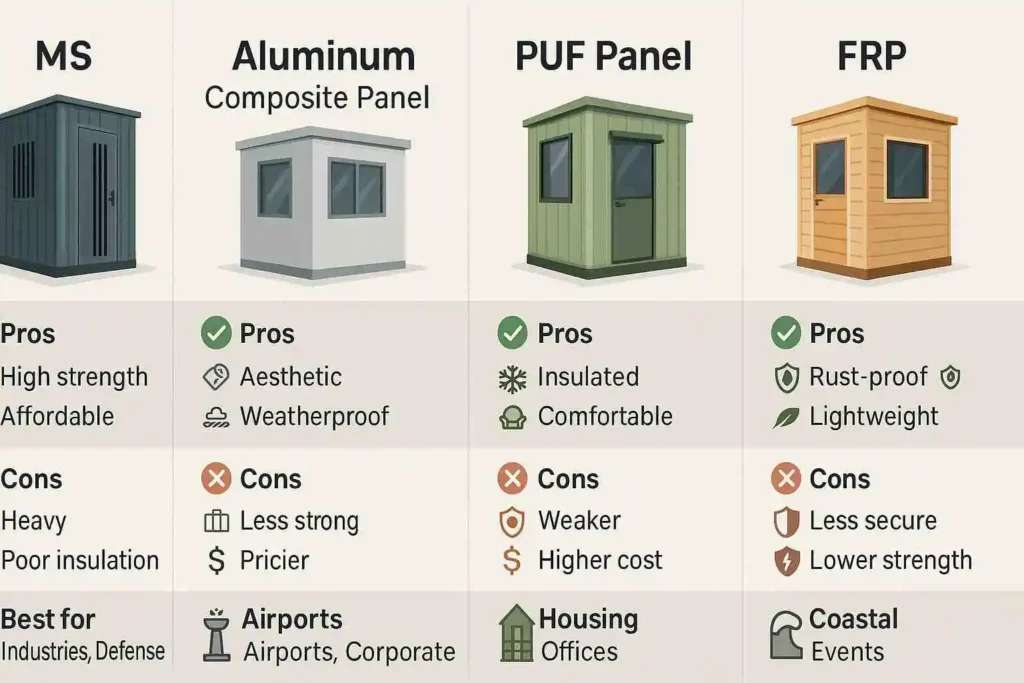
Comparison of MS, ACP, PUF panel, and FRP materials for security cabins in India.
Mild Steel Security Cabin: Strength and Durability Factors
Mild Steel (MS) security cabins are the most common choice in India. They are tough, long-lasting, and provide strong protection. Guards feel secure because steel cabins resist break-ins and vandalism.
Pros:
High strength for risky locations.
Affordable compared to premium options.
Can last many years with basic care.
Cons:
Heavy, harder to move.
Needs paint or coating to prevent rust.
Poor insulation, often hot inside without panels.
Best for: Industrial sites, factories, defense posts.
PUF Panel Security Cabins for Insulation and Guard Comfort
PUF panel cabins are popular because they keep guards comfortable in all weather. The foam insulation makes them cool in summer and warm in winter.
Pros:
Excellent thermal and sound insulation.
Lightweight and easy to install.
Cuts energy bills when paired with AC.
Cons:
Not as strong as solid steel.
Slightly higher upfront cost.
Best for: Residential societies, offices, and long guard shifts.
PUF cabins are ideal for extreme weather, such as Rajasthan’s hot summers and Himachal’s cold winters. Each material offers climate-specific advantages, making selection site-dependent.
ACP and FRP Security Cabin Materials Compared for Buyers
ACP cabins (Aluminum Composite Panel) are sleek and modern. They look professional, blend with offices, and last long in any weather. FRP cabins (Fiber-Reinforced Plastic) are rust-free, lightweight, and perfect for humid or coastal areas.
ACP Pros: Stylish finish, weatherproof, easy to clean.
ACP Cons: Less strong than steel; not for high-threat zones.
FRP Pros: Rust-proof, light, low maintenance.
FRP Cons: Less secure against heavy impact.
Best for:
ACP cabins: Airports, corporate campuses, premium housing. For a broader look at versatile options, explore our complete range of Porta Cabins.
FRP cabins: Coastal projects, events, and temporary setups.
Material Comparison: Security Cabin Prices and Features
| Material | Strength | Comfort | Durability | Guard Hut Price (₹) | Best Use |
|---|---|---|---|---|---|
| Mild Steel | Very High | Low | High | 35,000–95,000 | Industry, defense |
| PUF Panel | Medium | Very High | Medium | 40,000–65,000 | Residential, offices |
| ACP | Medium | High | Medium | 50,000–1,29,000 | Airports, campuses |
| FRP | Low-Medium | High | High | 34,375–60,000 | Coastal, events |
Case Study: Sobha Limited installed 10 prefab cabins at a residential project in Bangalore. Guards reported a 30% improvement in comfort and reduced fatigue compared to earlier MS guard huts.
Browse our affordable porta cabins for sale for current options and pricing.
Types of Security Cabins
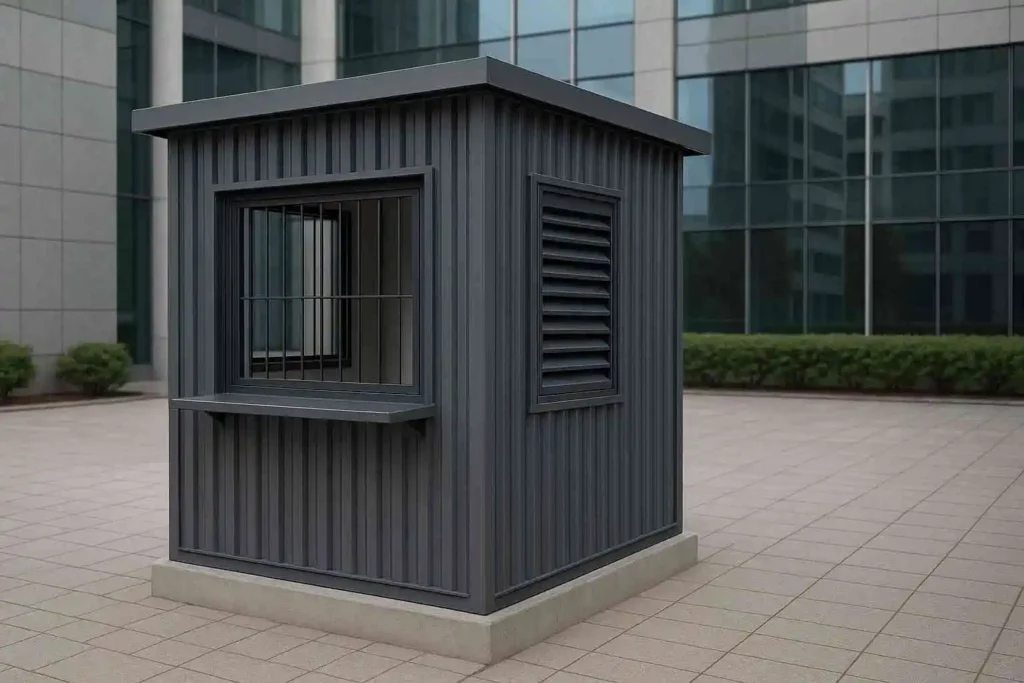
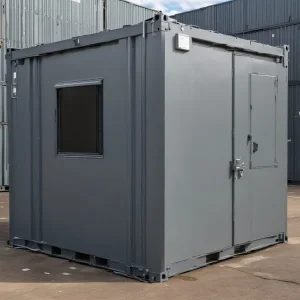
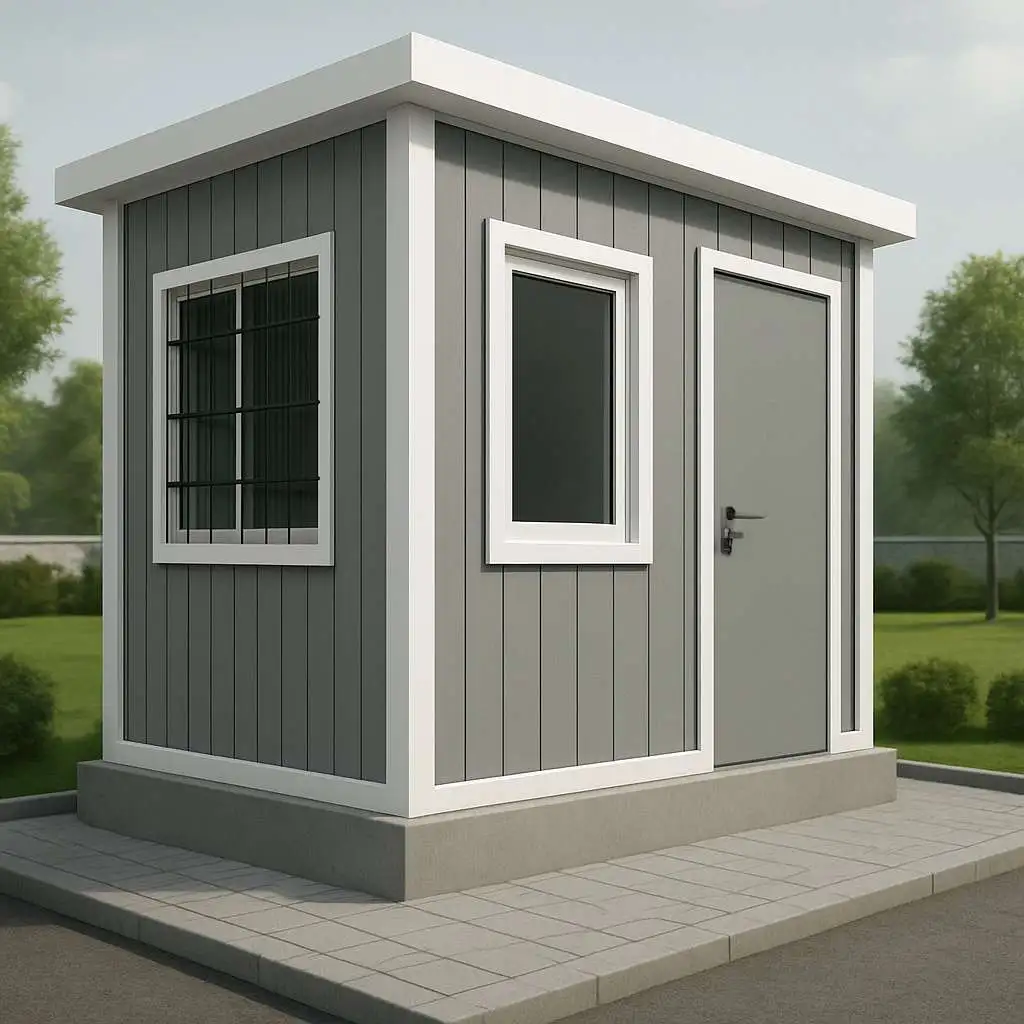
Modern grey portable security cabin with grilled window and louvered ventilation panel.
Portable Security Cabin Types for Construction and Events
A portable security cabin is built at the factory and delivered ready for use. It can be placed on an RCC plinth or flat ground and moved easily with a crane or trailer.
Benefits of Portable Security Cabins:
Installed within hours, saving time.
Reusable across multiple projects.
Ideal for temporary sites or shifting needs.
Lower overall cost compared to permanent structures.
Best Use: Construction sites, parking lots, and event venues.
Prefabricated Security Cabin Variations for Long-Term Use
A prefabricated security cabin is made with panels such as PUF, FRP, or ACP. These cabins are modular, insulated, and designed for durability. They often include wiring, ventilation, and space for surveillance systems.
Advantages:
High customization with sizes and layouts.
Superior comfort for guards on long shifts.
Weather-resistant with low maintenance.
Can integrate CCTV, biometric systems, and solar panels.
Best Use: Airports, housing complexes, industrial parks.
Guard Hut Design and Price Options for Budget Projects
Traditional guard huts are the simplest option. They cost less and provide basic shelter but lack advanced features. Many are made from PVC, MS, or wood.
Pros: Low price, compact, and easy to place.
Cons: Limited comfort, poor insulation, not future-ready.
Guard Hut Price Range:
PVC Huts: ₹20,000–₹40,000
MS Guard Huts: ₹25,000–₹50,000
Best Use: Small gates, low-budget projects, short-term needs.
Types of Security Cabins Compared
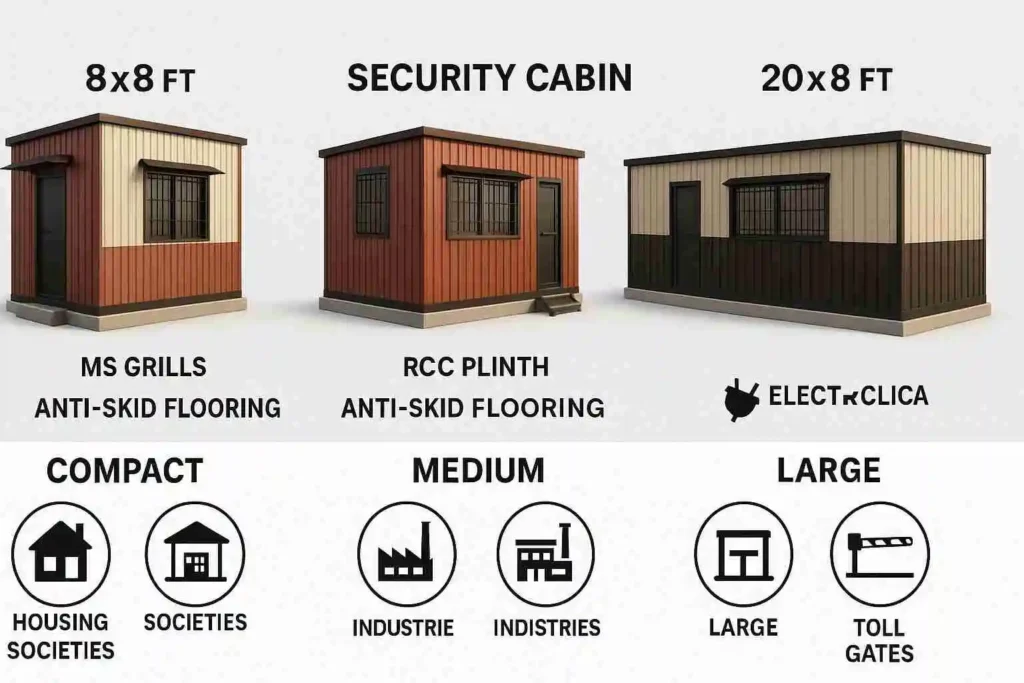
Security cabin sizes in India with compact 8×8 ft, medium, and large 20×8 ft models.
| Type | Installation | Comfort | Guard Hut Price (₹) | Best Use |
|---|---|---|---|---|
| Portable | Hours | Medium | 35,000–75,000 | Sites, events, parking |
| Prefabricated | Hours–1 day | High | 50,000–4,00,000+ | Airports, housing, industry |
| Guard Hut | Days | Low | 20,000–50,000 | Small gates, budget setups |
Quick Buyer Notes:
Select a portable security cabin if mobility and speed are top priorities.
Choose a prefabricated cabin when you want comfort, insulation, and smart features.
Opt for a guard hut only when you need a low-cost, temporary solution.
Guard Cabin Design Principles
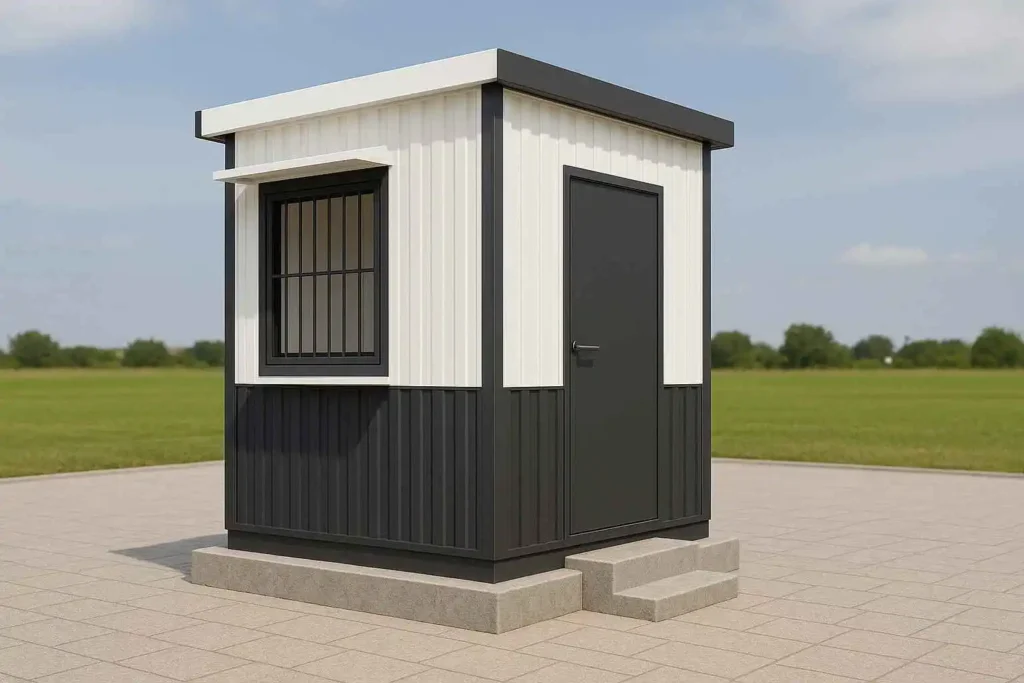
Portable black and white security cabin with front steps and RCC plinth foundation.
Ergonomic Guard Cabin Design for Long Shifts
Security guards spend long hours inside a cabin. Poor design can make them tired and less alert. An ergonomic guard cabin design keeps them comfortable, so they stay sharp.
Key Ergonomic Features:
Wide windows for 360-degree visibility.
Ventilation systems or AC for fresh air.
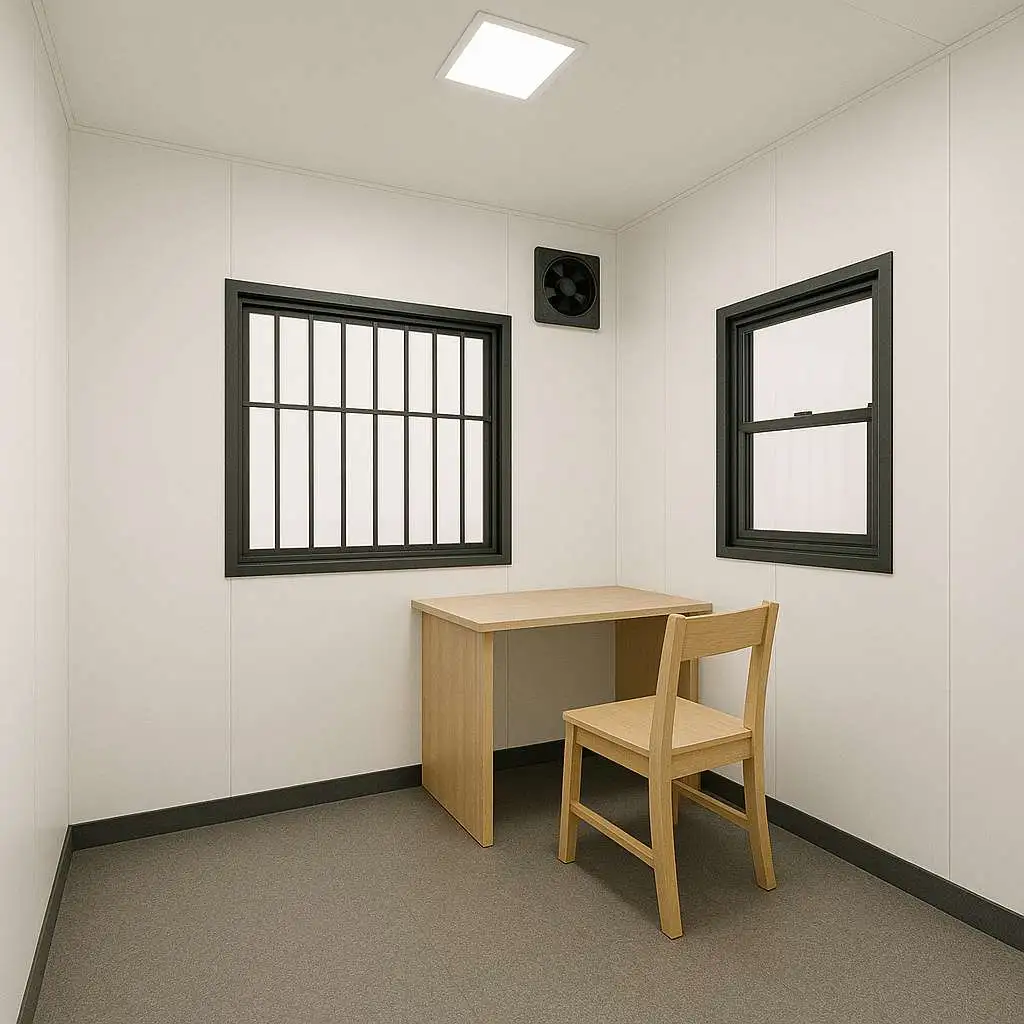
Space for a chair, desk, and storage.
LED lights to reduce eye strain at night.
👉 Tip: A guard cabin with good airflow can improve worker alertness by 30%.
Smart Portable Security Cabin Designs with IoT and CCTV
Modern cabins are no longer just shelters—they are smart hubs. A portable security cabin can be fitted with technology that improves site safety.
Smart Features to Include:
CCTV camera points for full monitoring.
Biometric access control to manage visitors.
IoT sensors for temperature, air quality, or security alerts.
Solar panels to power lights and devices without high bills.
These features turn a simple guard hut into a prefabricated security cabin that improves both safety and efficiency.
Prefabricated Security Cabin Design for Style and Safety
A cabin should look professional while meeting legal safety codes. Prefabricated security cabins allow modern finishes while staying compliant with rules.
Design Priorities:
Exterior look: ACP or FRP panels for a sleek, weatherproof finish.
Safety codes: Must meet India’s NBC (2016) fire and structural rules.
Global standards: UL 752 and EN 1522 for ballistic protection in high-risk zones.
Branding: Colors and finishes to match company or society style.
Why It Matters: A neat and safe cabin builds trust with residents, staff, and visitors.
Guard Cabin Design Comparison
| Design Focus | Key Elements | Impact on Use |
|---|---|---|
| Ergonomics | Windows, lights, storage | Guard comfort & alertness |
| Smart Tech | CCTV, IoT, solar panels | Smarter monitoring & control |
| Aesthetics | ACP/FRP finishes, branding | Professional look & trust |
| Compliance | NBC, fire safety, ballistic options | Legal safety & durability |
Quick Takeaway:
Ergonomics keep guards healthy and alert.
Smart features add security power.
Prefabricated cabins meet style and compliance needs.
A well-designed cabin is not just a shelter—it is a long-term investment.
Applications of Security Cabins Across Industries
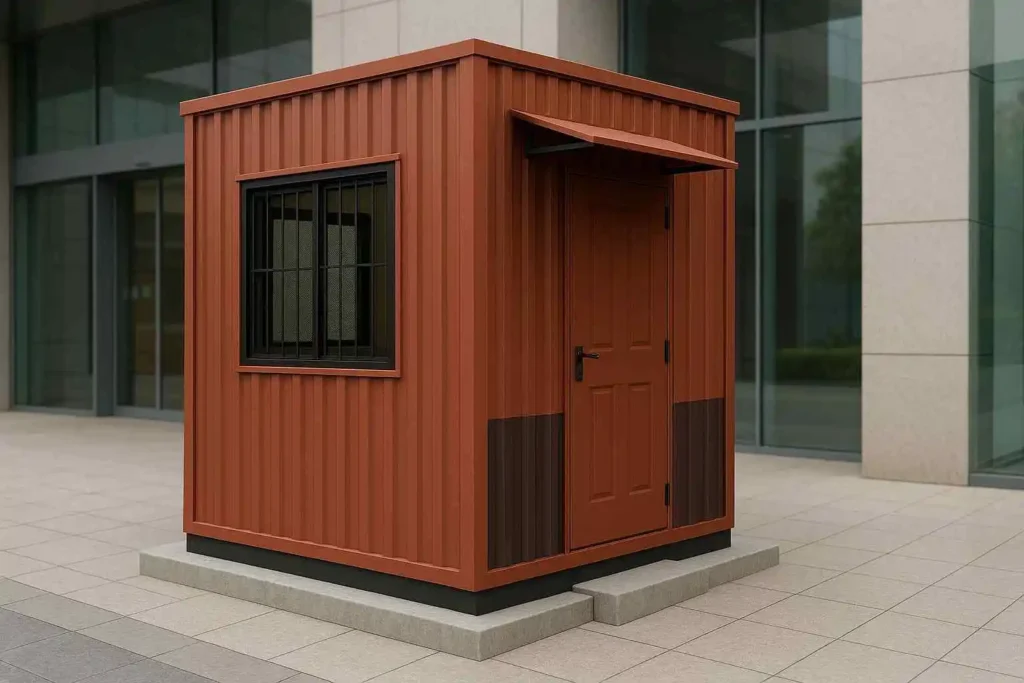
Compact red security cabin with MS grill windows and RCC base in an office complex.
Portable Security Cabins for Construction and Infrastructure Projects
Construction sites are one of the biggest users of portable security cabins. These cabins help manage entry gates, protect equipment, and control worker movement. Since projects change location often, cabins need to be mobile and quick to set up.
Why construction firms prefer them:
Easy relocation as work shifts.
Guards can monitor tools and materials.
Provide a control point for visitor entry. Construction firms often combine these with standard portable cabins to create site offices and guard stations side by side.
- In Delhi NCR, housing societies using biometric-enabled prefab cabins reported 40% faster visitor clearance at gates, improving both efficiency and safety.
Prefabricated Security Cabins for Residential and Corporate Complexes
Gated communities and business campuses rely on prefabricated security cabins to manage visitors. These cabins are designed for long guard shifts, blending safety with comfort.
Common Features in Housing Societies:
Insulated cabins with fans or AC.
360-degree window visibility for gate control.
Comfortable seating and storage space.
Aesthetic finishes like ACP panels to match buildings.
Corporate demand: Many offices choose stylish cabins that reflect their brand, combining looks with smart systems like CCTV and biometric access.
Guard Hut Use in Airports, Defense, and High-Security Zones
Airports and defense bases require stronger designs than normal. A simple guard hut is not enough, so buyers invest in premium security cabins with ballistic resistance and smart connectivity.
Specialized Needs:
Airports: Weatherproof cabins with tinted glass, CCTV wiring, and communication systems.
Defense: MS or steel-reinforced cabins with bullet-resistant options.
Events and public places: Compact portable units for quick crowd control.
Industry-Wise Applications Compared
| Industry | Cabin Type | Key Features | Best Benefit |
|---|---|---|---|
| Construction | Portable cabins | Mobile, quick setup | Flexibility & cost savings |
| Residential | Prefab cabins | Insulated, aesthetic | Guard comfort & visitor control |
| Corporate | Prefab ACP cabins | Stylish, smart-ready | Matches branding & safety |
| Airports | Premium cabins | Ballistic glass, CCTV | High-level security |
| Defense | MS/Steel cabins | Reinforced, durable | Maximum protection |
Quick Takeaways:
Construction needs portable cabins for mobility.
Residential & corporate prefer prefab cabins for comfort and looks.
Airports & defense require high-security cabins with special compliance.
Buyer’s Guide to Choosing the Right Security Cabin
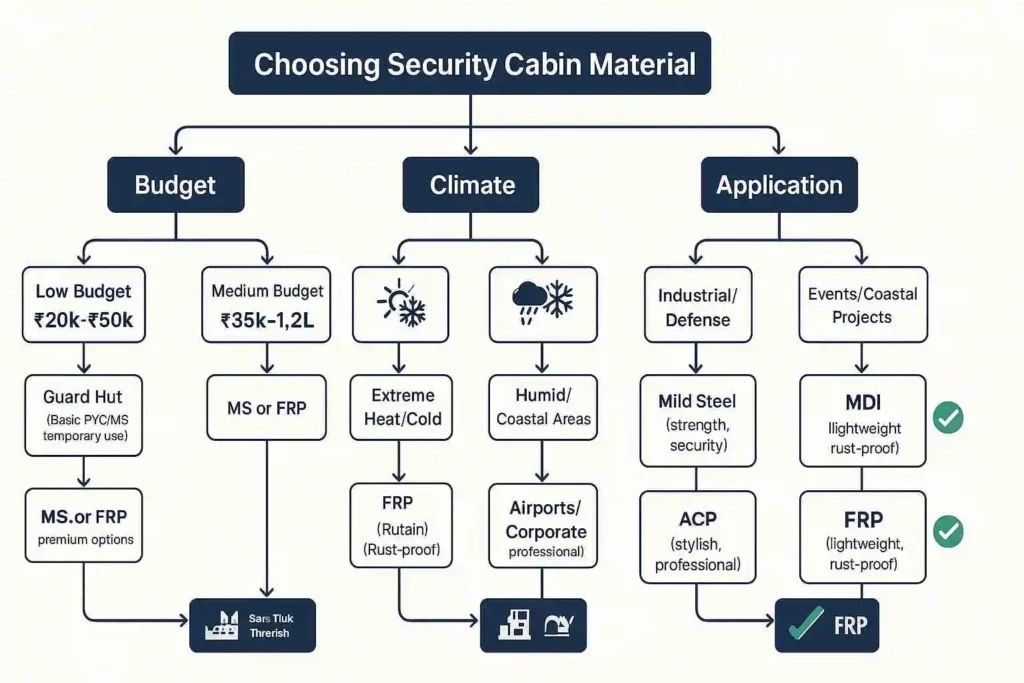
Decision-making chart for selecting the right security cabin material based on budget, climate, and application.
Key Questions Before Buying a Security Cabin
Before spending on a security cabin, every buyer should ask the right questions. This avoids hidden costs and ensures the cabin fits real needs.
Important Questions:
What size cabin is needed for one or two guards?
Should it be portable security cabin or fixed?
Does the project need insulation for hot or cold weather?
What is the expected guard hut price with all add-ons?
How quickly can the vendor deliver and install?
👉 Tip: Always ask for a written quotation with detailed pricing, including transport and GST.
Warranties, After-Sales Service, and AMC Options
A prefabricated security cabin should come with warranty support. Many vendors offer 12–24 months coverage for structure and paint. Annual Maintenance Contracts (AMC) help buyers avoid long-term repair costs.
Why Service Matters:
Guards work daily; even small issues affect performance.
AMC ensures regular checks for rust, leaks, and wiring.
Vendors with service teams reduce downtime.
Buyer Tip: Avoid sellers who provide cabins but no after-sales support. Low upfront cost can lead to higher expenses later.
Vendor Transparency and Red Flags to Avoid
Choosing the right vendor is as important as the cabin design. Reputed companies share clear price sheets, warranty terms, and compliance certificates.
Red Flags in Vendors:
No GST invoice or improper paperwork.
Price quote without transport or installation.
Poor response after sales.
No experience in making prefabricated security cabins.
Explore reliable used porta cabins with verified quality as a budget-friendly choice with trusted warranties.
What Good Vendors Provide:
Full price breakup (material, size, delivery).
Compliance with India’s NBC fire and safety codes.
On-time delivery, often within 7–15 days.
References from past projects.
Buyer’s Guide Summary Table
| Factor | Why It Matters | Buyer Tip |
|---|---|---|
| Size | Comfort & use | Minimum 6×6 ft for one guard |
| Material | Durability & insulation | Match to site needs |
| Price | Budget planning | Ask for breakup, avoid hidden charges |
| Warranty | Long-term savings | Choose 12–24 month coverage |
| Vendor | Trust & service | Check reviews and past work |
Quick Takeaways:
Ask the right questions before buying.
Focus on warranty and after-sales service.
Avoid vendors who hide real costs.
Always link price to comfort, durability, and long-term savings.
Future Trends in Security Cabins
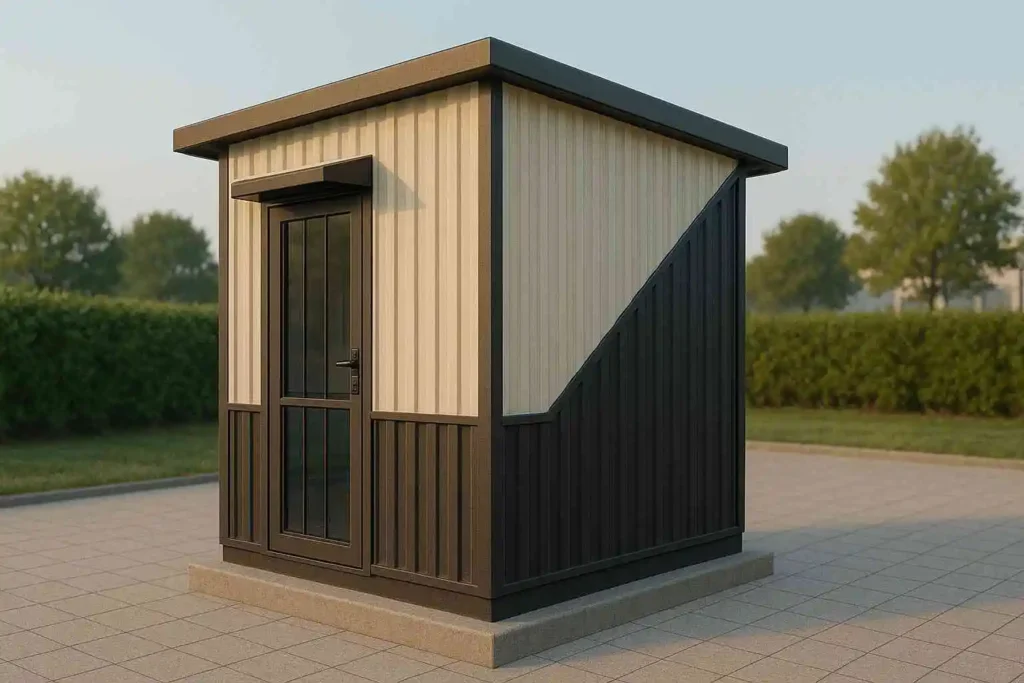
Designer prefab security cabin with diagonal dual-tone paneling for modern sites.
Smart Security Cabins with IoT and AI Integration
The future of security cabins lies in technology. Cabins are moving beyond simple shelters to smart monitoring stations. IoT and AI tools help guards work smarter, not harder.
Emerging Smart Features:
IoT sensors for fire, smoke, and motion alerts.
AI cameras for face recognition and visitor tracking.
Biometric access systems for tighter entry control.
Cloud-based dashboards for real-time monitoring.
👉 Insight: By 2030, over 60% of prefabricated security cabins will include IoT features as standard.
IoT sensors, AI cameras, and biometrics are becoming standard in new cabins.
See more in this Lucintel market study on portable security cabin innovations.
Solar-Powered and Green Portable Security Cabins
Sustainability is shaping future demand. A portable security cabin with solar panels lowers energy costs and reduces carbon footprint.
Benefits of Green Cabins:
Solar panels power lights, fans, and CCTV.
Energy bills drop by 40–50%.
Eco-friendly design attracts green-certified projects.
Panels work in both urban and remote areas.
Example: Airports and industrial parks now demand cabins with renewable power setups.
Modular Prefabricated Security Cabins for Flexibility
Future cabins will be modular and expandable. A prefabricated security cabin can be built in sections and upgraded later.
Why Modular Matters:
Buyers can start small and expand as needed.
Quick relocation without structural damage.
Lower downtime during site changes.
Fits industries with shifting projects like construction or defense.
Cost Insight: While modular units cost 10–15% more upfront, they reduce long-term rebuild costs.
Future Trends Summary Table
| Trend | Key Feature | Buyer Benefit |
|---|---|---|
| IoT & AI | Smart cameras, sensors | Stronger surveillance |
| Solar & Green | Renewable energy | Lower bills, eco value |
| Modular Design | Expandable cabins | Flexibility & cost savings |
Quick Takeaways:
Smart cabins with IoT/AI improve safety and efficiency.
Solar-powered portable cabins cut costs and support sustainability.
Modular prefabricated cabins give buyers flexible, long-term options.
Future designs blend comfort, compliance, and smart technology.
Frequently Asked Questions About Security Cabins
What is a security cabin and why is it important?
A security cabin is a small prefabricated shelter for guards. It provides safety, comfort, and visibility to monitor people or property. These cabins act as a control point, preventing unauthorized access and improving overall security on any site.
How much does a guard hut price range in India?
A basic guard hut price in India starts from ₹20,000 and can go up to ₹50,000. More advanced prefabricated security cabins with insulation, ventilation, and CCTV provisions cost between ₹45,000 and ₹4,00,000 depending on size and material.
Which material is best for a portable security cabin?
The best material depends on use. Mild Steel offers durability, PUF panels provide insulation, ACP cabins look modern, and FRP cabins are rust-proof. Buyers should select based on climate, security needs, and long-term maintenance plans.
What is the difference between a guard hut and a prefabricated security cabin?
A guard hut is a low-cost, basic shelter with limited comfort. A prefabricated security cabin is durable, insulated, and often includes wiring for CCTV, fans, and lights. While huts are temporary, prefab cabins are built for long-term use.
How does guard cabin design affect security?
Good guard cabin design ensures comfort, visibility, and safety. Wide windows improve monitoring, ergonomic layouts reduce fatigue, and compliance with fire and electrical rules guarantees safety. A well-designed cabin keeps guards effective during long shifts.
Do security cabins come with warranties and service support?
Yes. Reputed vendors provide 12–24 months warranty covering structure and paint. Many also offer AMC (Annual Maintenance Contracts) for inspections and repairs. Choosing a vendor with after-sales support helps avoid costly problems later.
What are the compliance requirements for security cabins in India?
In India, security cabins must meet NBC 2016 rules covering fire safety, ventilation, and electrical systems. Some projects, like airports or defense bases, also demand ballistic certifications or ISO standards for durability and worker safety compliance.
Can prefabricated security cabins be relocated easily?
Yes. A portable security cabin is designed to be moved with a crane or trailer. Prefab panels can also be dismantled and reinstalled at a new site. This flexibility makes them ideal for construction projects and temporary locations.
How do solar-powered cabins reduce costs?
Solar-powered security cabins use renewable energy to run lights, fans, or CCTV. This cuts electricity bills by up to 40–50%. They are eco-friendly, ideal for remote locations, and often qualify for green project certifications.
How long does a prefabricated security cabin last?
With annual maintenance contracts and repainting every 3–4 years, a quality prefab cabin lasts 15–20 years.
Do you need approval to install a security cabin?
Most portable cabins don’t need building permits since they’re non-permanent. However, some municipalities may require intimation or basic clearance before installation.
Conclusion
A security solution is not only about guards; it is also about the space they work in. Modern cabins are designed to give safety, comfort, and reliability, all while fitting into different sites like housing complexes, offices, and industrial areas. Buyers today expect durability, low maintenance, and long-term value, which makes prefabricated options a smart investment.
Choosing the right vendor and design ensures better performance, lower hidden costs, and peace of mind. Whether it is portable models for short projects or advanced insulated units for long-term use, cabins now combine strength, style, and future-ready features.
For businesses, builders, and societies looking to improve site safety, these cabins are more than shelters—they are essential parts of daily operations. If you are planning to install one.
Explore our full range of Security Porta Cabins or contact us for tailored solutions in Bangalore, Noida, and across India
Shipping and Delivery Information
At SAMAN Portable Office Solutions, we are committed to ensuring a seamless shipping experience for our customers. Our shipping and delivery policy has been crafted to provide you with clear details and expectations when you place an order for our portable cabins or container offices.
Delivery Timeline
Once your order is confirmed, we will process and dispatch your product within 15 to 21 working days. This timeline is calculated from the date we receive your order and ensures that your product is fabricated, inspected, and packed securely for transportation. We strive to adhere strictly to this delivery window, guaranteeing that your order reaches you in a timely manner.
Shipping Costs
Our shipping charges are structured based on the size and type of the trailer used for delivery. Below are the detailed rates:
- For a 40 Feet Open Trailer: The cost is ₹80 per kilometer, excluding Over Dimensional Cargo (ODC) and Regional Transport Office (RTO) charges.
- For a 20 Feet Open Trailer: The cost is ₹60 per kilometer, also excluding ODC and RTO fees.
Note: ODC and RTO charges may vary depending on your location and state regulations. We ensure transparency in our billing and will provide you with an accurate estimate before shipment.
Within Bangalore Shipping Rates
For customers within the Bangalore region, we offer competitive fixed shipping rates for hassle-free delivery:
- 40 Feet Open Trailer: ₹15,000
- 20 Feet Open Trailer: ₹10,000
These rates are designed to be cost-effective while ensuring your product reaches its destination safely and securely. We work with reliable transport partners to provide efficient and on-time delivery services within Bangalore.
At SAMAN Portable Office Solutions, customer satisfaction is our priority. For any queries related to shipping or delivery, please feel free to contact our customer support team. We are here to assist you every step of the way.

Reviews
Clear filtersThere are no reviews yet.