






Labor Colony in India – 2025 Complete Buyer’s Guide
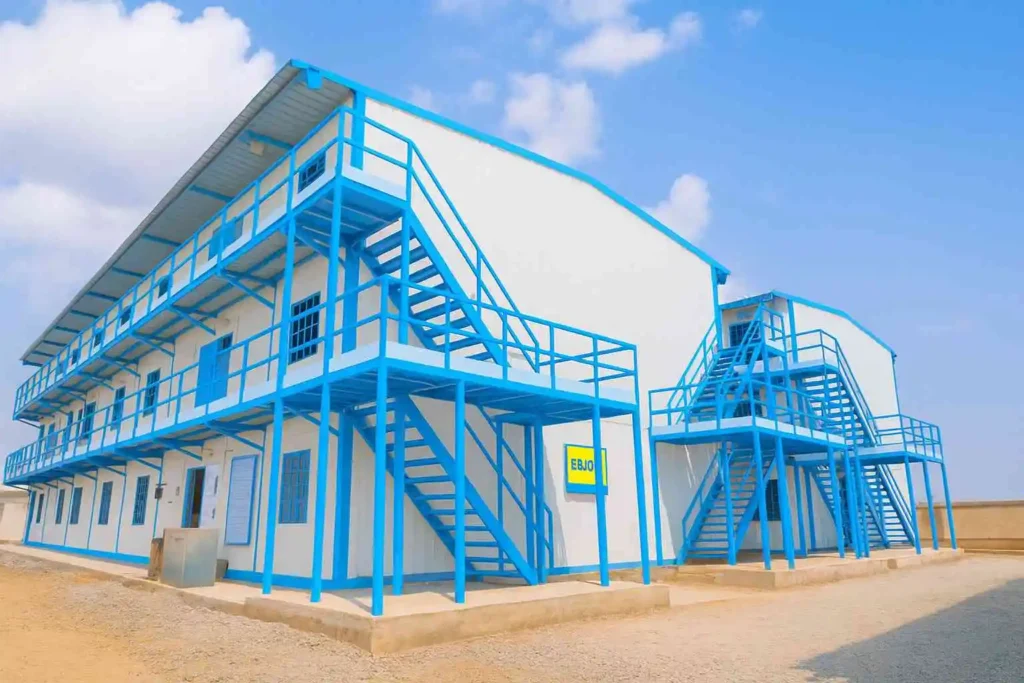
quick install labour camp, prefab worker housing, portable worker colony
Introduction: Why Labor Colonies Matter in India
Labor colonies are not just housing units—they are lifelines for India’s booming construction and infrastructure industry. They provide safe, on-site accommodation for workers, reduce long commutes, and improve productivity. With millions of migrant laborers supporting projects across India, organized workforce housing is becoming essential for both efficiency and worker well-being.
Simple Definition of a Labor Colony
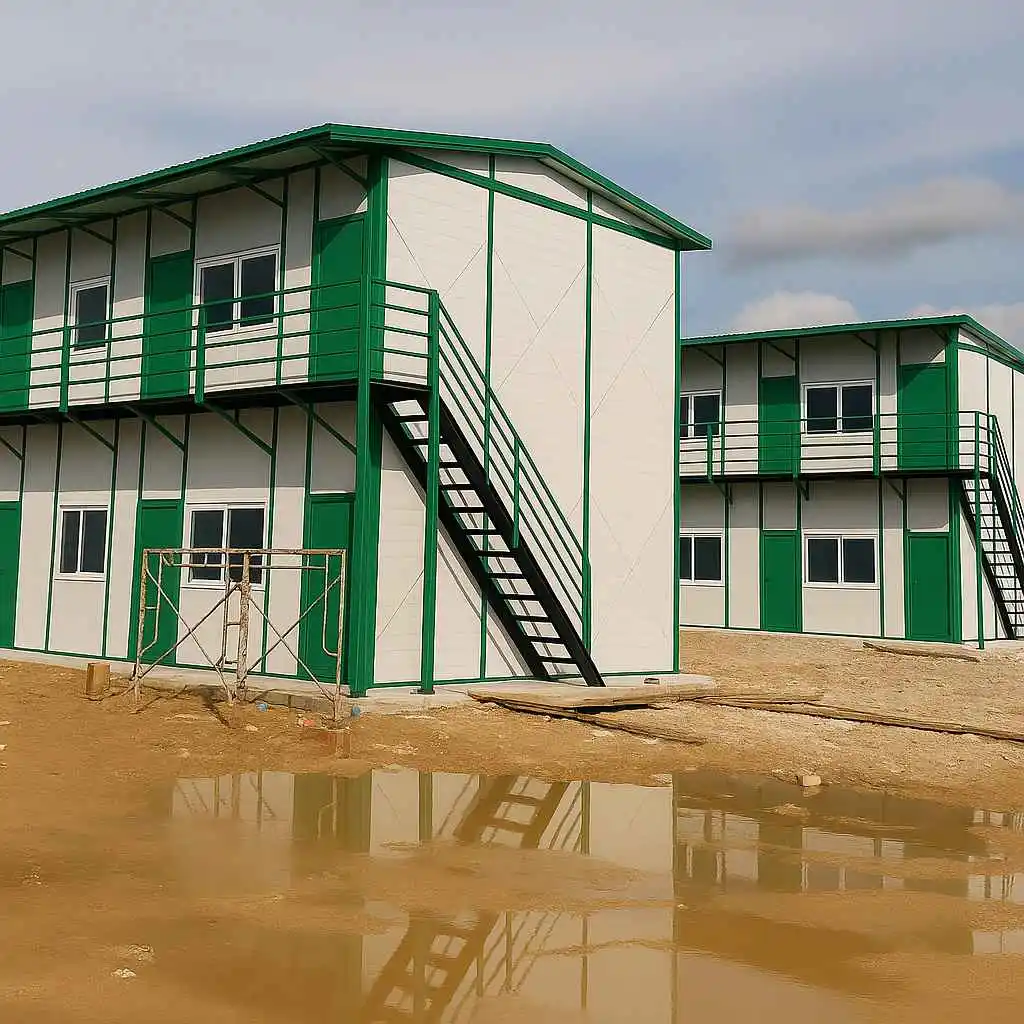
A labor colony is a planned residential setup built near construction or industrial sites. It includes dormitories, toilets, kitchens, and recreation areas. Unlike makeshift shelters, a labor colony is structured, safe, and equipped with all necessary facilities. This ensures workers can rest properly, stay healthy, and return to work refreshed every day.
Labor colonies differ from ordinary housing because they are temporary yet durable. Most are prefabricated or container-based, making them easy to build, shift, or expand. They solve a critical challenge in India—how to house large numbers of migrant workers quickly and cost-effectively without compromising on safety, comfort, or compliance with labor welfare laws.
Key Benefits for Employers and Workers
For employers, labor colonies cut delays caused by travel and absenteeism. Workers stay close to the site, meaning projects run faster and smoother. Colonies also reduce turnover by giving laborers comfortable and secure living spaces. This directly impacts productivity and saves money on recruitment and training.
For workers, the benefits are equally strong. They get safe housing, access to clean water, hygienic toilets, and healthy meals. Living near their workplace means less exhaustion and more time to rest. Better morale, higher energy, and stronger retention are natural outcomes, creating a win-win situation for both workers and employers.
Why India Needs Organized Workforce Housing
India’s construction and infrastructure projects rely heavily on migrant labor. These workers often face unsafe, cramped, or unhygienic living conditions. Organized labor colonies solve this problem by giving them structured, well-maintained housing close to worksites. This is vital for India’s urban growth and large-scale industrial projects.
Moreover, laws like the BOCW Act mandate welfare facilities for construction workers. Meeting these requirements through labor colonies helps companies stay compliant and avoid penalties. Beyond compliance, it builds a positive reputation, attracts better contracts, and shows commitment to worker welfare. Organized workforce housing is no longer optional—it is essential for success.
Top Advantages of Building a Labor Colony
Labor colonies offer more than shelter; they deliver productivity, stability, and financial savings. By housing workers near project sites, companies save commuting costs, reduce fatigue, and increase efficiency. For developers and contractors, a well-planned labor colony is not just a welfare measure—it is a strategic investment that directly improves business outcomes.
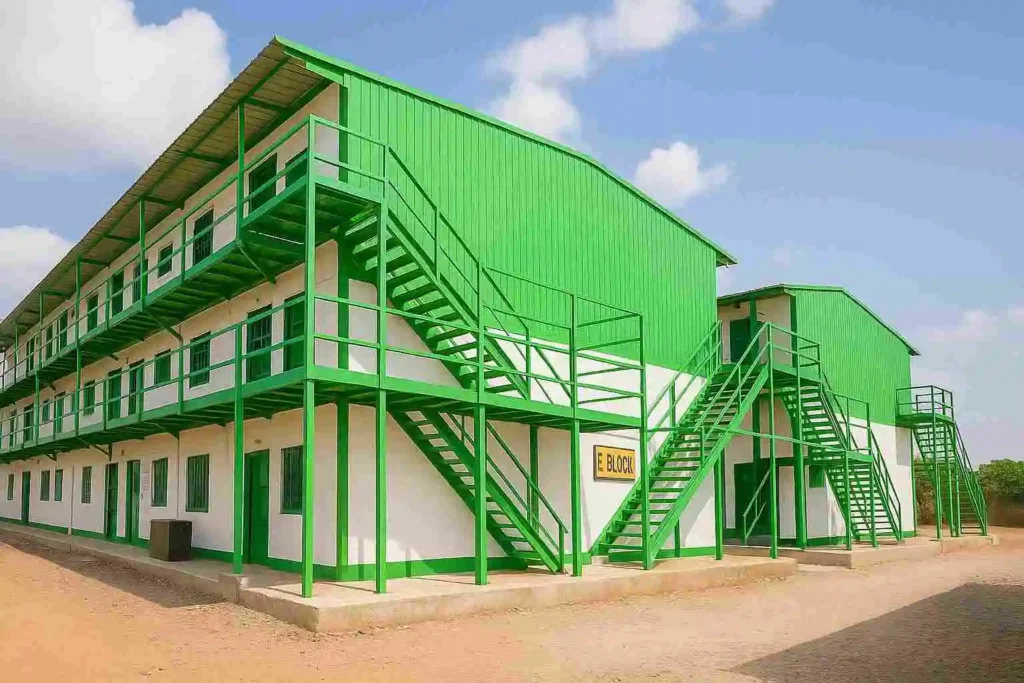
Eco-friendly prefab labour camps by SAMAN Portable focus on green building practices and sustainable worker accommodations.
Productivity Boost & Time Savings
When workers live close to construction sites, they save hours otherwise lost in daily travel. This ensures timely attendance and reduces absenteeism. Less travel also means workers have more energy, resulting in better output on the job. Projects move faster and deadlines are easier to meet, giving companies a strong competitive edge.
Key productivity benefits include:
Daily commute reduced or eliminated
Faster mobilization for urgent tasks
Higher worker energy and efficiency
On-time project delivery with fewer delays
Morale, Safety & Workforce Stability
Comfortable living spaces with clean toilets, secure housing, and nutritious meals create a positive environment for workers. When basic needs are met, morale improves, and workers stay motivated. This stability reduces turnover, meaning fewer disruptions and less need for constant recruitment and retraining.
Important stability drivers are:
Safe, secure premises with supervision
Better hygiene and clean facilities
Nutritious meals and drinking water
Reduced stress and higher loyalty
Long-Term Cost Benefits for Developers
While setting up a labor colony requires upfront investment, the returns are significant. Employers save on fuel and transport allowances since workers no longer need long commutes. Fewer accidents during travel also mean lower medical and insurance costs. The colony itself can be reused, relocated, or resold, ensuring long-term value.
Cost-saving highlights include:
Lower fuel and transport expenses
Fewer medical and accident costs
Reusable or resalable prefab units
Faster completion equals higher profits
Types of Labor Colonies You Can Choose
Not all projects are the same, and neither are labor colonies. Developers can choose from prefabricated, container-based, or hybrid options depending on site needs and budget. Each type offers unique advantages, from quick deployment to portability, making it easier for companies to match the right housing model to their project requirements.
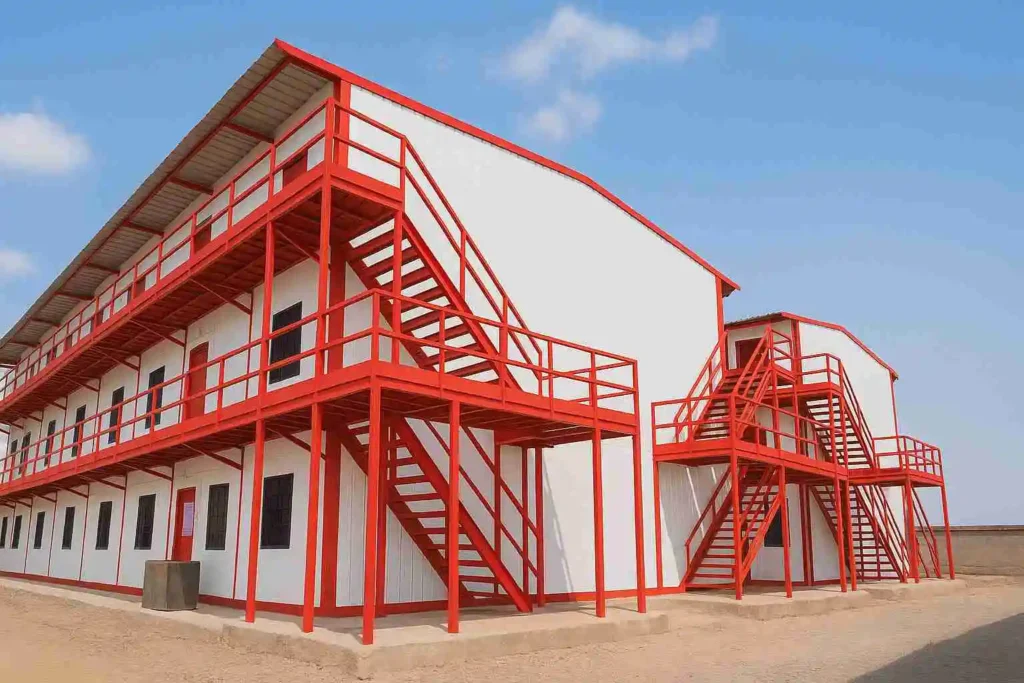
High-speed setup labour colonies reduce construction time, providing efficient and cost-effective worker housing solutions.
Prefabricated Labor Colony – Fast & Efficient
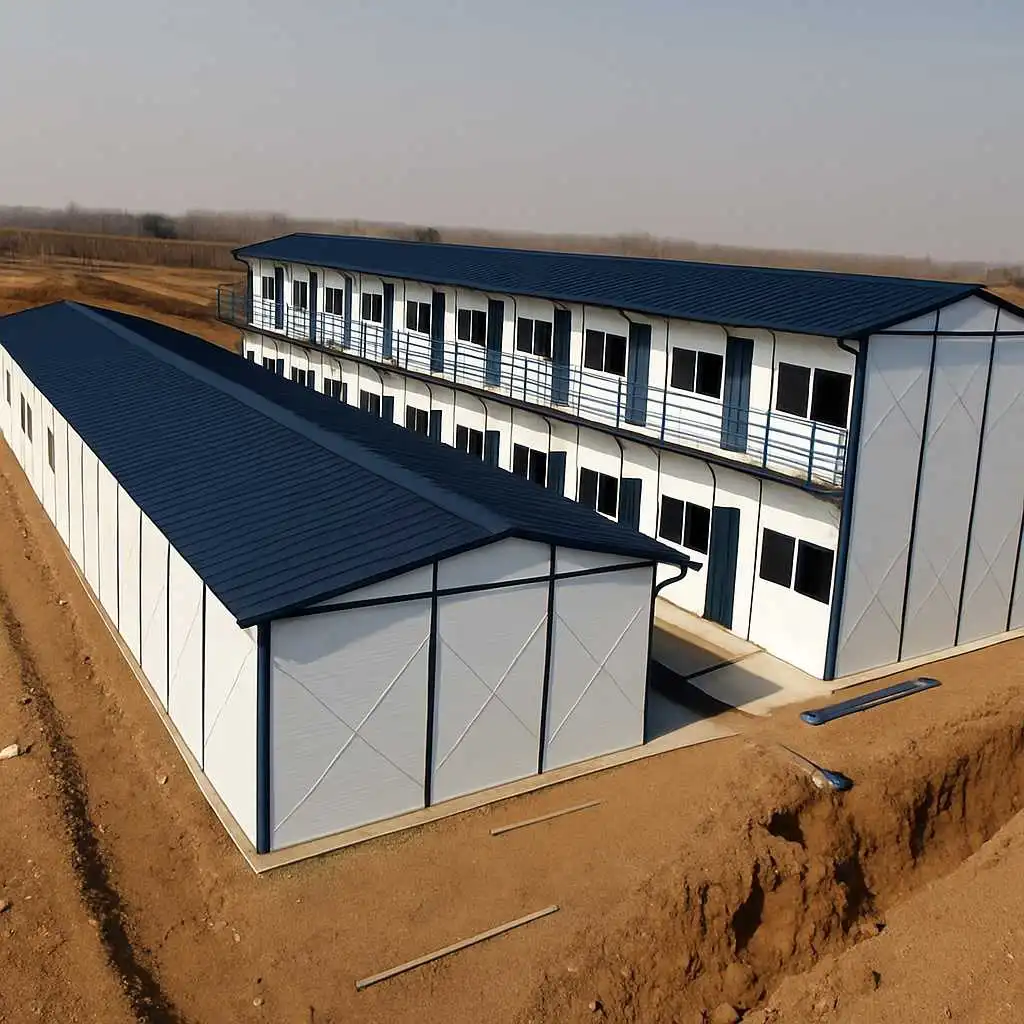
Prefabricated labor colonies are built with factory-made components such as steel frames and insulated panels. They are transported to the site and assembled within weeks. This method reduces construction time, ensures consistent quality, and minimizes waste. Prefab housing is ideal for large projects that need quick setup without compromising durability.
Key advantages include:
Quick installation, often in 3–4 weeks
Durable insulated panels for comfort
Scalable units for growing workforce
Lower maintenance compared to brick housing
Container Labor Colony – Portable & Durable
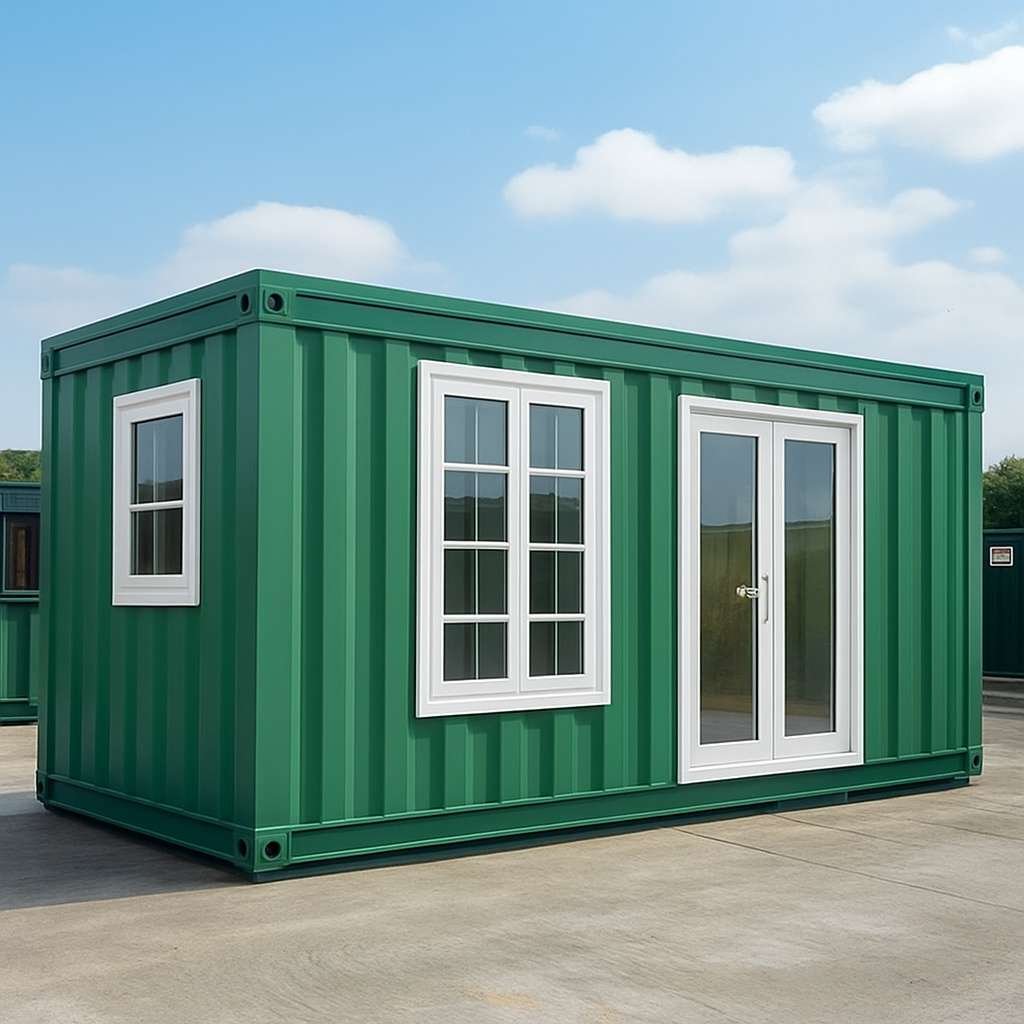
Container colonies use refurbished shipping containers as housing modules. Strong and portable, they are designed to withstand tough weather and rough usage. These colonies are stackable, making them space-efficient, and can be relocated easily. Container housing is best suited for industries like mining, oil, and gas where mobility is essential.
Highlights of container housing:
Solid steel structure, highly secure
Easily movable between sites
Stackable for saving land space
Can include toilets, kitchens, or offices
Hybrid Layouts – Flexible Custom Solutions
Hybrid colonies combine prefabricated units, container blocks, and portable cabins. For example, prefab dorms may house most workers, while container units serve as kitchens or offices. This approach gives flexibility and ensures cost optimization by mixing different solutions. Hybrid models work well for projects with diverse worker groups and shifting requirements.
Typical hybrid use cases:
Dorms for general workers
Containers for supervisors and offices
Portable cabins for toilets or clinics
Recreation halls with pre-engineered structures
Smart Planning & Modern Design Layouts
A labor colony’s design directly affects comfort, safety, and efficiency. Proper planning ensures workers get enough space, fresh air, and easy access to shared facilities. Modern layouts focus on maximizing land use while maintaining worker well-being, which makes projects smoother and more cost-effective in the long run.
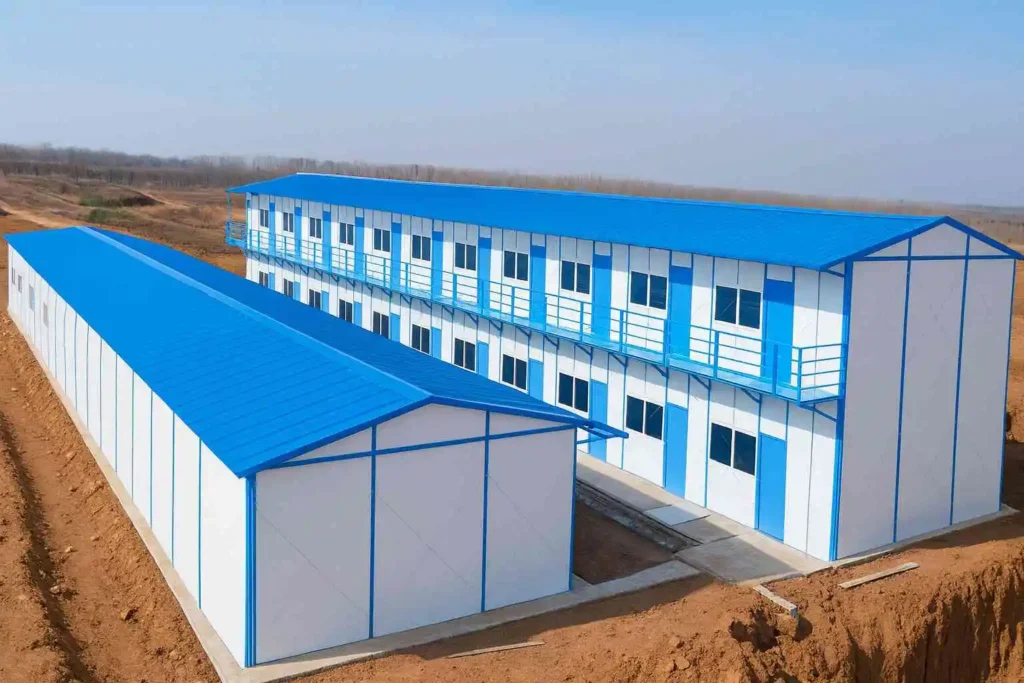
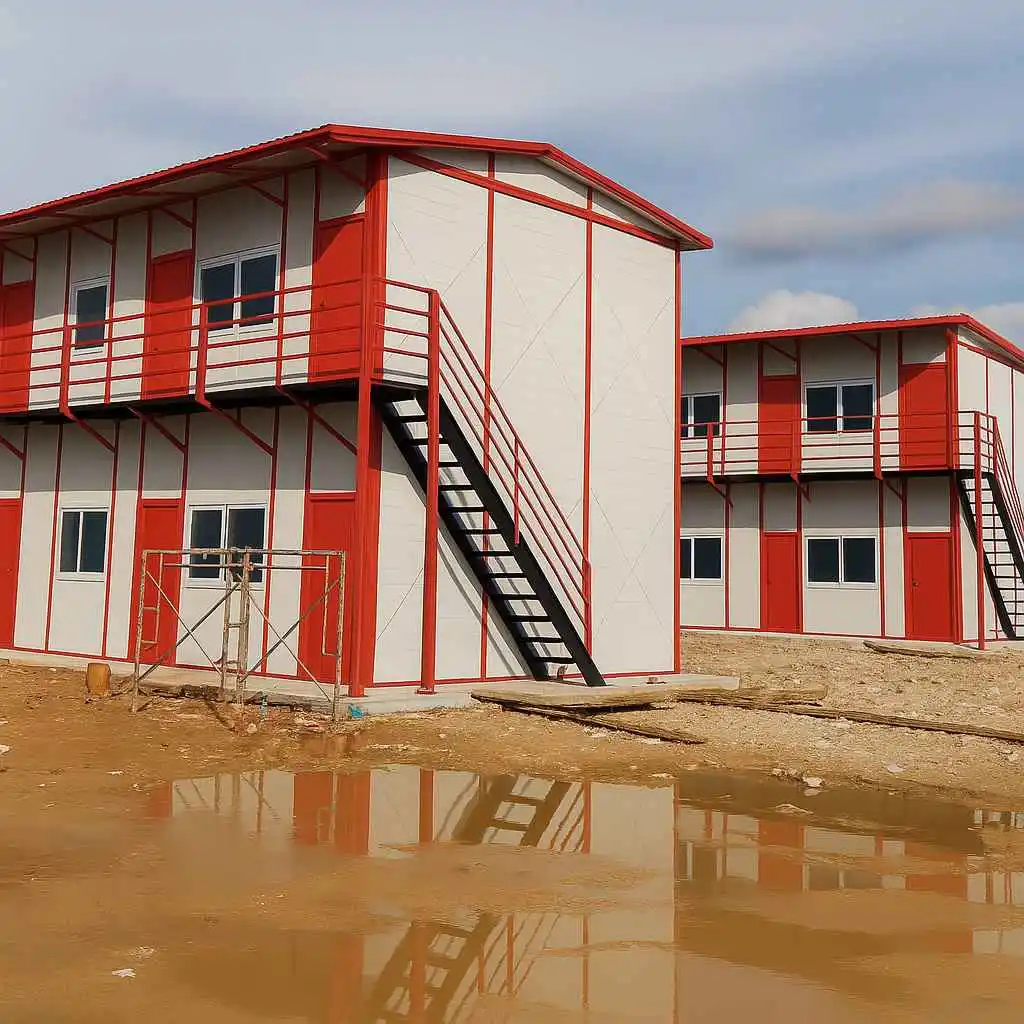
Energy-efficient prefab hutments designed for sustainable worker housing, reducing costs and ensuring long-term comfort.
Dormitory Blocks for Large Teams
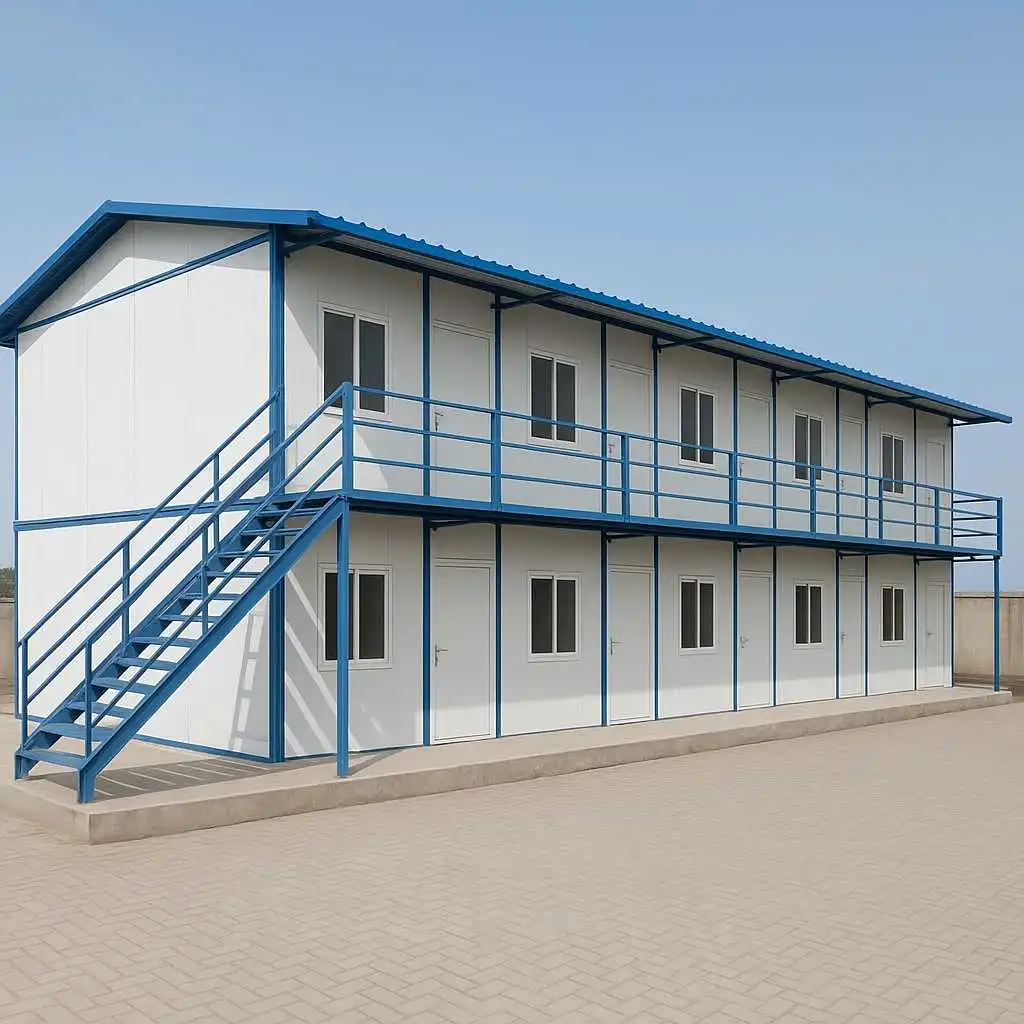
Dormitory-style colonies use long prefab halls divided into multiple rooms. Each room accommodates several workers, usually with bunk beds. This design is simple, cost-effective, and quick to assemble. It is often used in mega projects where thousands of workers need housing within a short time frame.
Benefits of dormitory blocks:
Ideal for large workforces
Fast and economical to set up
Easy to maintain under one roof
Suitable for temporary, high-density projects
Cluster Cabin Layouts for Community Living
Cluster layouts group smaller cabins around a central space such as a courtyard, canteen, or recreation area. This design fosters a sense of community and allows easy access to shared facilities. Clusters also reduce noise and give workers more privacy compared to dormitory halls.
Key features of cluster layouts:
Smaller cabins, usually 4–6 beds each
Central shared kitchens or toilets
Flexible design, easy to expand
Better suited for medium-sized teams
Pod-Style Units for Privacy & Premium Needs
Pod-style units are self-contained modules with attached toilets and small kitchens. These are more comfortable and are often used for supervisors, engineers, or projects requiring long-term accommodation. Though costlier, pods provide more independence and higher living standards, which improves retention and worker satisfaction.
Advantages of pod-style units:
Private space with attached facilities
Suitable for families or senior staff
Long-term comfort for extended projects
Can be reused as permanent housing later
Essential Facilities & Amenities Every Labor Colony Must Have
A labor colony is successful only when it provides proper facilities for workers. Beyond shelter, it must deliver sanitation, meals, healthcare, and recreation. When these amenities are available, the labor colony becomes a safe and productive environment. Companies that invest in quality facilities see higher morale, stronger retention, and better performance.
Sanitation & Hygiene Standards in a Labor Colony
Clean toilets, bathing areas, and hand-wash stations are non-negotiable in every labor colony. Workers depend on these for health, comfort, and dignity. Without proper sanitation, disease spreads quickly, morale drops, and absenteeism rises. A well-designed labor colony ensures reliable water supply, drainage, and routine cleaning to maintain hygienic conditions daily.
Checklist for sanitation in a labor colony:
One toilet for every 10–15 workers
Separate blocks for men and women
Continuous water supply and drainage
Daily cleaning and proper waste disposal
Kitchen, Dining & Nutritious Meals in Labor Colonies
Food plays a huge role in worker satisfaction. A labor colony must include a safe kitchen and a clean dining hall. These spaces give workers nutritious meals, drinking water, and a place to recharge. With proper planning, a labor colony kitchen improves morale, keeps workers healthier, and reduces fatigue on site.
Key dining facilities in a labor colony:
Safe, ventilated kitchen with LPG or electric stoves
Dining hall with tables and benches
Nutritious daily meals for all workers
Filtered drinking water stations
Healthcare, Safety & Recreation in a Labor Colony
Every labor colony must also focus on healthcare and safety. A first-aid room, security staff, and emergency access save lives when needed. Recreation areas like TV rooms or sports zones make the labor colony feel more like a community. This balance of care and leisure ensures workers stay loyal and productive.
Essential welfare in a labor colony:
First-aid kits and medical tie-ups
Fire extinguishers and clear exit paths
Security staff and gated entry
Recreation spaces: TV, games, or sports areas
Cost & Pricing of Labor Colonies in India
The cost of building a labor colony depends on its design, size, and features. Developers must consider both the base construction and long-term operating expenses. Prefabricated models are generally faster and cheaper, while traditional builds are more permanent. This section explains how to plan costs for a labor colony in India.
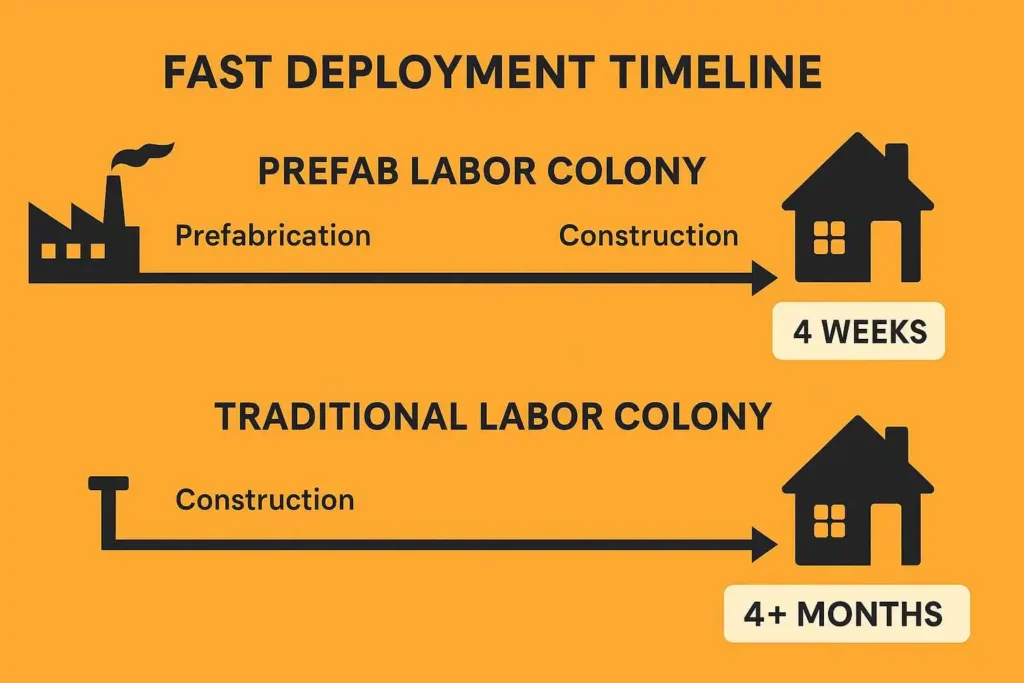
Visual timeline comparing prefab labour colony delivery in 4 weeks versus 4+ months for traditional methods across Indian job sites.
Base Cost per Sq. Ft or per Worker
A prefabricated labor colony usually costs between ₹1,200 and ₹1,800 per square foot, depending on specifications. On a per-worker basis, a standard dormitory setup can range from ₹35,000 to ₹50,000 per bed. These costs cover structures, basic interiors, electrical wiring, and installation, making prefab a practical choice for large projects.
Key factors in base pricing:
Prefab: ₹1,200–₹1,800 per sq. ft
Per worker: ₹35,000–₹50,000 per bed
Includes structure, wiring, and setup
Faster to install compared to brick housing
Add-On Features & Amenities Pricing
The final cost of a labor colony rises with additional facilities. Dining halls, toilets, healthcare cabins, or air conditioning all add value but increase expenses. Developers often spend an extra 15–25% on these amenities. While optional, these upgrades improve worker morale, health, and retention, making them worth the investment.
Typical add-on costs:
Kitchen & dining hall: ₹2–₹5 lakhs
Toilet and shower blocks: ₹1–₹3 lakhs
Furniture (beds, lockers): ₹5,000–₹10,000 per worker
HVAC systems or AC: ₹1,000+ per sq. ft
H3. Lifecycle Savings & ROI
Prefabricated labor colonies provide strong ROI because they can be dismantled, relocated, or resold. Maintenance is also cheaper due to durable insulated panels. Traditional structures are permanent and costlier to maintain. Over 5–10 years, prefab housing saves 15–20% of costs while offering flexibility for multiple projects.
Long-term savings with prefab labor colonies:
Lower maintenance over years
Reusable for future projects
Resale value up to 30–50%
Faster project completion equals higher profits
Prefab vs Traditional Labor Colony (Costs & ROI)
| Aspect | Prefabricated Labor Colony | Traditional Labor Colony |
|---|---|---|
| Build Time | 3–6 weeks | 4–6 months |
| Cost per sq. ft | ₹1,200 – ₹1,800 | ₹2,000 – ₹2,800 |
| Cost per worker (per bed) | ₹35,000 – ₹50,000 | ₹55,000 – ₹75,000 |
| Maintenance | Low (insulated panels, steel) | Higher (cracks, dampness) |
| Flexibility | Relocatable & reusable | Permanent, non-movable |
| Resale Value | 30–50% after use | Almost zero |
| ROI Over 5 Years | High, due to reuse & time saved | Moderate, no reuse |
Deployment Timeline: Prefab vs Traditional Labor Colony
Time is one of the most important factors when setting up a labor colony. Prefabricated models can be ready in weeks, while traditional structures may take months. Faster deployment means quicker project starts, better worker availability, and reduced overall costs. This section compares timelines and shows why prefab saves time and money.
Prefab Timeline: Ready in Just 4 Weeks
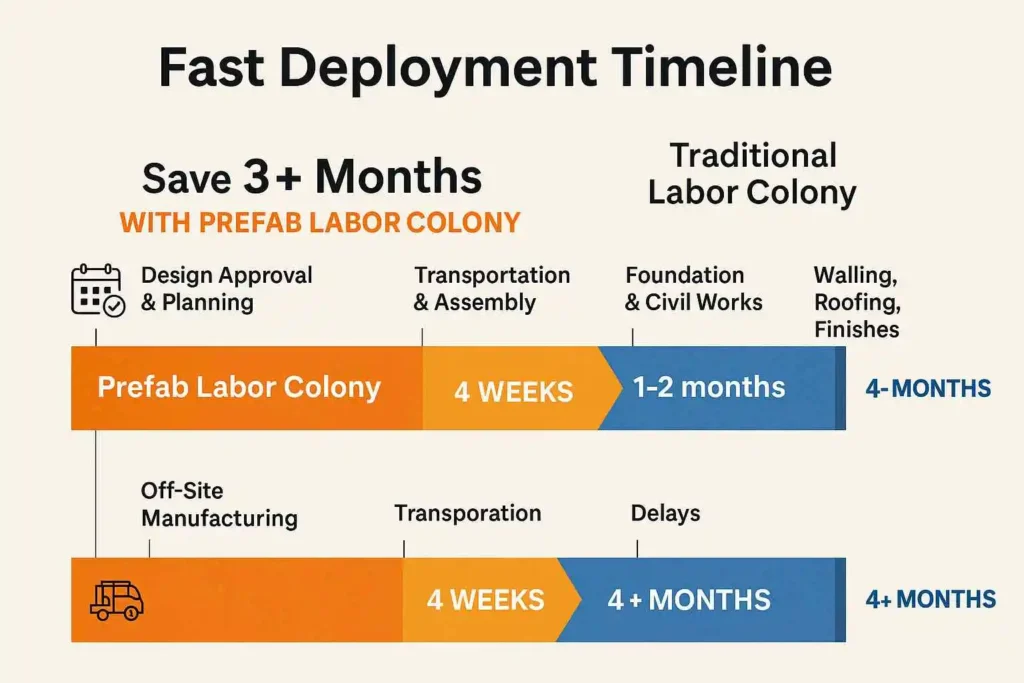
Infographic showing how prefab labour colonies in India cut setup time compared to traditional site construction.
A prefabricated labor colony can be completed in as little as 3–4 weeks. Components are manufactured off-site, delivered, and assembled quickly. This allows workers to move in almost immediately, helping projects begin faster. Quick deployment is one of the strongest reasons developers choose prefab housing for large projects.
Key steps in prefab timeline:
1 week: design approval and planning
1–2 weeks: off-site manufacturing
1 week: transportation and assembly
Total: 3–4 weeks for completion
Traditional Build Timeline: 4+ Months
A traditional labor colony built with brick and mortar takes much longer. Site preparation, construction, curing, and finishing extend the timeline to four months or more. Delays due to weather or material shortages add to the problem. This longer process can hold back projects and increase costs significantly.
Challenges with traditional builds:
1–2 months: foundation and civil works
2 months: walling, roofing, finishes
Extra delays from weather or materials
Total: 4–6 months or more
Why Relocation & Speed Make Prefab Cost-Effective
Apart from speed, a prefabricated labor colony offers flexibility. Once a project ends, the colony can be dismantled and shifted to the next site. This relocatable design ensures long-term savings, making prefab both cost-effective and practical for companies handling multiple projects across India.
Advantages of prefab over traditional:
Quick worker accommodation on-site
Relocation to new projects
Lower downtime between contracts
Higher return on investment
Legal Standards & Compliance Requirements
Every labor colony in India must follow legal and safety guidelines. These rules ensure workers live in healthy, secure conditions. Compliance is not only about avoiding penalties—it also improves project reputation. This section covers Indian labor laws, global standards, and a practical checklist that helps developers meet all essential requirements.
Indian Laws: BOCW, NBC & State Rules
In India, the Building and Other Construction Workers Act (BOCW) makes it mandatory to provide clean water, toilets, first-aid, and crèche facilities. The National Building Code (NBC) gives guidance on fire safety and sanitation. Many states also have local rules for worker housing. A labor colony must meet these requirements to stay compliant.
Key compliance points under Indian laws:
BOCW Act requires sanitation, water, and welfare facilities
NBC rules cover fire exits, ventilation, and hygiene
State-specific labor housing guidelines may apply
Non-compliance can lead to penalties or project delays
The Government of India is also pushing for safer worker housing under the NITI Aayog S.A.F.E. worker housing report (Site-Adjacent Factory Employee accommodation), which sets a national framework for affordable and secure dormitory-style housing for industrial and construction workers.
Global Standards: OSHA, IFC, ILO Guidelines
Global organizations also provide useful benchmarks. The Occupational Safety and Health Administration (OSHA) outlines minimum space per worker and sanitation ratios. The International Finance Corporation (IFC) and International Labour Organization (ILO) recommend safe, dignified living conditions. While not mandatory in India, many global contractors follow these standards for better worker care.
Highlights from global worker housing standards:
Minimum 50 sq. ft. sleeping space per worker (OSHA)
Proper ventilation and daylight access in rooms
Adequate toilets and showers for all residents
On-site medical facilities or tie-ups recommended
For global benchmarks, the IFC/EBRD workers’ accommodation guidelines provide detailed processes and standards for planning, building, and managing labor colonies that ensure worker safety, dignity, and compliance.
Quick Compliance Checklist for Buyers
A compliance checklist helps buyers ensure their labor colony meets all laws and standards. It covers sanitation, safety, housing space, and healthcare facilities. By following this checklist, developers can avoid legal issues, keep workers satisfied, and maintain a strong project reputation.
Compliance Checklist for Labor Colonies
| Requirement | Indian Standards (BOCW/NBC) | Global Guidelines (OSHA/IFC/ILO) |
|---|---|---|
| Sleeping Space | Adequate space per worker | 50 sq. ft. per worker minimum |
| Toilets & Showers | 1 per 10–15 workers | 1 per 10 workers, gender-separated |
| Drinking Water | Clean water supply mandatory | Filtered and easily accessible |
| Fire Safety | Exits, extinguishers required | Emergency exits and alarms mandatory |
| Healthcare | First-aid + clinic tie-ups | On-site clinic or emergency vehicle |
| Recreation & Welfare | Crèche, common room encouraged | Social and recreation facilities advised |
Labor colonies are no longer limited to basic housing. New technologies and sustainable practices are transforming them into smarter, greener, and more worker-friendly spaces. Developers who adopt these innovations will save money, improve compliance, and attract better contracts. This section highlights the key future trends shaping labor colonies in India.
Smart Colonies with IoT & Automation
Smart labor colonies use digital tools to improve safety and efficiency. Sensors track water levels, electricity usage, and air quality. CCTV cameras and biometric systems enhance security. Automated reporting helps managers spot problems early and respond quickly. This technology ensures a labor colony runs smoothly with less manual oversight.
Examples of smart features:
IoT sensors for water, power, and air quality
Biometric access for worker attendance
CCTV monitoring for security
Digital dashboards for camp management
Green & Sustainable Worker Housing
Sustainability is becoming a priority in every industry. A labor colony built with eco-friendly materials reduces environmental impact. Solar panels lower electricity costs, rainwater harvesting saves water, and insulated panels improve energy efficiency. These steps not only save money but also boost a company’s reputation for corporate responsibility.
Eco-friendly practices in labor colonies:
Solar panels for lighting and heating
Rainwater harvesting systems
Insulated prefab panels for energy savings
Waste segregation and composting units
Recent World Bank case studies on worker housing highlight how eco-friendly labor colonies improve long-term sustainability and social acceptance.
Circular Economy: Reuse & Recycling Units
Future-ready labor colonies are designed for reuse. Prefab and container structures can be dismantled, moved, or resold after a project ends. This circular approach reduces waste and increases ROI. Instead of scrapping materials, companies recycle or repurpose them, making labor colonies more cost-effective and environmentally friendly.
Circular economy benefits for labor colonies:
Relocation to new projects
Resale value of prefab modules
Reduced construction waste
Long-term savings with reuse
Choosing the Right Partner: Why Saman Portable Leads
Building a labor colony is a big investment, and success depends on choosing the right supplier. The ideal partner provides quality, speed, and long-term support. In India, Saman Portable has become a trusted name for prefabricated and container-based labor colonies, helping developers deliver projects on time and within budget.
Supplier Evaluation Checklist
Before selecting a supplier for your labor colony, check their experience, factory capacity, and customer reviews. A good supplier provides transparent pricing, certified materials, and strong after-sales support. By following a checklist, buyers can avoid delays and hidden costs while ensuring their labor colony meets all safety and legal standards.
Key points to check in a supplier:
Experience with large-scale labor colonies
Quality certifications and durable materials
Ability to deliver quickly across India
Transparent pricing and maintenance support
Saman Portable’s Expertise in Prefab Housing
Saman Portable specializes in prefabricated labor colonies, container housing, and portable cabins. Their solutions are durable, relocatable, and tailored to client needs. From planning to installation, they ensure every labor colony is built with worker comfort and employer efficiency in mind. Many leading contractors trust Saman Portable for quick deployment.
Why Saman Portable stands out:
Expertise in prefab and container solutions
Fast delivery and on-site installation
Flexible layouts for any project size
Proven track record with satisfied clients
How to Get a Free Layout & Quote Today (CTA)
Getting started is simple. Saman Portable offers free consultations, helping buyers design the right labor colony for their project. Whether you need a small dorm or a large hybrid setup, their team provides layouts, pricing, and timelines in advance. Contact them today to start building a safe and cost-effective labor colony.
Frequently Asked Questions (FAQs) About Labor Colony
Q1. What is a labor colony in India?
A labor colony is a planned housing facility for workers, usually near construction or industrial sites. Unlike temporary huts, a labor colony provides safe dorms, kitchens, toilets, and recreation areas. It improves worker health and morale while helping employers save time, reduce absenteeism, and keep projects on schedule.
Q2. Why are prefabricated labor colonies better than traditional ones?
A prefabricated labor colony is faster to build, cheaper to maintain, and relocatable. Traditional colonies may take months, while prefab is ready in weeks. Prefab units also use insulated panels that make living more comfortable. Over time, they save money and provide better flexibility for companies handling multiple projects.
Q3. How much does a labor colony cost in India?
The cost of a labor colony depends on size, design, and features. Prefabricated colonies generally cost ₹1,200–₹1,800 per sq. ft or ₹35,000–₹50,000 per worker. Add-ons like kitchens, toilets, or air conditioning may increase costs. Prefab models provide better ROI because they can be relocated, reused, or even resold.
Q4. What facilities should every labor colony include?
A labor colony must include clean toilets, bathing areas, kitchens, and safe drinking water. Healthcare support, first-aid kits, and security are essential. Recreation spaces like TV rooms or sports areas help workers relax. With these facilities, a labor colony improves morale, reduces turnover, and makes daily life easier for workers.
Q5. Are container labor colonies safe and comfortable?
Yes. A container labor colony is made from strong steel shipping containers that are refurbished with insulation, windows, and ventilation. They are durable, secure, and weather-resistant. With proper design, container colonies can include toilets, kitchens, or offices, offering comfort and safety while being relocatable between different project sites.
Q6. Do Indian laws require employers to provide a labor colony?
Yes. Under the Building and Other Construction Workers (BOCW) Act, developers must provide basic facilities like sanitation, water, first aid, and crèche facilities. A labor colony is the most effective way to meet these legal requirements. Compliance not only avoids penalties but also improves a company’s reputation and worker retention.
Q7. Can a labor colony be reused for multiple projects?
Absolutely. A prefabricated labor colony can be dismantled, transported, and reassembled at new sites. Many developers reuse the same colony for years, saving 30–50% of costs through relocation. This flexibility makes prefab labor colonies a long-term investment, unlike traditional housing which cannot be moved or resold.
Q8. How fast can a labor colony be built?
A prefabricated labor colony can be ready in just 3–4 weeks, while a traditional brick colony takes 4–6 months or more. Prefab units are factory-made, delivered, and quickly assembled on-site. This fast deployment helps projects start sooner, reduces downtime, and ensures workers have safe housing without long delays.
Conclusion: Building the Right Labor Colony for Success
A labor colony is more than temporary housing—it is a foundation for worker welfare and project success. By choosing prefabricated or container-based solutions, developers save time, cut costs, and improve productivity. With proper planning, modern designs, and compliance with Indian laws, a labor colony becomes a strategic asset, not just an expense.
For real estate and infrastructure companies, the future is clear: projects run smoother when workers are housed well. Investing in a labor colony improves safety, morale, and retention while meeting legal requirements. Companies that partner with trusted experts like Saman Portable can ensure quick, cost-effective, and high-quality housing solutions for their workforce.
👉 The next step is yours—Contact Saman Portable today to design a labor colony that delivers comfort for workers and maximum ROI for your project.
Shipping and Delivery Information
At SAMAN Portable Office Solutions, we are committed to ensuring a seamless shipping experience for our customers. Our shipping and delivery policy has been crafted to provide you with clear details and expectations when you place an order for our portable cabins or container offices.
Delivery Timeline
Once your order is confirmed, we will process and dispatch your product within 15 to 21 working days. This timeline is calculated from the date we receive your order and ensures that your product is fabricated, inspected, and packed securely for transportation. We strive to adhere strictly to this delivery window, guaranteeing that your order reaches you in a timely manner.
Shipping Costs
Our shipping charges are structured based on the size and type of the trailer used for delivery. Below are the detailed rates:
- For a 40 Feet Open Trailer: The cost is ₹80 per kilometer, excluding Over Dimensional Cargo (ODC) and Regional Transport Office (RTO) charges.
- For a 20 Feet Open Trailer: The cost is ₹60 per kilometer, also excluding ODC and RTO fees.
Note: ODC and RTO charges may vary depending on your location and state regulations. We ensure transparency in our billing and will provide you with an accurate estimate before shipment.
Within Bangalore Shipping Rates
For customers within the Bangalore region, we offer competitive fixed shipping rates for hassle-free delivery:
- 40 Feet Open Trailer: ₹15,000
- 20 Feet Open Trailer: ₹10,000
These rates are designed to be cost-effective while ensuring your product reaches its destination safely and securely. We work with reliable transport partners to provide efficient and on-time delivery services within Bangalore.
At SAMAN Portable Office Solutions, customer satisfaction is our priority. For any queries related to shipping or delivery, please feel free to contact our customer support team. We are here to assist you every step of the way.

Reviews
Clear filtersThere are no reviews yet.