














Cheap Portable Cabins in India: An Honest Buyer-Safety Guide

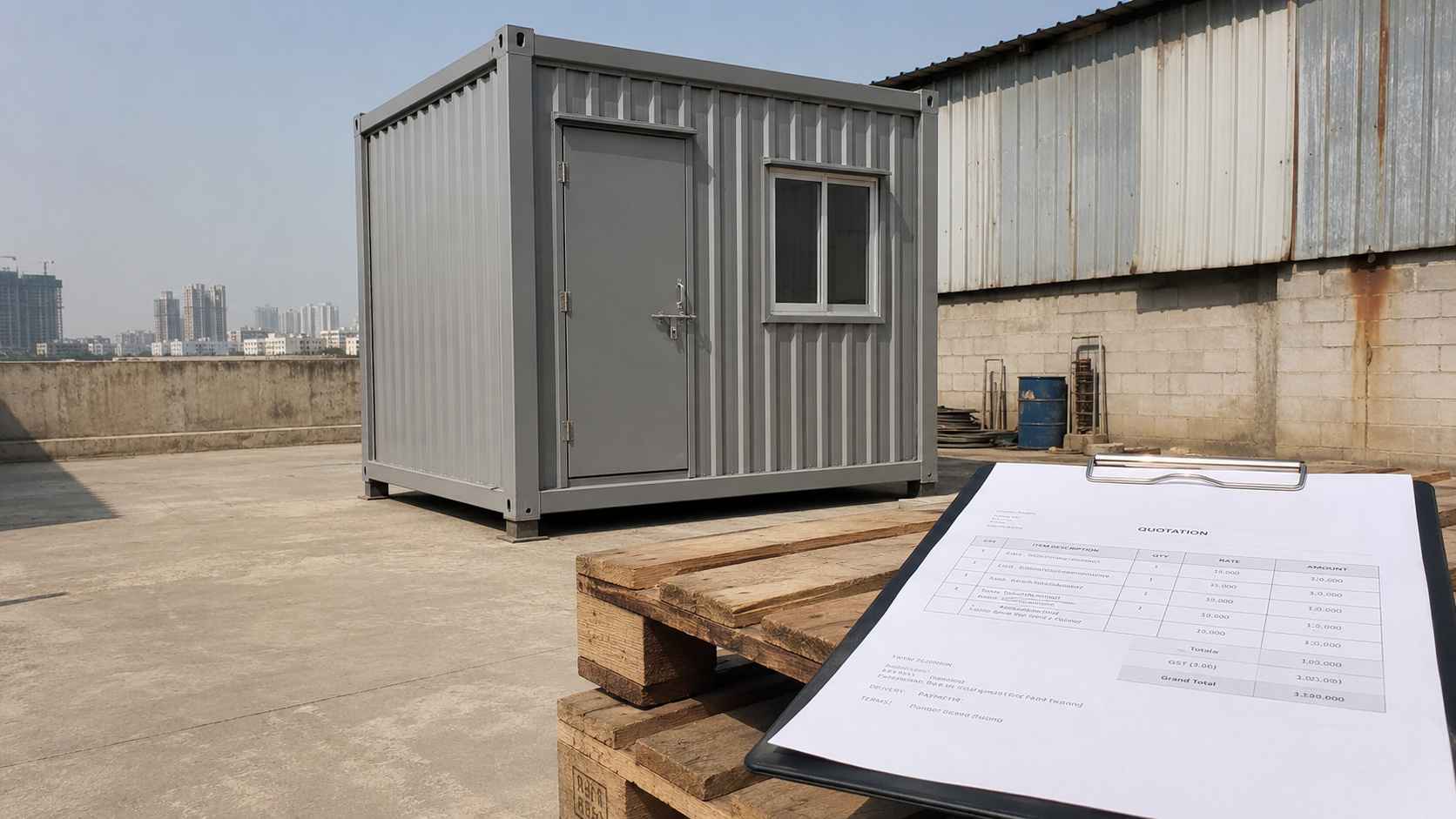
If you’re searching for cheap portable cabins, you’re already aware that prices in India swing from ₹45,000 to ₹5,00,000+ for what looks like the same product — and that makes the buying decision harder, not easier. This guide is written by a portable cabin manufacturer, not a content marketer. It tells you where “cheap” is honest engineering and where “cheap” hides spec compromises that will fail in 18 months. If you are buying your first portable cabin on a tight MSME budget, read every section before you sign a quote.
What does “cheap” actually mean for a portable cabin in India?
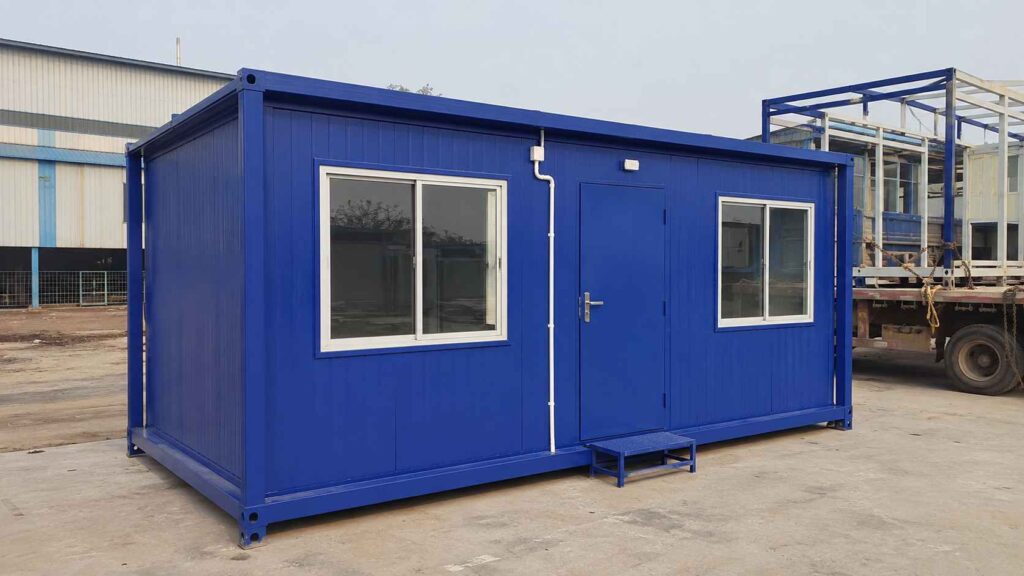
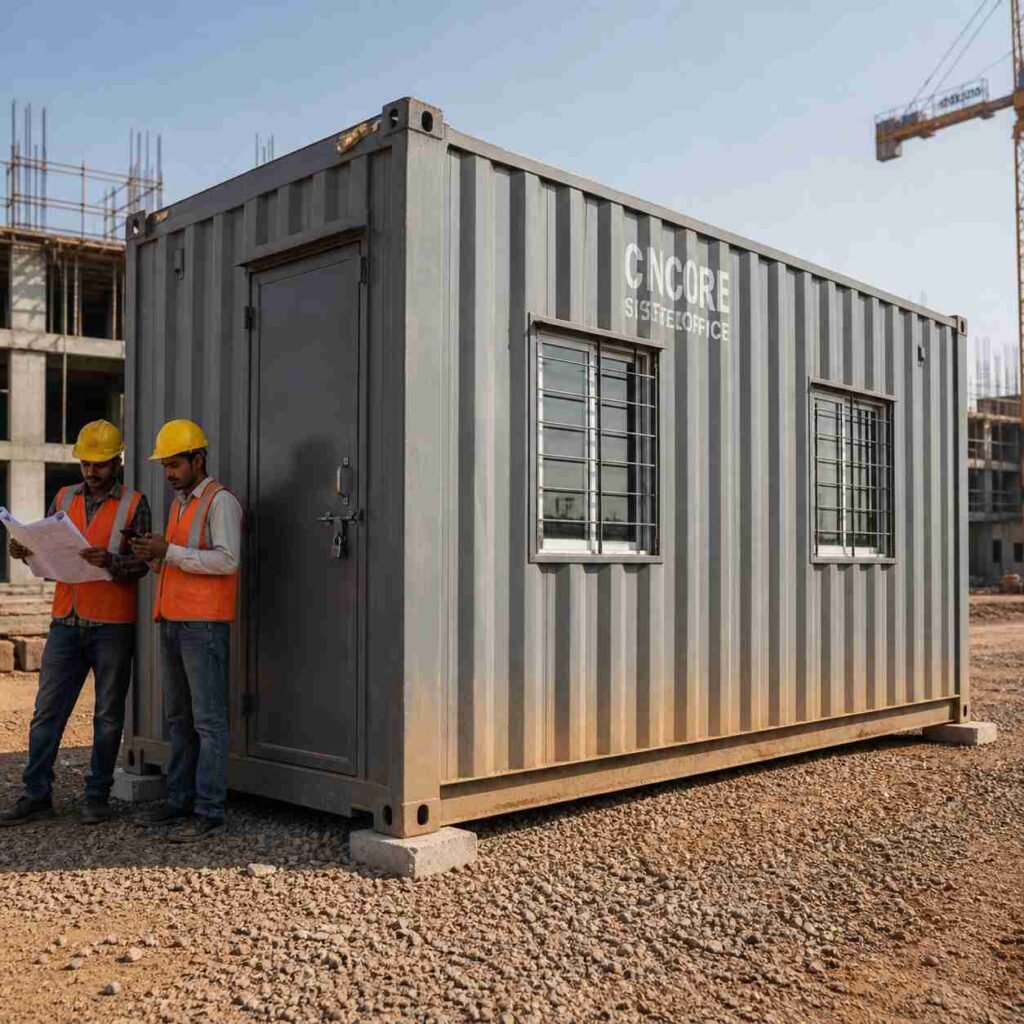
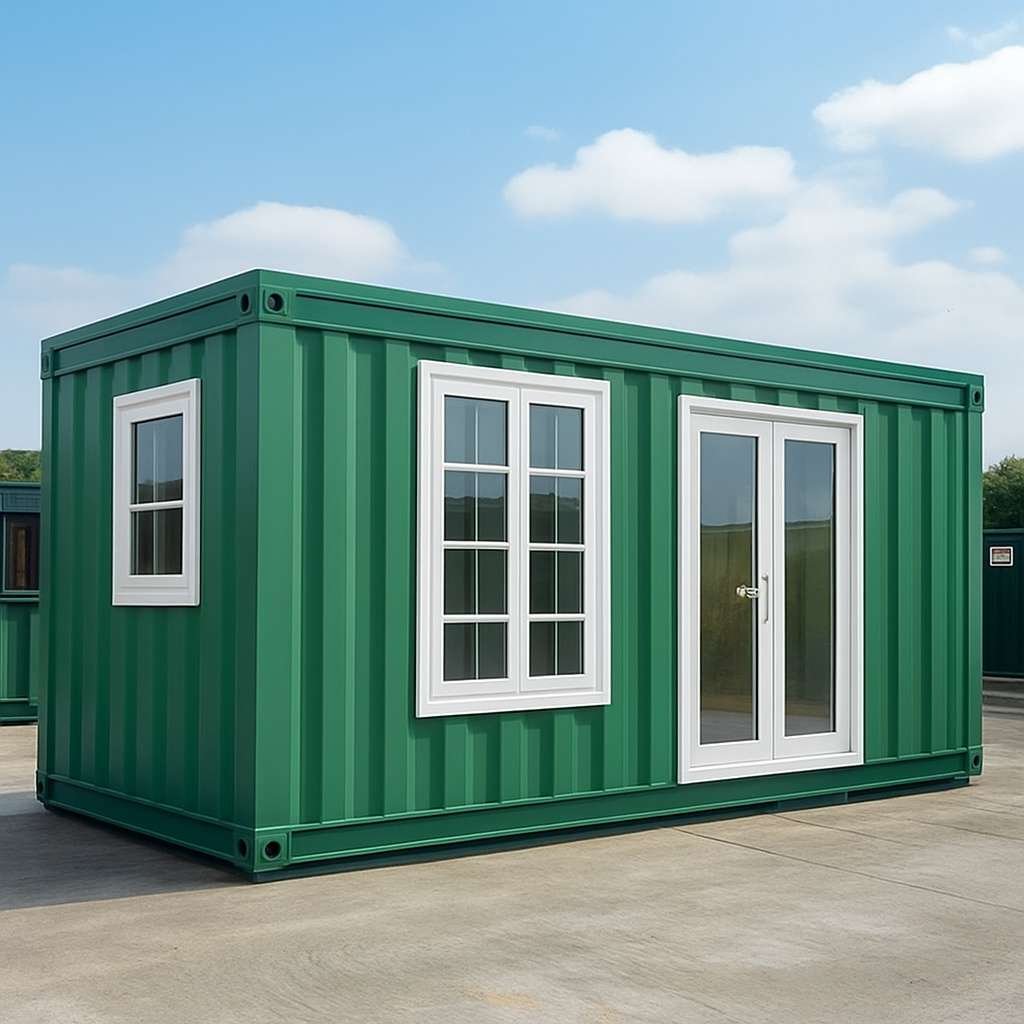
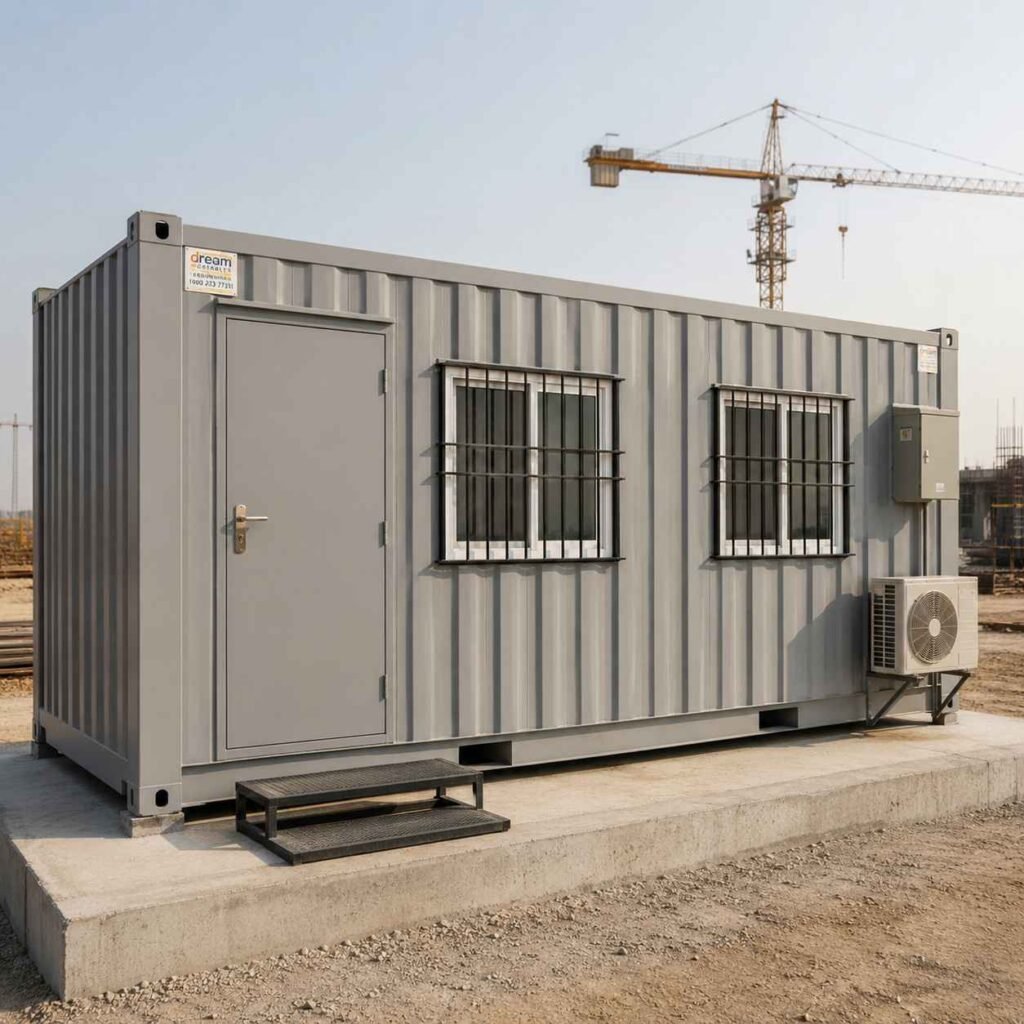
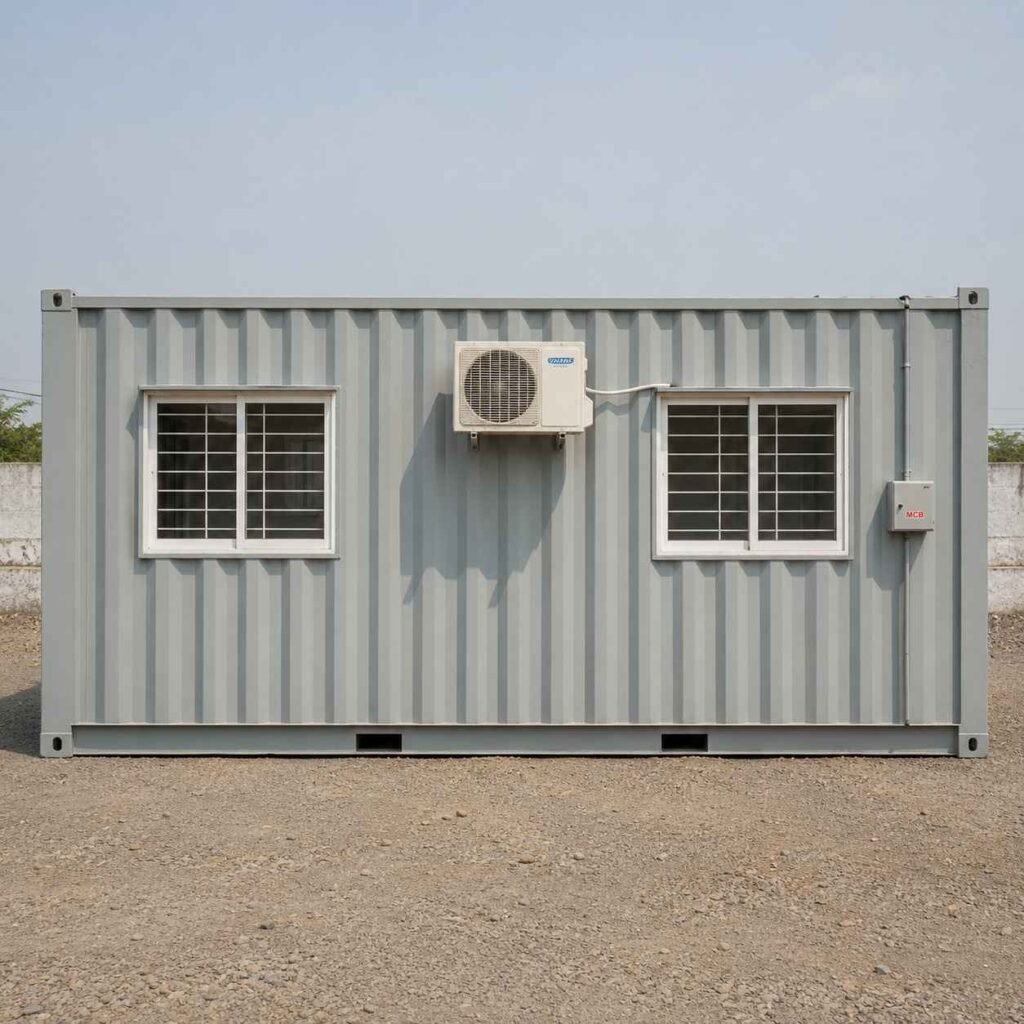
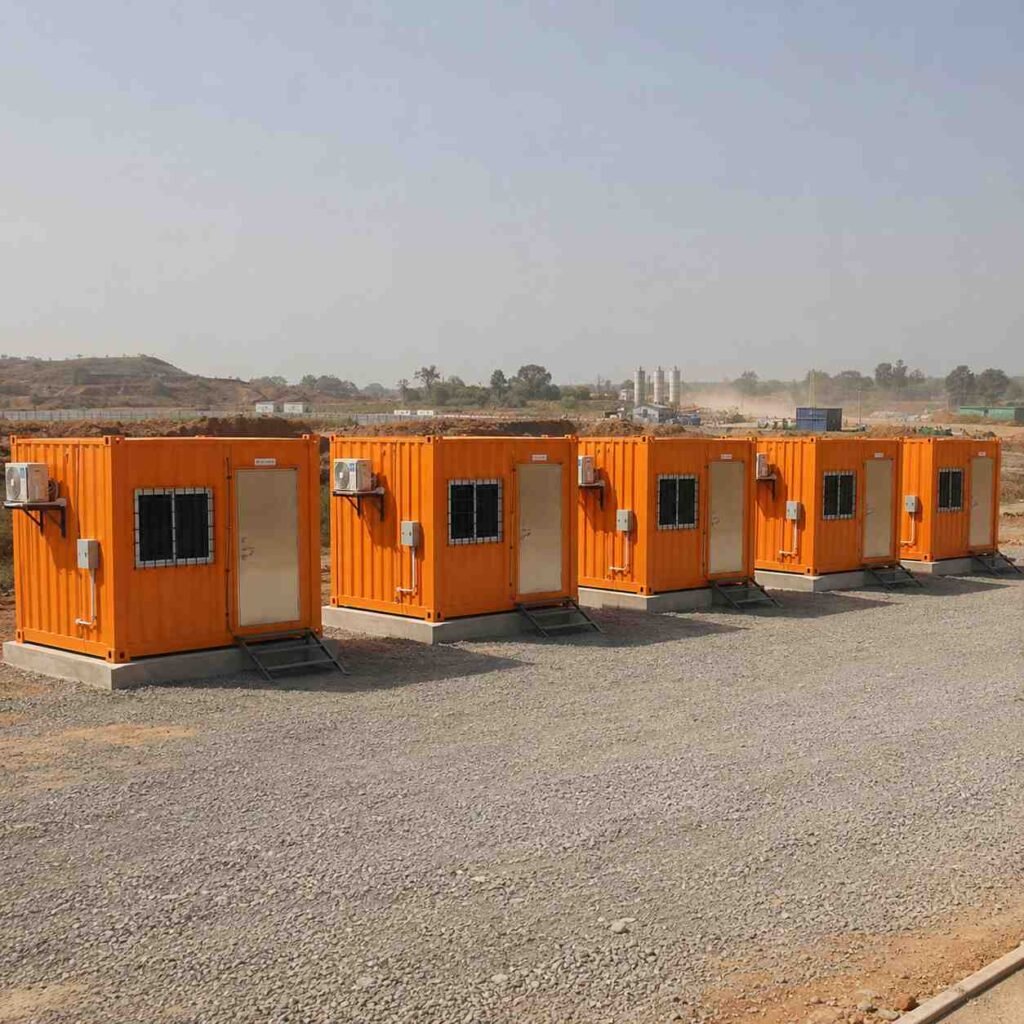
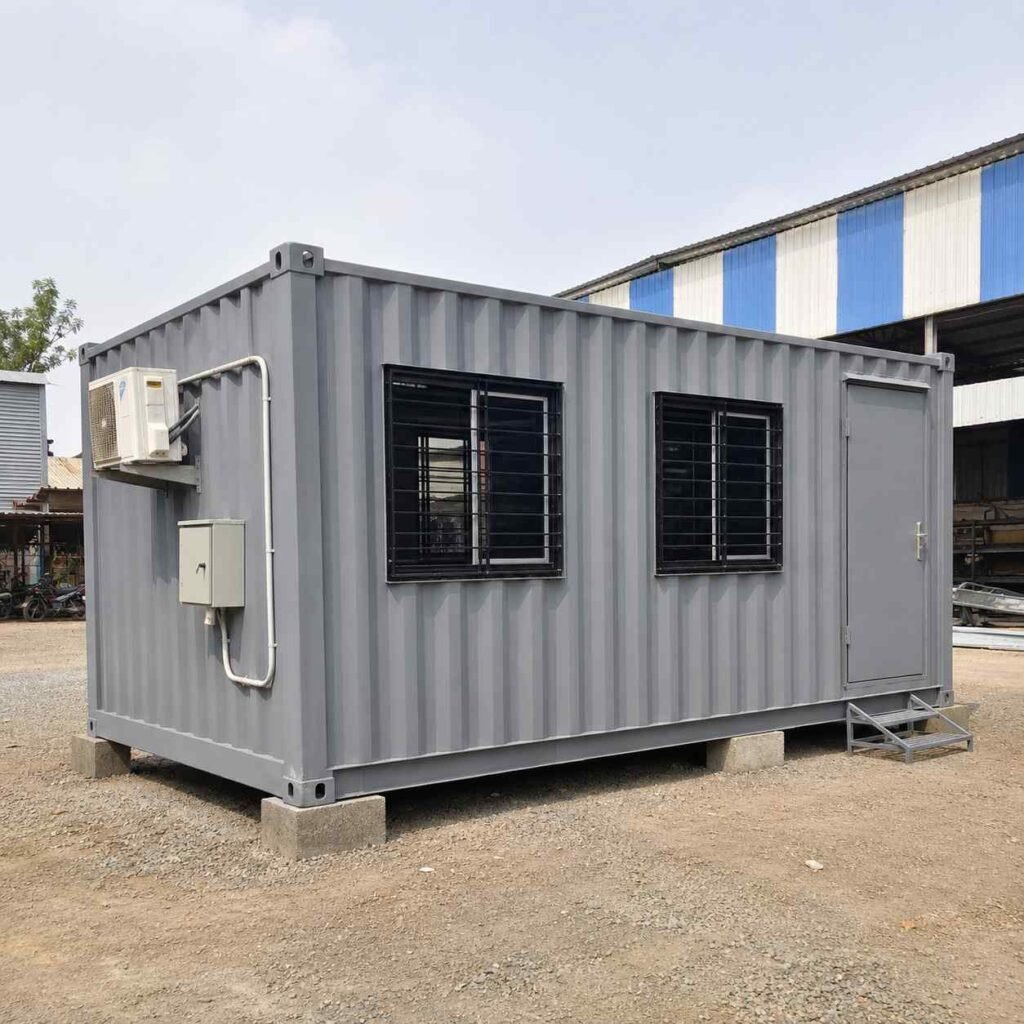
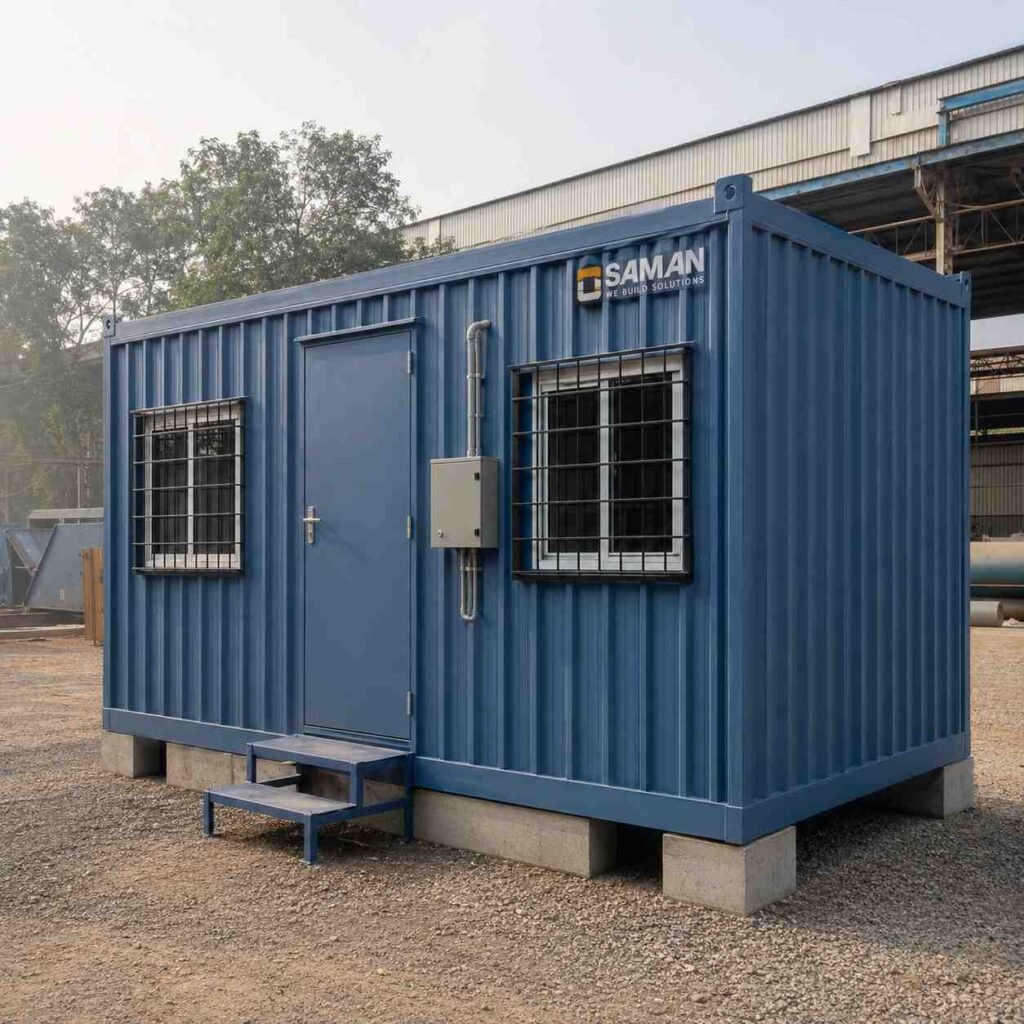
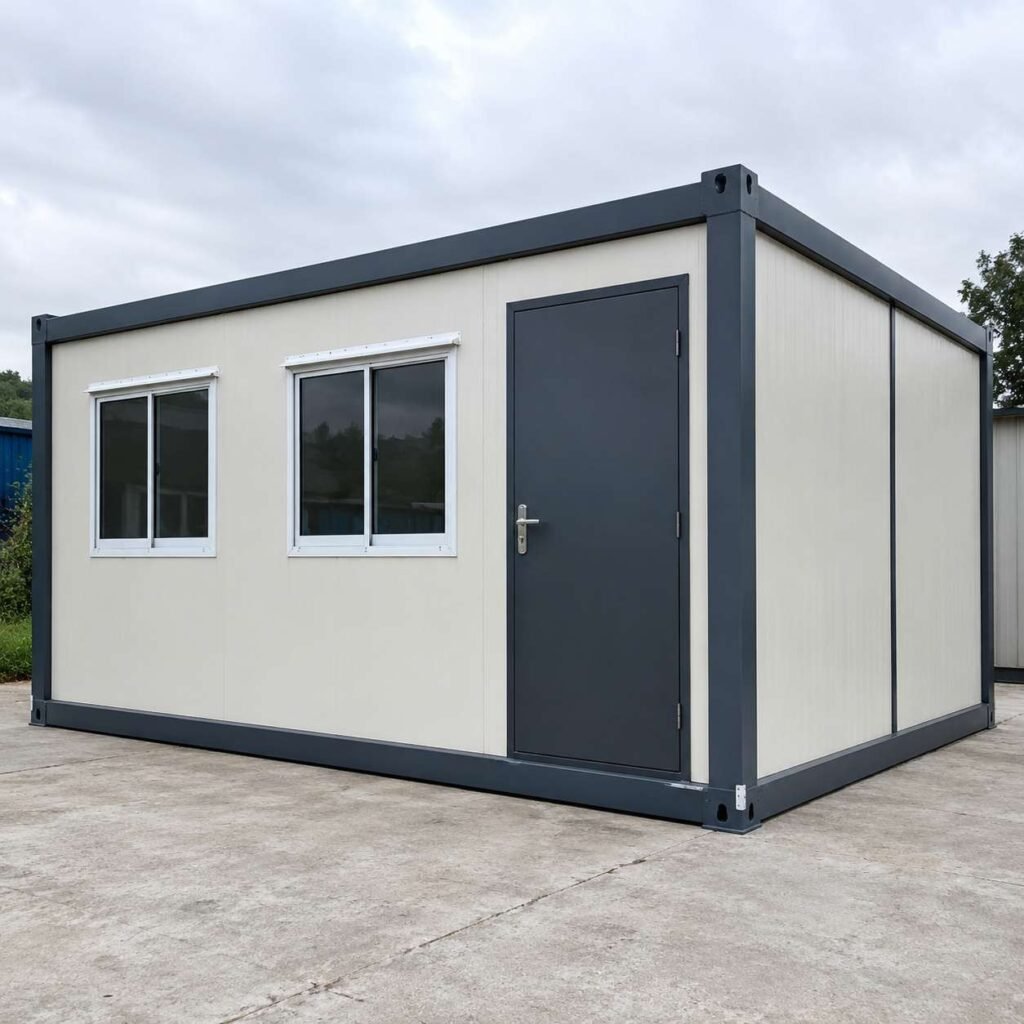
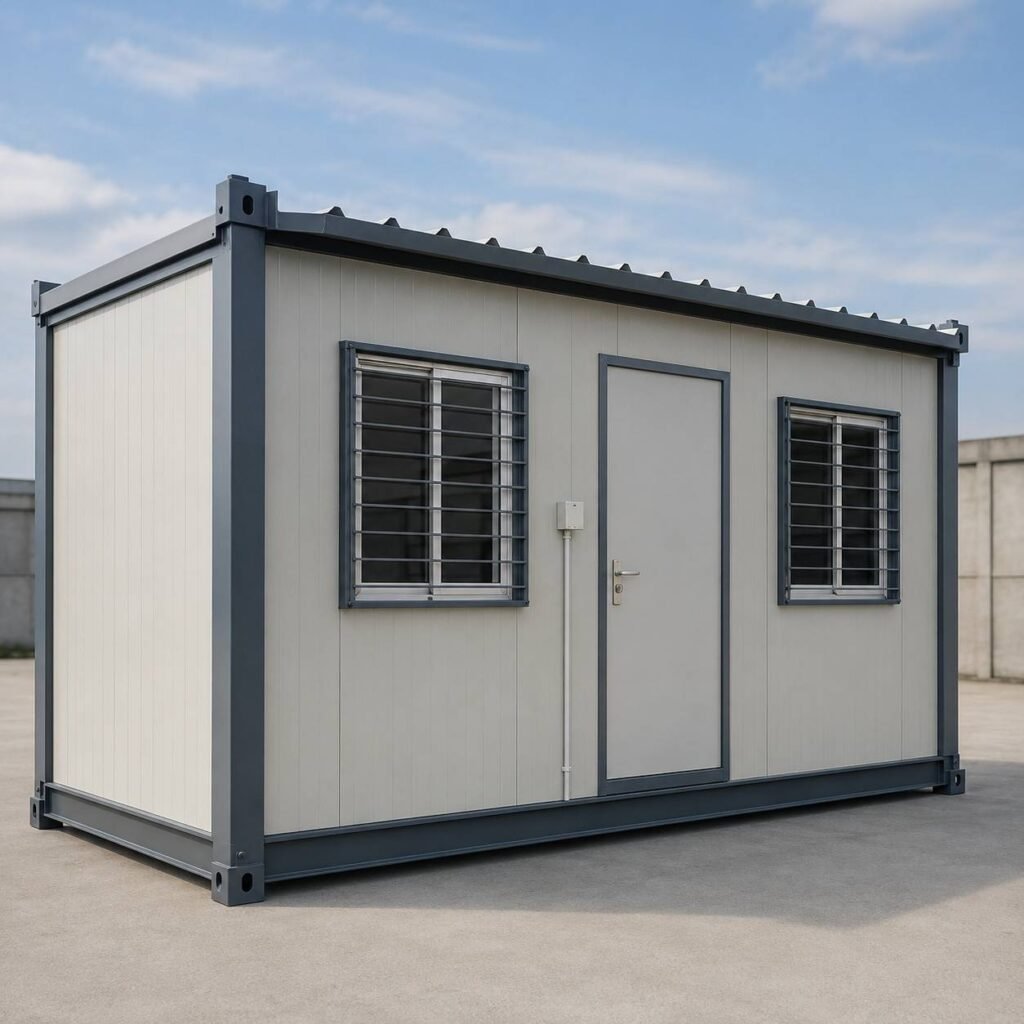
For a new, factory-built portable cabin sold honestly in India, “cheap” means roughly ₹65,000 to ₹1,50,000 for a small unit (8×8 ft to 10×10 ft) with MS frame, EPS or PUF panels, single door, one window, basic electricals. Anything advertised below ₹50,000 for that footprint is missing the floor, ceiling, or electricals.
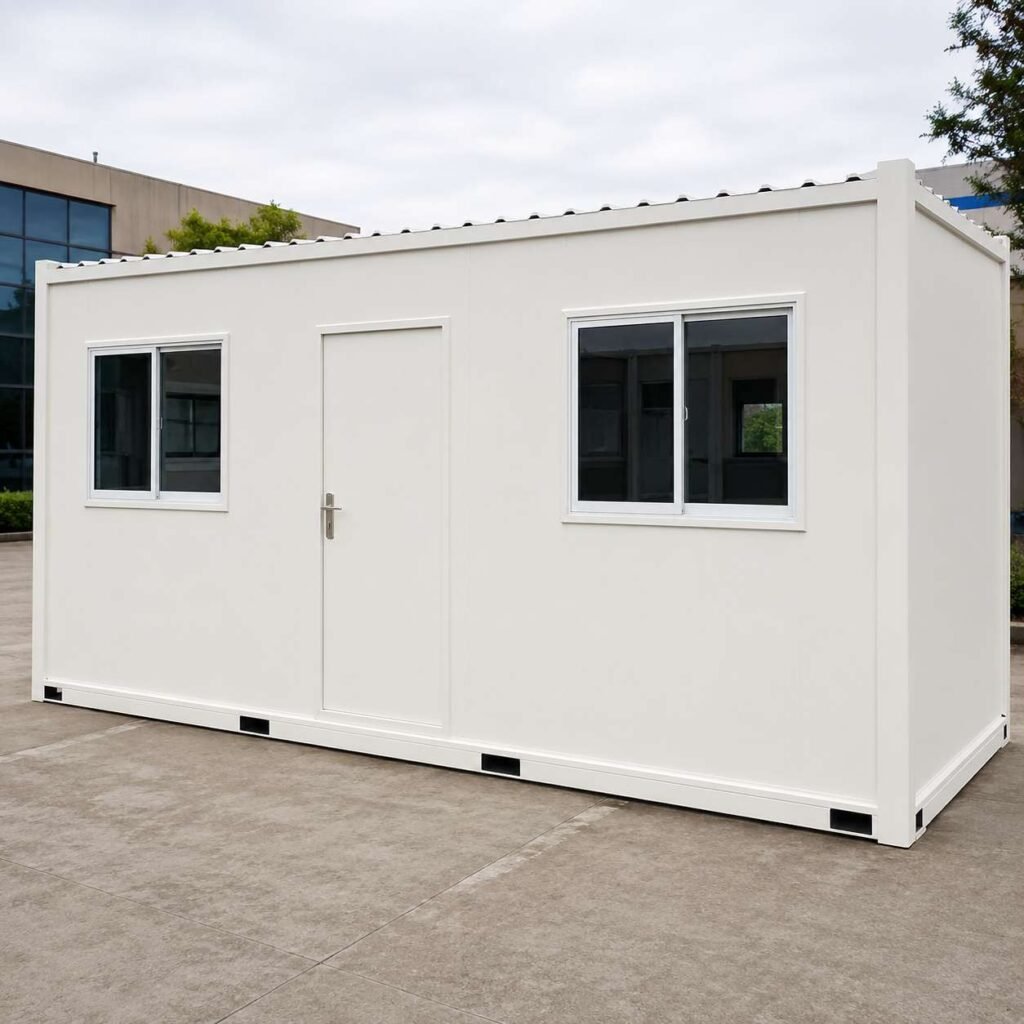
The price band changes with size. A 20×8 ft cabin lands honestly around ₹1,80,000–₹2,80,000 depending on insulation, panel type, and finish. Below those floors, somebody is cutting something — your job before signing is to know exactly what.
The honest price floor — and what gets cut to reach it
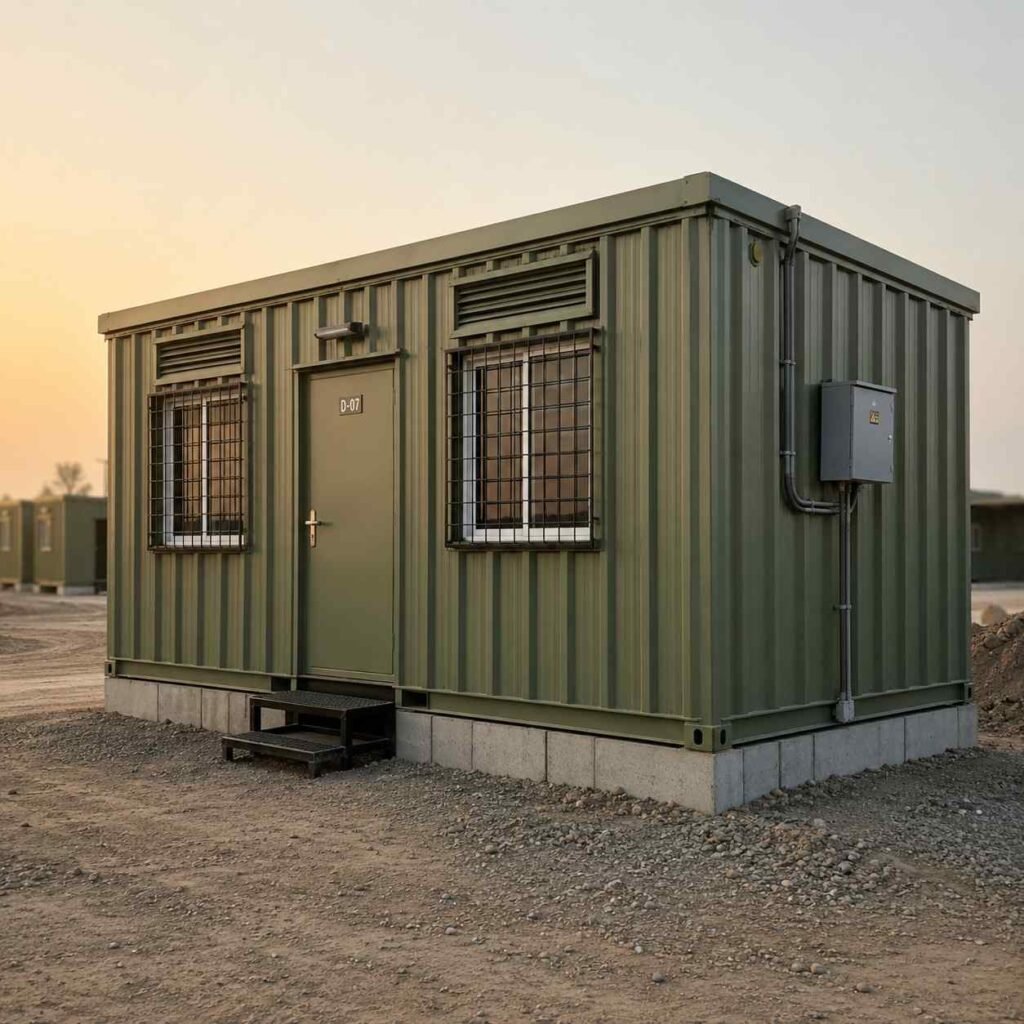
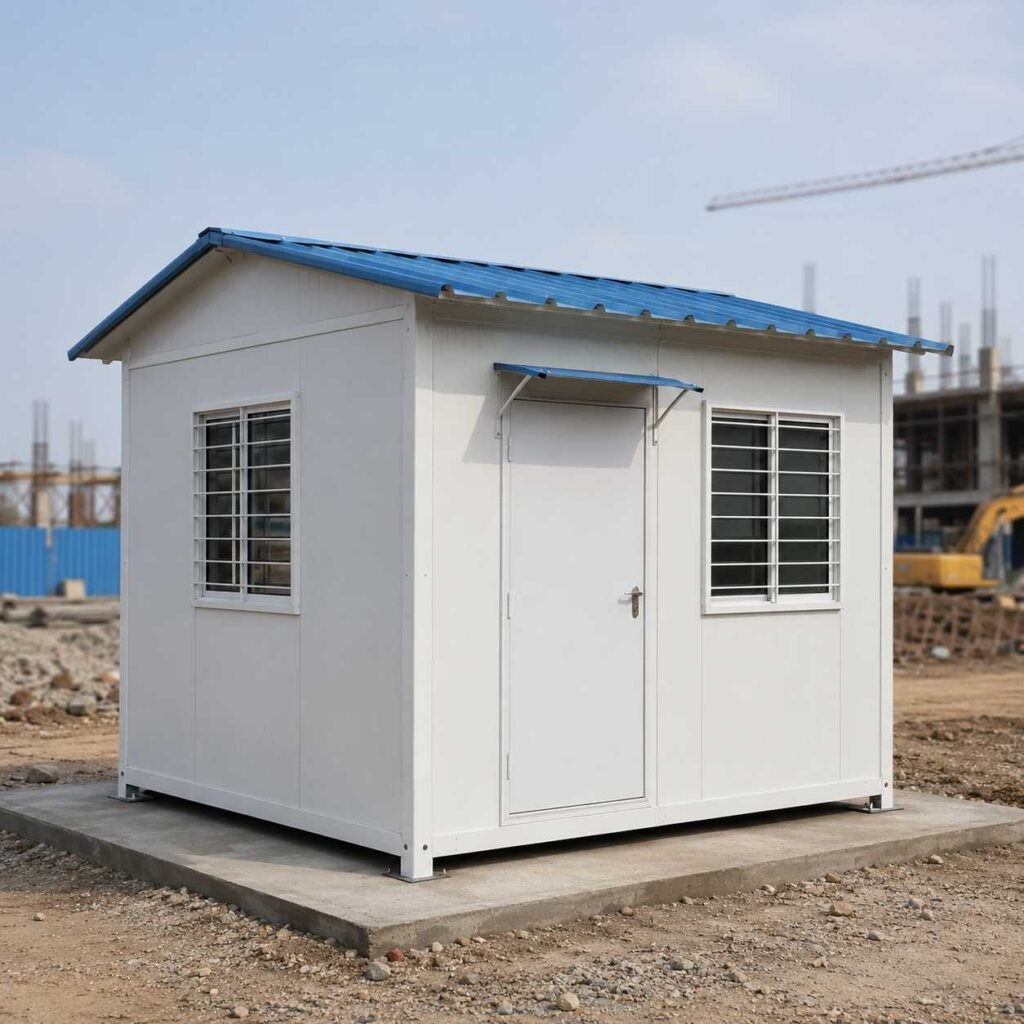
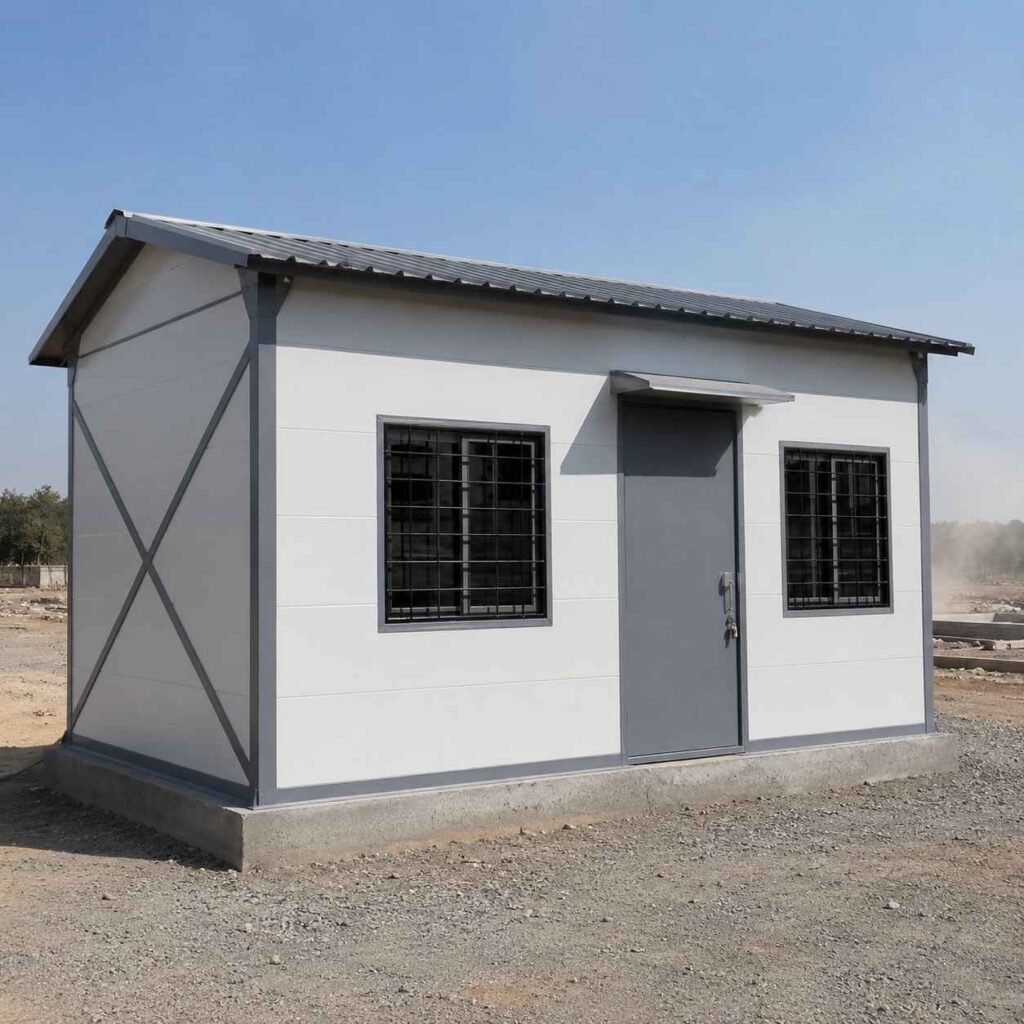
The cheapest affordable portable cabin built honestly in India today is roughly ₹65,000 for an 8×8 ft single-room unit, ex-factory, before delivery and installation. To reach that price point honestly, a manufacturer typically does some or all of the following: uses a thinner MS frame profile (still IS 2062 Grade A but at the lower end of section sizing), specifies 50mm EPS sandwich panels instead of 75mm PUF, fits a single window instead of two, supplies basic electricals (one tube light, one switch, one socket) instead of a full distribution board, and uses cement-fibre flooring instead of vinyl-on-ply.
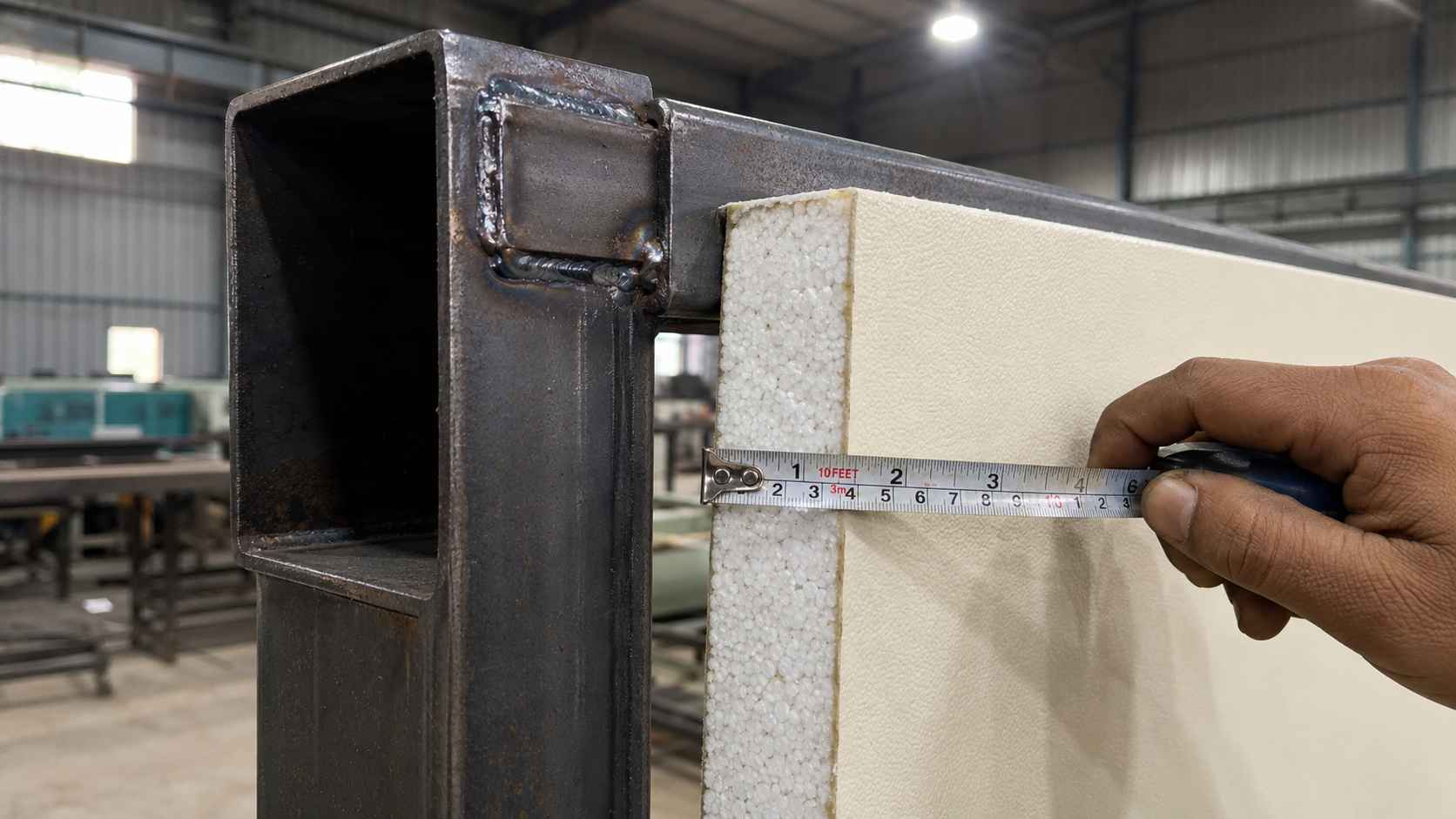
None of those choices are unsafe on their own. EPS at 50mm is structurally fine for a single-room cabin; cement-fibre flooring lasts years if kept dry; an MS frame at the lower IS 2062 profile still carries a small cabin’s wind load comfortably. The danger isn’t the cuts themselves — it’s the cuts the seller doesn’t tell you about. A reputable cheap quote names every spec on the invoice. A dangerous cheap quote lists “portable cabin — ₹45,000” with no panel thickness, no frame gauge, no warranty mention, and no GST.
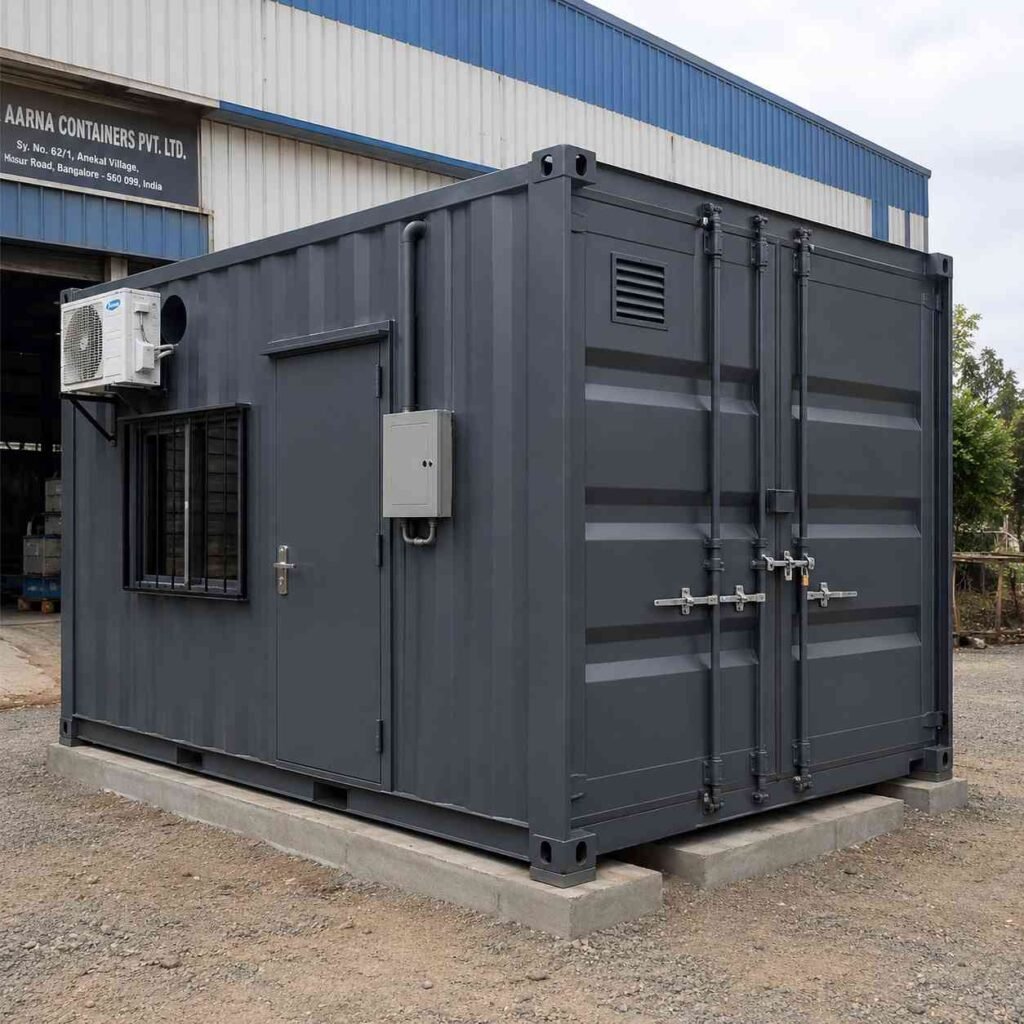
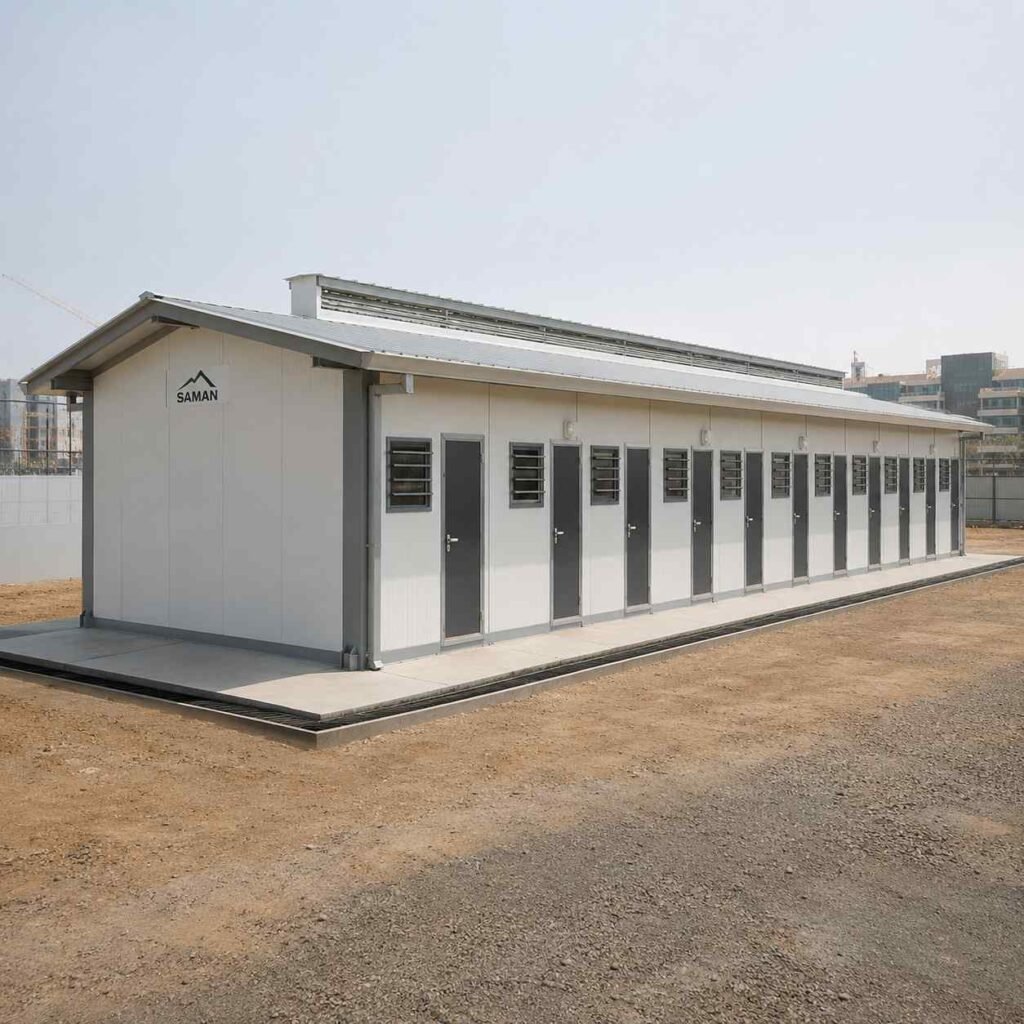
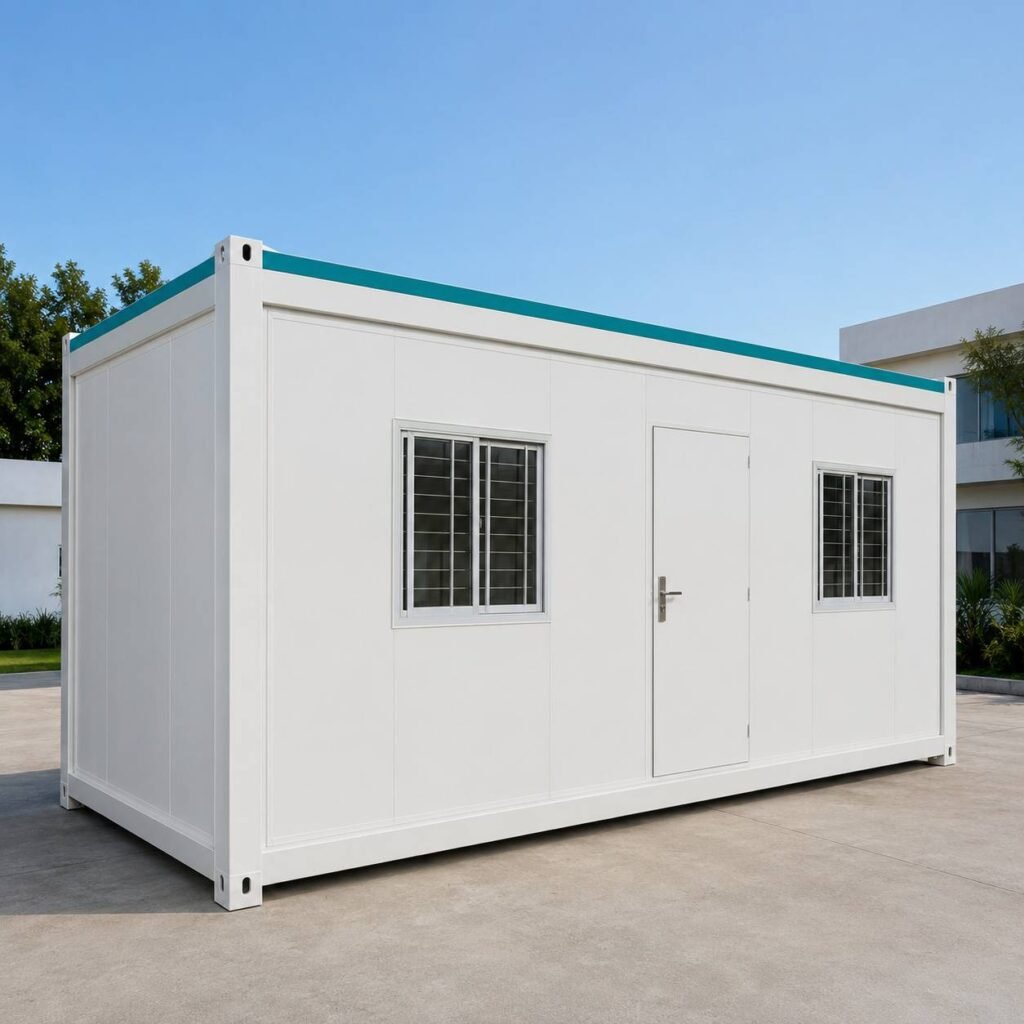
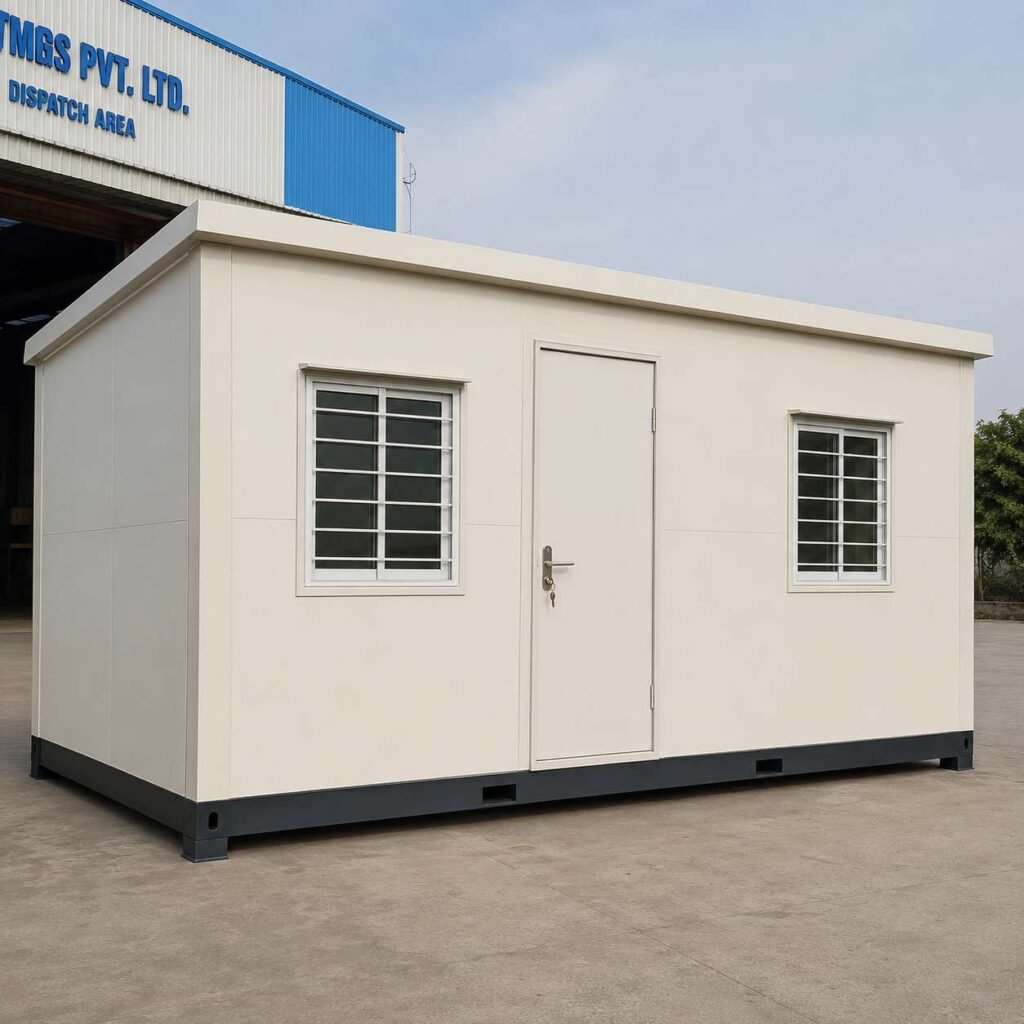
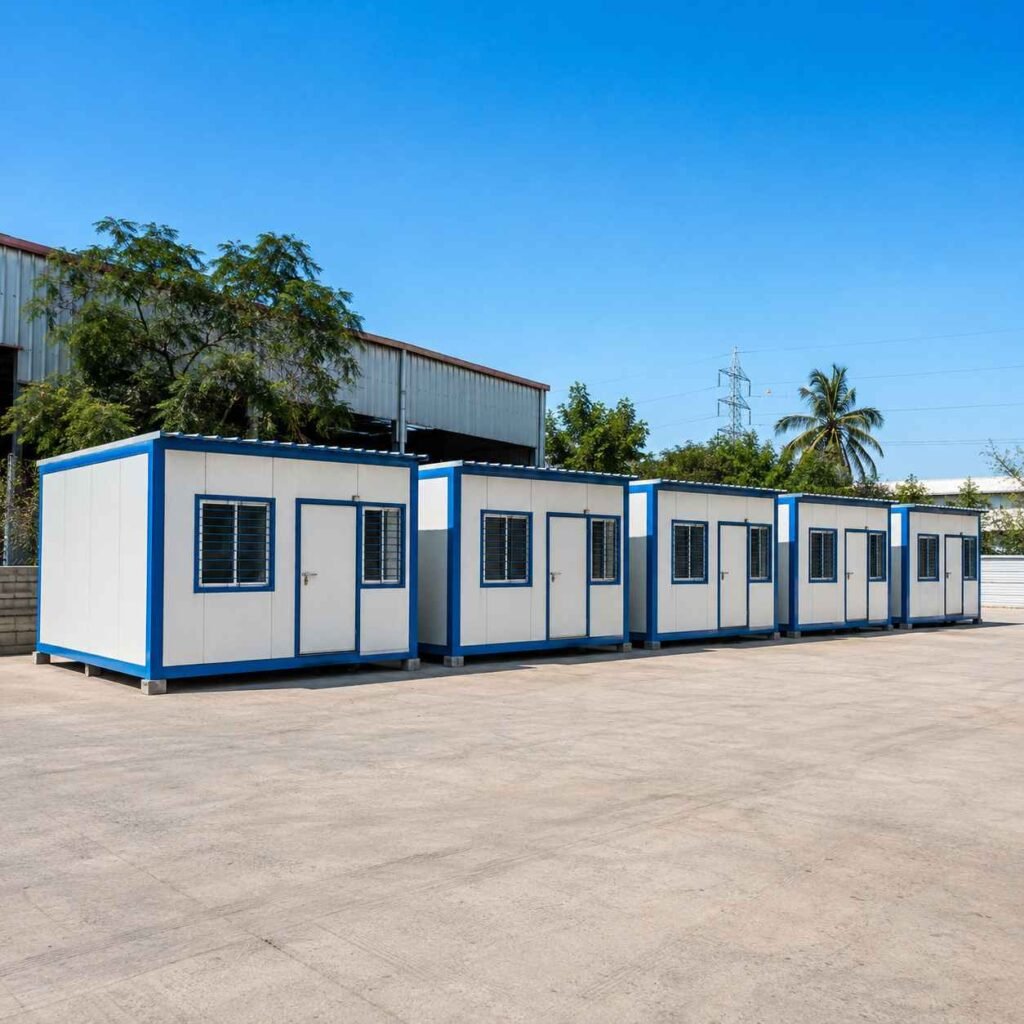
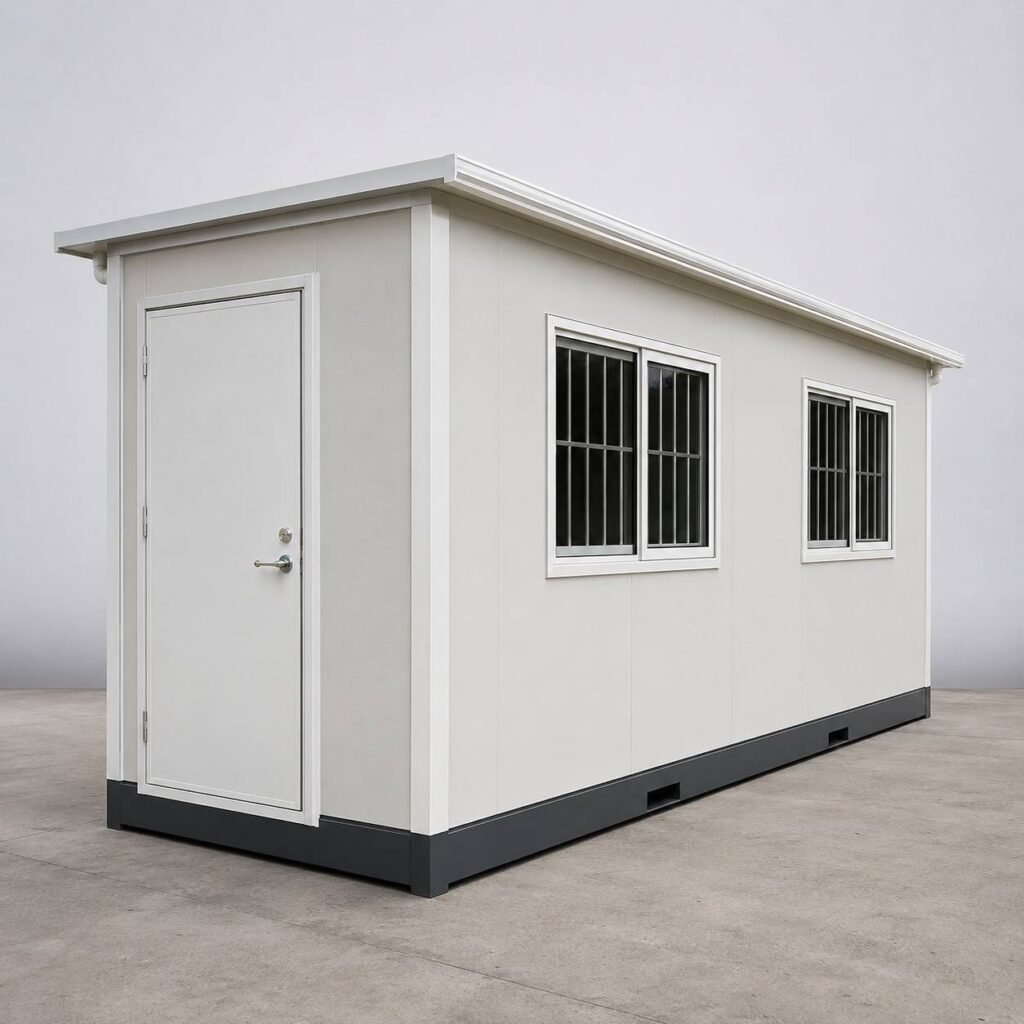
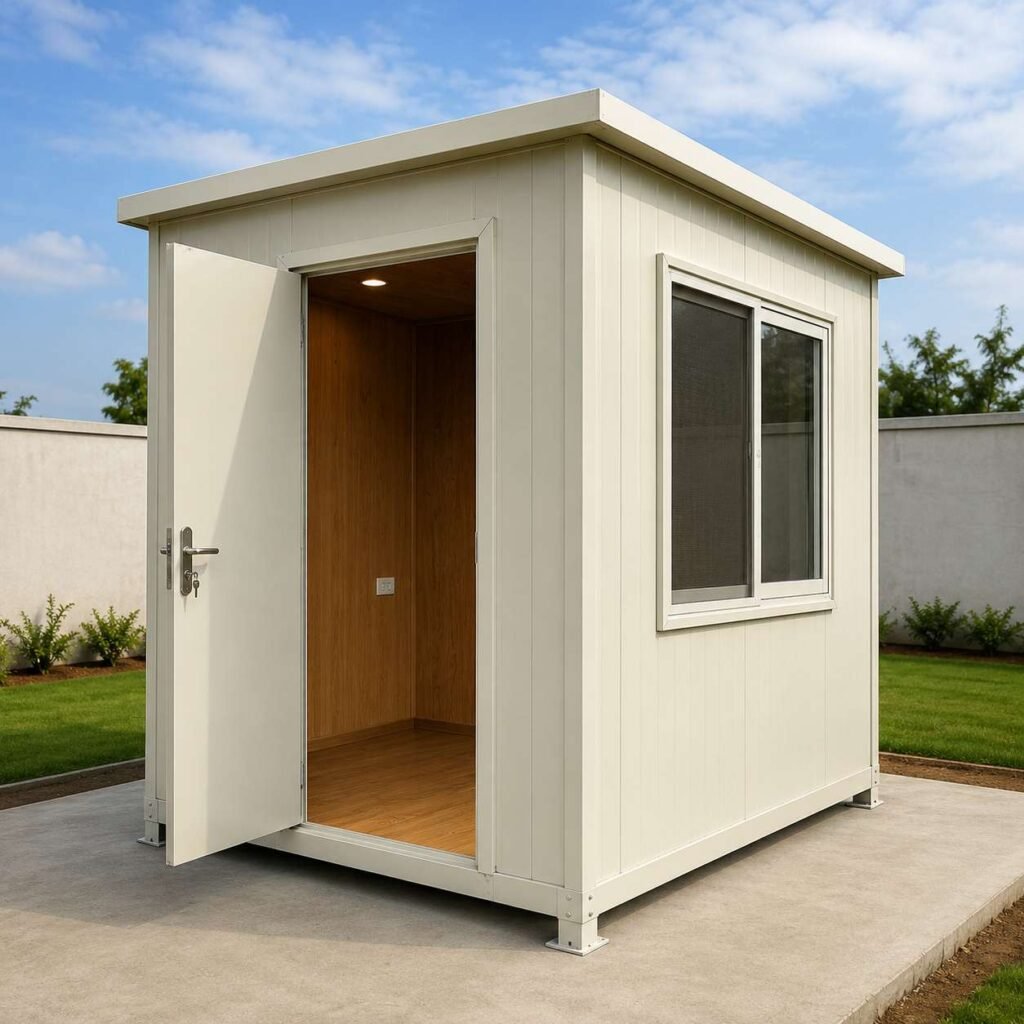
If your budget genuinely sits at the floor, you can still buy safely. The trick is buying small. Compact portable cabin specs show what a budget-grade unit actually looks like at the engineering minimum — and what’s negotiable below that.
6 red flags that a portable cabin quote is dangerously cheap
Every one of the following has shown up in quotes our customers brought us to review before placing an order. None of them are theoretical:
- No frame gauge mentioned. An honest quote names the MS section size (commonly 60×40×2mm or similar) and the IS 2062 grade. “Heavy duty frame” with no number is a refusal to commit.
- Panel thickness missing or vague. “Sandwich panel wall” without 50mm/75mm/100mm and material (EPS/PUF/rock wool) means you don’t know what you’re buying. PUF is the thermal floor most buyers want; EPS is the cost floor.
- No IS 2062 certification mentioned. This is the Bureau of Indian Standards spec for structural steel. A manufacturer who can’t reference it on a written quote is either using non-spec steel or doesn’t know.
- No GST number, no factory address. A trader buying cabins from a sub-vendor and reselling cannot honor a structural warranty. Verify GSTIN on the GST portal before paying any advance.
- No warranty in writing. Honest manufacturers offer structural warranty separately from finishing warranty (because frame failure and panel failure are different problems). No written warranty means no warranty.
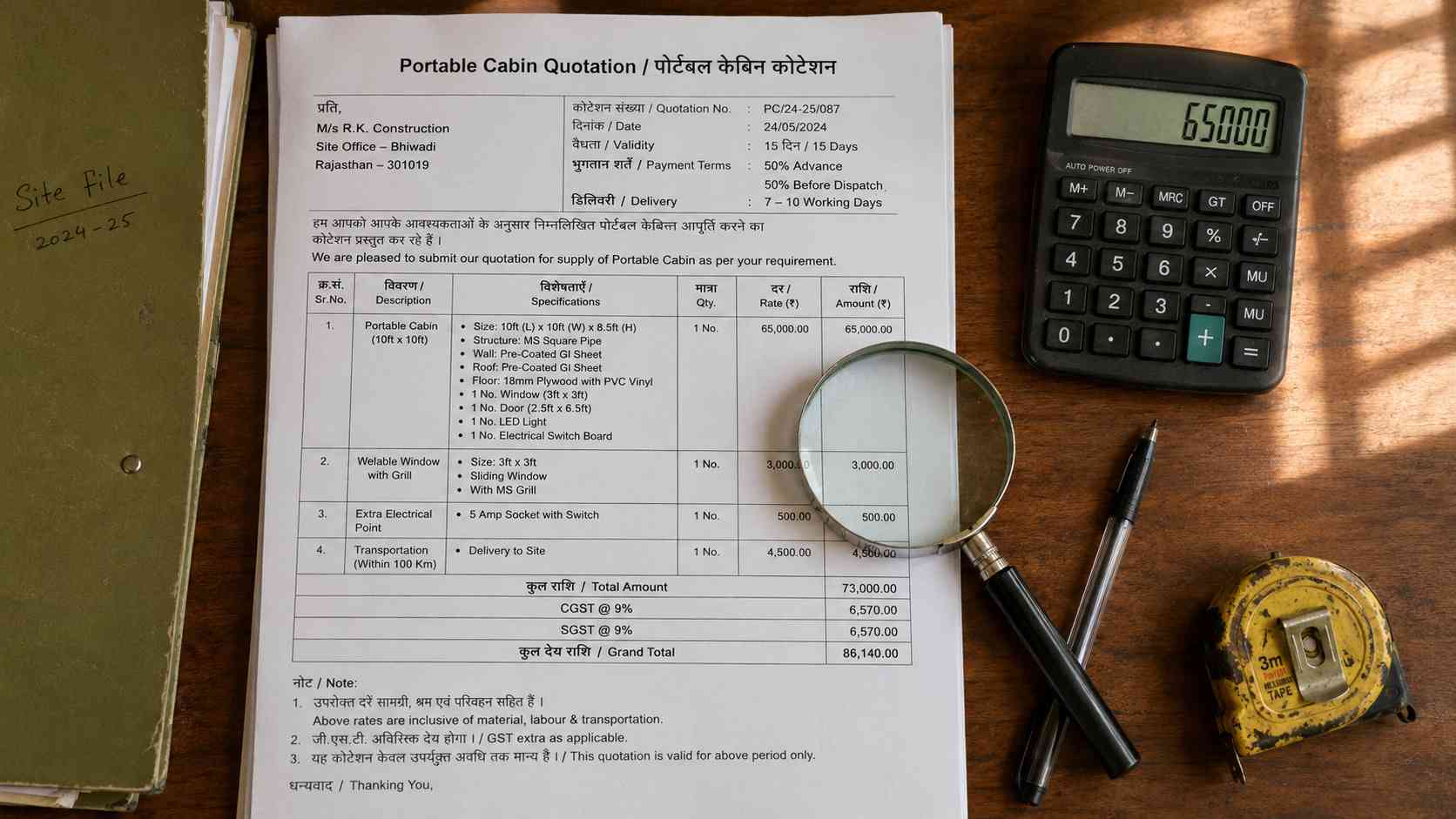
- Delivery and installation buried in fine print. A ₹45,000 cabin with ₹35,000 “site charges” added at delivery is an ₹80,000 cabin sold deceptively. Honest quotes break delivery, unloading, and installation as named line items.
If a quote fails three of these checks, walk away. If it fails five, it’s not a portable cabin business — it’s a one-job operation.
Cheap new vs used vs rental — which fits a tight budget?
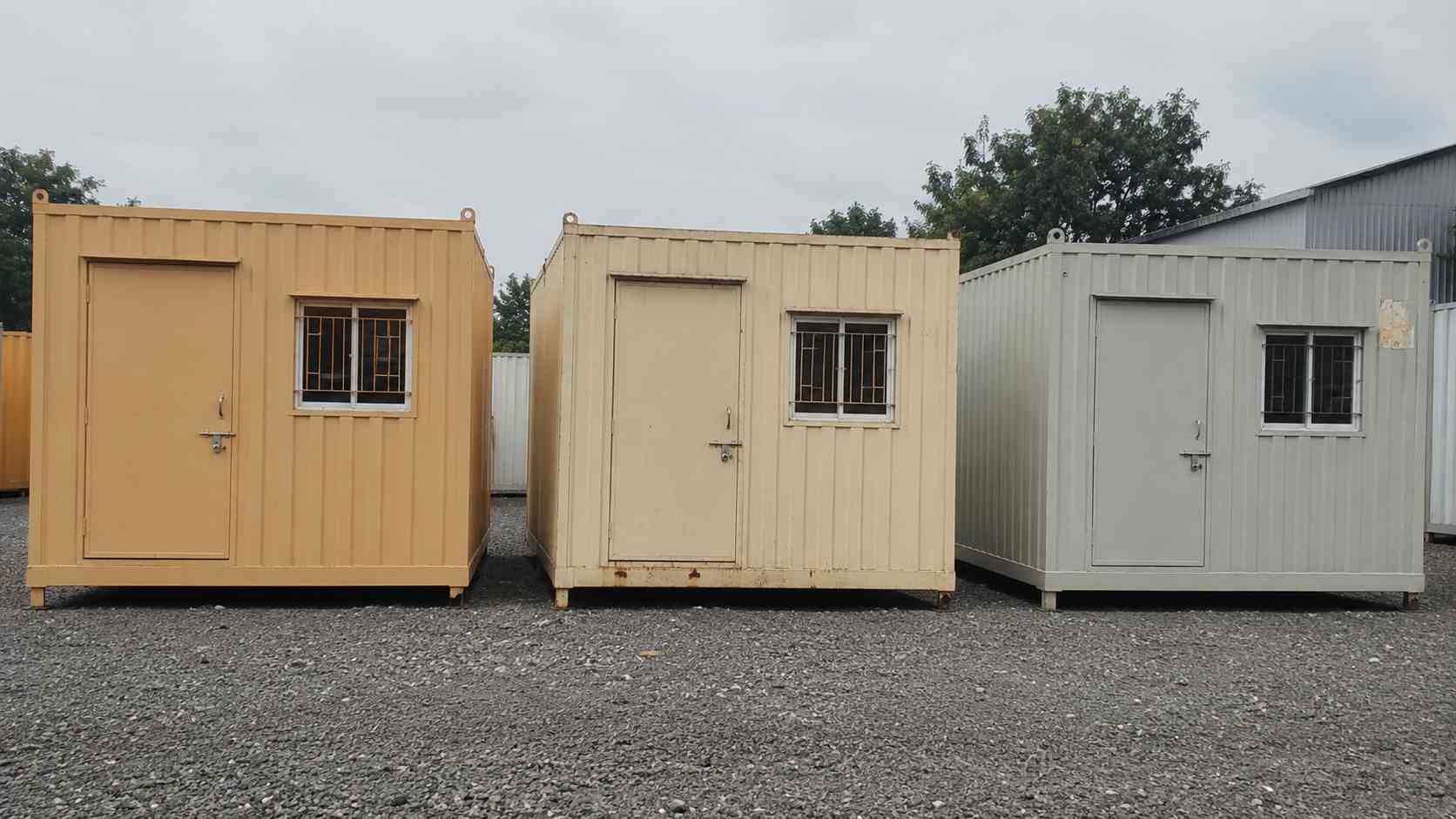
Buyers asking for the cheapest possible portable cabin usually haven’t yet considered whether buying new is even the right answer. For short-term use, rental or used can be dramatically more economical. The honest framework:
| Option | Typical price (8×8 ft) | Best for | Primary risk |
|---|---|---|---|
| Cheap new | ₹65,000–₹1,50,000 | 5+ year horizon; permanent site office | Spec compromise hidden in quote |
| Used (second-hand) | ₹35,000–₹80,000 | 2–4 year projects; site temp use | Frame fatigue, rust, no warranty |
| Rental | ₹6,000–₹12,000 / month | <12 months; uncertain duration | Cumulative cost crosses new-buy at ~14 months |
The rule of thumb most MSME procurement officers eventually arrive at: rent if you genuinely don’t know how long you’ll need it, used if the project is bounded under four years and you can inspect the unit before paying, new if you intend to keep it past five years or you need warranty cover for the asset on your books.
How to read a cheap quote intelligently — what’s missing, what’s optional
Most low cost portable cabin quotes in the Indian market aren’t dishonest — they’re just incomplete. The seller has quoted you the shell. You have to know what isn’t in the shell.
An honest cabin quote should name, line by line: frame steel grade and section size, wall panel type and thickness, roof panel type and thickness, floor (cement fibre / vinyl-on-ply / PVC / chequered MS), door (number, type, lock), windows (number, type, glass), electrical fittings (lights, switches, sockets, MCB), painting (interior, exterior, brand), delivery point (ex-factory or to-site), unloading, installation, and warranty (structural and finishing separately).
If any of those is absent from the quote, ask. The answer to “is this included?” tells you more about the seller than the price does. A manufacturer who responds “yes, all standard, written into the invoice” is a different business from one who says “we’ll discuss at delivery.” For a deeper breakdown of what each cost component should look like by size and spec, see our full price breakdown by size and spec.
The other unmentioned cost: site preparation. Most cheap quotes assume you have a level concrete pad or a flat, compacted surface ready to receive the cabin. If you don’t, add ₹8,000–₹20,000 for plinth work depending on size and ground conditions.
When SAMAN says “don’t buy this” — and when cheap is the right call
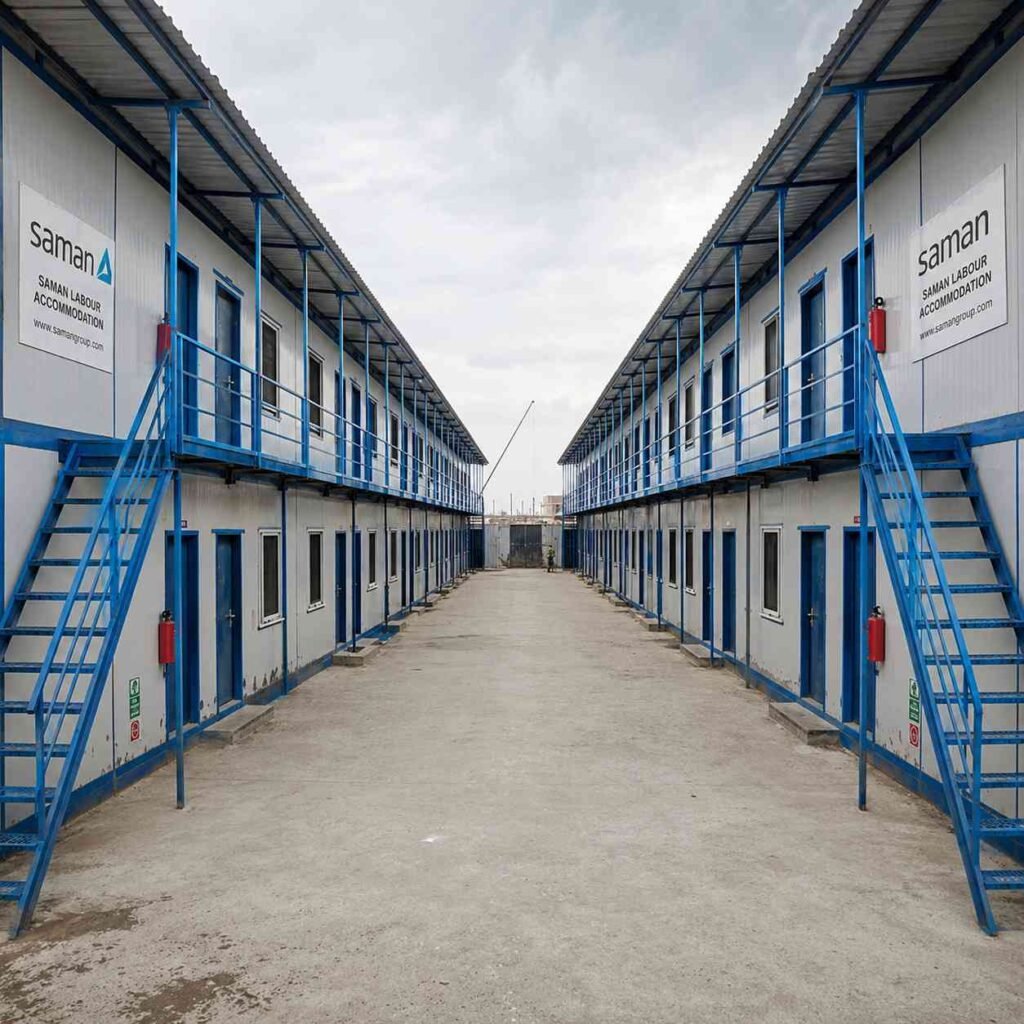
SAMAN sells portable cabins. We still tell buyers to walk away from certain cheap deals every week — because a bad first cabin kills the customer’s confidence in the entire category, and they never come back. The walk-away rules: don’t buy from a seller without a verifiable GSTIN and factory address, don’t buy a structural unit without written warranty, don’t buy a used cabin for a permanent installation, and don’t buy a cabin priced 40% below the honest market floor without understanding exactly what’s missing.
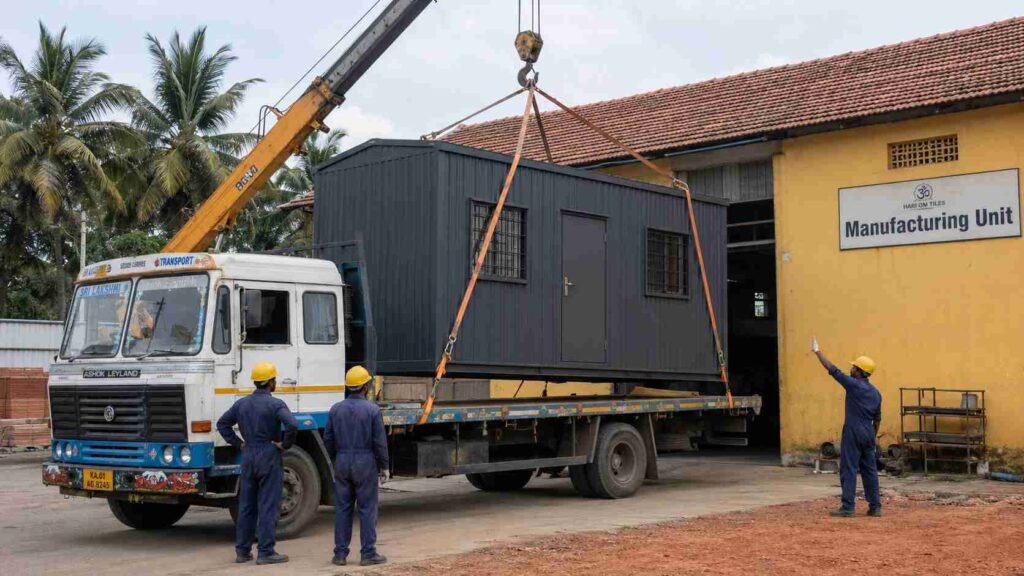
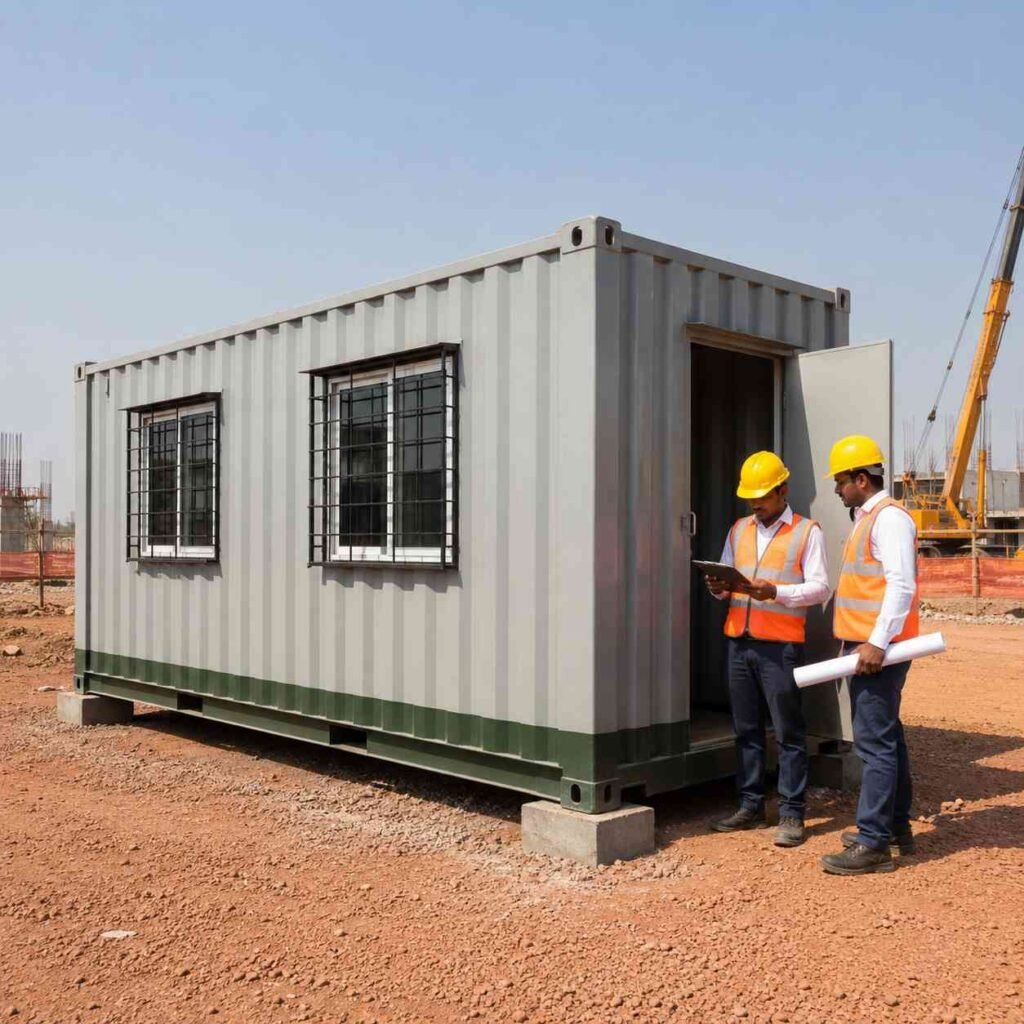
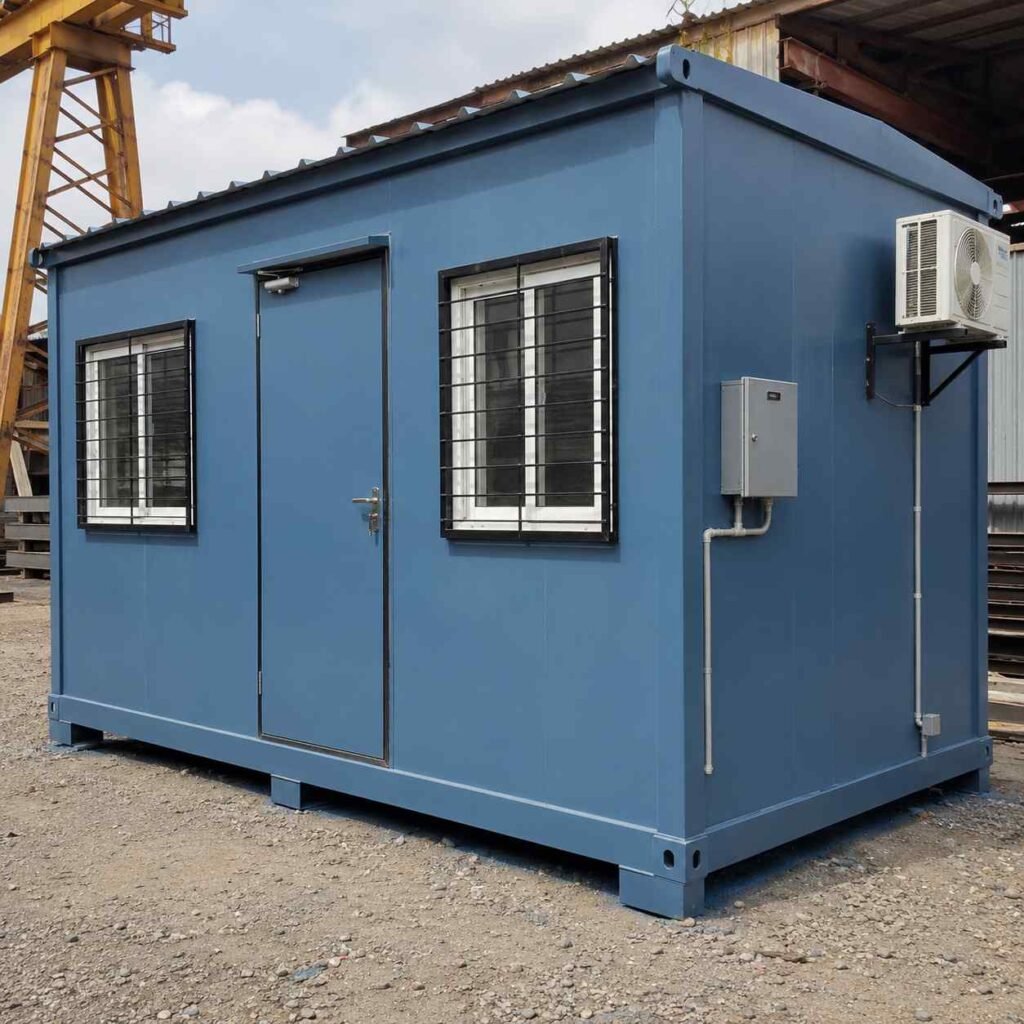
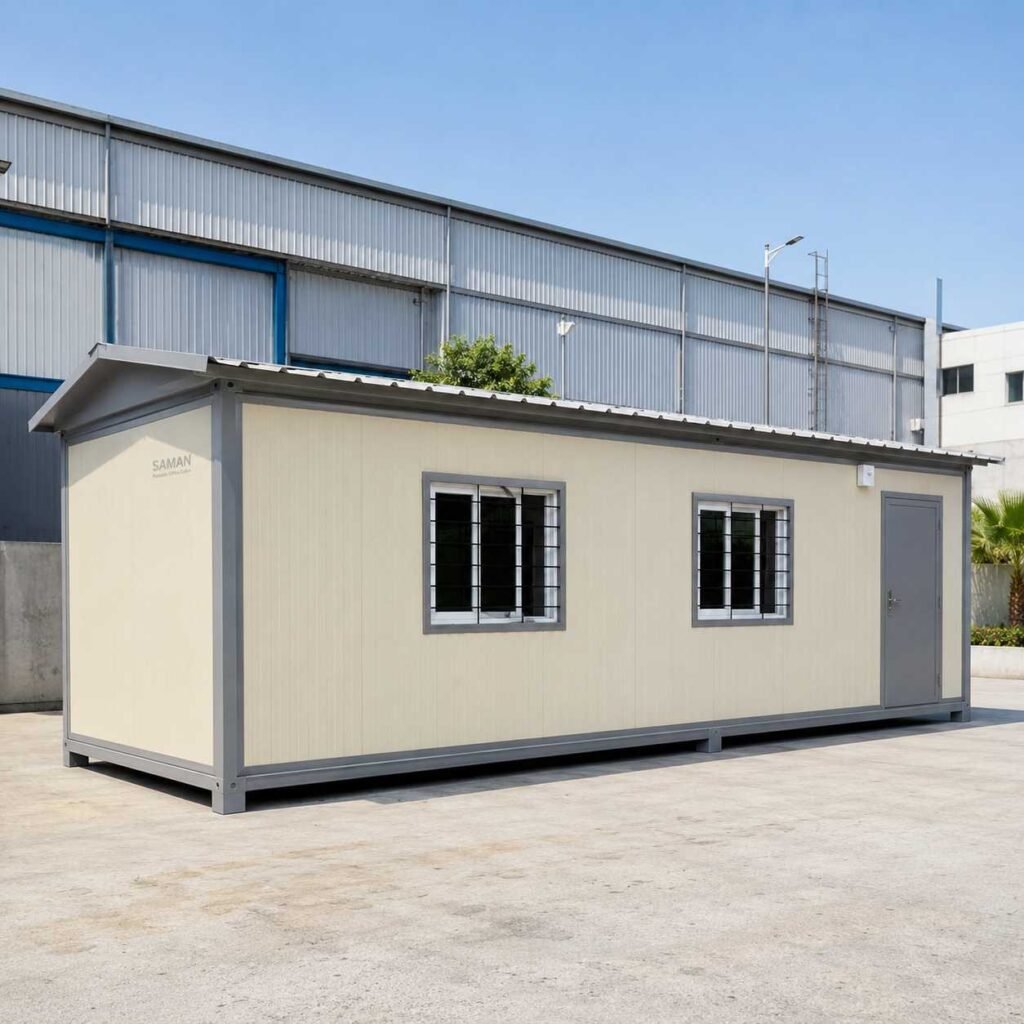
Equally, cheap is the right answer in real scenarios: a 6-month rental for a site office, a small ₹70,000 single-room cabin for a 1–2 person security post, an entry-level unit for storage where you don’t need insulation or AC. SAMAN’s factory-built portable cabin range starts at the honest budget end and goes up to multi-room configurations, with structural warranty of 5 years and finishing warranty of 1–2 years on every unit regardless of price band. If you need a cabin with sanitation built in — for example a site office for a small contractor — our portable cabins with toilet are the lowest entry point with integrated WC.
Cheap, bought well, is one of the better procurement decisions an Indian MSME can make. Cheap, bought badly, is the most expensive ₹50,000 you’ll ever spend.
Frequently Asked Questions
What is the cheapest a portable cabin can cost in India in 2026?
The honest floor for a new factory-built cabin is around ₹65,000 ex-factory for an 8×8 ft single-room unit with MS frame, 50mm EPS panels, one door, one window, and basic electricals. Quotes meaningfully below ₹50,000 for that size are almost always missing the floor, ceiling, or electricals, or are using sub-spec frame steel. Used units start lower (₹35,000–₹50,000) but carry no warranty.
Are cheap portable cabins safe and structurally sound?
Yes — when bought from a manufacturer who names every spec on the invoice and offers written structural warranty. Cheap doesn’t automatically mean unsafe; cheap with unnamed specs almost always does. The structural safety floor is IS 2062 Grade A frame steel at proper section sizing, panels minimum 50mm sandwich construction, and welded (not bolted) frame joints. If a quote names those, the unit is safe regardless of price.
Should I buy a used portable cabin instead of a new cheap one?
For bounded short-term projects (under four years), yes — used cabins at ₹35,000–₹80,000 are often the best value if you can physically inspect the frame, floor, and panels before paying. For permanent or 5+ year installations, no — used cabins carry no warranty, the frame has already absorbed transport and assembly stress, and the remaining service life is unpredictable. New cheap with written warranty beats used cheap for long-term use, every time.
What warranty should I expect on a budget portable cabin?
From a reputable manufacturer, 5 years on the structural frame and base, and 1–2 years on finishing (wiring, plumbing, doors, windows, panels, paint, fixtures). The warranty applies regardless of price band — a ₹70,000 cabin and a ₹3,00,000 cabin should both carry the same structural cover. If a seller offers no written warranty, or only blanket “1 year” cover with no split between frame and finishing, treat it as no warranty. Engineered service life with normal maintenance is 20–25 years, separate from warranty.
Speak to the SAMAN team
If you want a written quote with every spec named — frame gauge, panel thickness, electricals, delivery, installation, warranty — call or WhatsApp the SAMAN team directly. We respond within working hours with a line-itemed quote, not a one-line price.
Bangalore
Call +91 80886 85440 · WhatsApp +91 88616 22859
Delhi NCR
Call +91 87960 39938 · WhatsApp +91 97089 89937