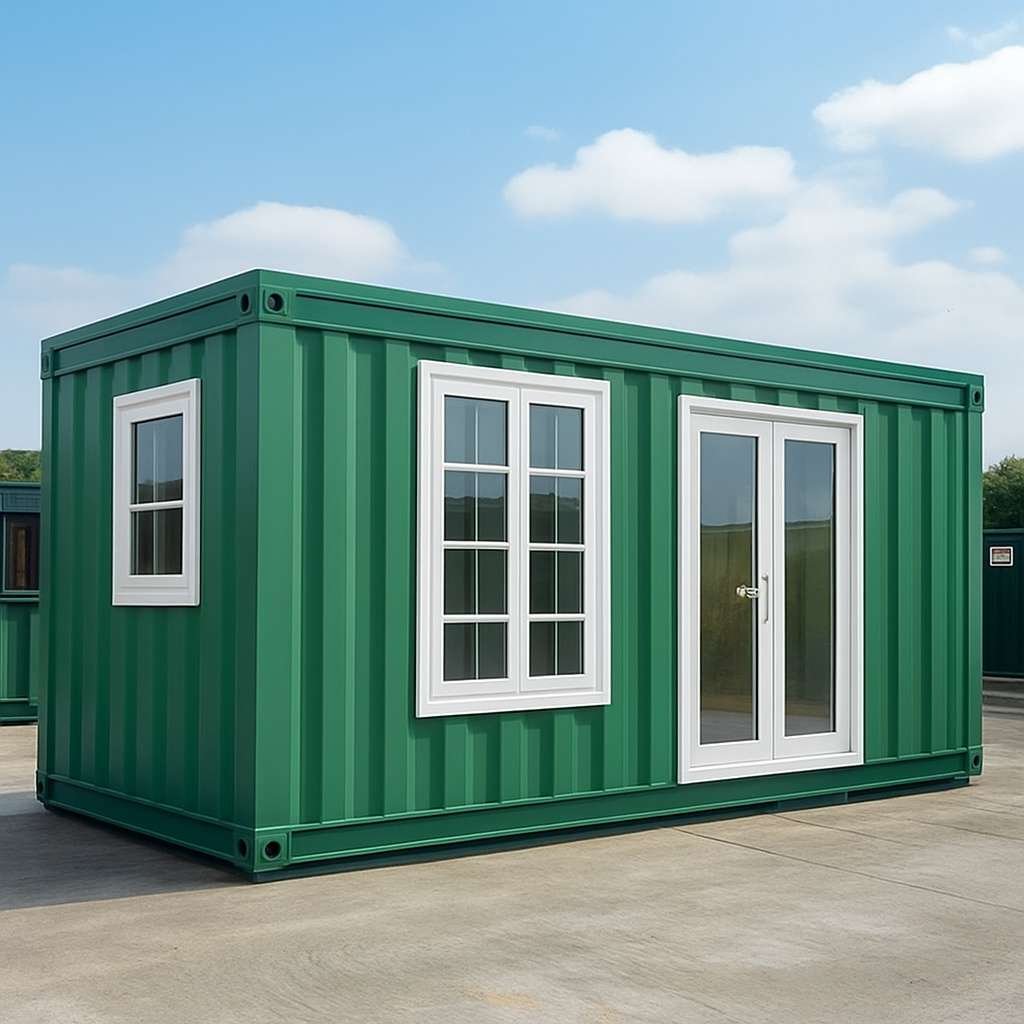
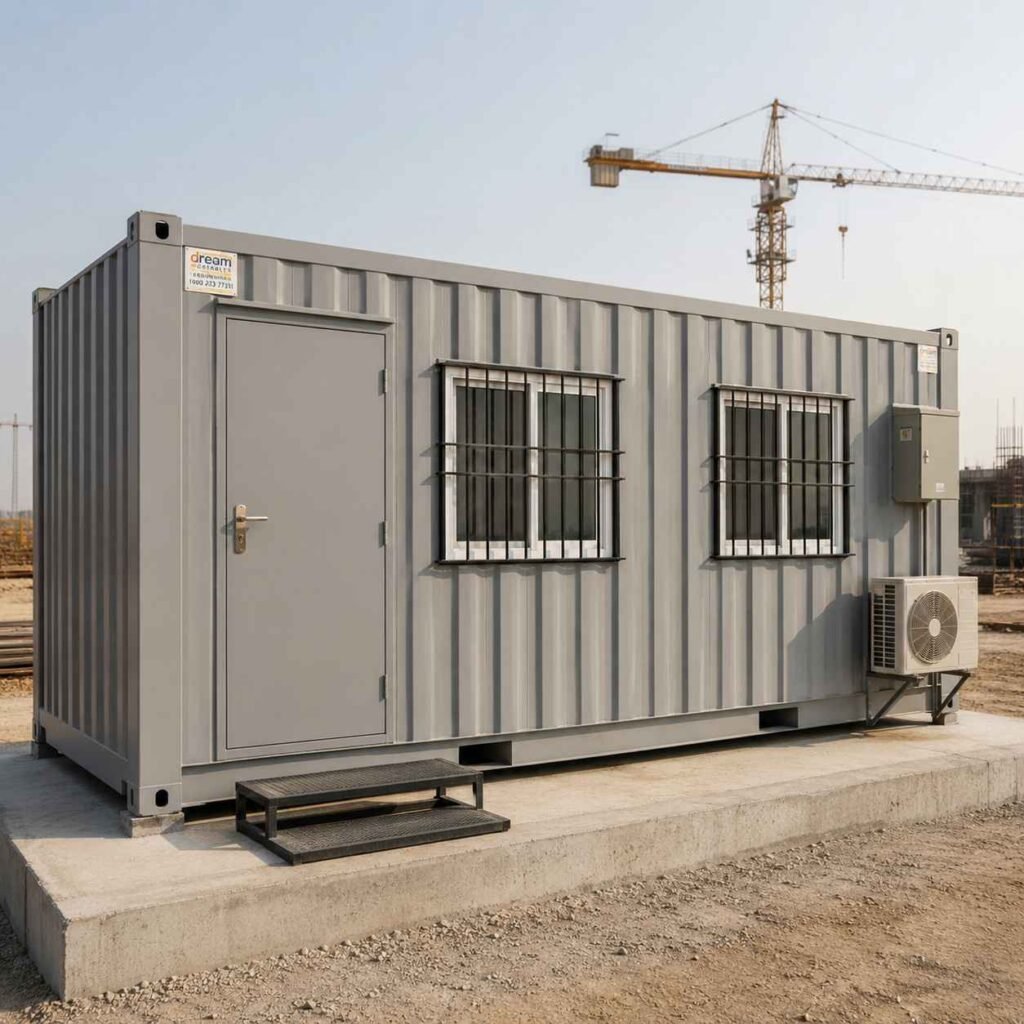
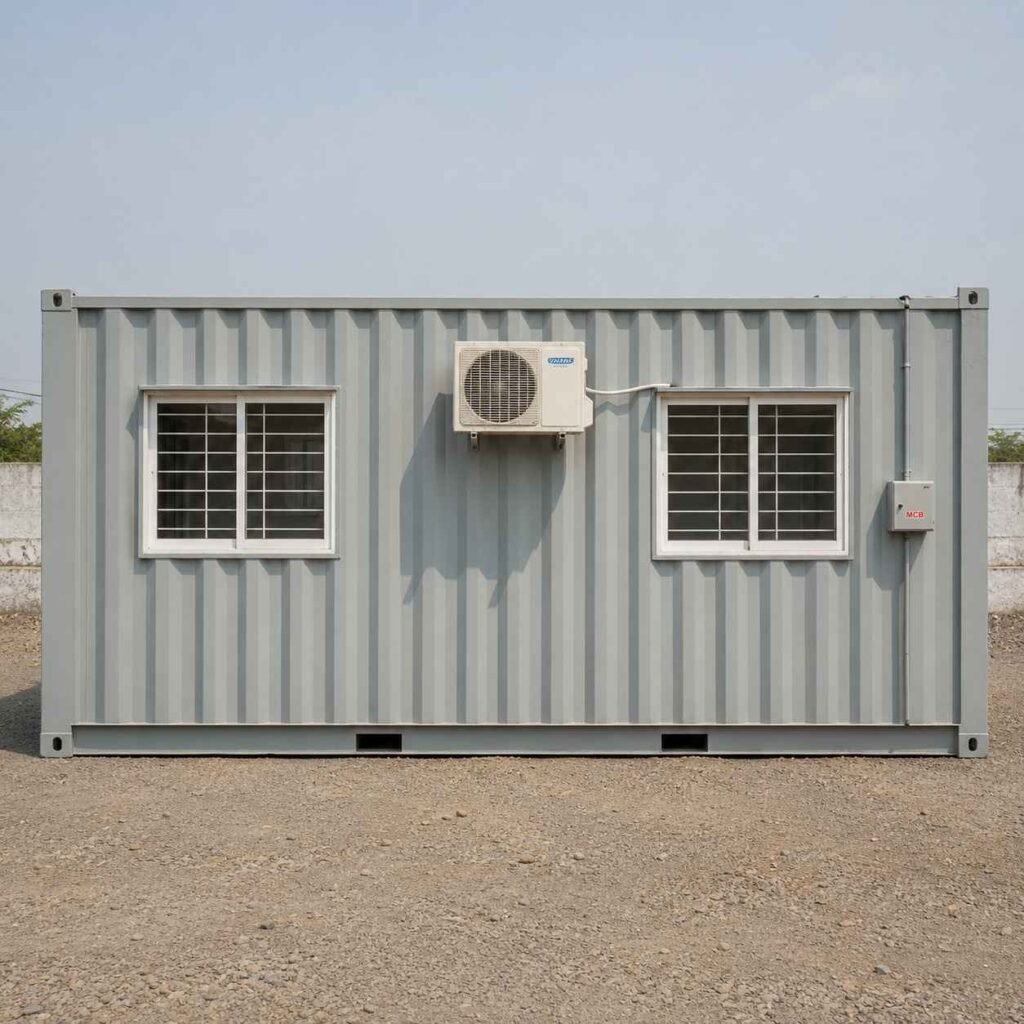
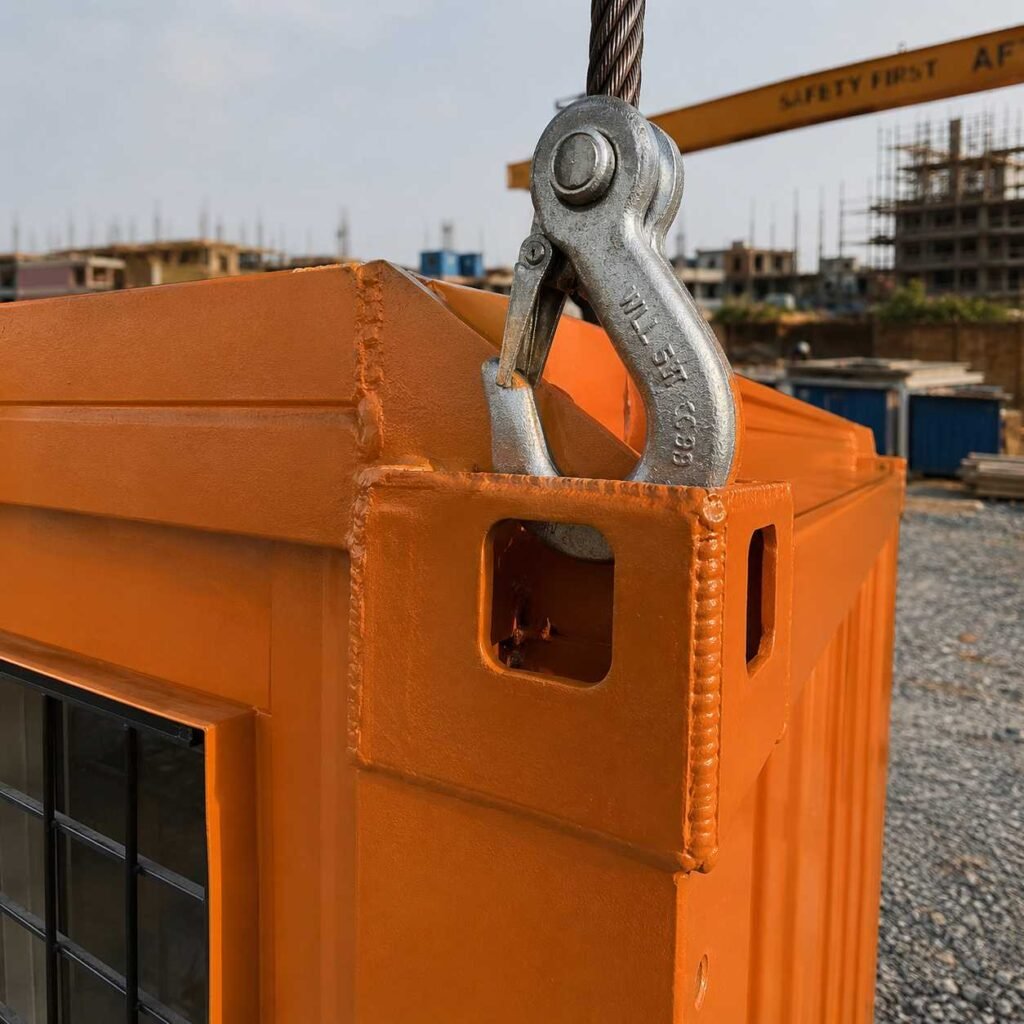
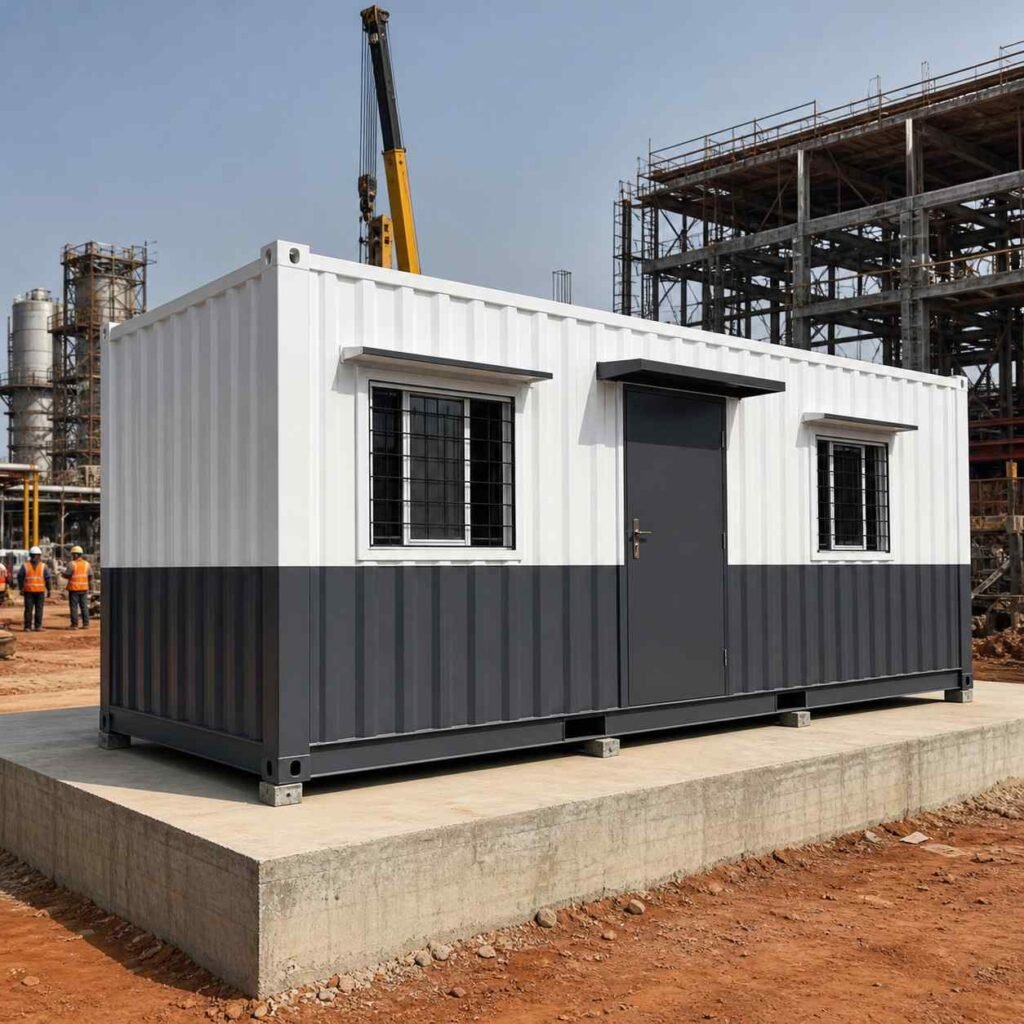
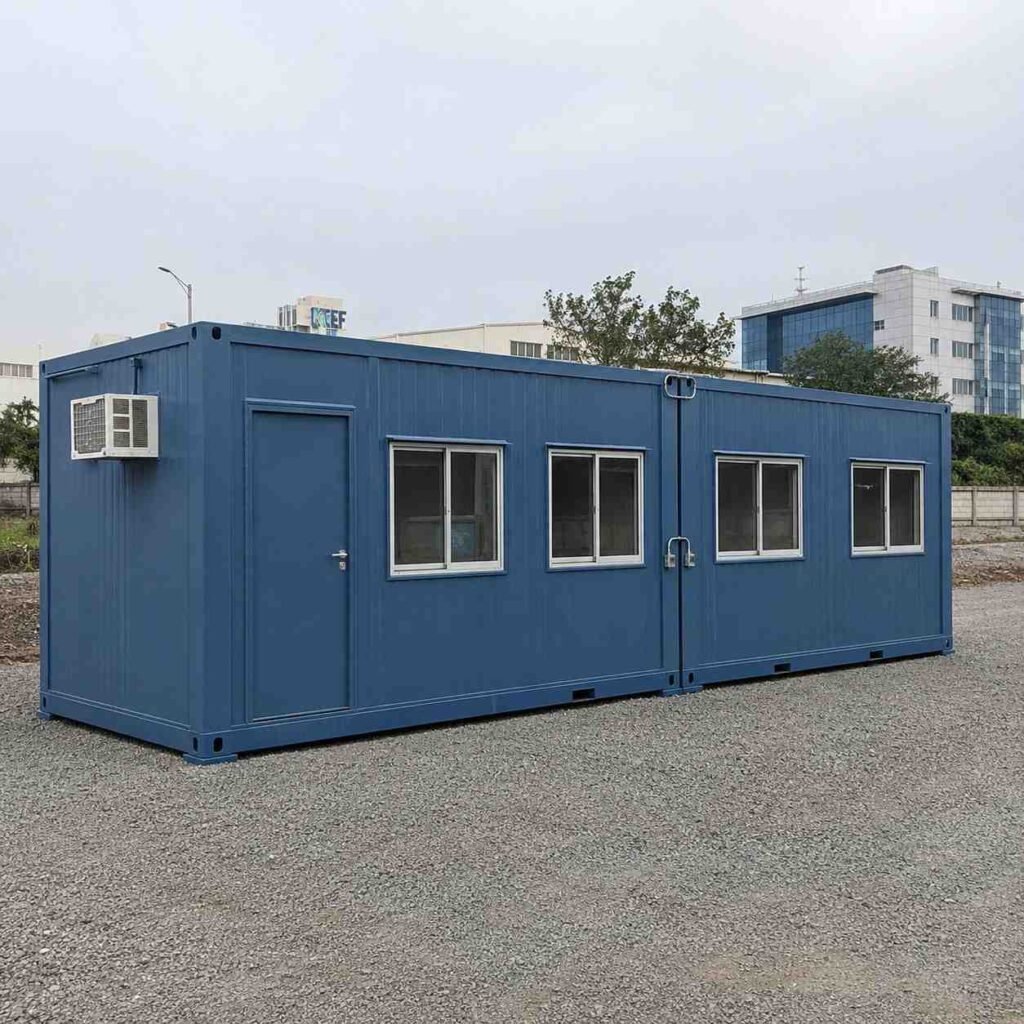
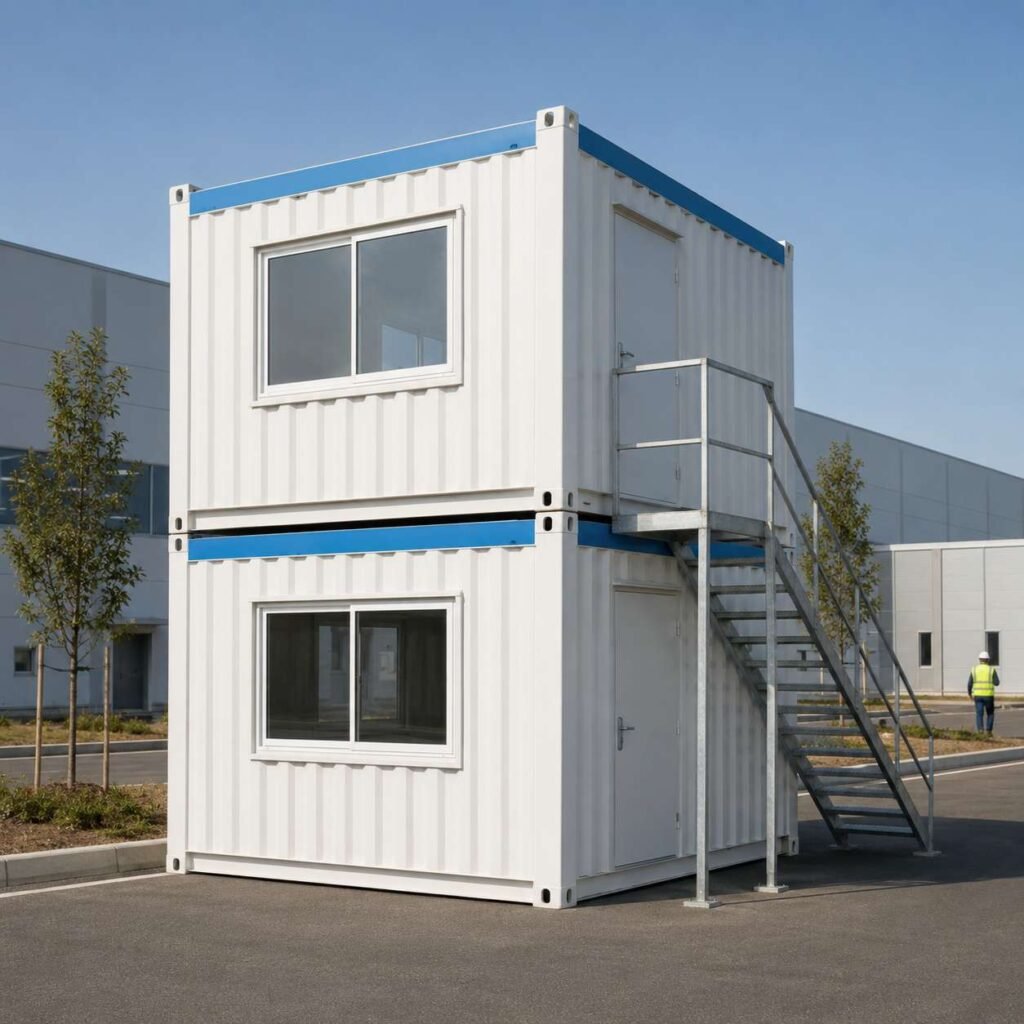
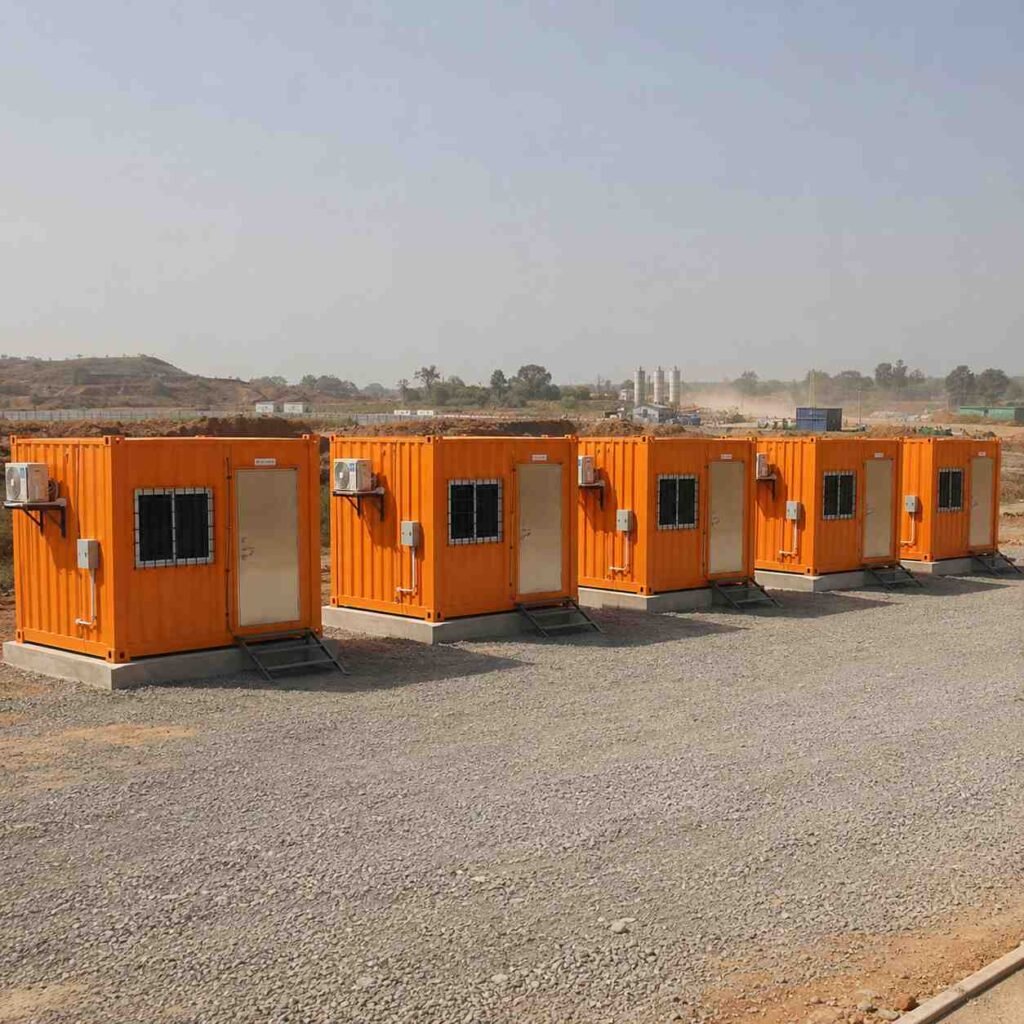
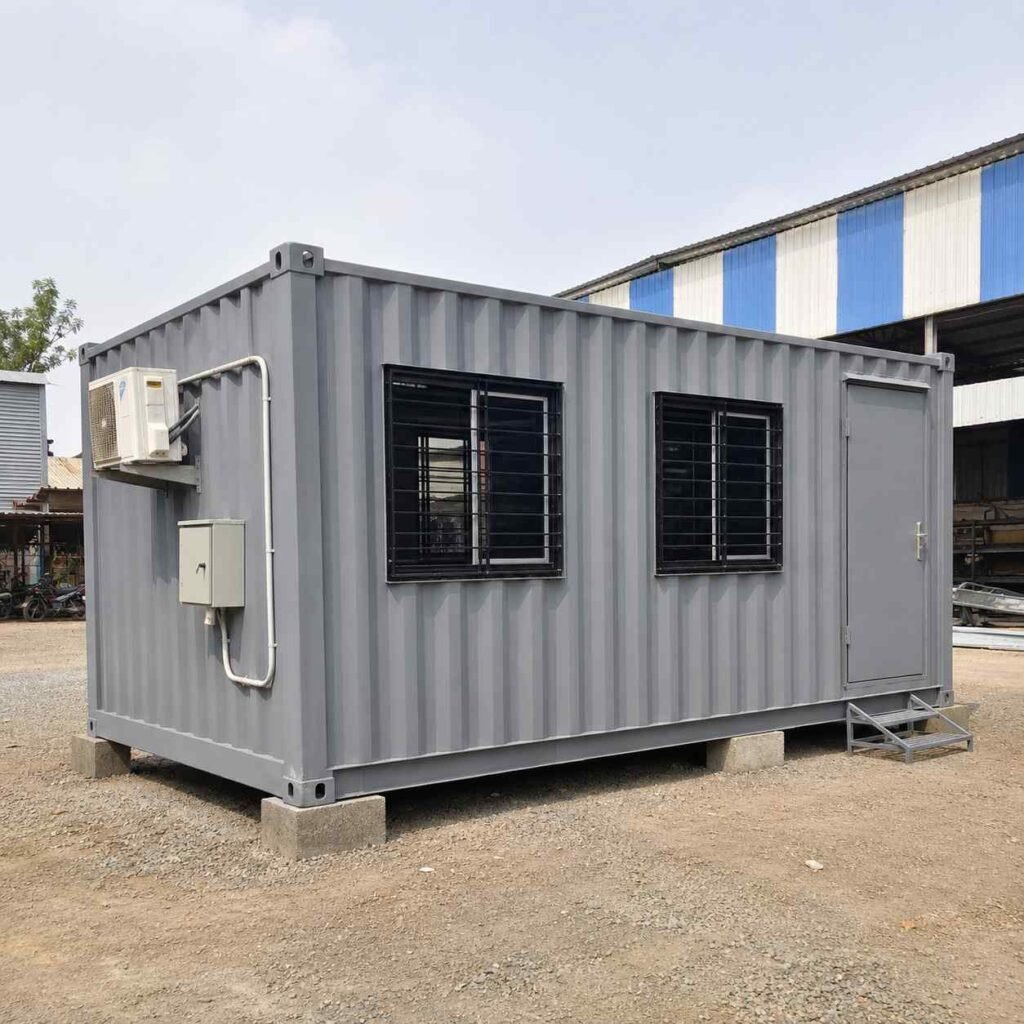
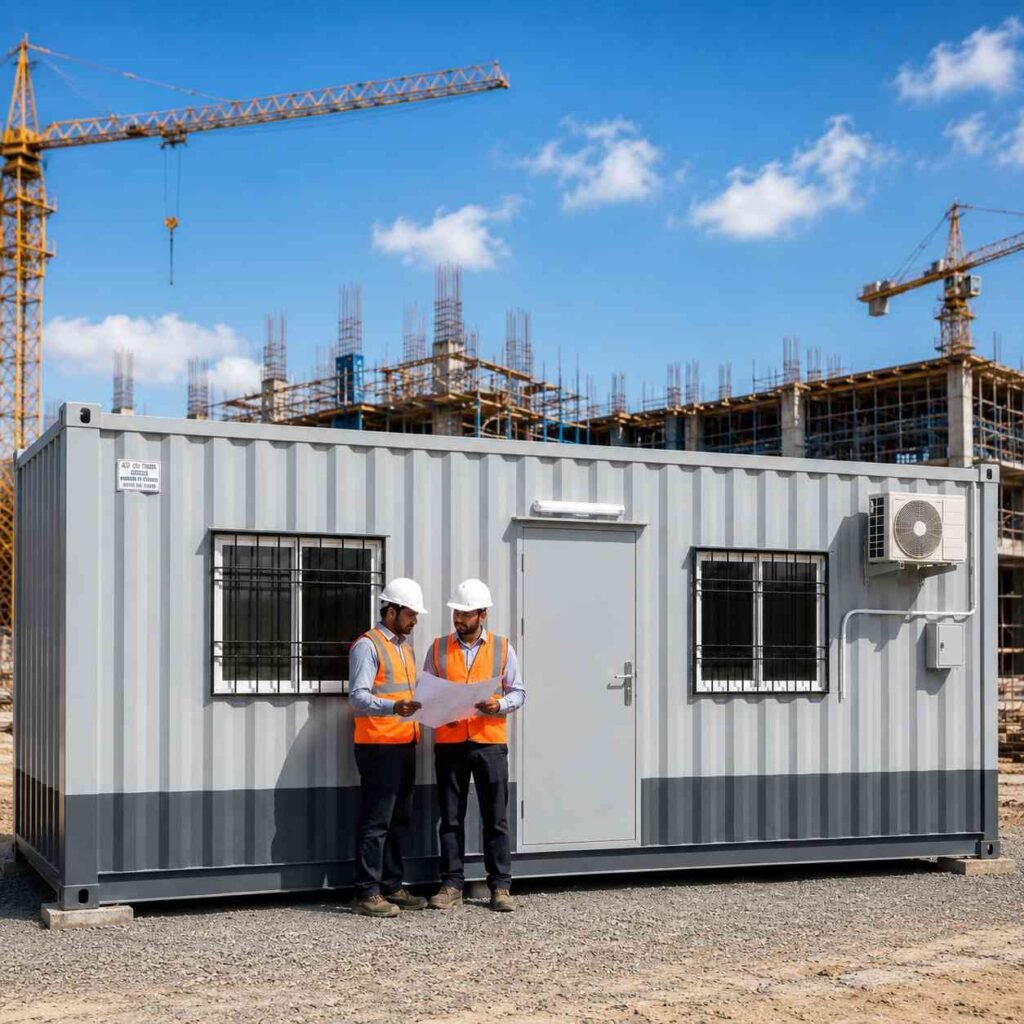
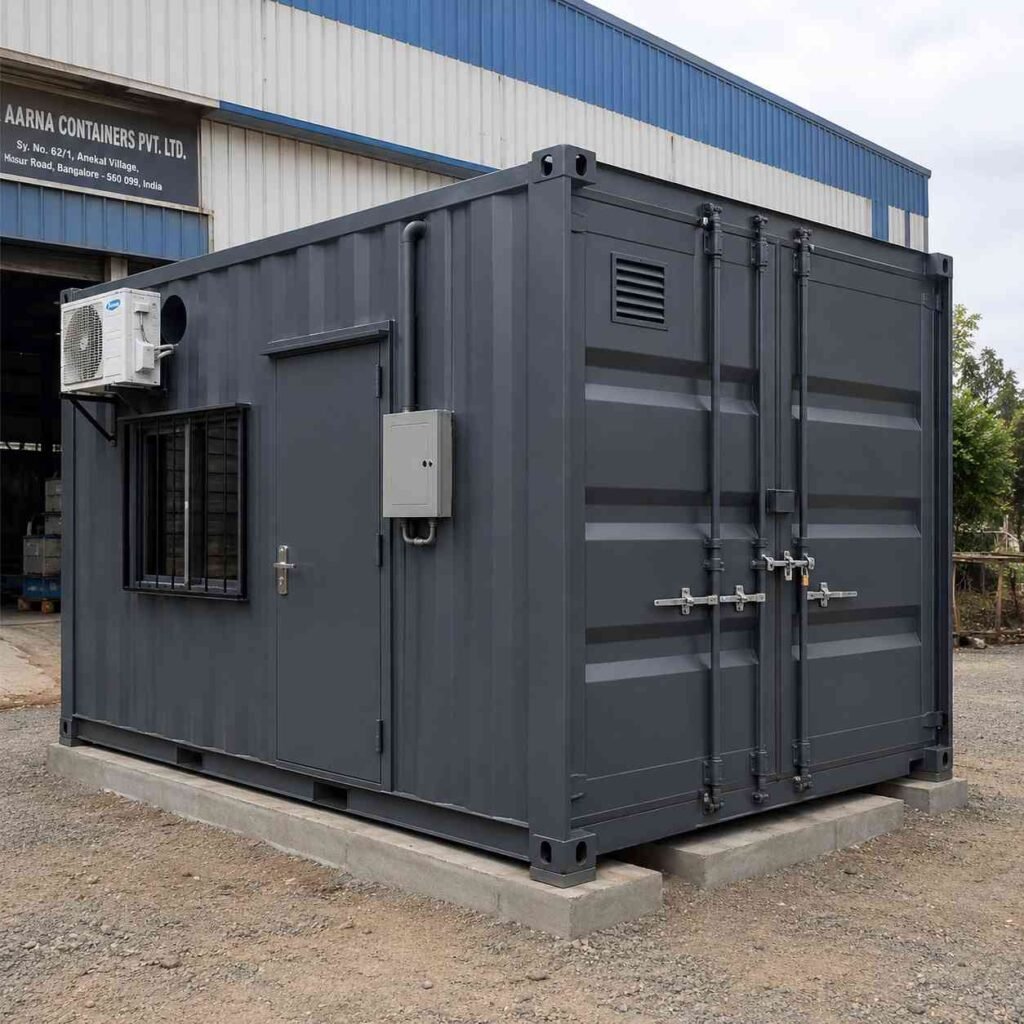
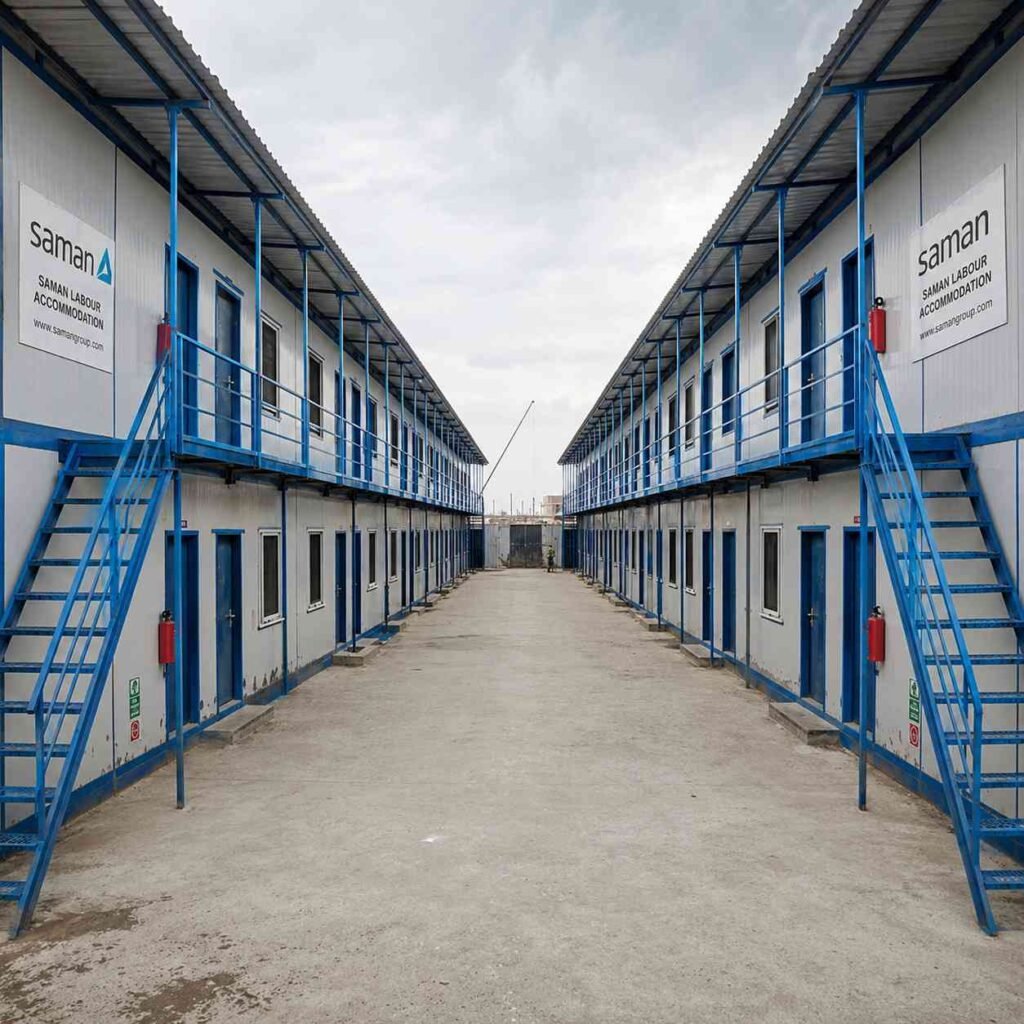
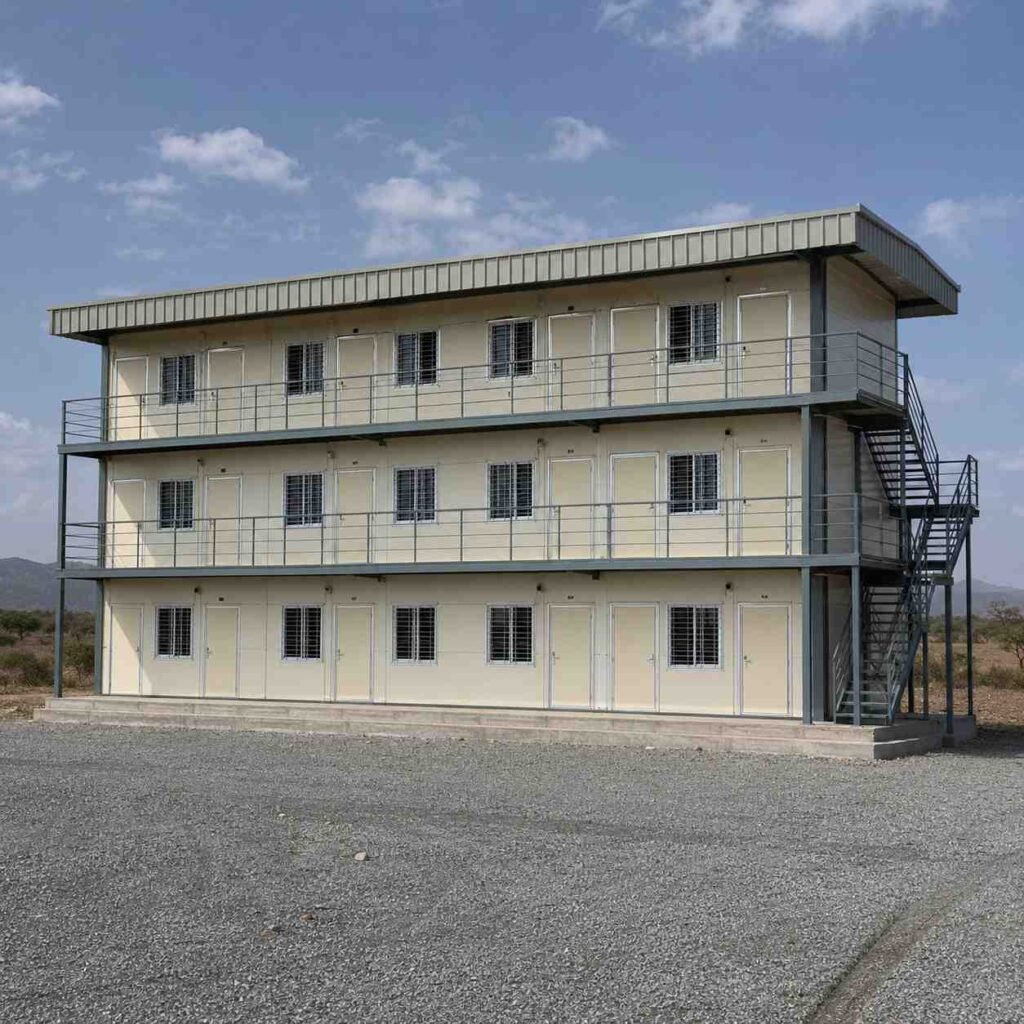
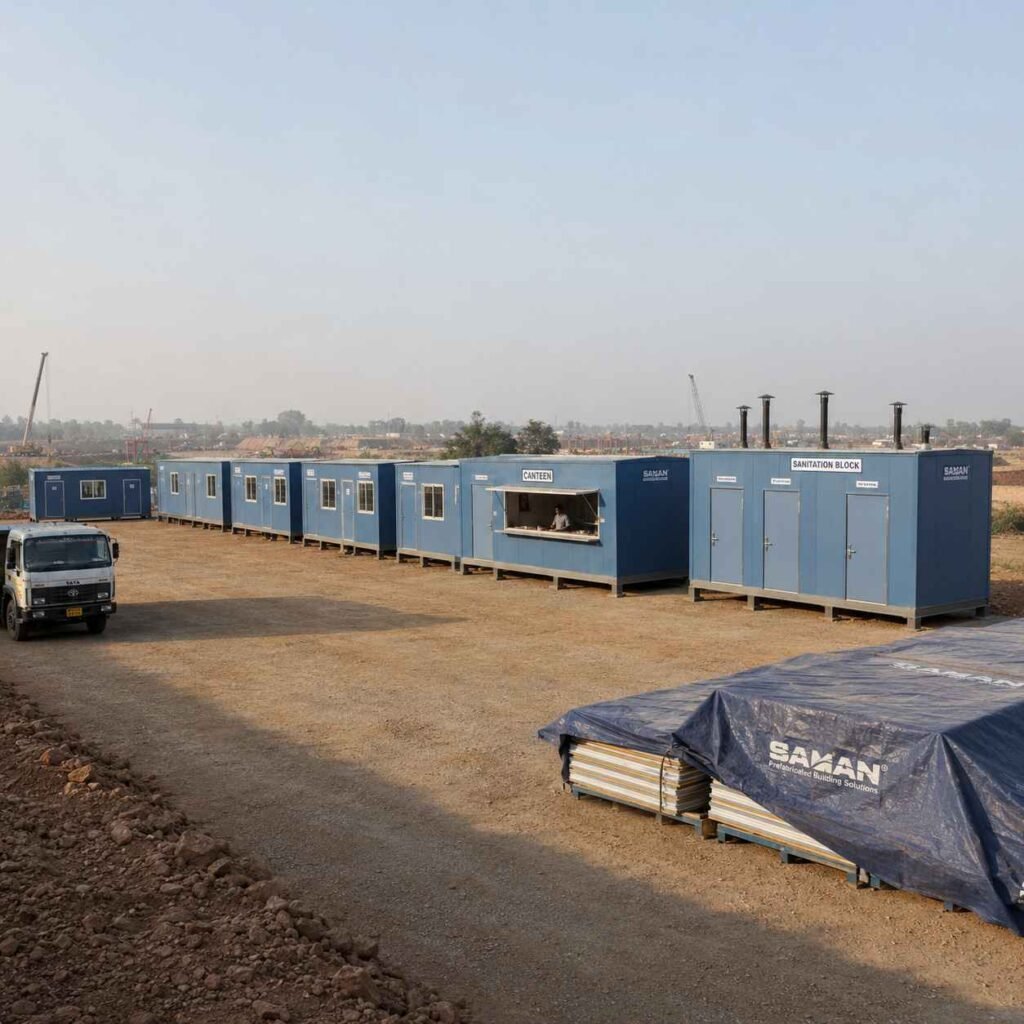
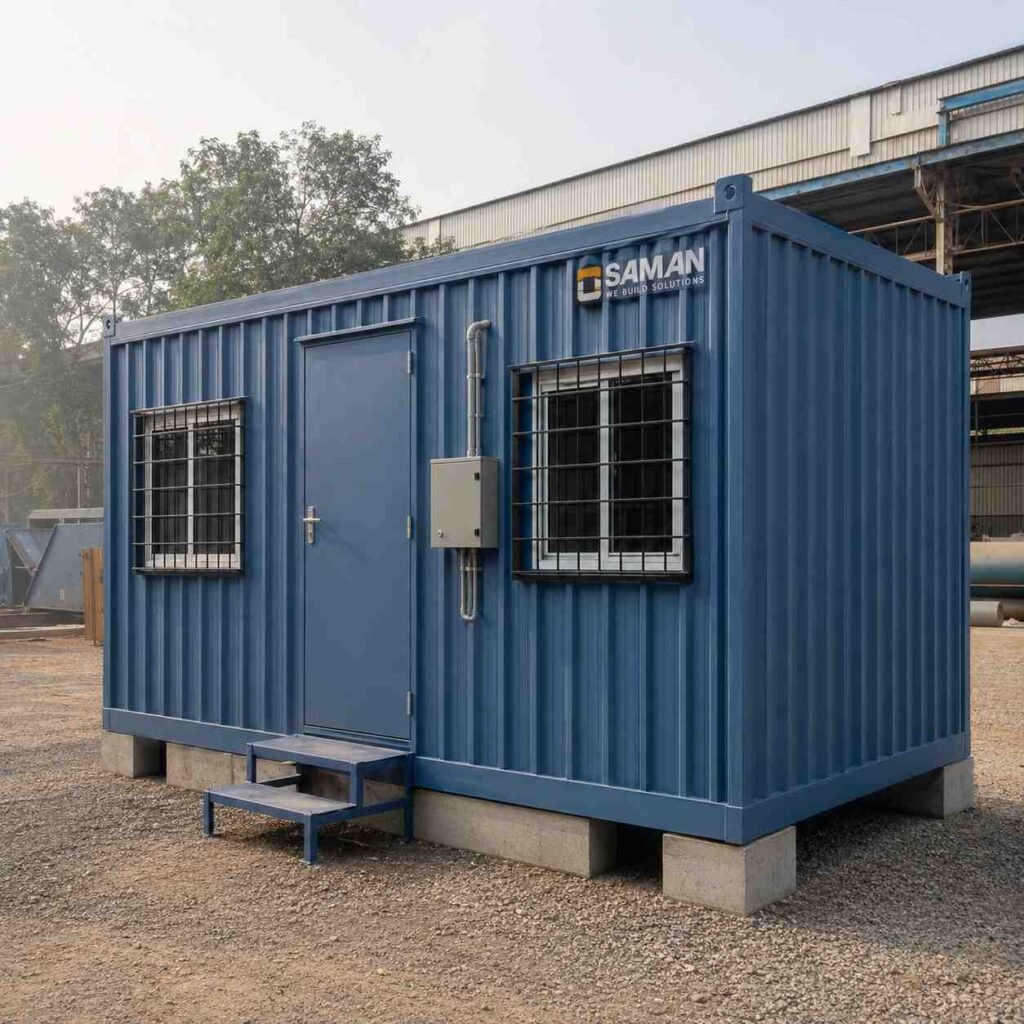
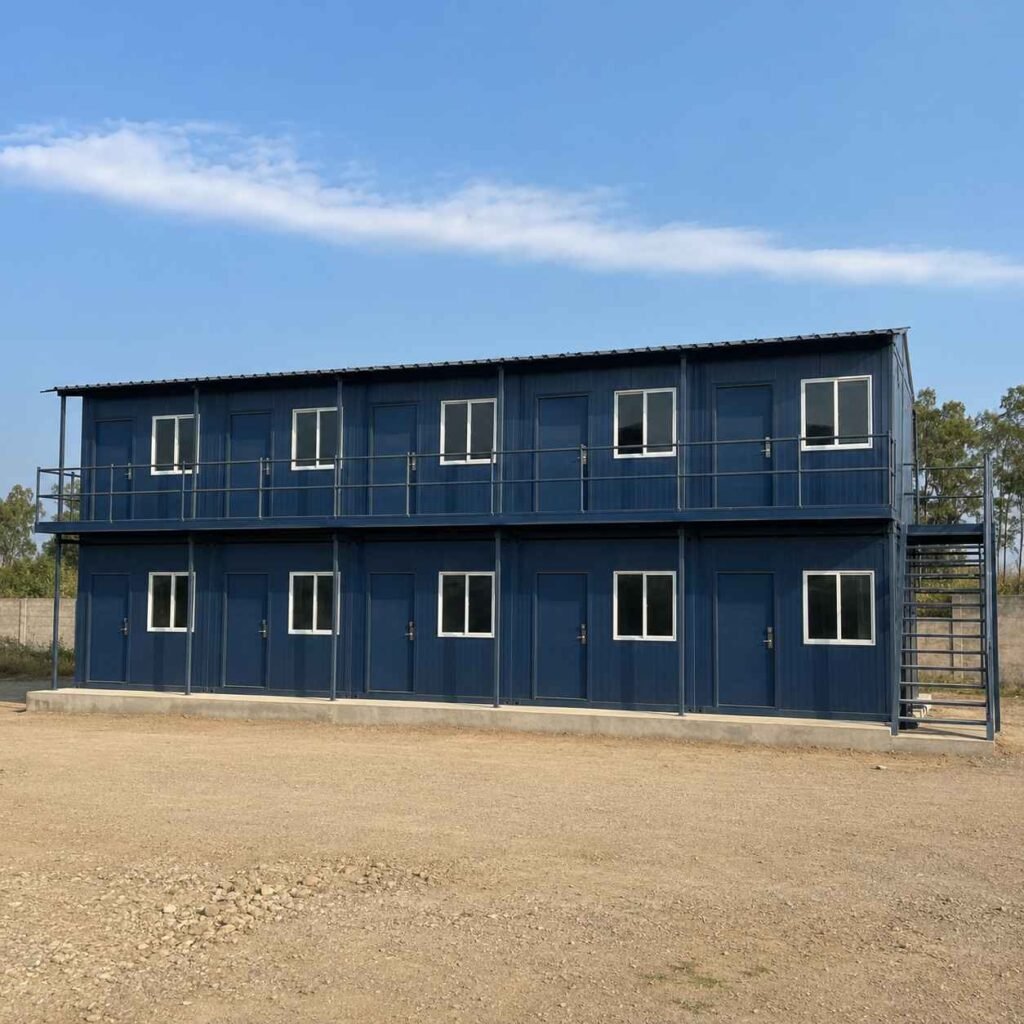
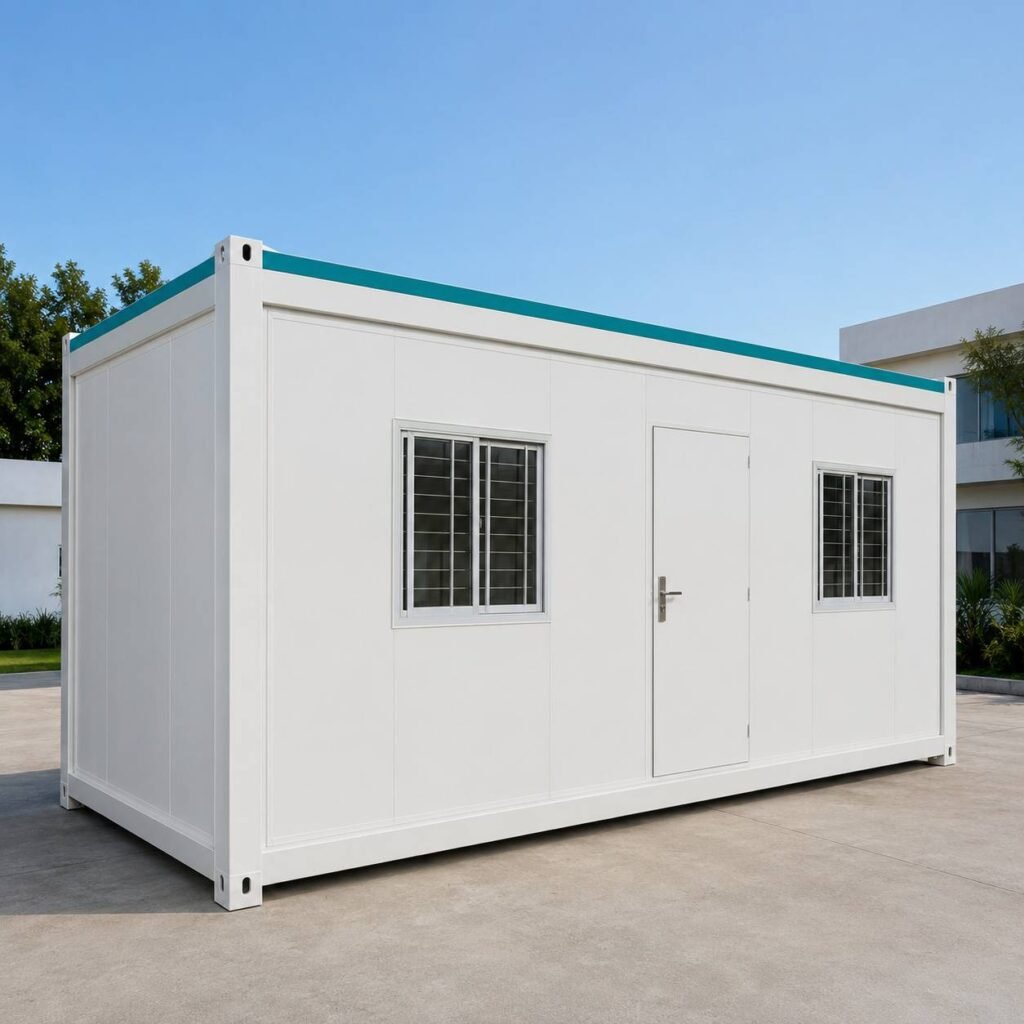
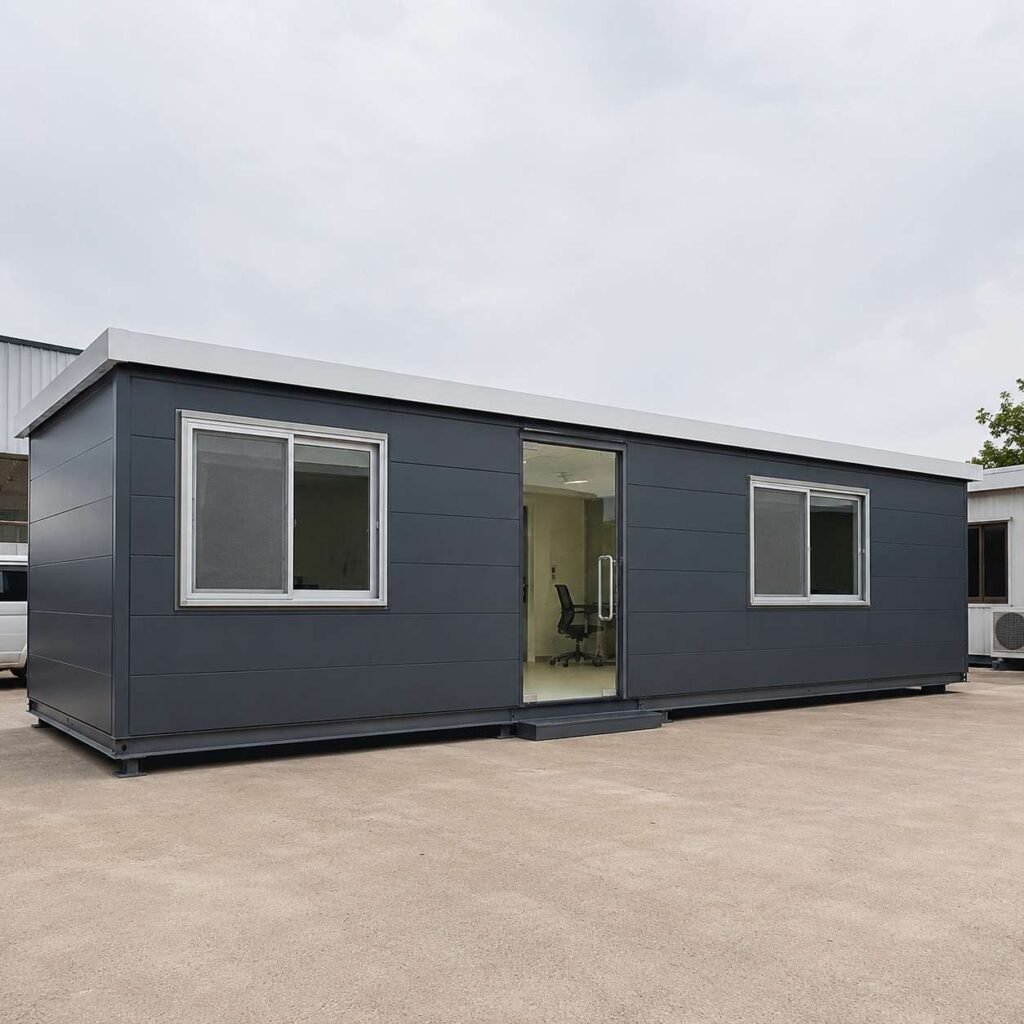
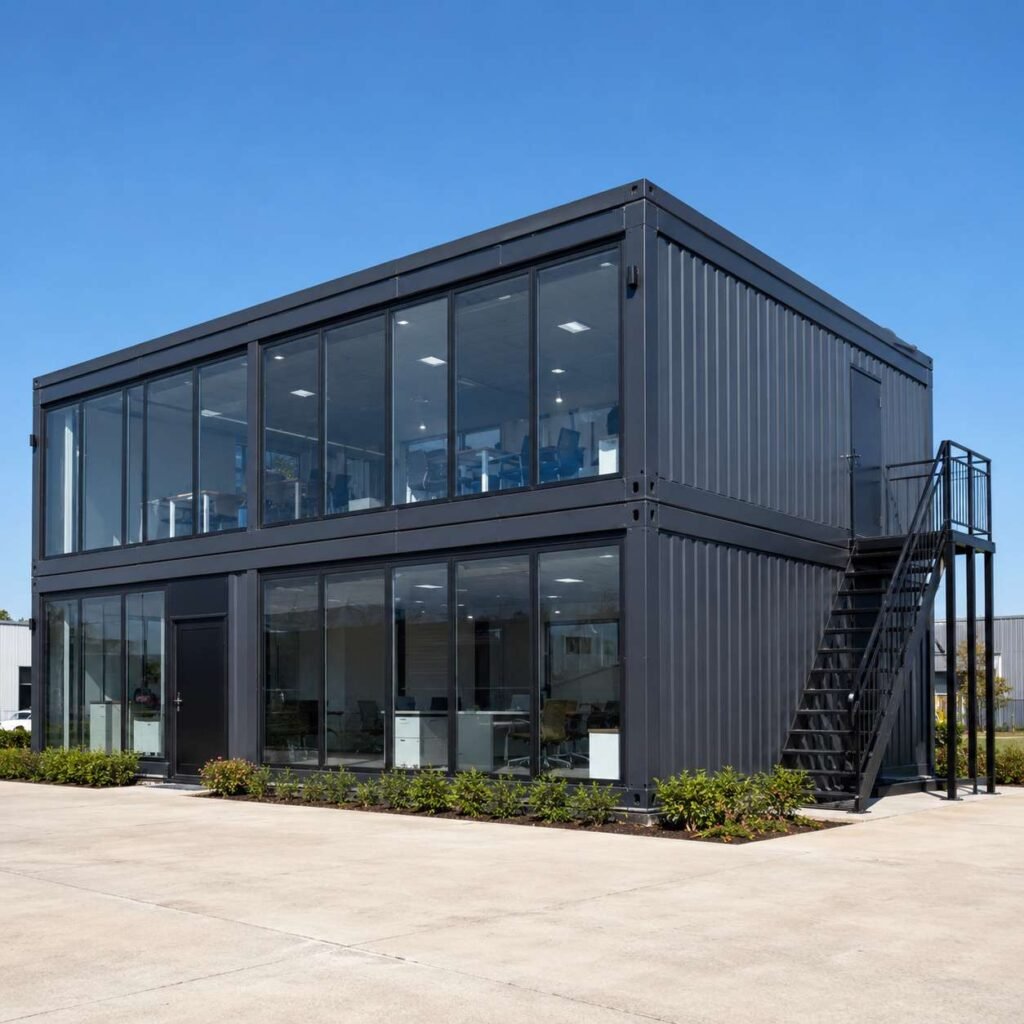
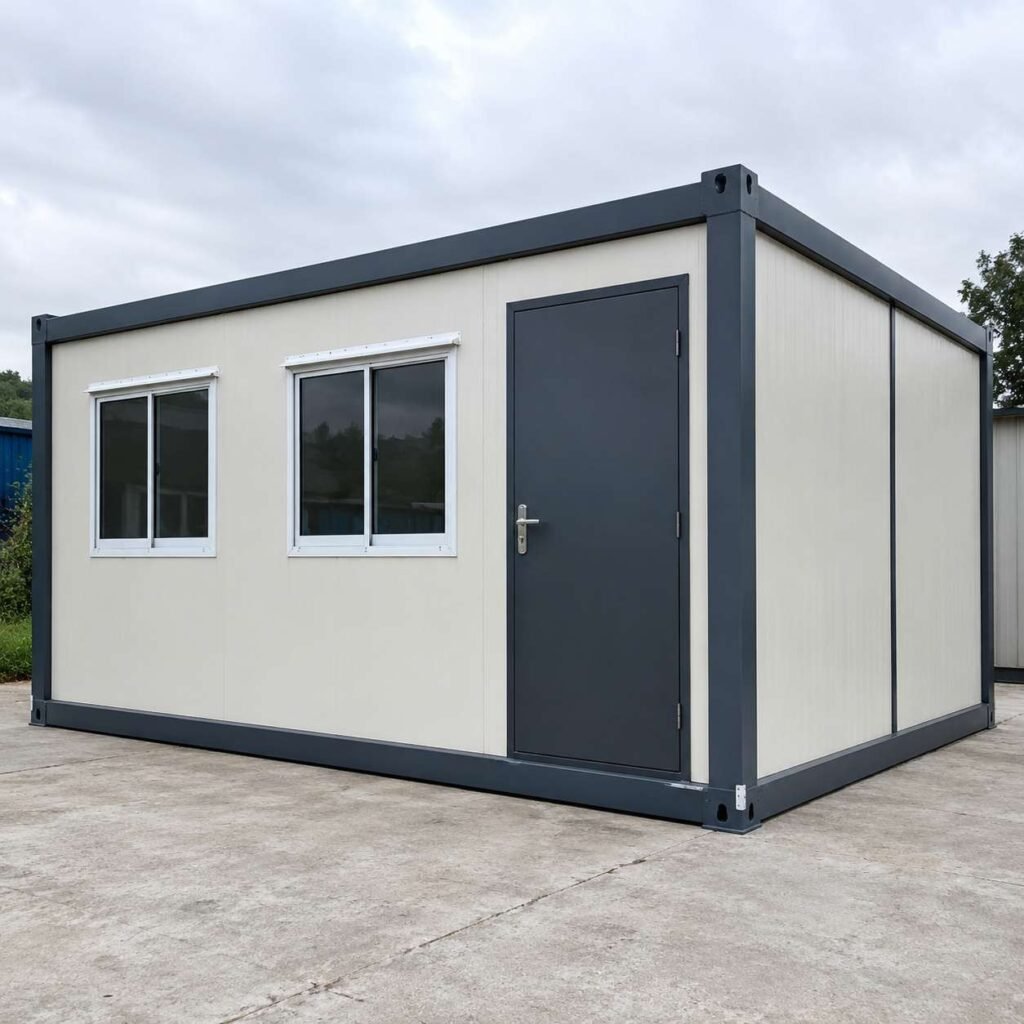
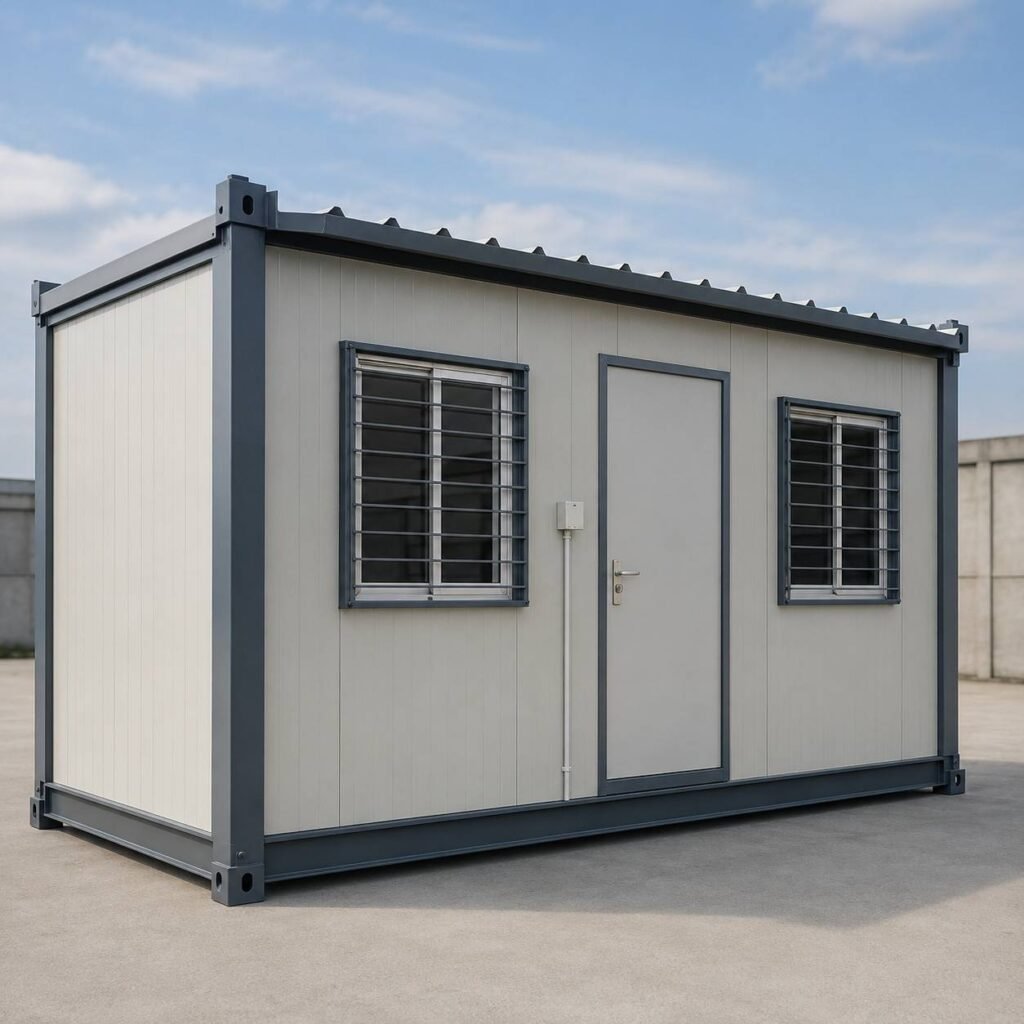
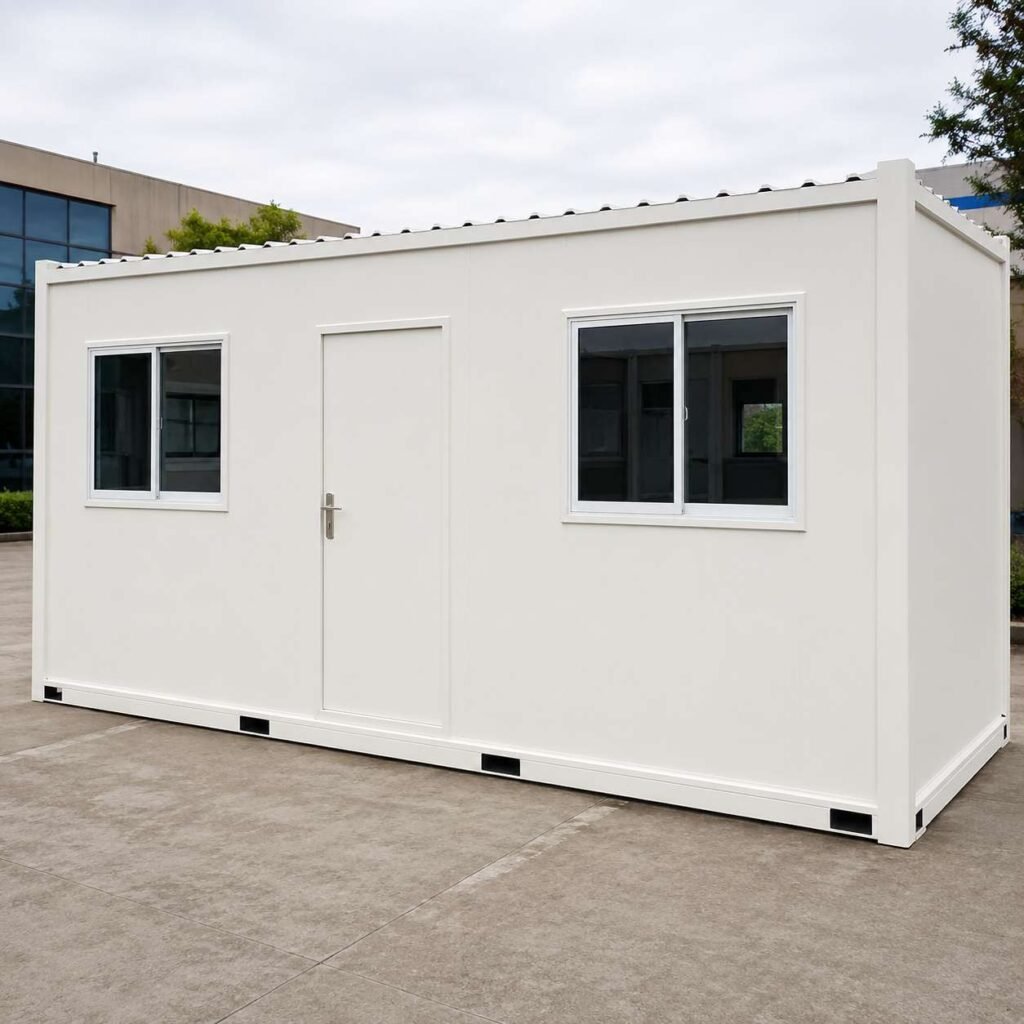
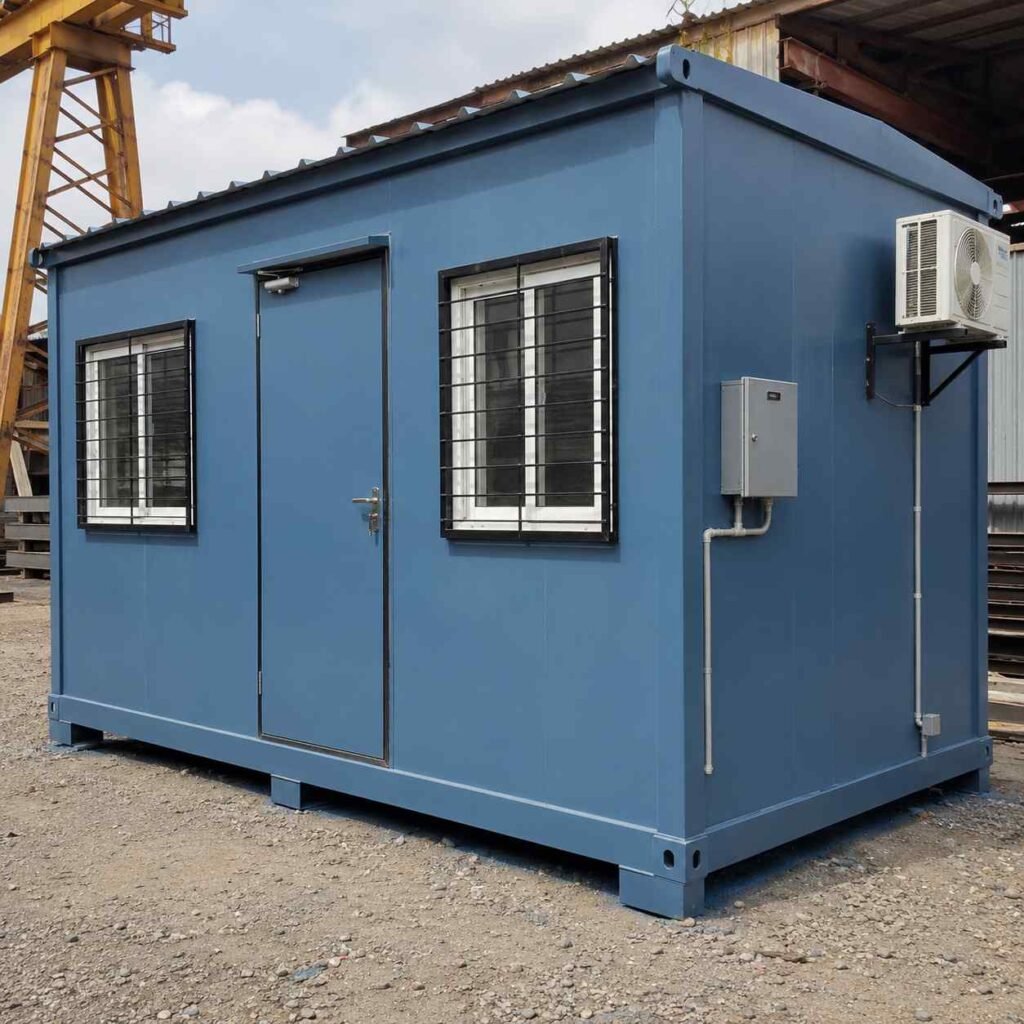
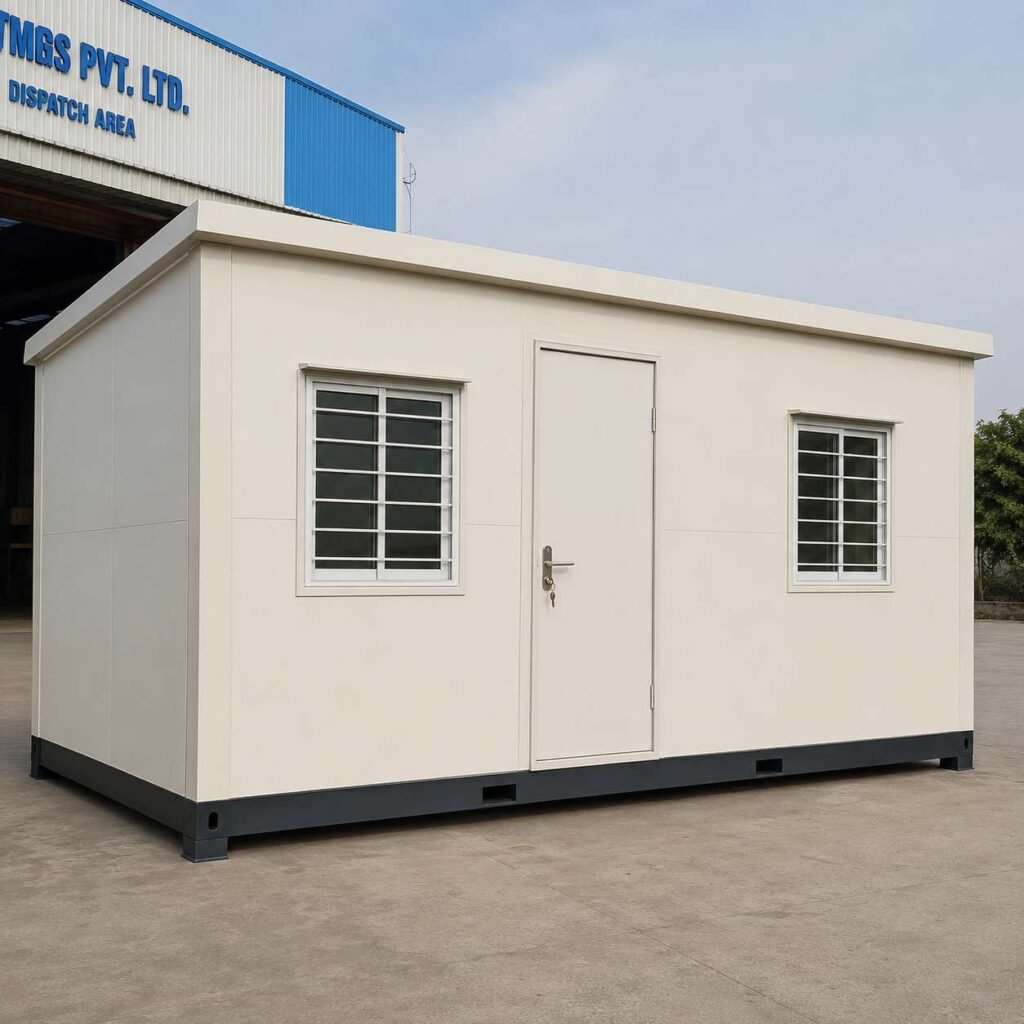
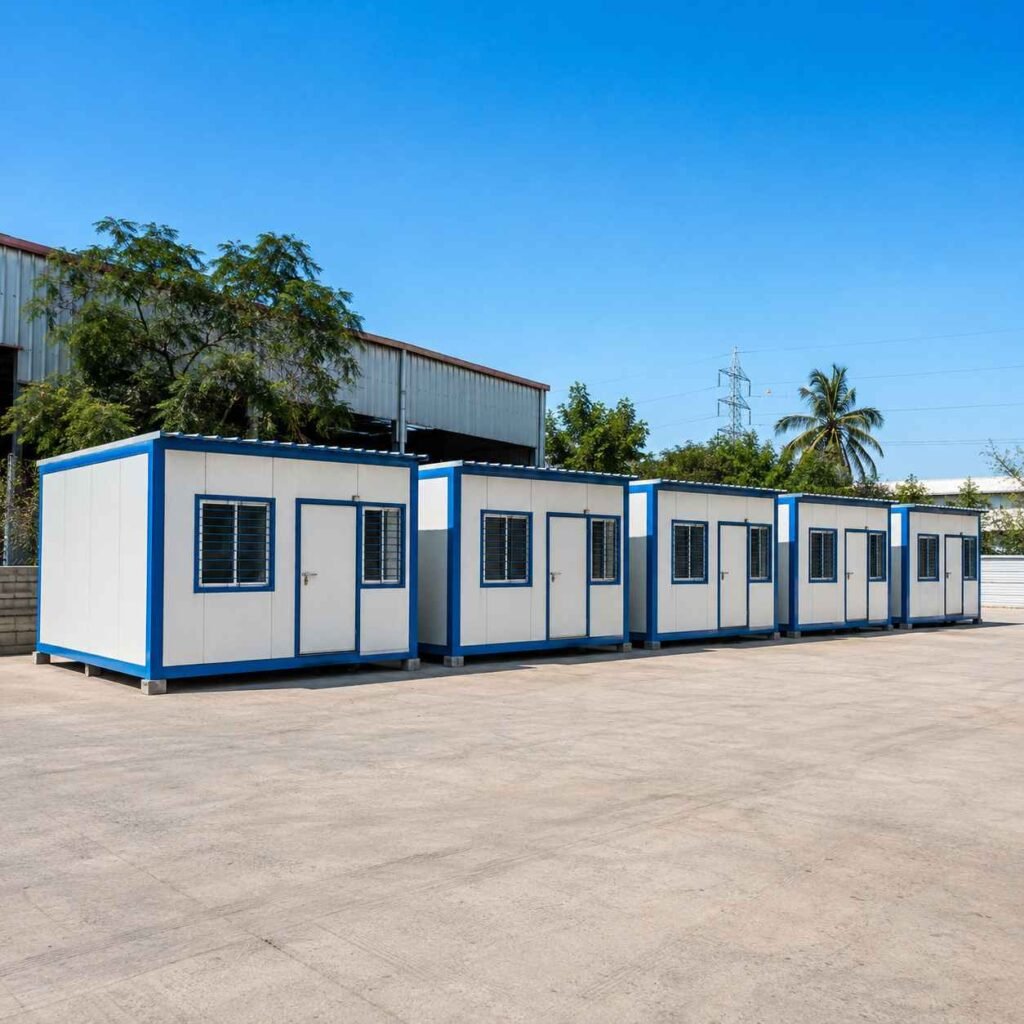
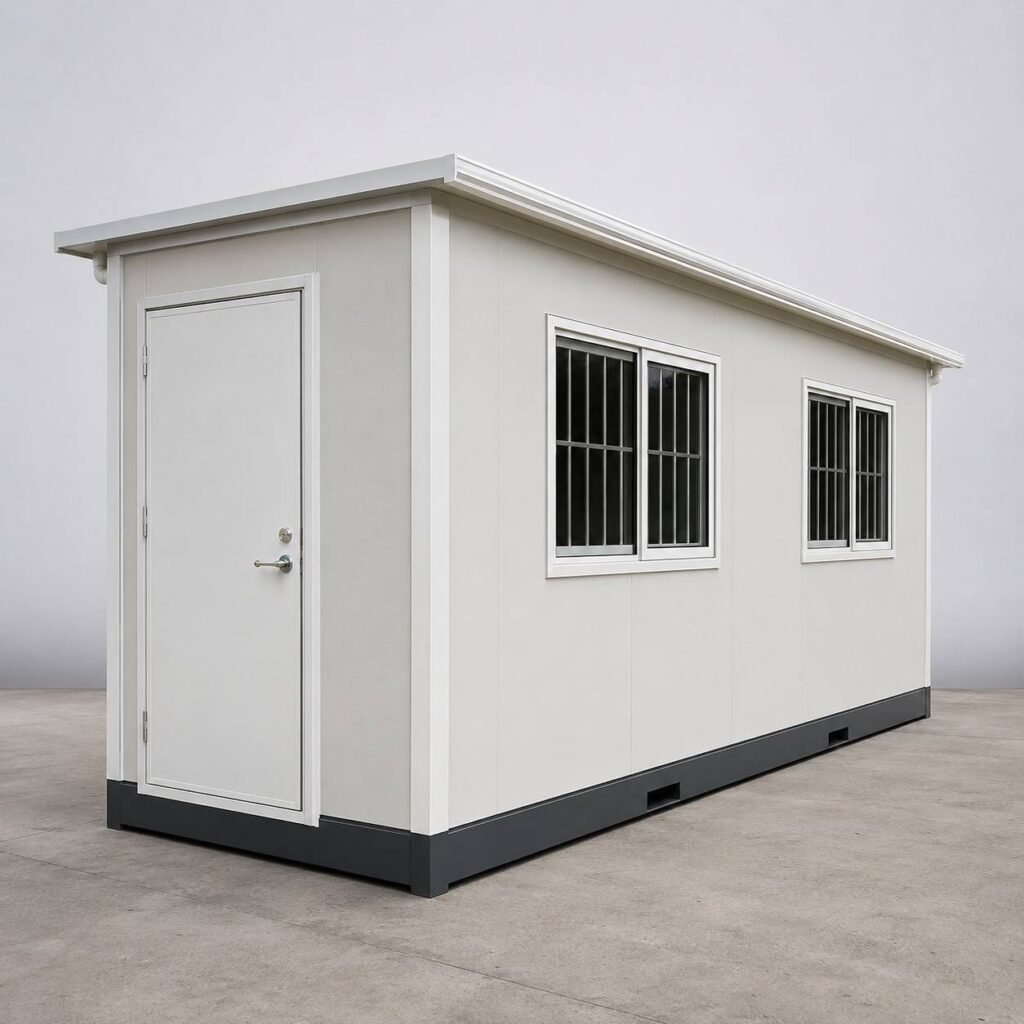
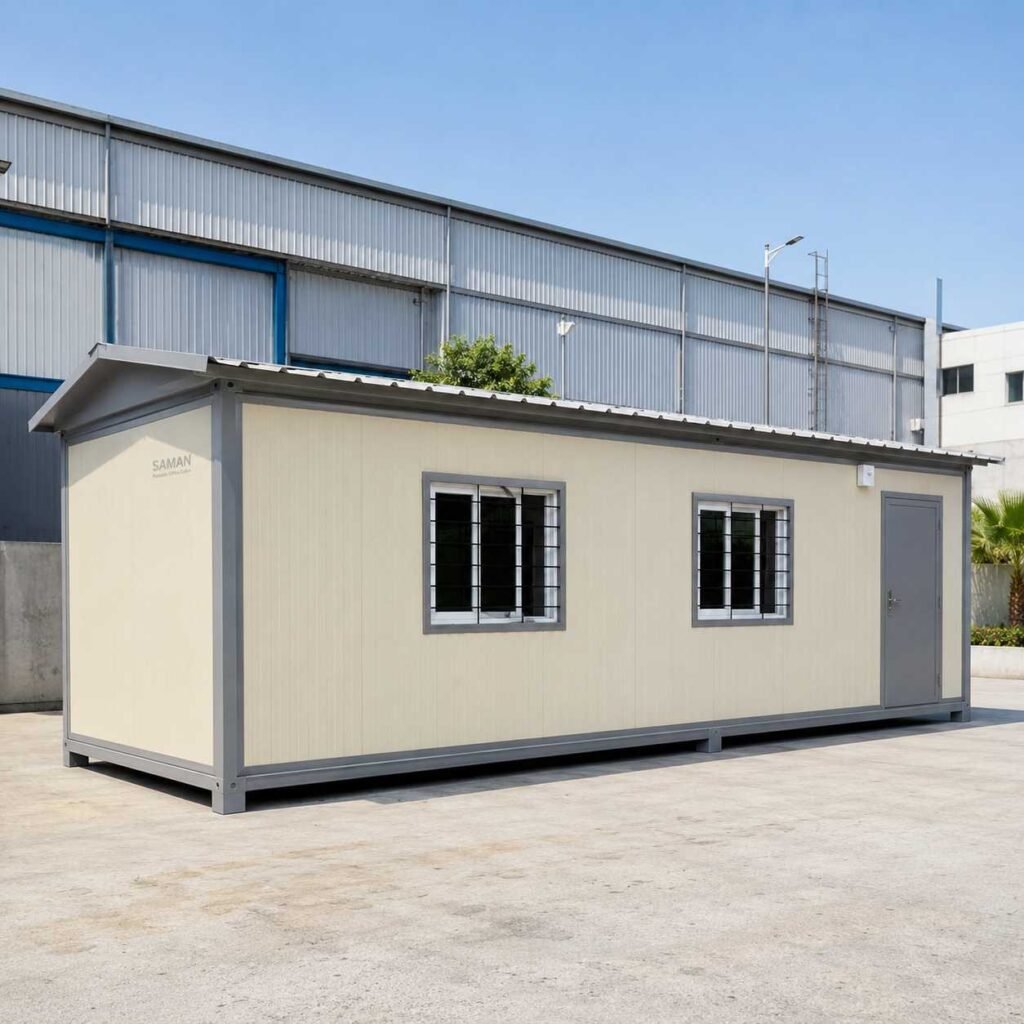
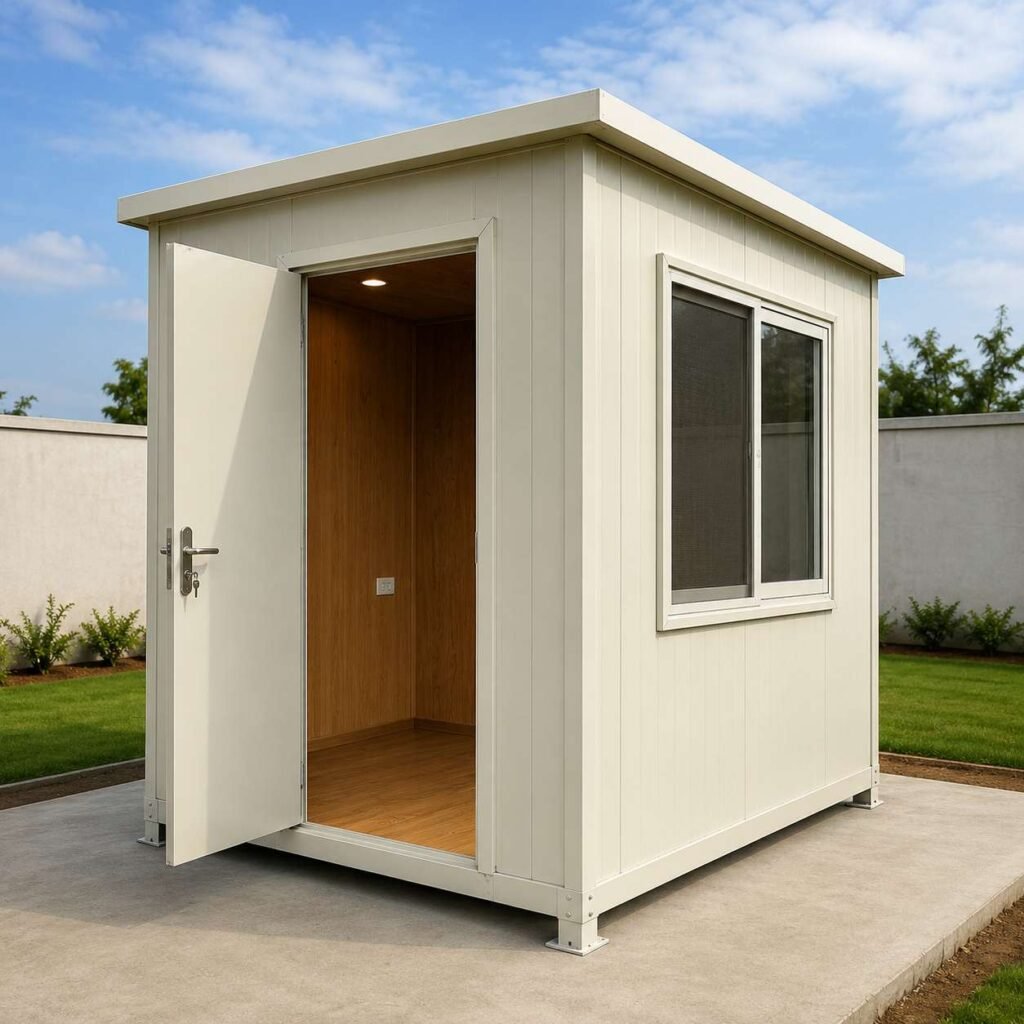
Portable Cabin House
Portable Cabin House Original price was: ₹267,000.00.Current price is: ₹256,000.00.
Back to products
Engineered Metal Buildings
Engineered Metal Buildings Original price was: ₹2,745,000.00.Current price is: ₹2,735,000.00.
Description

Pre-Engineered Buildings: The Future of Modern Construction

Pre-engineered industrial building with red roof

Strong PEB with red roofing and trims.

Pre-Engineered Buildings Explained: Definition, Features & Key Differences

Pre-engineered buildings are a modern engineered structure designed and fabricated in a controlled factory before being assembled on-site. Unlike traditional construction, which relies on brick and concrete, PEB construction reduces time, saves costs, and ensures high precision. These buildings are modular, durable, and widely used in industries like manufacturing, warehousing, retail, and aviation.

Definition and Core Features

At its core, a PEB building is a structural system where frames, columns, rafters, and beams are pre-designed using advanced engineering software. This ensures each element meets required load, wind, and seismic conditions. The parts are factory-made, shipped to site, and bolted together. As a result, the entire structure works as one efficient pre-engineered steel structure that delivers strength, speed, and reliability.

PEBs stand apart because they combine efficiency and flexibility. Primary framing carries most of the load, while secondary members like purlins and girts provide stability. Roof and wall claddings—often insulated—help regulate temperature, making PEBs energy efficient. Accessories such as skylights, ridge ventilators, and fire exits are integrated seamlessly into the design.

Difference from Traditional Construction

Traditional buildings depend on site-based processes, with concrete curing, scaffolding, and manual fabrication taking months. In contrast, PEB construction completes about 70–80% of the work off-site. A 10,000 sq. ft. warehouse may take 8–10 months in RCC but only 3–4 months with a PEB. Faster erection lowers labor costs, reduces financing burdens, and allows earlier business operations, improving overall ROI.

Another key difference is quality control. In RCC projects, weather conditions, labor skills, and material delays often cause inconsistency. In PEB building construction, every component is fabricated under strict factory standards. This ensures consistent quality, better safety, and compliance with codes like IS 800 and MBMA. Owners get reliable buildings that meet both functional and regulatory requirements.

Key Components of a PEB

Every pre-engineered building is composed of four main categories:

  • Primary framing: Columns and rafters designed to carry structural loads

  • Secondary members: Purlins, girts, bracings that support walls and roofs

  • Roof and wall panels: Color-coated or insulated sheets that protect interiors

  • Accessories: Skylights, ventilators, mezzanine floors, doors, and windows

Together, these components form a lightweight yet durable structure. With coatings like galvanization or high-micron paints, PEBs resist corrosion and harsh weather. Typically, a well-maintained industrial PEB building lasts over 40–50 years, making it a sustainable and long-term investment.

Top Benefits of Pre-Engineered Buildings: Speed, Savings & Flexibility

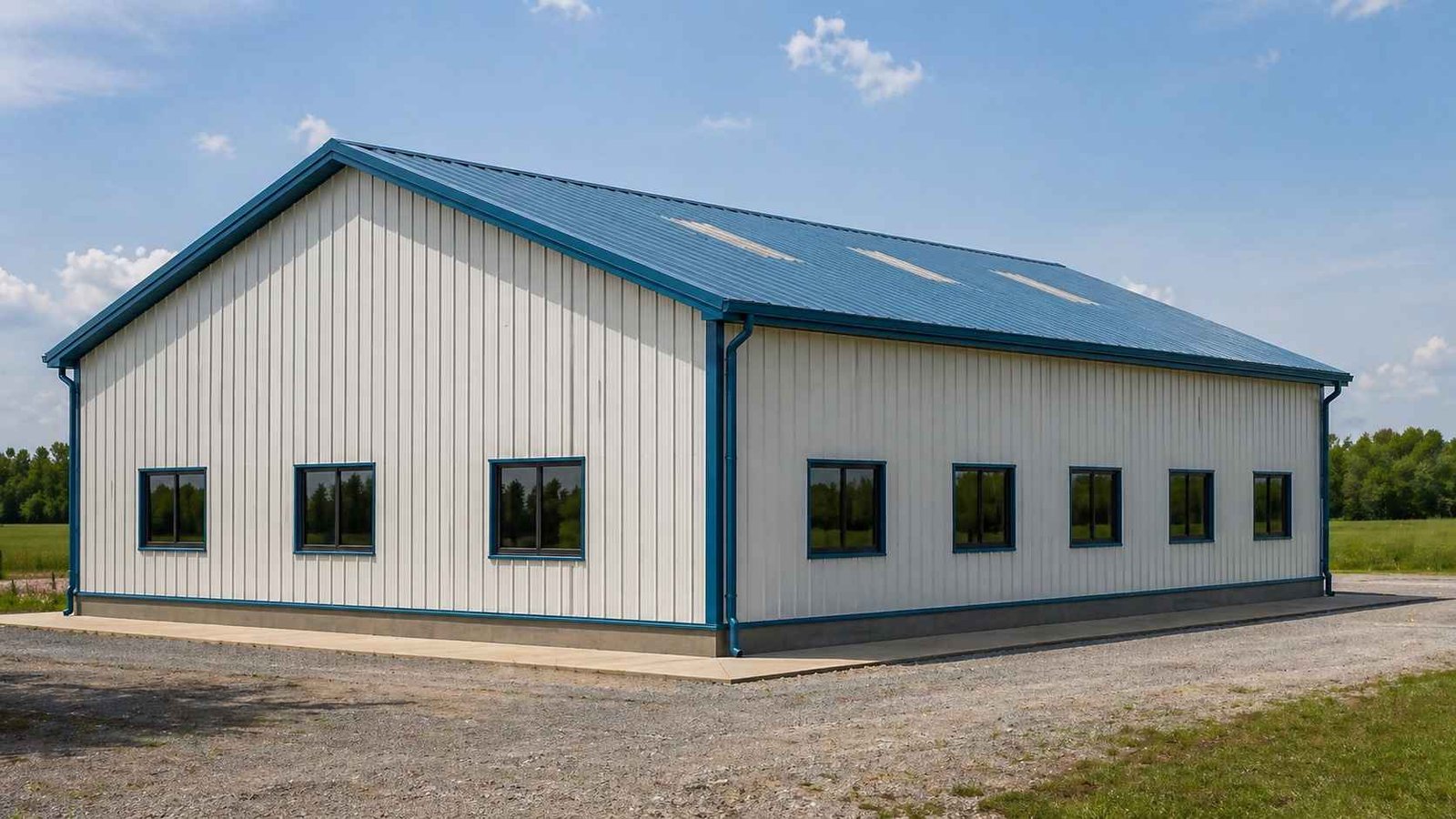
Modern pre-engineered building with blue roof and trims

Stylish PEB with blue roofing and light wall cladding.

A pre-engineered building offers many advantages over traditional methods. It combines speed, strength, and savings in one structure. Businesses today demand buildings that are durable, flexible, and compliant with modern standards. This is why PEB construction is becoming the first choice for industries worldwide. Let’s explore the benefits in detail.

Speed and Efficiency

One of the strongest advantages of a PEB building is speed. Around 70% of work is done in the factory before reaching the site. This reduces weather delays and labor shortages. A warehouse or factory that usually takes nine months can be finished in three to four months with PEB construction. Faster delivery means earlier operations and quicker returns.

Factory-controlled production also ensures precision. Each pre-engineered steel structure is cut, welded, and finished under strict quality checks. As a result, there are fewer errors on-site, reducing costly rework. Moreover, quick installation lowers overhead costs. Therefore, businesses benefit not only from faster completion but also from predictable timelines and minimized risks.

Cost-Effectiveness and ROI

Cost savings are another major reason why companies prefer PEB building construction. Materials are optimized using software, reducing waste by up to 30%. Since the weight of steel is lower than conventional RCC, foundation costs are also reduced. On average, a pre-engineered building saves 15–30% compared to a traditional structure of the same size.

The long-term financial picture is even stronger. Lower maintenance costs, reduced energy bills, and faster project completion improve ROI. For example, insulated roof and wall panels reduce cooling needs by up to 20%. Over a 20-year lifecycle, owners often recover their investment two to three times faster than with traditional buildings.

Table 1: Cost Comparison – PEB vs Traditional Construction

FactorPEB ConstructionTraditional RCC
Construction Time3–4 months8–10 months
Cost per sq. ft. (India)₹900–1,500₹1,400–2,200
Maintenance (15 yrs)LowHigh
ROI Period2–4 years6–8 years

Flexibility and Scalability

A big strength of PEB construction is flexibility. Owners can easily expand the structure by adding new bays or extending walls. For industries like logistics or retail, this adaptability is crucial. A factory can double its size with minimal downtime, something very hard to achieve in conventional construction.

Design flexibility is equally valuable. Buyers can choose roof slopes, cladding colors, skylights, mezzanine floors, or ventilation options. These customizations allow each industrial PEB building to meet unique project needs. Architects also prefer PEB systems because they can design clear-span spaces up to 90 meters, making them perfect for airports, warehouses, and stadiums.

Market Adoption and Global Growth

The rise of pre-engineered building suppliers worldwide shows how industries trust this model. Globally, the PEB market is expected to cross USD 40 billion by 2032, with a CAGR above 10%. In India alone, the sector is projected to grow from USD 2 billion in 2024 to over USD 6 billion by 2033, led by logistics, e-commerce, and manufacturing.

Adoption is not only about speed and cost. Companies increasingly select PEBs for sustainability, compliance, and future-ready designs. Large brands like Everest, Tata BlueScope, and Saman Portable are supplying efficient peb steel buildings that meet international codes and green building standards. This global shift highlights how PEBs have moved from “cheap sheds” to strategic business assets.

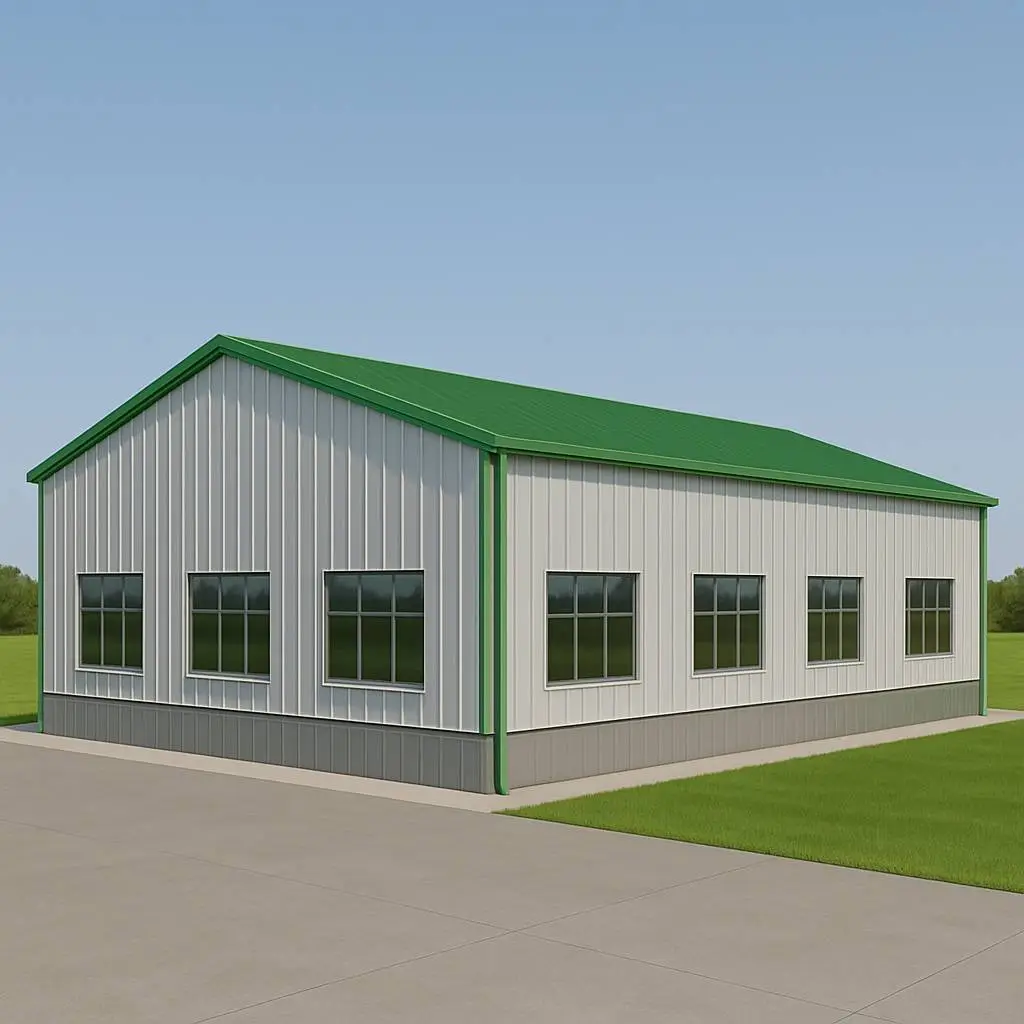
Pre-engineered building with green roof and trims

Eco-friendly PEB with modern green roofing.

Global vs India PEB Market Forecast

Market2024 Value2033 ValueCAGR
Global PEB MarketUSD 16–20 BnUSD 40–48 Bn10–11%
India PEB MarketUSD 2.01 BnUSD 6.33 Bn12.5%

PEB Safety & Compliance Standards: Essential Codes Every Buyer Should Know

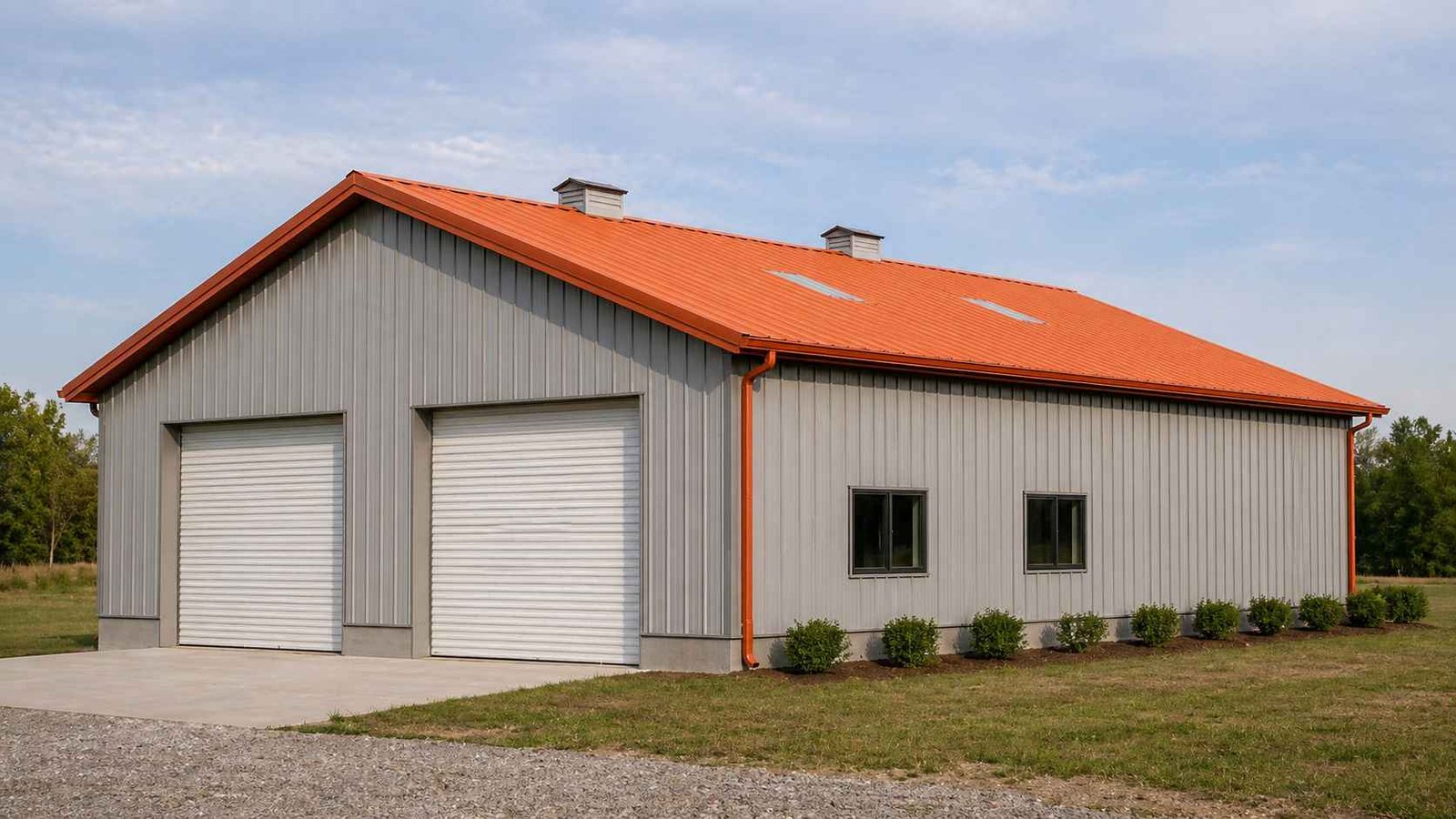
Pre-engineered steel building with orange roof

Bold orange-roofed PEB with strong steel structure.

A pre-engineered building is only as strong as the standards it follows. Safety and compliance are critical because PEBs often serve as factories, warehouses, and public facilities. Buyers want assurance that their buildings meet local and global codes. Therefore, understanding compliance helps owners avoid legal risks, accidents, and unexpected costs.

Indian Standards and National Building Code

In India, every industrial PEB building must follow the Indian Standards (IS) and the National Building Code (NBC). IS 800 provides guidelines for general steel design, while IS 801 covers light-gauge steel. Together, these ensure buildings can handle loads, wind speeds, and seismic activity. The NBC adds fire safety, accessibility, and disaster-preparedness rules.

Compliance is not just a legal formality. For example, a warehouse in Bangalore must follow seismic design categories to withstand earthquakes. Without meeting NBC and IS requirements, the facility risks structural damage and penalties. This is why experienced pre engineered building suppliers always document code compliance in design approvals and handover files.

Table 1: Key Indian Standards for PEB Construction

Code/StandardFocus AreaImportance
IS 800General steel designEnsures strength and stability
IS 801Cold-formed/light steel sectionsCovers lighter members
NBCFire, seismic, and safety rulesProtects life and property

Global Standards and Certifications

International projects demand compliance with global codes. The American Institute of Steel Construction (AISC) standards and the American Welding Society (AWS) codes guide fabrication and welding quality. The Metal Building Manufacturers Association (MBMA) provides manuals for designing peb steel buildings in industrial and commercial use. ASTM standards further define material testing and coating specifications.

For companies exporting or partnering with global firms, these certifications are essential. For instance, a pre engineered steel structure built for an airport in Dubai must comply with MBMA, ASTM, and AISC guidelines. Following these codes ensures international approval, smoother project execution, and stronger resale value.

Table 2: Global Standards Commonly Used in PEB Projects

Standard/CodeArea of ApplicationExample Requirement
AISCStructural steel designLoad factors and limit states
AWSWelding proceduresCertified welders, safety checks
MBMAMetal building guidelinesWind, snow, and seismic loads
ASTMMaterial and coatingsSteel grade, galvanization tests

Why Compliance Protects Buyers

Compliance goes beyond paperwork. It protects investments and saves lives. A PEB building construction project that ignores fire codes risks shutdowns, insurance refusals, and liability claims. Conversely, a compliant design reassures financiers, boosts resale value, and lowers insurance premiums. Buyers must demand compliance documents, site inspections, and third-party certifications before final acceptance.

Moreover, safety compliance extends the lifespan of the structure. For example, coatings that meet ASTM standards reduce corrosion in humid climates. Fire-rated panels approved under NBC rules protect both assets and workers. Therefore, compliance is not only about meeting today’s requirements but also about preparing for tomorrow’s risks.

Durability of Pre-Engineered Buildings: Low-Maintenance Strength That Lasts Decades

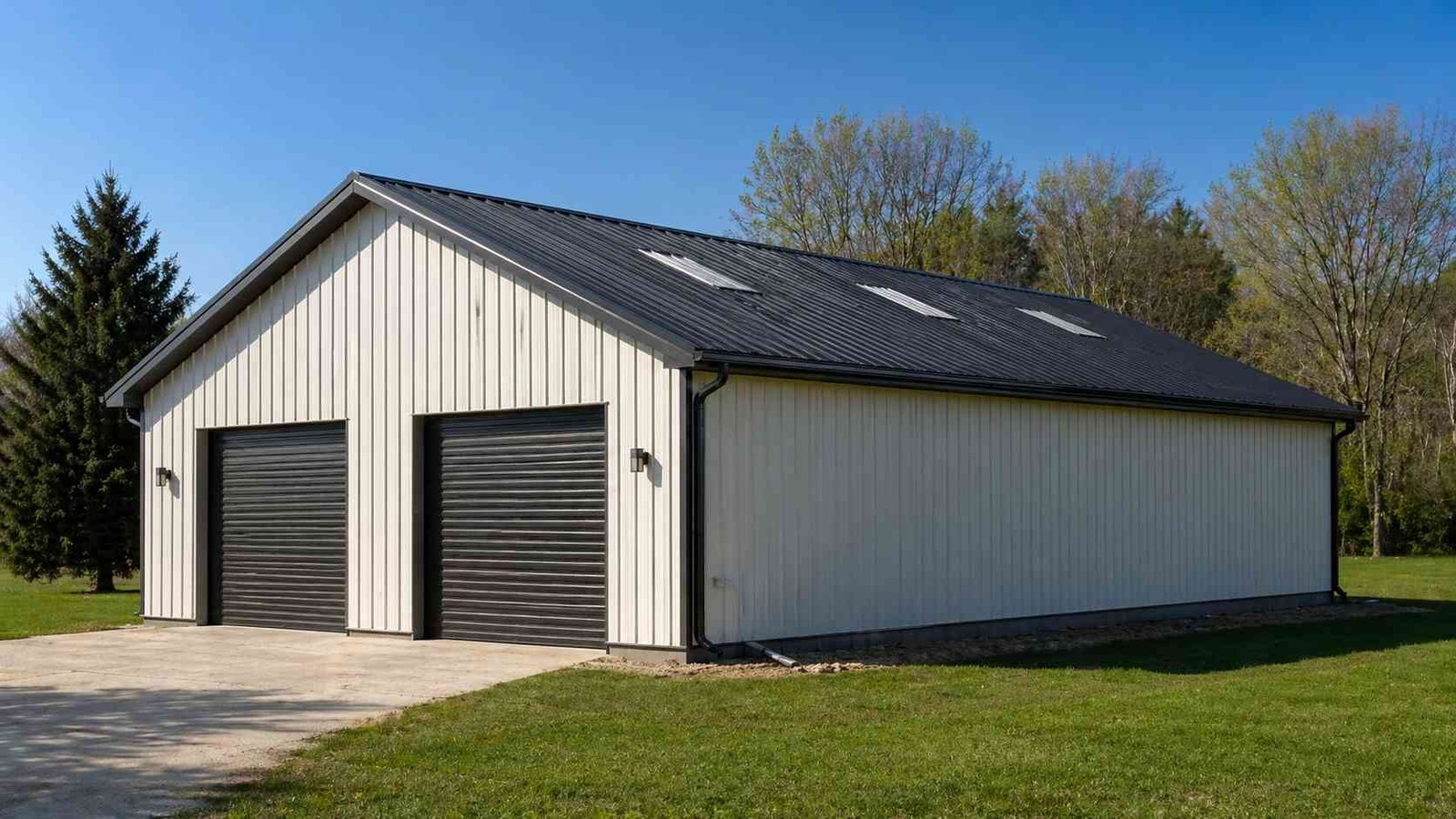
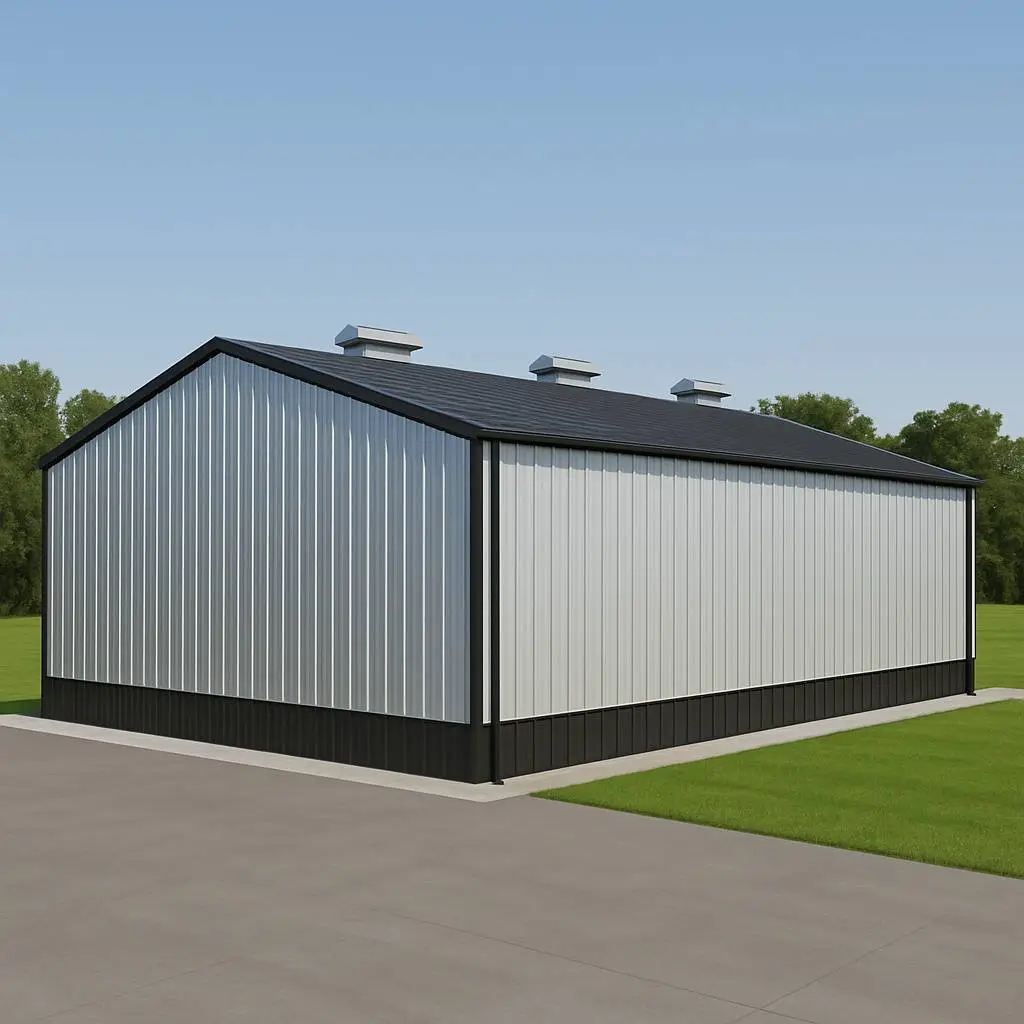
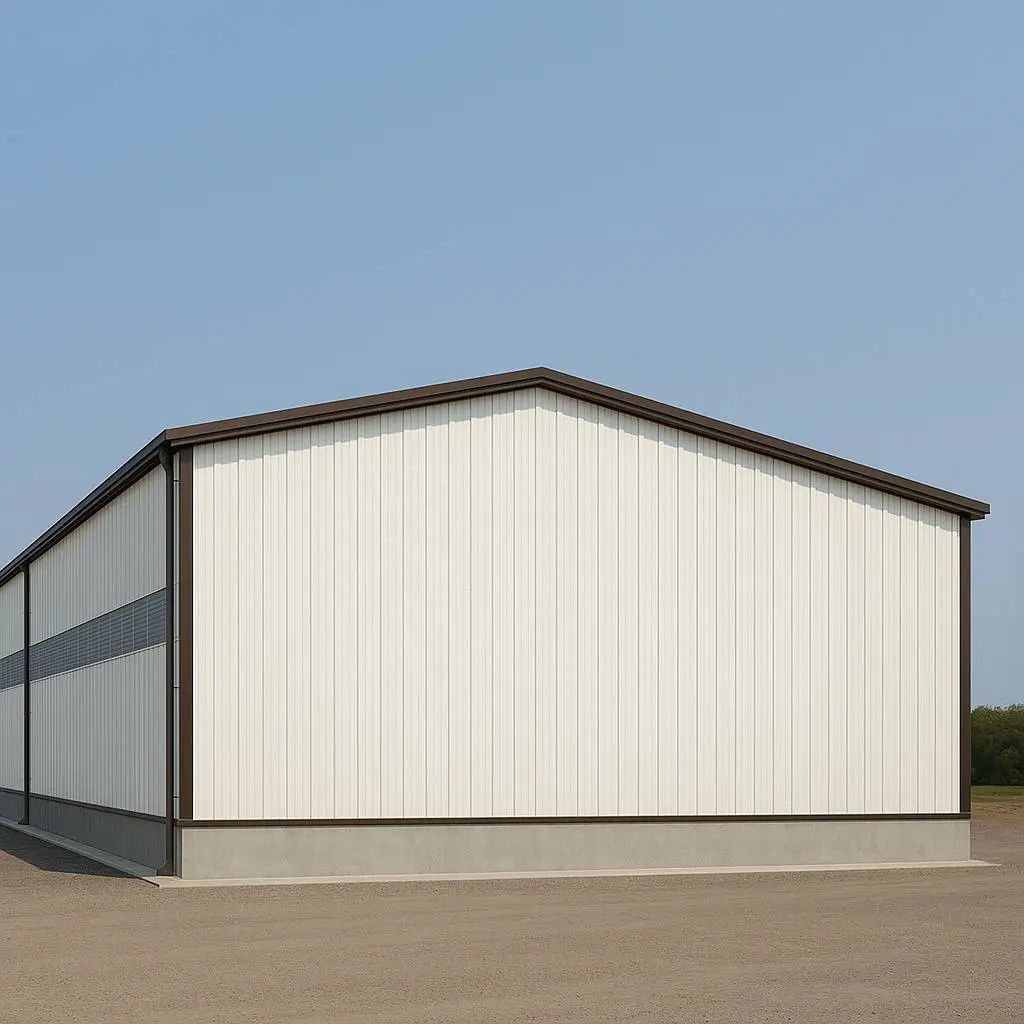
White pre-engineered steel building with black roof

Durable PEB with black roofing and skylight panels

A pre-engineered building is designed for strength and reliability. Buyers want structures that last decades with minimal upkeep. PEB construction excels here because it uses high-grade steel, protective coatings, and modular designs that resist wear. As a result, owners spend less on repairs and enjoy long-term performance compared to traditional concrete or brick buildings.

Long-Term Performance and Service Life

Steel is the backbone of every PEB building. Unlike conventional materials, steel does not crack, warp, or shrink under temperature changes. With galvanization and paint systems, a pre engineered steel structure can serve reliably for 40–50 years or more. This longevity makes PEBs a strong investment for industries like logistics, aviation, and manufacturing.

Performance is also consistent. Traditional buildings often show uneven settling or water seepage after 10–15 years. However, PEB frames remain stable when anchored to strong RCC foundations. Moreover, software-driven designs ensure accurate load distribution, reducing chances of structural fatigue. Therefore, buyers gain predictable service life backed by engineering precision.

Maintenance Requirements and Cost Savings

Another major advantage is low maintenance. PEB building construction requires only periodic inspections and minor repainting. Typically, roof panels are recoated every 10–12 years, and bolts or connections are checked during annual maintenance. Compared to RCC buildings that need frequent plastering, waterproofing, and pest control, PEB upkeep is faster, cheaper, and easier.

Maintenance savings add up quickly. Over a 20-year period, PEB owners may spend 30–40% less on repairs compared to RCC. For example, repainting steel cladding costs significantly less than repairing cracked concrete walls. Insulated PUF panels also improve weather resistance, reducing HVAC strain. In short, durability and low upkeep strengthen long-term ROI.

Table 1: Maintenance Cost Comparison – PEB vs RCC (20 Years)

FactorPEB ConstructionTraditional RCC
Annual InspectionBasic visual checkFull structural survey
Coating/WaterproofingEvery 10–12 yearsEvery 3–5 years
Pest/Termite ProtectionNot requiredRegular treatment
Avg. Lifecycle Cost₹85–159 per sq. ft.₹150–250 per sq. ft.

Weather, Fire, and Corrosion Resistance

A critical part of durability is resistance to harsh conditions. Modern industrial PEB buildings use high-strength steel with protective paints or galvanization to resist rust. In coastal or humid zones, zinc coatings or epoxy primers extend life further. Fire-rated panels and NBC-compliant fire exits also improve safety and protect assets during emergencies.

Additionally, insulated sandwich panels reduce condensation and protect stored goods. For example, cold storage facilities benefit from PUF panels that block heat and moisture. Skylights and ventilators also improve airflow, reducing the risk of mold. Together, these design elements make PEBs both tough and adaptable, capable of withstanding diverse climates.

Table 2: Durability Features of PEBs

FeatureBenefit
Galvanized steelCorrosion resistance in humid climates
Fire-rated panelsImproved safety and compliance
PUF/insulated panelsEnergy savings and moisture resistance
Modular designEasy replacement of damaged sections

Customization in Pre-Engineered Buildings: Flexible Designs for Every Industry

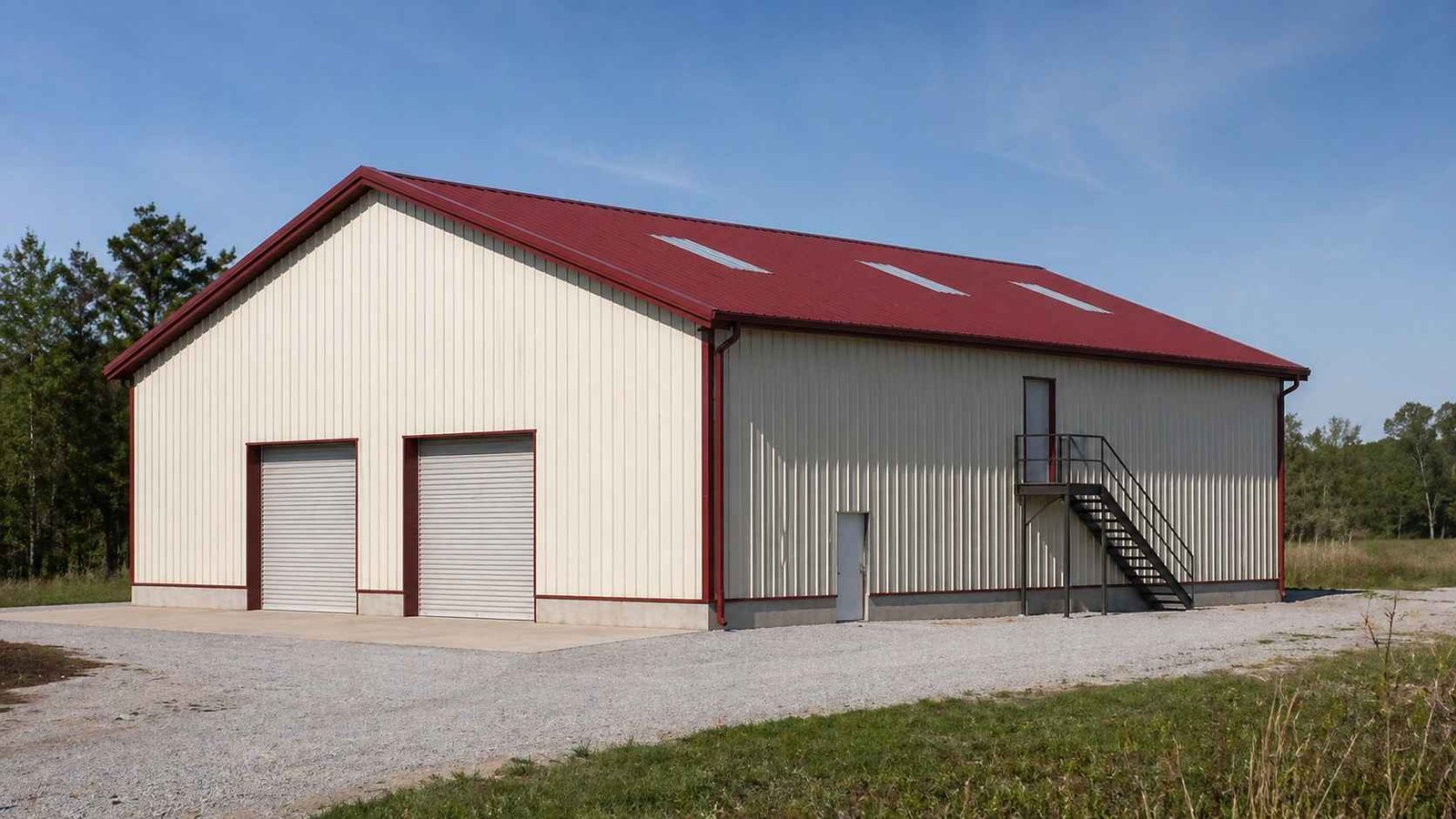
Pre-engineered steel warehouse with red roof and stairs

PEB with insulated panels and external staircase.

One of the biggest advantages of pre-engineered buildings is their flexibility. Buyers are no longer restricted to plain warehouse designs. Instead, they can customize every detail to meet industry needs. From roof styles to wall finishes, PEBs allow personalization without adding excessive cost or delays. This design freedom makes PEBs suitable for both industrial and commercial use.

Tailored Layouts and Structural Options

Every project comes with unique requirements. A cold storage facility may need insulated walls, while an airport hangar requires clear spans of 80–100 meters. With PEB construction, both demands can be met using modular frames. Engineers design flexible layouts that allow for expansion or reconfiguration in the future. This makes them more adaptable than traditional buildings.

Structural choices are also wide. Buyers can select single-span, multi-span, or hybrid systems depending on operations. For instance, a pre engineered steel structure with mezzanine floors can serve as both office and factory. This flexibility in framing allows industries to save costs while ensuring that spaces match functional needs.

Exterior Finishes and Aesthetic Choices

Beyond function, pre-engineered buildings also excel in design variety. Buyers can choose different roof slopes, wall cladding, and colors to match brand identity. For example, retail outlets often use glass facades and stylish canopies. Industrial plants may prefer insulated PUF panels for energy efficiency. These options make PEBs attractive for both utility and aesthetics.

Moreover, external finishes can be customized to improve energy performance. Reflective roofing materials lower heat gain, while insulated wall systems reduce HVAC costs. Options such as skylights and ventilators improve natural lighting and airflow. This combination of looks and function ensures that a PEB is not just practical but also modern and appealing.

Common Customization Options in PEBs

FeatureOptions AvailableBenefits
Roof DesignSingle slope, multi-slope, curvedBetter drainage, unique design
Wall CladdingPUF, ACP, sheet metal, glassEnergy savings, branding appeal
Mezzanine FloorsSteel decks, composite slabsAdditional office or storage
Openings & AccessSkylights, ventilators, canopiesComfort, safety, natural light

Industry-Specific Applications

Different industries value customization in different ways. For example, logistics companies want expandable warehouses, while retailers demand attractive storefronts. Aviation requires large hangars with fire-rated panels, while education institutions need modular classrooms. In every case, industrial PEB buildings deliver tailored solutions faster and cheaper than conventional options.

In India, leading pre engineered building suppliers like Saman Portable and Everest Industries are offering sector-specific designs. Warehouses, cold storage facilities, and airports have already adopted PEBs for faster deployment. As industries expand, customization ensures that structures remain flexible to meet future demands.

Examples of Industry-Specific Customizations

IndustryCustom FeaturePurpose
LogisticsExpandable baysAccommodate growing inventory
RetailGlass facades, mezzanine floorsEnhance brand visibility
AviationClear spans, fire-rated panelsSafe hangar space for aircraft
EducationModular classroomsQuick deployment in growing areas

Sustainability in Pre-Engineered Buildings: Driving Net-Zero Goals

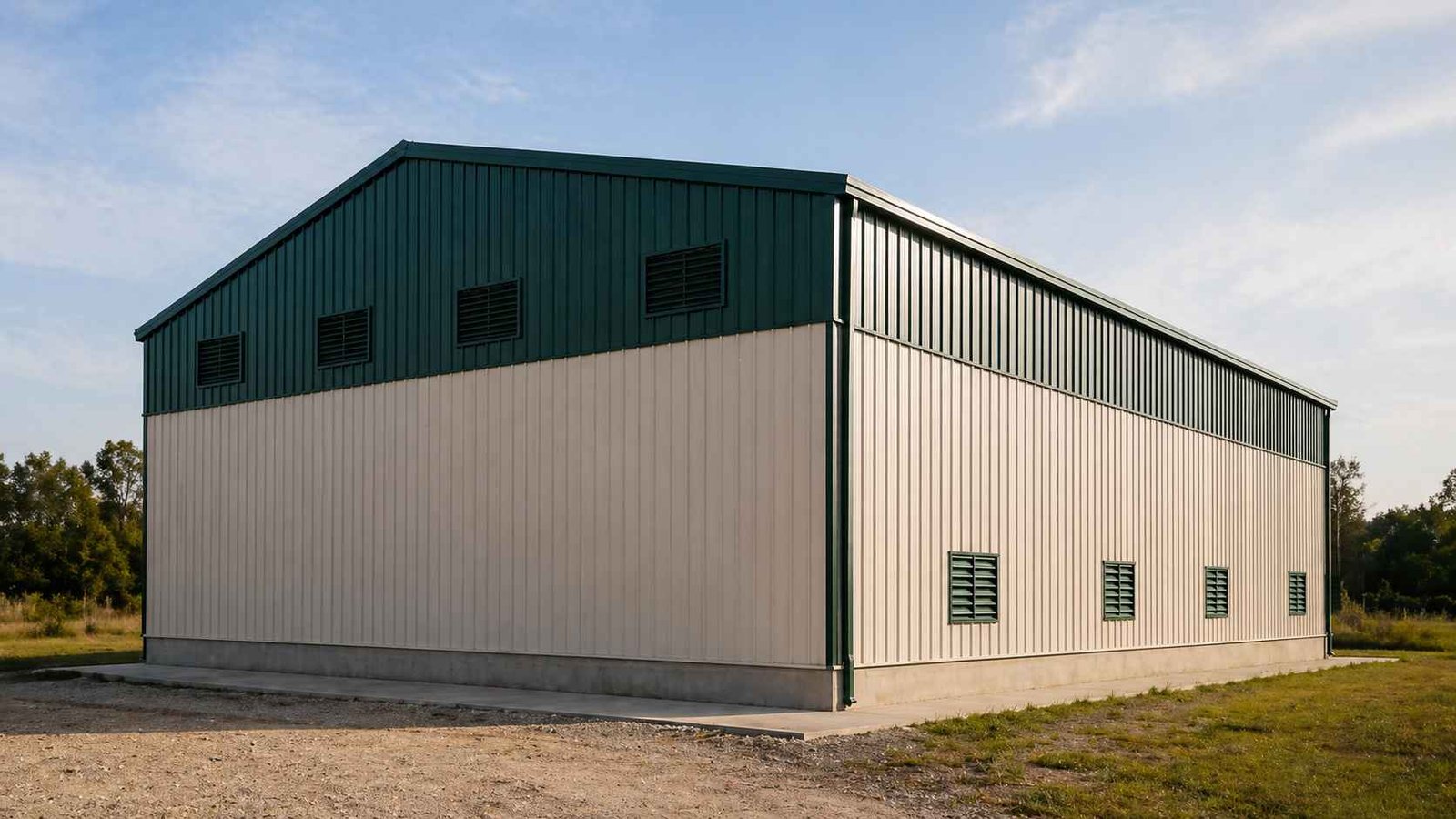
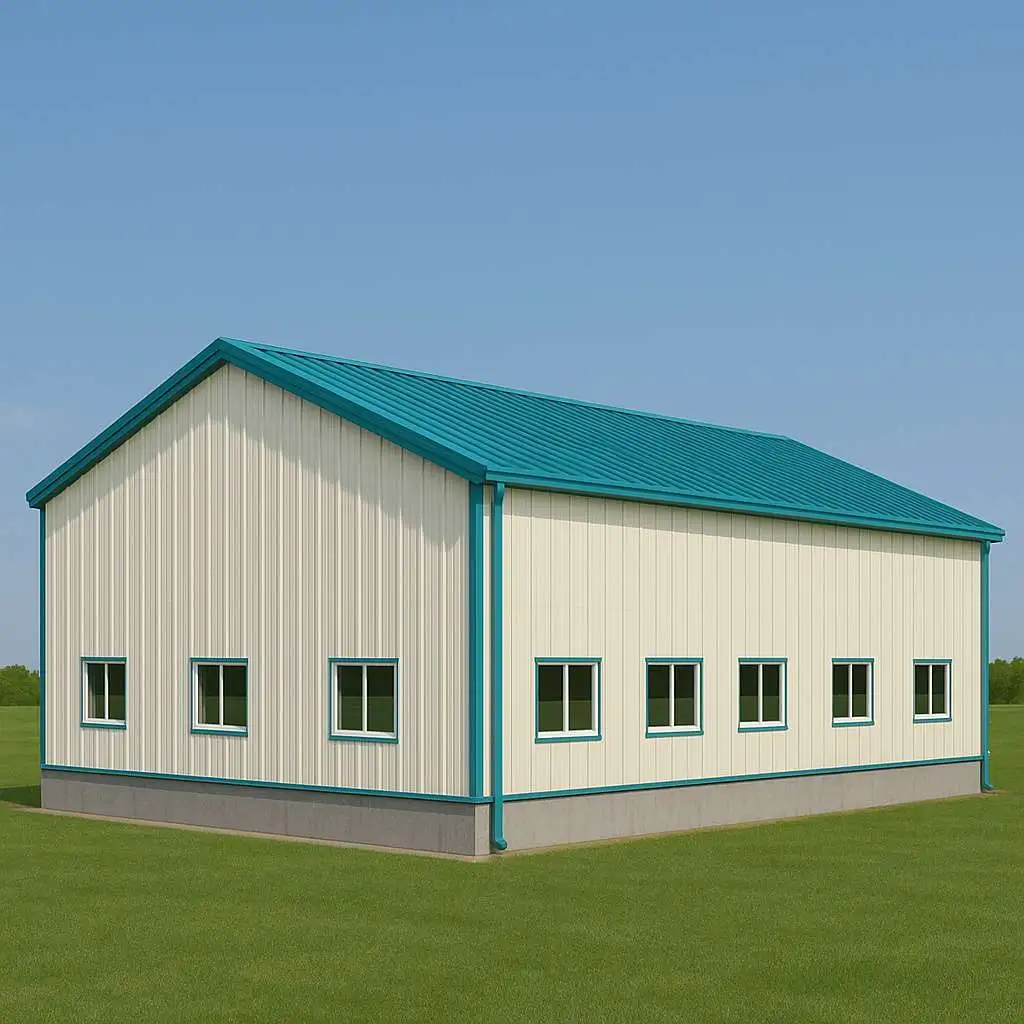
Pre-engineered steel building with teal roof and beige walls

Dual-tone PEB with teal roof and wall ventilation.

Modern businesses are under pressure to reduce carbon footprints and adopt green construction. Pre-engineered buildings provide a practical path toward sustainability. Designed with recyclable steel and factory-controlled processes, PEBs cut waste, lower energy use, and align with global net-zero goals. This makes them one of the most sustainable building choices today.

Energy Efficiency and Environmental Benefits

The design of pre-engineered buildings supports reduced energy consumption. Insulated roof and wall panels lower heating and cooling loads by up to 20%. Reflective coatings reduce solar heat gain, while skylights and ventilators improve natural lighting. These measures save energy, reduce operational costs, and create comfortable workspaces.

Factory fabrication also reduces construction waste by 25–50% compared to traditional methods. Since steel is 90% recyclable, most of the structure can be reused at the end of its lifecycle. Together, these features help businesses earn LEED or GRIHA certifications and improve ESG compliance.

Green Steel and Circular Economy

The shift to green steel further enhances PEB sustainability. Green steel, produced with electric arc furnaces powered by renewable energy, cuts emissions by up to 90%. When used in PEB construction, it lowers embodied carbon significantly. This supports the circular economy by recycling scrap steel and reducing dependence on virgin raw materials.

The adoption of green steel also adds market value. Buyers investing in industrial PEB buildings with green steel can showcase their commitment to climate goals. As regulations tighten worldwide, this future-proofs assets against stricter compliance standards. Thus, material innovation strengthens both sustainability and long-term profitability.

Sustainability Benefits of PEBs

FeatureImpact
Insulated Panels15–20% energy savings
Recyclable Steel85–90% recovery at end-of-life
Factory Fabrication25–50% less waste on site
Green Steel IntegrationUp to 90% lower embodied carbon

Certifications and Government Incentives

Another major sustainability driver for pre-engineered buildings is certification readiness. PEBs align well with LEED (international) and GRIHA (India) standards. High-performance envelopes, solar-ready roofs, and efficient waste management help achieve credits. Certified projects often enjoy tax rebates, faster approvals, and higher market valuations.

Governments worldwide, including India, offer incentives for green-certified projects. Subsidies, rebates on renewable energy systems, and priority clearances are becoming common. By choosing PEBs, buyers gain not only operational savings but also regulatory and financial advantages. These benefits improve long-term ROI while meeting sustainability goals.

Innovations for Sustainable PEBs

Modern PEB suppliers now integrate renewable systems directly into designs. Rooftop solar panels, rainwater harvesting systems, and AI-driven energy management are common features. For example, Saman Portable provides PEBs with integrated solar-ready roofing that reduces reliance on grid power. Such innovations create smarter, greener, and more resilient buildings.

Sustainable Add-Ons in PEBs

Add-OnFunctionBenefit
Rooftop SolarGenerate clean energyLower electricity bills
Rainwater HarvestingCollect & reuse waterReduced municipal demand
Smart IoT SensorsMonitor energy usePredictive maintenance & savings
Reflective RoofingReduce heat absorptionLower cooling costs

Choosing the Right Supplier for Pre-Engineered Buildings: Avoiding Costly Risks

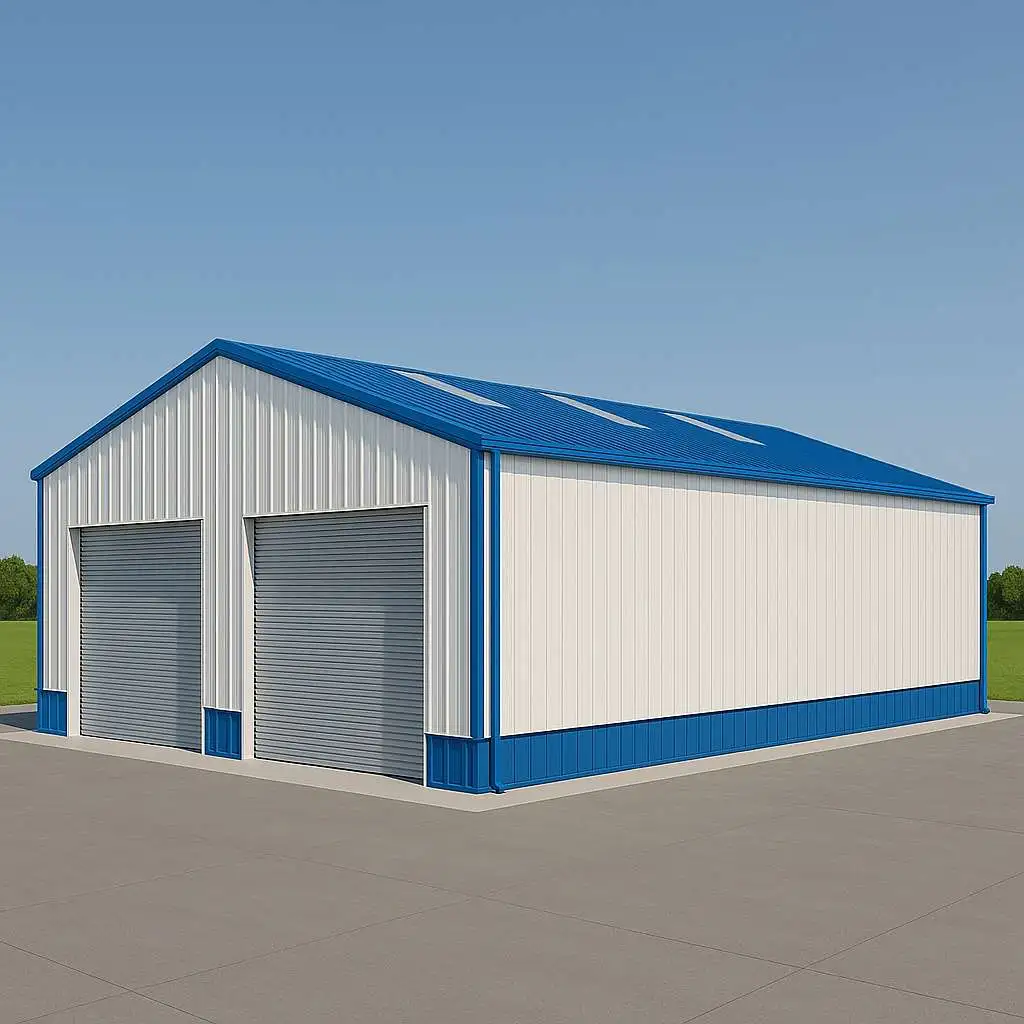
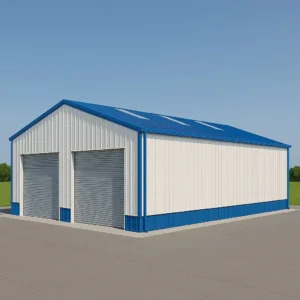
Grey PEB with dark blue roof and shutter doors

Grey PEB with contrasting blue roofing.

Selecting the right supplier is one of the most important decisions when investing in pre-engineered buildings. A strong supplier ensures compliance, durability, and on-time delivery. On the other hand, a weak partner may cause delays, hidden costs, and safety risks. Buyers must carefully evaluate credentials, capacity, and credibility before signing contracts.

Key Factors in Supplier Selection

When shortlisting pre-engineered building suppliers, several factors stand out:

  • Experience and Track Record: Established suppliers have proven expertise across industries.

  • Certifications and Standards: Look for ISO, IS, MBMA, or ASTM compliance.

  • Manufacturing Capacity: A strong facility ensures timely production.

  • Design and Engineering Support: In-house engineers provide better customization.

  • After-Sales Service: Good suppliers offer warranties and quick support.

Checking these aspects reduces risks and improves overall ROI. Therefore, businesses should prioritize suppliers with clear documentation, transparent pricing, and positive references.

Supplier Evaluation Checklist

CriteriaWhy It MattersWhat to Verify
CertificationsEnsures compliance & qualityISO, IS 800, ASTM, MBMA certificates
ExperienceProven project successCase studies, client references
CapacityOn-time project deliveryFactory size, production capacity
Customization SupportTailored design solutionsIn-house engineering & software use
After-Sales ServiceLong-term reliabilityWarranty, maintenance contracts

Risks of Choosing the Wrong Supplier

Not all suppliers maintain the same standards. Poor-quality PEB construction can lead to safety hazards, higher lifecycle costs, and compliance failures. For instance, using uncertified steel may cause corrosion or collapse under load. Similarly, suppliers without experience in large projects may delay delivery, affecting business operations and finances.

Another hidden risk is undisclosed pricing. Some suppliers underquote initially and later add extra charges for accessories or installation. Buyers must request detailed quotations covering every component—frames, cladding, bolts, and accessories. Transparency avoids budget shocks and builds trust between buyer and supplier.

Common Risks with Unreliable Suppliers

RiskImpact on BuyerHow to Avoid
Low-quality materialsStructural failure, high repairsDemand certified steel and coatings
Hidden costsBudget overrunsAsk for itemized, transparent quotes
Delayed deliveryProject stoppages, financial lossVerify factory capacity and timelines
Weak documentationLegal penalties, compliance issuesInsist on IS/NBC/ASTM code compliance

How Trusted Suppliers Build Confidence

Working with reliable suppliers of industrial PEB buildings gives peace of mind. Trusted companies provide clear contracts, compliance documents, and quality guarantees. They also assist in regulatory approvals and offer support during erection. For example, Saman Portable ensures projects meet both Indian and global standards, helping buyers reduce risks while maximizing ROI.

Moreover, strong suppliers maintain long-term relationships. They support expansions, offer repair solutions, and keep design records for future modifications. This continuity helps businesses scale operations smoothly. Therefore, supplier selection is not just about price—it is about securing reliability for decades.

Industry-Specific Use Cases of Pre-Engineered Buildings

Pre-engineered commercial building with turquoise roof

Commercial PEB with turquoise roof and trims.

The versatility of pre-engineered buildings makes them useful across multiple industries. From logistics warehouses to aviation hangars, these structures adapt to diverse needs. Buyers value PEBs for their speed, scalability, and long-term performance. Each industry has unique requirements, but PEB construction consistently delivers cost savings, safety, and flexibility.

Warehousing and Logistics

The warehousing boom has fueled demand for industrial PEB buildings. E-commerce companies need large storage facilities with clear spans for racking systems. PEBs provide column-free interiors up to 90 meters, allowing smooth movement of forklifts and cranes. Skylights and ventilators enhance working conditions while lowering energy costs.

Additionally, PEB construction speeds up deployment. A 100,000 sq. ft. warehouse can be completed in just four to five months—half the time required by RCC. This speed supports supply chain efficiency. Companies like Flipkart and Amazon have already adopted pre-engineered buildings for their fulfillment centers across India.

PEB Advantages for Warehousing

FeatureBenefit
Clear-span interiorsEasy racking, forklift movement
Fast erectionQuicker operations, faster ROI
Natural ventilationLower HVAC loads, worker comfort
Expandable designScale up with growing demand

Aviation and Transportation Hubs

Airports and airlines rely heavily on PEBs for hangars, cargo facilities, and terminals. Aviation requires wide spans, fire-rated panels, and precise engineering. Pre engineered steel structures meet these needs while keeping costs predictable. For example, Riyadh Terminal 5 hangar in Saudi Arabia used PEB systems to speed up delivery by 40%.

PEBs also support phased expansion. Terminals can be extended with additional bays without disrupting ongoing operations. In India, smaller airports have adopted PEBs for maintenance hangars and passenger terminals due to their low cost and rapid construction timelines. This scalability aligns perfectly with growing regional air traffic.

Manufacturing and Factories

Factories are another major sector using pre-engineered buildings. Automotive, electronics, and textile plants need flexible layouts with crane girders for heavy machinery. PEBs allow integration of mezzanine floors, ventilation systems, and insulated walls. Unlike RCC buildings, they can adapt easily to production changes.

For example, Maruti Suzuki’s plant in Gurgaon used a PEB structure completed in 16 weeks. The project stayed under budget and reduced lighting costs by 22% with daylighting panels. Such examples prove that PEB building construction improves efficiency and reduces operational costs in large-scale industries.

PEB Applications by Industry

IndustryPEB Features AppliedImpact
AviationLong spans, fire-rated panelsSafe, scalable hangars
ManufacturingCrane girders, mezzanines, insulated wallsFlexible production layouts
Cold StorageInsulated PUF panelsTemperature-controlled storage
RetailStylish facades, fast deploymentBrand visibility, cost savings

Cold Storage and Retail Applications

Cold storage facilities benefit from insulated PUF panels in pre-engineered buildings. These panels ensure tight thermal control, reducing refrigeration costs. Pharma, food, and dairy sectors use PEB cold rooms to safeguard perishable goods. Quick assembly also helps in emergency projects, such as vaccine storage hubs.

Retail outlets and commercial complexes also adopt PEBs for their customization options. Glass facades, ACP cladding, and stylish canopies make these structures visually appealing. Big-box retail stores and showrooms prefer PEBs because of their cost efficiency and speed. Customers get functional spaces without compromising aesthetics.

Future Trends and Technology in Pre-Engineered Buildings

Pre-engineered building with blue roof and wall vents

Ventilated pre-engineered warehouse with blue roofing

The construction industry is changing rapidly, and pre-engineered buildings are at the center of this transformation. New technologies are making PEBs smarter, greener, and more adaptable. From digital design tools to smart sensors, the future of PEB construction promises better speed, sustainability, and cost control for industries worldwide.

Digital Engineering and Smart Design

One of the biggest shifts is the use of digital tools like Building Information Modeling (BIM). These allow engineers to create precise 3D models of pre-engineered buildings before fabrication. By simulating loads, energy use, and structural performance, BIM reduces errors and saves costs. It also helps buyers visualize layouts and make changes early.

Artificial intelligence (AI) is also transforming PEB design. AI algorithms optimize steel usage, cutting waste and lowering costs. In addition, digital twins let owners monitor building performance in real-time. Together, these tools make PEB construction more accurate, efficient, and future-ready.

Sustainability Innovations

Sustainability will continue to drive the adoption of pre-engineered buildings. Green steel, solar-ready roofing, and insulated panels are already common. Future trends include integrating renewable energy systems directly into the design. Rooftop solar panels, rainwater harvesting, and IoT-driven energy management systems will become standard.

Governments are pushing industries to align with net-zero targets. As a result, suppliers are innovating with recyclable materials and low-carbon coatings. Buyers can expect industrial PEB buildings to play a major role in green-certified projects worldwide. This aligns with both corporate ESG goals and stricter building codes.

Emerging Sustainability Features in PEBs

FeatureFunctionImpact
Green steelRecycled, low-carbon materialCuts embodied carbon by 90%
IoT energy monitoringSmart consumption trackingOptimizes operational savings
Solar integrationPower generation on rooftopsReduces grid dependence
Rainwater harvestingCollect and reuse waterSupports sustainable practices

Automation and Smart Maintenance

Future pre-engineered steel structures will not just be durable but also intelligent. IoT sensors can track temperature, humidity, and stress on beams in real time. Predictive maintenance will alert owners before issues occur, reducing downtime. This saves money and ensures long-term safety.

Automation will also impact fabrication and erection. Drones may inspect welds, while robots assist in assembling frames. These technologies reduce labor dependency and improve accuracy. For buyers, this means faster delivery and safer project execution.

Smart Technology in Future PEBs

TechnologyApplicationBenefit
IoT SensorsMonitor structural healthPrevent failures, save costs
RoboticsAssist in on-site assemblyFaster and safer construction
DronesAerial inspectionQuick quality checks
Digital TwinsSimulate building performanceOptimize efficiency over time

Conclusion: Why Pre-Engineered Buildings Are the Smarter Choice

The rise of pre-engineered buildings shows how industries are shifting toward faster, stronger, and greener construction. From warehouses to airports, PEBs deliver cost savings, shorter timelines, and long-lasting durability. They also align with compliance codes, sustainability goals, and modern design needs. For buyers, this means reduced risks and higher long-term returns.

Unlike traditional methods, PEB construction offers transparency in costs, easy financing, and resale value. Customization options and scalable layouts make them ideal for industries that demand flexibility. Moreover, innovations in green steel, smart sensors, and modular systems are ensuring that pre-engineered buildings remain future-ready investments.

At Saman Portable, we specialize in industrial PEB buildings designed to meet global standards. Our expertise covers warehouses, factories, cold storage, and commercial spaces. With strict compliance, durable steel frames, and customizable designs, we help businesses achieve faster project delivery and lower lifecycle costs.

👉 Ready to explore how pre-engineered buildings can transform your next project? Contact Saman Portable today for a free consultation.

Frequently Asked Questions (FAQs)

Q1: What are pre-engineered buildings and how do they differ from traditional structures?
A: Pre-engineered buildings are factory-made steel structures assembled on site. They are faster, cheaper, and more durable than RCC buildings. Unlike traditional construction, most fabrication happens in controlled environments, ensuring higher quality and less waste.

Q2: How much do pre-engineered buildings cost per square foot in India?
A: On average, costs range between ₹900–1,500 per sq. ft., depending on design, materials, and finishes. This is about 30% cheaper than RCC buildings. Lifecycle savings also come from lower maintenance, reduced energy costs, and faster project delivery.

Q3: Are pre-engineered buildings durable enough for long-term industrial use?
A: Yes. With proper coatings and maintenance, pre-engineered steel structures can last 40–50 years or more. They resist corrosion, pests, and weather better than traditional methods. Many factories and warehouses worldwide still function decades after installation.

Q4: Do pre-engineered buildings meet safety and compliance codes?
A: Absolutely. PEBs follow IS 800/801, NBC, ASTM, MBMA, and AISC codes, depending on project location. Compliance ensures fire safety, structural stability, and seismic resistance. Buyers should always ask for certifications and approval documents from suppliers.

Q5: Can pre-engineered buildings be customized for specific industries?
A: Yes. PEBs are highly customizable. Options include mezzanine floors, glass facades, insulated walls, and crane girders. Industries like aviation, logistics, retail, and cold storage often adapt designs to their specific operational needs.

Q6: How do pre-engineered buildings support sustainability and net-zero goals?
A: PEBs use recyclable steel, insulated panels, and solar-ready designs. Factory fabrication reduces waste by 25–50%, and green steel can cut carbon emissions by up to 90%. These features make PEBs ideal for eco-friendly projects.

Q7: What risks exist when choosing a PEB supplier?
A: Risks include hidden costs, poor-quality materials, and missed deadlines. To avoid these, check certifications, verify past projects, and request itemized quotations. Trusted suppliers like Saman Portable provide compliance documentation and warranties.

Q8: Which industries benefit most from pre-engineered buildings?
A: Logistics, aviation, manufacturing, cold storage, and retail are top users. They benefit from fast construction, cost savings, and adaptable layouts. Schools, hospitals, and commercial complexes are also adopting PEBs for quicker project delivery.

Q9: What financing or ROI benefits do PEBs offer?
A: Faster completion means businesses start operations sooner, reducing financing costs. ROI typically occurs within 2–4 years, compared to 6–8 years for RCC. Lower maintenance and energy costs further improve long-term profitability.

Q10: Can pre-engineered buildings be expanded in the future?
A: Yes. Expansion is one of their strongest advantages. Buyers can add bays, extend walls, or integrate mezzanine floors with minimal downtime. This scalability makes PEBs an excellent choice for growing businesses.

Reviews (0)
0 reviews
0
0
0
0
0

There are no reviews yet.

Be the first to review “Pre-Engineered Buildings”

Your email address will not be published. Required fields are marked *

Shipping & Delivery

Shipping and Delivery Information

At SAMAN Portable Office Solutions, we are committed to ensuring a seamless shipping experience for our customers. Our shipping and delivery policy has been crafted to provide you with clear details and expectations when you place an order for our portable cabins or container offices.

Delivery Timeline

Once your order is confirmed, we will process and dispatch your product within 15 to 21 working days. This timeline is calculated from the date we receive your order and ensures that your product is fabricated, inspected, and packed securely for transportation. We strive to adhere strictly to this delivery window, guaranteeing that your order reaches you in a timely manner.

Shipping Costs

Our shipping charges are structured based on the size and type of the trailer used for delivery. Below are the detailed rates:

  • For a 40 Feet Open Trailer: The cost is ₹80 per kilometer, excluding Over Dimensional Cargo (ODC) and Regional Transport Office (RTO) charges.
  • For a 20 Feet Open Trailer: The cost is ₹60 per kilometer, also excluding ODC and RTO fees.

Note: ODC and RTO charges may vary depending on your location and state regulations. We ensure transparency in our billing and will provide you with an accurate estimate before shipment.

Within Bangalore Shipping Rates

For customers within the Bangalore region, we offer competitive fixed shipping rates for hassle-free delivery:

  • 40 Feet Open Trailer: ₹15,000
  • 20 Feet Open Trailer: ₹10,000

These rates are designed to be cost-effective while ensuring your product reaches its destination safely and securely. We work with reliable transport partners to provide efficient and on-time delivery services within Bangalore.

At SAMAN Portable Office Solutions, customer satisfaction is our priority. For any queries related to shipping or delivery, please feel free to contact our customer support team. We are here to assist you every step of the way.
Frequently Asked Questions

Quick Answers to Common Portable Cabin Inquiries